Fashion inspiration for India | October 2026
vintage graphic t-shirt outfits are best explored through everyday clothes that fit your routine and taste. Vintage-inspired graphic T-shirts borrow visual ideas from past decades, including worn-looking colour, bold typography, band-style artwork and nostalgic illustration. The appeal is in mixing a noticeable print with simple modern clothes, rather than pretending a new product is genuinely second-hand. A retro design can be worn casually in India without buying a completely new wardrobe. The most reliable starting point is a shirt you enjoy, straight or relaxed trousers and practical shoes. Look closely at the actual garment cut and print instead of assuming every shirt labelled retro has the same finish.
Quick answer: For college commutes, cafés, concerts, relaxed offices with permissive dress codes and ordinary weekends, start with one clear focal garment and build around trousers, shoes and layers that you already wear. Choose the level of formality for the real occasion, not for a photograph. These are styling suggestions rather than statements that every pictured item is in stock or that a trend will suit everyone.
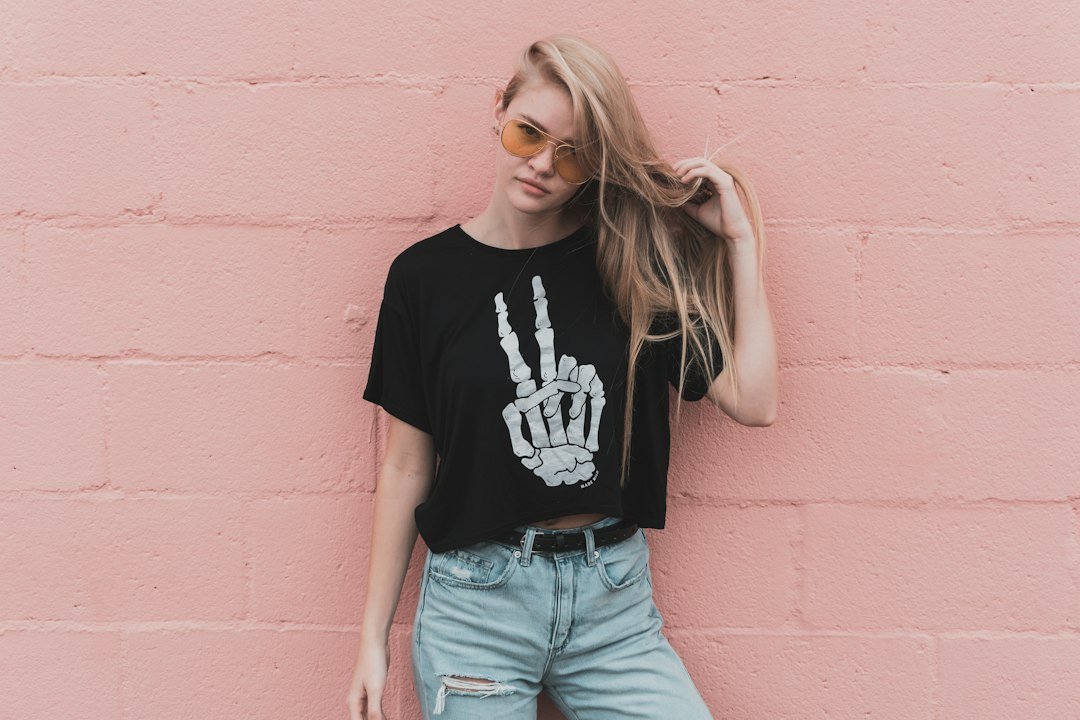
Washed-look graphic tee with straight blue jeans
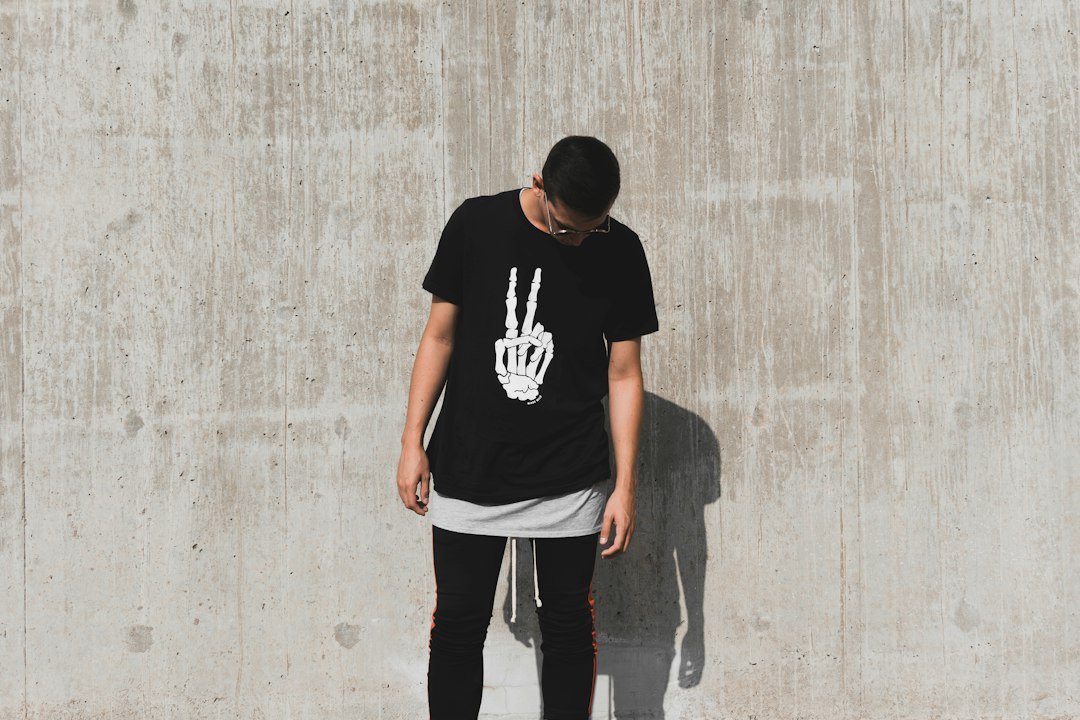
What makes it work: Use the graphic as the only statement element and let familiar mid-wash denim do the rest. A vintage-style print looks more deliberate when the jeans are clean and fit comfortably rather than being selected only for extreme distressing. Think about which feature first catches the eye: the silhouette, the graphic, the colour or the layering. A clear idea gives an outfit direction even when the pieces come from different seasons of your wardrobe. Review it standing and sitting, since fabric drape often changes with movement and a photograph does not show what a long commute feels like.
How to style it: Try a black, charcoal or faded-blue printed top with straight jeans and simple trainers. An untucked hem gives a casual feeling while a gentle front tuck shows the waistband. Decide which proportion you prefer by checking the outfit from the side as well as the front. Try the look first with familiar shoes and trousers. If you prefer a different shape, change one thing at a time: a straighter bottom, a more regular T-shirt, or one extra layer. That lets you discover your preference without needing to buy multiple garments. Clothing that makes sense for your schedule is more useful than a combination copied exactly from a trend reel.
Before shopping: Look at whether the printed motif is truly shown in the product listing; the words faded and vintage describe a visual treatment and not necessarily the age or fabric quality of the item. Read fit and fabric specifications rather than relying only on the title or the model photograph. A garment can be visually attractive yet inconvenient for the weather, workplace or travel conditions. If sizing details are missing, contact the retailer. This is especially important for oversized pieces, whose body width and length can differ from a standard fit.
Common mistake: Avoid describing a newly manufactured shirt as a thrifted original unless the seller actually identifies it that way. A deliberate wardrobe does not require the largest number of pieces or the most complicated accessories. Repeat the colours and shapes you enjoy and invest only in items that can be worn again. A simple outfit with comfortable movement and suitable footwear is generally more practical than a dramatic combination that you need to keep adjusting.
Oversized retro tee with wide-leg trousers
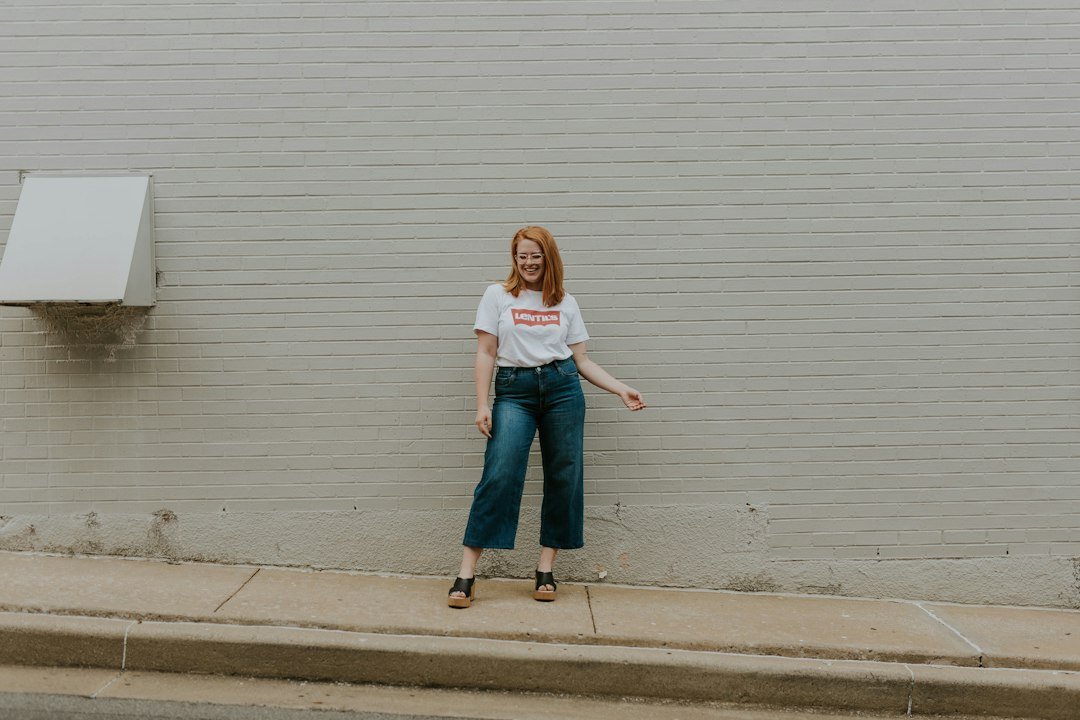
What makes it work: Roomy upper and lower pieces can create a strong Y2K-inspired silhouette, but proportion still matters. Choose a shirt with intentional oversized dimensions and wide-leg trousers that do not trail on the ground. Think about which feature first catches the eye: the silhouette, the graphic, the colour or the layering. A clear idea gives an outfit direction even when the pieces come from different seasons of your wardrobe. Review it standing and sitting, since fabric drape often changes with movement and a photograph does not show what a long commute feels like.
How to style it: Use a print that has just one or two dominant colours, then coordinate trousers or shoes with those shades. If the top covers most of the waistband, adjust its length or try a small tuck instead of sizing randomly. Try the look first with familiar shoes and trousers. If you prefer a different shape, change one thing at a time: a straighter bottom, a more regular T-shirt, or one extra layer. That lets you discover your preference without needing to buy multiple garments. Clothing that makes sense for your schedule is more useful than a combination copied exactly from a trend reel.
Before shopping: Compare actual chest and body measurements before ordering. A standard-fit shirt bought three sizes larger may sit differently from a deliberately oversized pattern. Read fit and fabric specifications rather than relying only on the title or the model photograph. A garment can be visually attractive yet inconvenient for the weather, workplace or travel conditions. If sizing details are missing, contact the retailer. This is especially important for oversized pieces, whose body width and length can differ from a standard fit.
Common mistake: Avoid trousers so long that the hem catches beneath your footwear on busy pavements. A deliberate wardrobe does not require the largest number of pieces or the most complicated accessories. Repeat the colours and shapes you enjoy and invest only in items that can be worn again. A simple outfit with comfortable movement and suitable footwear is generally more practical than a dramatic combination that you need to keep adjusting.
Vintage print and black denim for an easy evening look
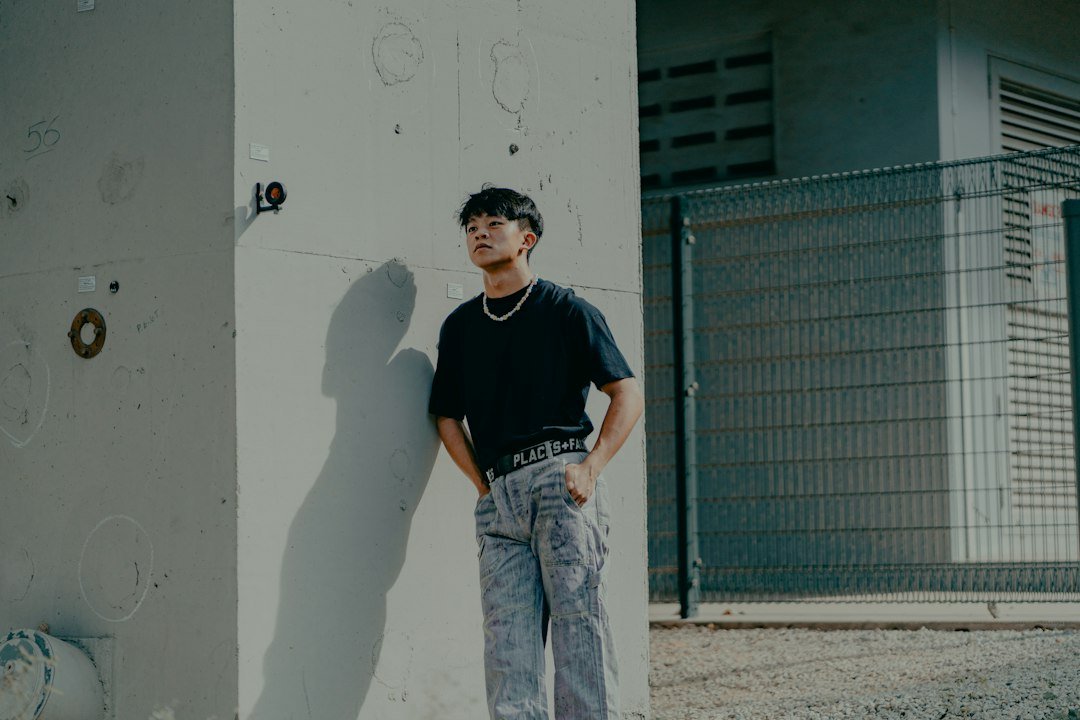
What makes it work: Dark denim makes a printed T-shirt feel suitable for informal evening plans without requiring jackets or dress shoes. A compact print reads differently from a full-front design, so choose one that reflects your preferences. Think about which feature first catches the eye: the silhouette, the graphic, the colour or the layering. A clear idea gives an outfit direction even when the pieces come from different seasons of your wardrobe. Review it standing and sitting, since fabric drape often changes with movement and a photograph does not show what a long commute feels like.
How to style it: Pair a cream or faded grey printed tee with black jeans. Dark trainers, a simple watch and a casual overshirt are optional finishing touches. For cooler nights, use a properly sized layer instead of forcing a heavy coat over a bulky tee. Try the look first with familiar shoes and trousers. If you prefer a different shape, change one thing at a time: a straighter bottom, a more regular T-shirt, or one extra layer. That lets you discover your preference without needing to buy multiple garments. Clothing that makes sense for your schedule is more useful than a combination copied exactly from a trend reel.
Before shopping: Check the neckline shape and sleeve opening: they determine how the shirt sits when you are walking or sitting for long periods at a concert or gathering. Read fit and fabric specifications rather than relying only on the title or the model photograph. A garment can be visually attractive yet inconvenient for the weather, workplace or travel conditions. If sizing details are missing, contact the retailer. This is especially important for oversized pieces, whose body width and length can differ from a standard fit.
Common mistake: Avoid stacking several competing large logos when the shirt already carries a bold graphic. A deliberate wardrobe does not require the largest number of pieces or the most complicated accessories. Repeat the colours and shapes you enjoy and invest only in items that can be worn again. A simple outfit with comfortable movement and suitable footwear is generally more practical than a dramatic combination that you need to keep adjusting.
Retro graphic tee under an open overshirt
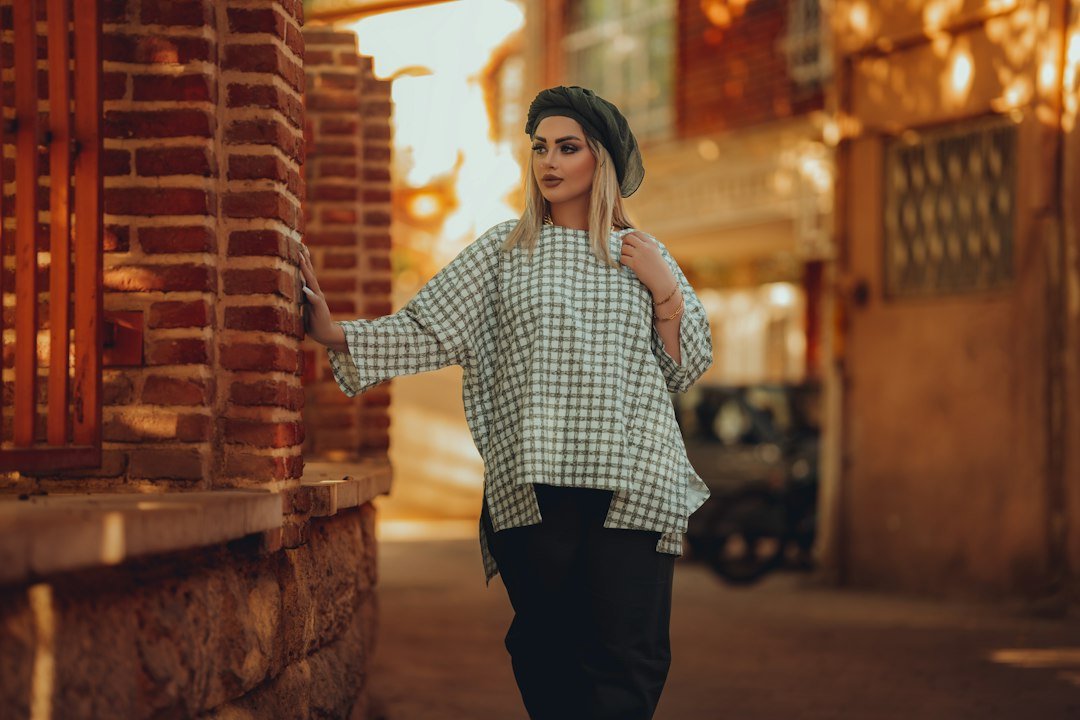
What makes it work: An open overshirt frames the artwork and gives flexibility in changing temperatures. It is especially practical for India’s variable evenings, air-conditioned indoor spaces and autumn travel. Think about which feature first catches the eye: the silhouette, the graphic, the colour or the layering. A clear idea gives an outfit direction even when the pieces come from different seasons of your wardrobe. Review it standing and sitting, since fabric drape often changes with movement and a photograph does not show what a long commute feels like.
How to style it: Use a white or grey printed tee under a darker open shirt, or reverse the contrast with a black tee and light denim overshirt. Ensure the outer piece has enough space at the shoulders. Try the look first with familiar shoes and trousers. If you prefer a different shape, change one thing at a time: a straighter bottom, a more regular T-shirt, or one extra layer. That lets you discover your preference without needing to buy multiple garments. Clothing that makes sense for your schedule is more useful than a combination copied exactly from a trend reel.
Before shopping: Select a soft shirt rather than a narrow formal fit if the T-shirt is oversized. A visible print becomes the central element while the overshirt adds structure. Read fit and fabric specifications rather than relying only on the title or the model photograph. A garment can be visually attractive yet inconvenient for the weather, workplace or travel conditions. If sizing details are missing, contact the retailer. This is especially important for oversized pieces, whose body width and length can differ from a standard fit.
Common mistake: Avoid calling two lightweight layers a substitute for cold-weather insulation during travel to colder areas. A deliberate wardrobe does not require the largest number of pieces or the most complicated accessories. Repeat the colours and shapes you enjoy and invest only in items that can be worn again. A simple outfit with comfortable movement and suitable footwear is generally more practical than a dramatic combination that you need to keep adjusting.
Y2K graphic tee with relaxed cargo trousers
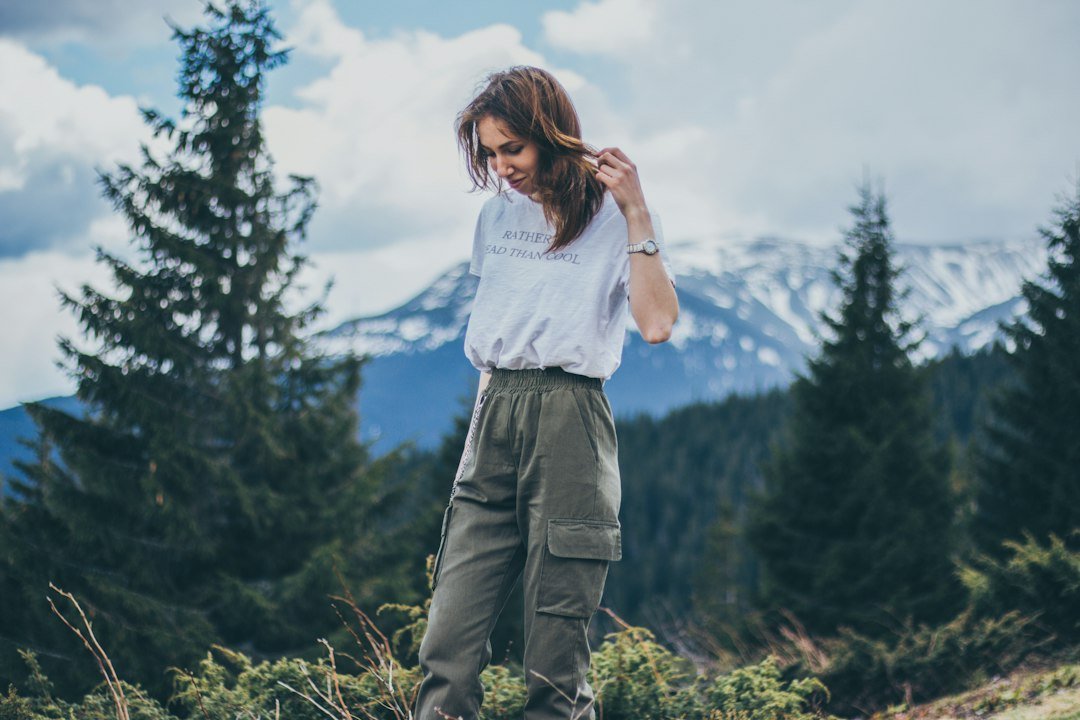
What makes it work: Cargo pockets contribute to the streetwear feel without needing a second printed piece. Olive, tan and charcoal trousers can coordinate with many vintage-colour graphics. Think about which feature first catches the eye: the silhouette, the graphic, the colour or the layering. A clear idea gives an outfit direction even when the pieces come from different seasons of your wardrobe. Review it standing and sitting, since fabric drape often changes with movement and a photograph does not show what a long commute feels like.
How to style it: Pair a dark oversized print with olive cargos and understated shoes. If the trousers already have large pocket details, let the top carry the main colour and keep the bag simple. Try the look first with familiar shoes and trousers. If you prefer a different shape, change one thing at a time: a straighter bottom, a more regular T-shirt, or one extra layer. That lets you discover your preference without needing to buy multiple garments. Clothing that makes sense for your schedule is more useful than a combination copied exactly from a trend reel.
Before shopping: Review cargo fit through the thigh and hem and make sure the trousers are convenient for your planned journey. Utility-inspired appearance is not proof of weather resistance. Read fit and fabric specifications rather than relying only on the title or the model photograph. A garment can be visually attractive yet inconvenient for the weather, workplace or travel conditions. If sizing details are missing, contact the retailer. This is especially important for oversized pieces, whose body width and length can differ from a standard fit.
Common mistake: Avoid adding so many chains and accessories that they distract from the design you actually want to highlight. A deliberate wardrobe does not require the largest number of pieces or the most complicated accessories. Repeat the colours and shapes you enjoy and invest only in items that can be worn again. A simple outfit with comfortable movement and suitable footwear is generally more practical than a dramatic combination that you need to keep adjusting.
Printed tee with a denim jacket for cooler days

What makes it work: A denim jacket changes the silhouette while keeping the outfit grounded in simple pieces. Light denim can contrast with dark graphics; a darker jacket can sit over pale prints. Think about which feature first catches the eye: the silhouette, the graphic, the colour or the layering. A clear idea gives an outfit direction even when the pieces come from different seasons of your wardrobe. Review it standing and sitting, since fabric drape often changes with movement and a photograph does not show what a long commute feels like.
How to style it: Allow the graphic to remain partially visible by keeping the jacket open where comfortable. Straight trousers or black jeans can finish the look without another statement layer. Try the look first with familiar shoes and trousers. If you prefer a different shape, change one thing at a time: a straighter bottom, a more regular T-shirt, or one extra layer. That lets you discover your preference without needing to buy multiple garments. Clothing that makes sense for your schedule is more useful than a combination copied exactly from a trend reel.
Before shopping: Consider jacket armholes before wearing it over a roomy tee. A narrow jacket can bunch the sleeves and undermine the comfort of a relaxed outfit. Read fit and fabric specifications rather than relying only on the title or the model photograph. A garment can be visually attractive yet inconvenient for the weather, workplace or travel conditions. If sizing details are missing, contact the retailer. This is especially important for oversized pieces, whose body width and length can differ from a standard fit.
Common mistake: Avoid assuming denim outerwear provides enough wind or cold protection for every destination. A deliberate wardrobe does not require the largest number of pieces or the most complicated accessories. Repeat the colours and shapes you enjoy and invest only in items that can be worn again. A simple outfit with comfortable movement and suitable footwear is generally more practical than a dramatic combination that you need to keep adjusting.
Women’s retro graphic tee with denim skirt
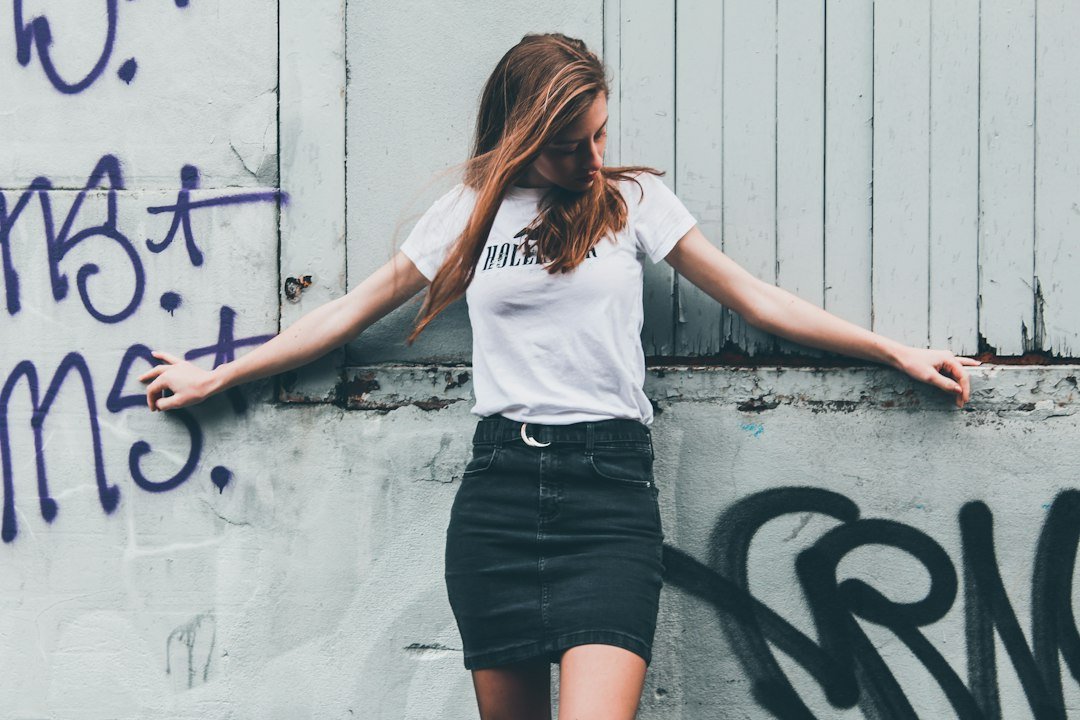
What makes it work: A printed tee and denim skirt mix casual nostalgia with a different silhouette than ordinary jeans. The same tee can be reused with joggers or cargo pants for another day. Think about which feature first catches the eye: the silhouette, the graphic, the colour or the layering. A clear idea gives an outfit direction even when the pieces come from different seasons of your wardrobe. Review it standing and sitting, since fabric drape often changes with movement and a photograph does not show what a long commute feels like.
How to style it: Use a small front tuck if you want the waistband visible, or choose a shorter regular-cut tee. Wear shoes suitable for how much walking you expect. Try the look first with familiar shoes and trousers. If you prefer a different shape, change one thing at a time: a straighter bottom, a more regular T-shirt, or one extra layer. That lets you discover your preference without needing to buy multiple garments. Clothing that makes sense for your schedule is more useful than a combination copied exactly from a trend reel.
Before shopping: Check skirt length, movement and any workplace or campus rules rather than choosing a photo-only outfit. Comfort is individual; no body type is required for this look. Read fit and fabric specifications rather than relying only on the title or the model photograph. A garment can be visually attractive yet inconvenient for the weather, workplace or travel conditions. If sizing details are missing, contact the retailer. This is especially important for oversized pieces, whose body width and length can differ from a standard fit.
Common mistake: Avoid buying a special skirt just to reproduce one online picture if your existing denim already works. A deliberate wardrobe does not require the largest number of pieces or the most complicated accessories. Repeat the colours and shapes you enjoy and invest only in items that can be worn again. A simple outfit with comfortable movement and suitable footwear is generally more practical than a dramatic combination that you need to keep adjusting.
Minimal accessories around a statement graphic
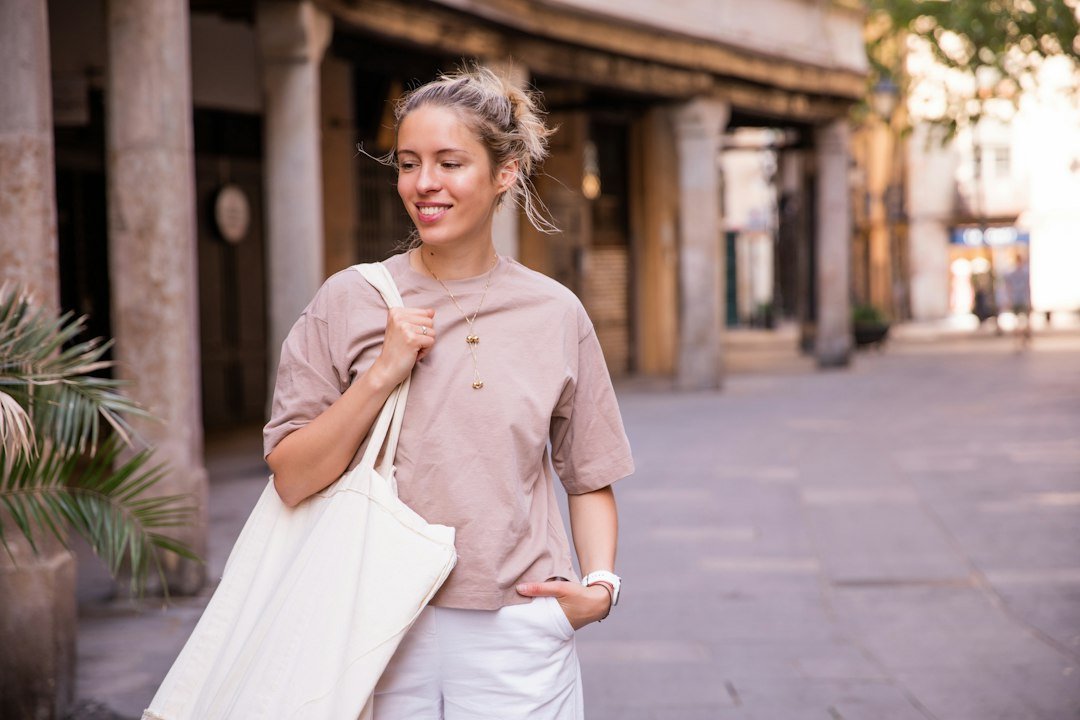
What makes it work: A comfortable bag and familiar sneakers may be all the accessories needed when a T-shirt has a large print. Small adjustments change the finish without changing the clothing. Think about which feature first catches the eye: the silhouette, the graphic, the colour or the layering. A clear idea gives an outfit direction even when the pieces come from different seasons of your wardrobe. Review it standing and sitting, since fabric drape often changes with movement and a photograph does not show what a long commute feels like.
How to style it: Try a neutral crossbody for city travel or a practical backpack for campus. Let one accessory repeat a colour from the graphic if you enjoy coordination, but exact matching is optional. Try the look first with familiar shoes and trousers. If you prefer a different shape, change one thing at a time: a straighter bottom, a more regular T-shirt, or one extra layer. That lets you discover your preference without needing to buy multiple garments. Clothing that makes sense for your schedule is more useful than a combination copied exactly from a trend reel.
Before shopping: Think about how the bag strap sits over the print; in some outfits it hides the centre of the design. Adjust placement for comfort and visibility. Read fit and fabric specifications rather than relying only on the title or the model photograph. A garment can be visually attractive yet inconvenient for the weather, workplace or travel conditions. If sizing details are missing, contact the retailer. This is especially important for oversized pieces, whose body width and length can differ from a standard fit.
Common mistake: Avoid treating excessive jewellery or a branded shoe as compulsory for a complete streetwear look. A deliberate wardrobe does not require the largest number of pieces or the most complicated accessories. Repeat the colours and shapes you enjoy and invest only in items that can be worn again. A simple outfit with comfortable movement and suitable footwear is generally more practical than a dramatic combination that you need to keep adjusting.
Choose a retro print that you will actually wear
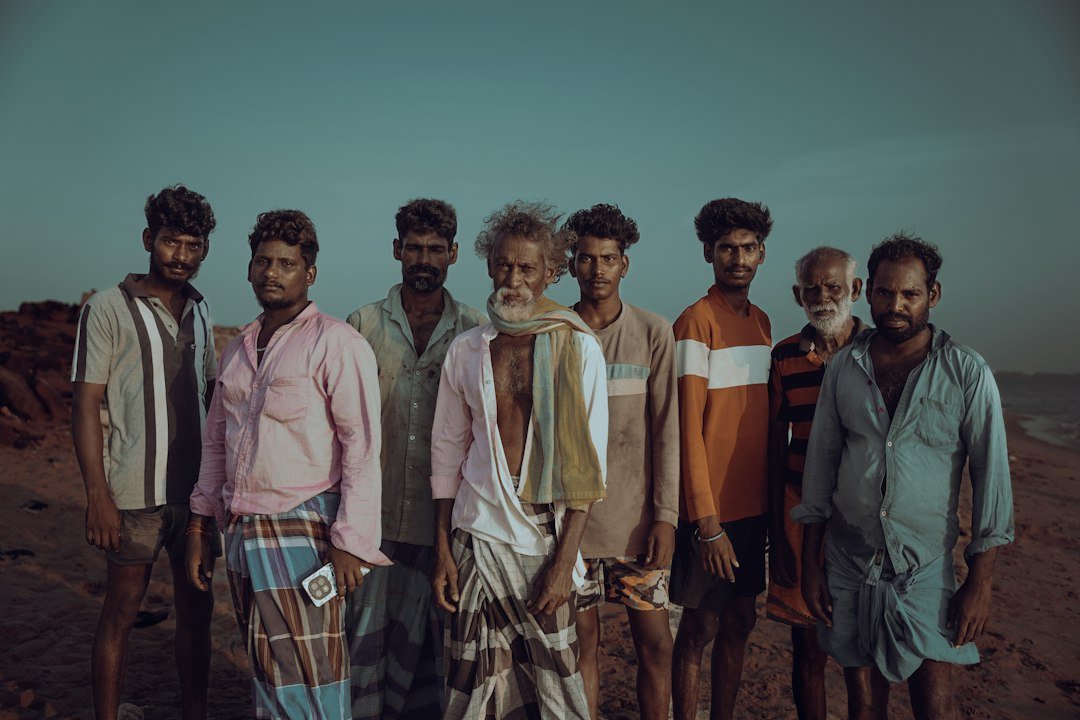
What makes it work: Graphics can include typography, landscapes, fictional illustrations and abstract art. The most lasting choice is one that connects to your personal taste, not a slogan purchased for a short-lived trend. Think about which feature first catches the eye: the silhouette, the graphic, the colour or the layering. A clear idea gives an outfit direction even when the pieces come from different seasons of your wardrobe. Review it standing and sitting, since fabric drape often changes with movement and a photograph does not show what a long commute feels like.
How to style it: Before buying, imagine at least three outfits with existing jeans, trousers or an overshirt. Consider whether the print works in your everyday surroundings and whether it feels comfortable to wear repeatedly. Try the look first with familiar shoes and trousers. If you prefer a different shape, change one thing at a time: a straighter bottom, a more regular T-shirt, or one extra layer. That lets you discover your preference without needing to buy multiple garments. Clothing that makes sense for your schedule is more useful than a combination copied exactly from a trend reel.
Before shopping: Review print photos, materials and care instructions. Not all designs use the same printing method, and a digital mock-up does not establish the exact feel of the printed surface. Read fit and fabric specifications rather than relying only on the title or the model photograph. A garment can be visually attractive yet inconvenient for the weather, workplace or travel conditions. If sizing details are missing, contact the retailer. This is especially important for oversized pieces, whose body width and length can differ from a standard fit.
Common mistake: Avoid unlicensed imitation and misleading claims that a modern reproduction is rare vintage merchandise. A deliberate wardrobe does not require the largest number of pieces or the most complicated accessories. Repeat the colours and shapes you enjoy and invest only in items that can be worn again. A simple outfit with comfortable movement and suitable footwear is generally more practical than a dramatic combination that you need to keep adjusting.
Turn one graphic tee into a small capsule wardrobe
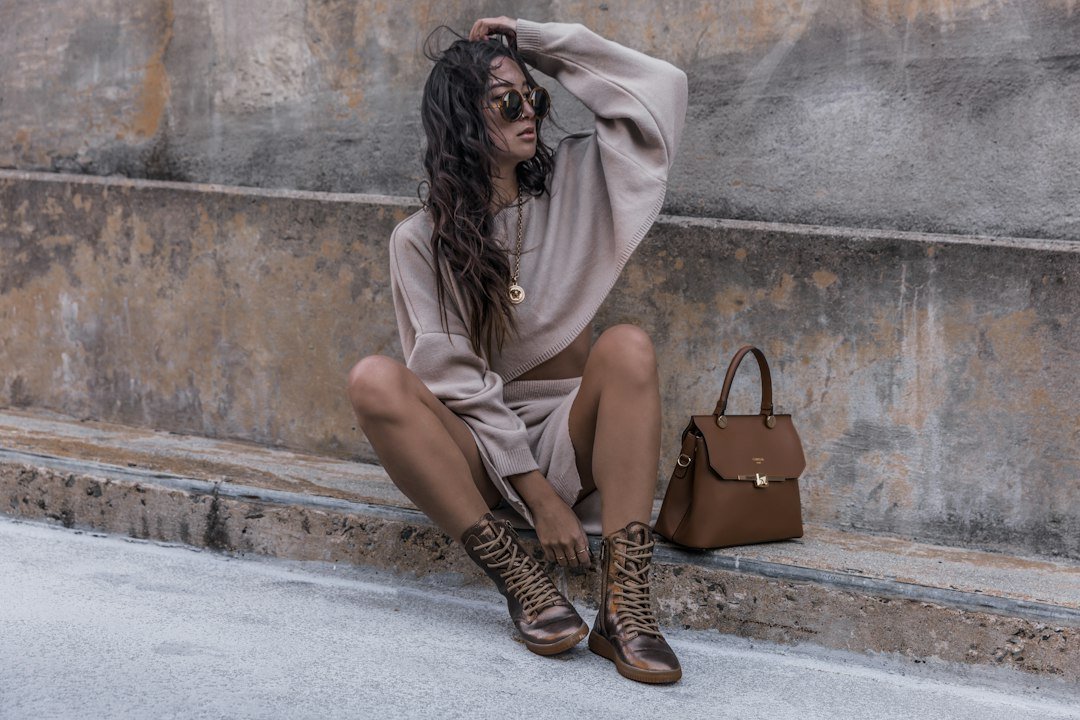
What makes it work: A vintage-inspired top can be the only statement piece in a small set of basics. Repeating trousers and shoes is normal; the outfit changes through layers and accessories. Think about which feature first catches the eye: the silhouette, the graphic, the colour or the layering. A clear idea gives an outfit direction even when the pieces come from different seasons of your wardrobe. Review it standing and sitting, since fabric drape often changes with movement and a photograph does not show what a long commute feels like.
How to style it: Choose two jeans or trousers you already own, one plain overshirt and the graphic tee. Photograph a few combinations to identify which is the most comfortable for your schedule. Try the look first with familiar shoes and trousers. If you prefer a different shape, change one thing at a time: a straighter bottom, a more regular T-shirt, or one extra layer. That lets you discover your preference without needing to buy multiple garments. Clothing that makes sense for your schedule is more useful than a combination copied exactly from a trend reel.
Before shopping: Before adding another print, see whether the first tee has the right length, neckline and fabric. A good fit matters more than the number of designs collected. Read fit and fabric specifications rather than relying only on the title or the model photograph. A garment can be visually attractive yet inconvenient for the weather, workplace or travel conditions. If sizing details are missing, contact the retailer. This is especially important for oversized pieces, whose body width and length can differ from a standard fit.
Common mistake: Avoid ordering several similar graphics before you know which cuts and colours you prefer. A deliberate wardrobe does not require the largest number of pieces or the most complicated accessories. Repeat the colours and shapes you enjoy and invest only in items that can be worn again. A simple outfit with comfortable movement and suitable footwear is generally more practical than a dramatic combination that you need to keep adjusting.
Fit, fabric and size choices that matter
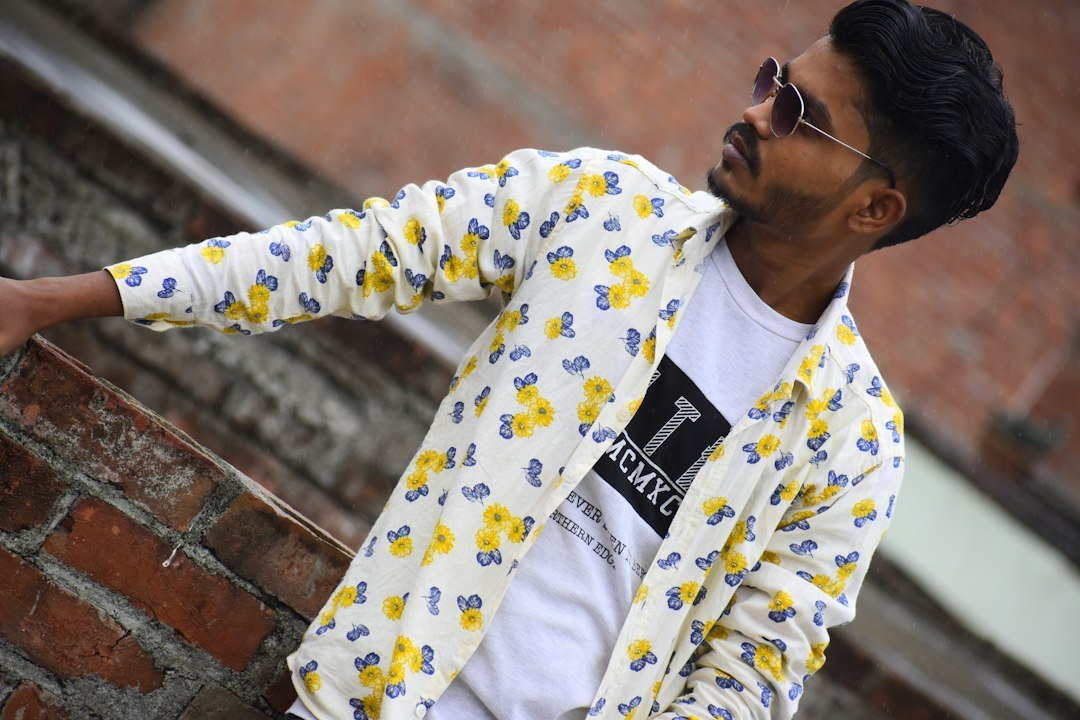
The same description can cover different garment cuts. A retro design can be worn casually in India without buying a completely new wardrobe. The most reliable starting point is a shirt you enjoy, straight or relaxed trousers and practical shoes. Look closely at the actual garment cut and print instead of assuming every shirt labelled retro has the same finish. Check chest width, body length, shoulders and sleeve opening, then compare those details with a comfortable garment you own. A purposefully oversized T-shirt or hoodie may have dropped shoulders and a boxy body; buying a standard garment several sizes larger may change the proportions differently. A screenshot or model photo is a starting point for styling, not a measurement guarantee.
Look at fibre composition and any available wash instructions before ordering. Some prints, blends and textured surfaces require different care. When a listing offers several colours, inspect each if possible rather than assuming lighting and production batches will appear exactly the same on screen.
Comfort, weather and occasion suitability
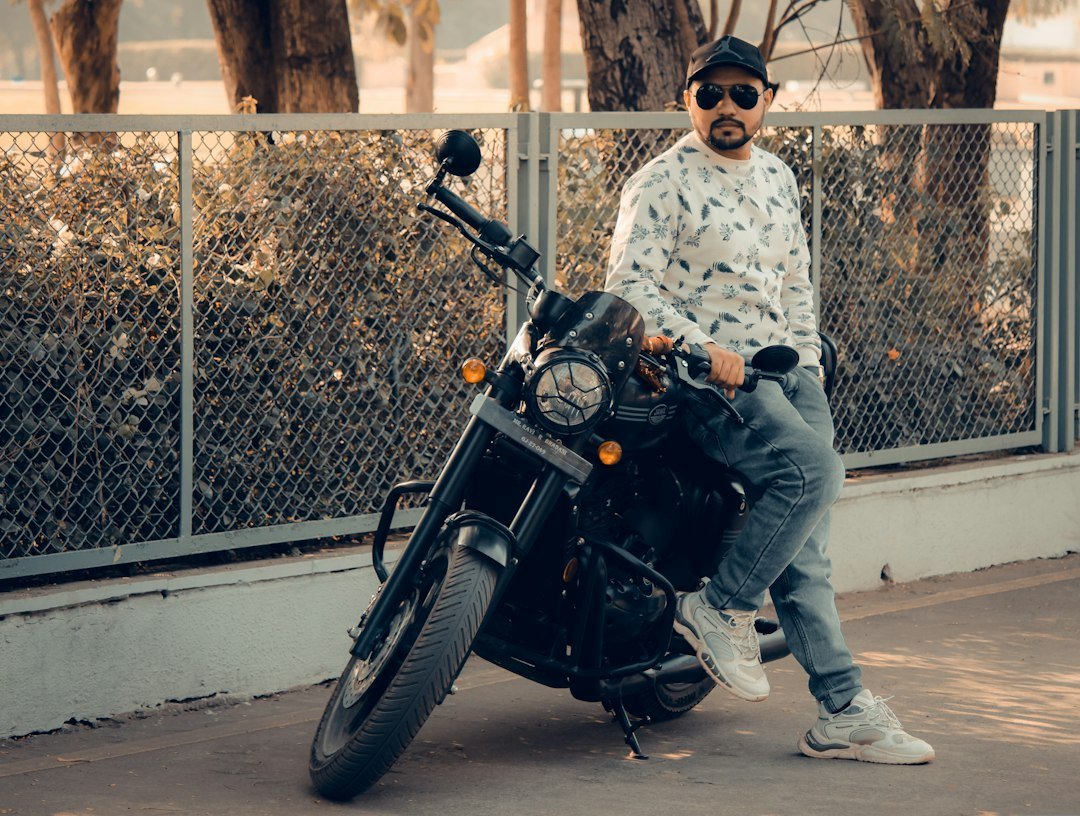
India’s weather and social settings vary widely. A casual look that works for college commutes, cafés, concerts, relaxed offices with permissive dress codes and ordinary weekends might need additional layers in a colder destination or may not meet a formal dress code. Consider how long you will be outside, whether you will sit or walk for hours, and what footwear is practical. Fashion advice is most useful when it helps you decide whether to dress up, dress down or carry an extra layer.
If you are planning clothing for a festival or gathering, ask about expectations instead of assuming casual clothes are always welcome. Good personal style includes respecting the occasion while remaining comfortable. You can wear a garment more often by matching it with pieces already in your wardrobe.
Building outfits without unnecessary shopping
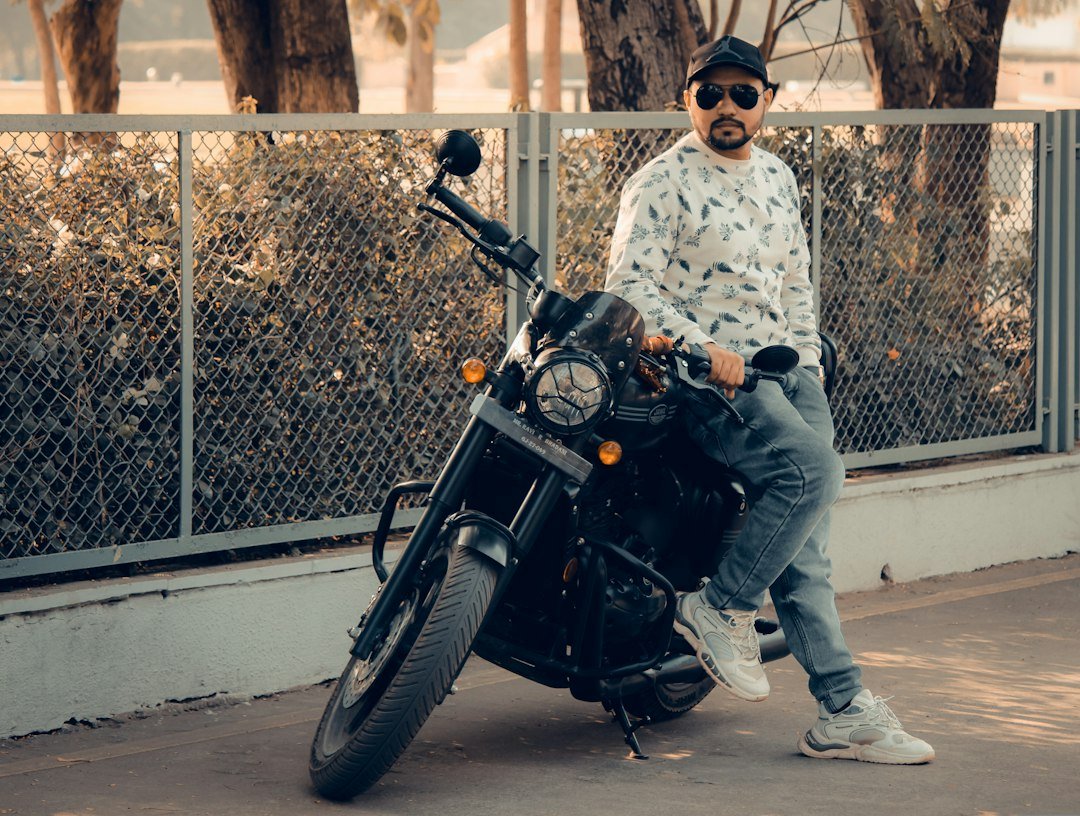
Set aside your most useful jeans or trousers, one plain base tee, a favourite upper layer and shoes you enjoy wearing. Try three combinations, then photograph them in ordinary light so you can compare the proportions. For second-hand clothing, examine condition and provenance carefully. For a new T-shirt with a vintage-inspired print, assess the new garment on its own product specifications. Those are different shopping decisions and should not be conflated. A wardrobe is easier to use when each item coordinates with something familiar rather than demanding additional purchases.
Do not treat editorial fashion photos as inventory lists. Namakool sells a range of apparel, but you should check live product pages for exact fabrics, colours, measurements, sizes and availability. If a specific style is unavailable, use the outfit formula with an alternative garment that you already own.
Frequently asked questions about vintage graphic t-shirt outfits
What is the easiest way to style vintage graphic t-shirt outfits?
Begin with one item that defines the look, then add familiar trousers and shoes. Verify fit, care and suitability for the occasion instead of buying a full new outfit.
Can I wear this in India during October or November?
It depends on your city, weather and plans. The same outfit may feel fine indoors but require suitable outer clothing in colder conditions.
Does Namakool sell the exact full outfits pictured?
No. Photographs illustrate style ideas and some individual products. Check each current Namakool listing for the items and sizes actually available.
How can I keep a trend-inspired outfit affordable?
Try the combination using clothes you already have, identify one missing versatile item and compare product measurements before buying.
Should every piece be oversized?
No. Mix regular and relaxed cuts according to your personal preference and mobility. There is no universal fit rule.
How do I choose the correct online size?
Compare the product chest, length and sleeve measurements where provided with a garment you own and find comfortable.
What fabric information should I check?
Look for the exact composition, wash care and any weight or lining information provided on the listing. Avoid assuming a style label describes the material.
Discover Your Next Namakool Outfit
Explore current clothing, colour options and sizes. Verify products on their own listings before checkout.
More on Namakool: Gen Z fashion ideas, winter streetwear outfits, graphic T-shirt outfit ideas, men’s plain T-shirts and women’s plain T-shirts. For independent context, see Vogue India’s denim and nostalgic-style coverage. These external links are background resources, not endorsements or product certifications.
More outfit guides: Try jorts with graphic T-shirts for warm-weather retro styling and olive and cargo outfits for earthy streetwear.