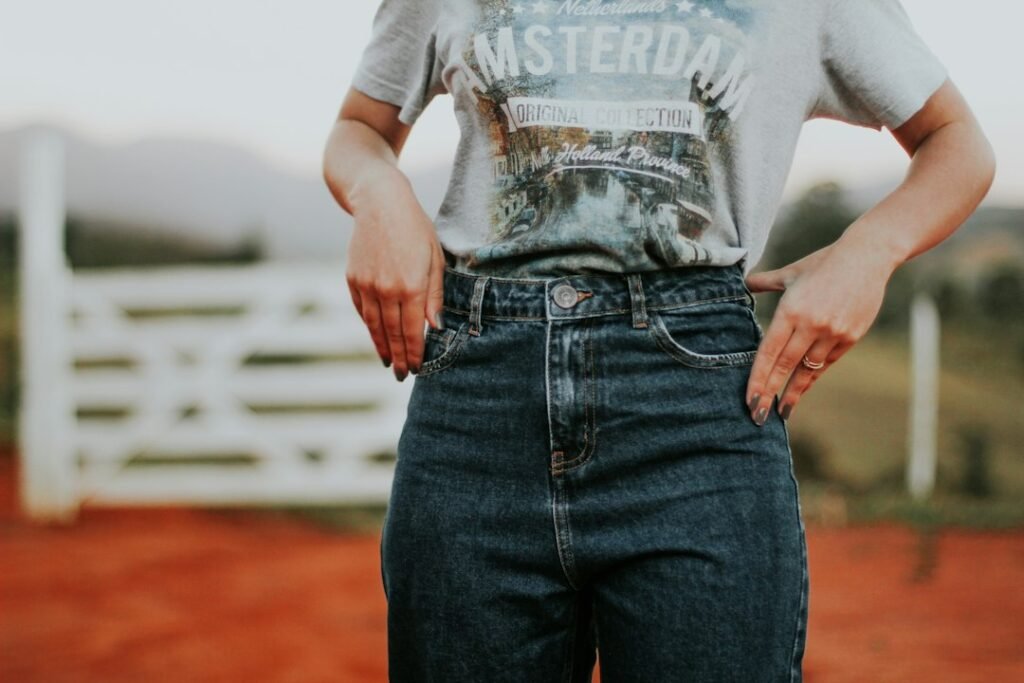
women's T shirt length guide — A women's T-shirt length guide is useful because tops with similar chest measurements can sit at very different points on the body. Cropped, regular and longline are style descriptions, not universal centimetre standards. The same T-shirt may appear shorter on one person and longer on another because torso length, shoulder construction and body shape vary. Rather than imposing rules about who can wear each style, this guide explains how to measure the hem, match it with trousers and skirts, and find a length that feels comfortable in everyday Indian settings.
Use these explanations as a practical buying and styling guide, not as a guarantee of any particular garment’s warmth, durability, comfort or measurements. Always verify the chosen item on its product page. Browse Namakool MEN, Namakool WOMEN, and the shop for current products.
Understand cropped, regular and longline labels
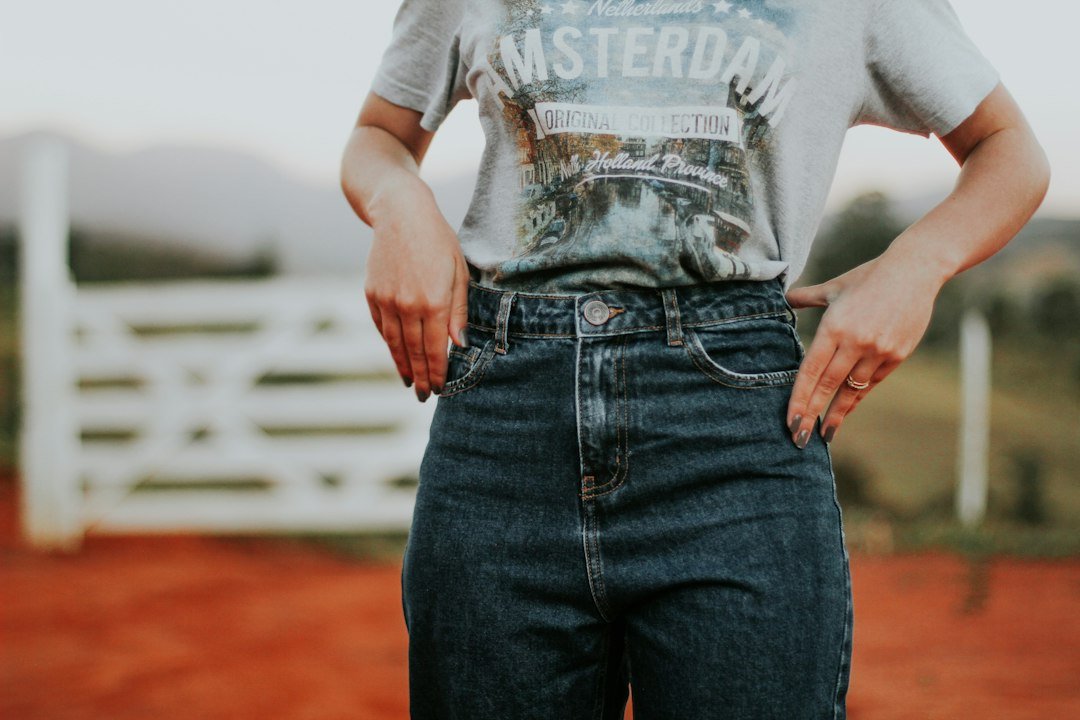
A cropped T-shirt ends higher than a conventional everyday tee, although exact placement differs by brand. A regular-length tee often falls around the hip area, while a longline design extends farther down. These categories are descriptive rather than regulated measurements, and two retailers may label similar garments differently. That is why actual length is more useful than the product's marketing category.
Outfit or fabric example: A cropped tee with high-rise trousers can show little or no midriff depending on the cut, while a longline tee may cover much of the same waistband.
Buying check: Use the product's shoulder-to-hem measurement and compare it with a favourite top. Do not assume a label gives a precise hem position.
Real-world assessment: First identify the exact need. Is the item for a cold early commute, a warm classroom, an evening outing, travel, a gym trip or a long day at a desk? Note the places where you will change layers. A top that works for five minutes in front of a mirror may feel unsuitable after several hours of sitting or walking. Apply this check specifically to understand cropped, regular and longline labels when comparing current items, and note what matters to your own daily routine.
Important limitation: Fabric descriptions are not warmth ratings. Check the actual conditions where you expect to wear the top and whether a removable layer is more useful than one very heavy garment. Check item-specific material, size and care information rather than assuming a feature is present simply because a garment belongs to a broad category.
Measure shoulder-to-hem length correctly
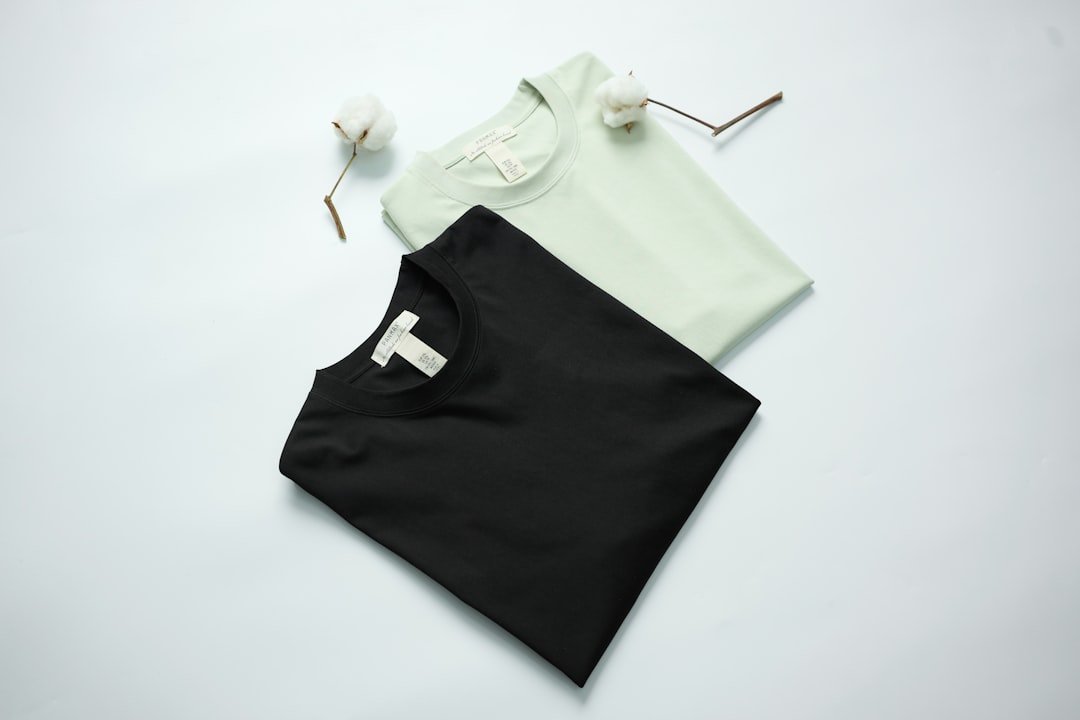
Lay a top flat on a smooth surface and measure from the appropriate high-shoulder point to the hem as defined by the seller's chart. Some charts use centre-back length, so read the method before comparing numbers. Garment length also interacts with neckline depth, shoulder slope and fabric stretch, making identical numbers feel different when worn.
Outfit or fabric example: Measure a T-shirt you already like and note exactly where its hem ends on your body. Use that as a reference rather than guessing from a model photo.
Buying check: Convert units carefully and compare garment dimensions with garment dimensions, not body measurements. Ask for clarification if the chart is ambiguous.
Real-world assessment: Compare two garments you already own before shopping. Measure both across the chest, at the shoulder and from the neckline to the hem. Record which feels better and why. A new product description is useful only when you can connect its dimensions and fabric to a fit you already understand. Apply this check specifically to measure shoulder-to-hem length correctly when comparing current items, and note what matters to your own daily routine.
Important limitation: A garment labelled oversized is not necessarily a regular cut in a bigger size. Sleeve geometry, shoulder placement and body length can change the look more than chest width alone. Check item-specific material, size and care information rather than assuming a feature is present simply because a garment belongs to a broad category.
Choose a cropped tee with high-rise jeans

A cropped T-shirt and high-rise denim can create a clear waistline without forcing a tucked hem. The amount of skin visible depends on the top length, waistband height and movement. Cropped does not necessarily mean very short; some designs end close to the top of the jeans.
Outfit or fabric example: Try a black cropped top with light straight denim and clean trainers for an easy college look. Add an open shirt if you prefer a little more coverage.
Buying check: Check the fit while reaching overhead and sitting. A tee that feels comfortable when standing may rise more than you want in motion.
Real-world assessment: Evaluate appearance and function separately. You might prefer a particular drape or colour but dislike the way it feels under a jacket. Make two short notes: what the top looks like with your favourite trousers, and what happens when you sit, reach or carry your usual bag. Apply this check specifically to choose a cropped tee with high-rise jeans when comparing current items, and note what matters to your own daily routine.
Important limitation: Weight and opacity should not be inferred from photographs. GSM measures mass per area; it does not independently determine thermal comfort, construction quality or how a fabric feels. Check item-specific material, size and care information rather than assuming a feature is present simply because a garment belongs to a broad category.
Regular-length tees for everyday versatility

A regular-length T-shirt can be worn untucked with jeans, partly tucked into chinos or layered beneath a jacket. Its usefulness comes from how the hem meets the trouser waistband and how the shoulder and chest fit. One versatile tee may work across many settings, but different garments labelled regular can have surprisingly different lengths.
Outfit or fabric example: A cream regular tee with straight blue jeans is an uncomplicated starting point for everyday outfits. Add a navy overshirt for cooler indoor spaces.
Buying check: Check that the hem does not pull tightly over the hips or bunch excessively under outerwear. Width and fabric movement matter as much as length.
Real-world assessment: Pay attention to garment photographs without treating them as complete proof of material properties. Studio lights can make a raised texture look flat and a soft shade look more saturated. A close-up, a model photograph and a written fabric description answer different questions; use all three if available. Apply this check specifically to regular-length tees for everyday versatility when comparing current items, and note what matters to your own daily routine.
Important limitation: The same colour can behave differently on textured and smooth materials. Surface finish changes the way light interacts with the garment, so do not rely on one thumbnail. Check item-specific material, size and care information rather than assuming a feature is present simply because a garment belongs to a broad category.
Longline tees with leggings and fitted trousers

A longline T-shirt extends farther down the torso and may provide more coverage over leggings or slim trousers. The style can feel relaxed and practical, but an extremely long hem may restrict movement if the cut is narrow at the hips. Side slits or a generous body opening can affect comfort.
Outfit or fabric example: Combine a longline black tee with dark leggings and comfortable trainers for a travel day where movement and coverage are priorities.
Buying check: Never assume longline equals oversized; a long top can still be narrow. Review the hip opening, side seam and total body length.
Real-world assessment: Review the climate and indoor temperature. A garment intended for winter in a northern city can feel too warm on a crowded bus or in a heated room. Likewise, a light top suitable for a mild afternoon may need an outer layer after sunset. Layering flexibility can be more useful than maximum thickness. Apply this check specifically to longline tees with leggings and fitted trousers when comparing current items, and note what matters to your own daily routine.
Important limitation: Fit preferences are personal. No single body shape, gender, height or age group owns a fashion silhouette; ease, comfort and desired appearance are more useful criteria. Check item-specific material, size and care information rather than assuming a feature is present simply because a garment belongs to a broad category.
Related guide: Read more about fabric, styling and fit on Namakool before choosing the version that suits your needs.
Wide-leg trousers change hem proportions

Wide-leg trousers have their own volume, so the length of the T-shirt changes how much of the waistband and trouser line is visible. A cropped tee creates a shorter top block; a regular tee can be tucked; a longline tee offers a more relaxed layered outline. All three can work when intentionally styled.
Outfit or fabric example: Try a cropped white T-shirt with navy wide-leg trousers, then repeat the look with an untucked regular tee to compare the shapes.
Buying check: There is no universal rule that a shorter woman must choose one specific length. Consider comfort and your preferred proportions.
Real-world assessment: Look up each care symbol instead of adopting a universal washing method. Temperature limits, mild-cycle markings, ironing restrictions and drying instructions differ. A printed or embroidered top may have additional requirements. Label-compliant washing is a better long-term strategy than an internet trick intended for a different garment. Apply this check specifically to wide-leg trousers change hem proportions when comparing current items, and note what matters to your own daily routine.
Important limitation: Temperature and mechanical agitation can affect textiles differently. Always respect the care label rather than deciding a hotter wash will make an item cleaner or restore its shape. Check item-specific material, size and care information rather than assuming a feature is present simply because a garment belongs to a broad category.
T-shirt length for skirts and casual dresses

With an A-line or midi skirt, a cropped tee may reveal the skirt waistband, while a regular tee can be tucked or knotted if the fabric and styling allow. A longline tee may overlap the skirt and change the visual line. This is an outfit-design choice rather than a judgement about body shape.
Outfit or fabric example: Pair a regular black tee with a printed midi skirt and simple flats for a relaxed lunch. Choose the tuck based on comfort.
Buying check: Thick jersey can create bulk inside a narrow waistband. If that happens, try a shorter tee or leave the garment untucked.
Real-world assessment: Consider colour and contrast using clothes you actually wear. Place the candidate shade beside your jeans, trousers and shoes. Assess it in natural light where possible. A combination that looks polished on a screen may look different under office lights or at an evening event, especially with textured fabrics. Apply this check specifically to t-shirt length for skirts and casual dresses when comparing current items, and note what matters to your own daily routine.
Important limitation: Do not interpret a product’s category as a promise of technical performance. A hoodie, sweatshirt or crop tee needs its own composition, size and care details. Check item-specific material, size and care information rather than assuming a feature is present simply because a garment belongs to a broad category.
Oversized fits versus longer lengths

Oversized and longline describe different features. An oversized tee may be wide and short, while a narrow longline tee may be visibly longer without much added body width. Shoulder drop, sleeve opening and hem length together create the silhouette, so using only one measurement can be misleading.
Outfit or fabric example: A boxy oversized tee with straight jeans gives a different impression from a slim longline tee with the same jeans.
Buying check: If you want a loose fit without extra length, compare boxy cuts instead of increasing a regular tee by two or three sizes.
Real-world assessment: Think about movement with real layers. Wear a base tee under the outer garment if that is your normal practice, then reach forward and lift your arms. If the sleeves drag or the neckline bunches, the problem may be pattern geometry rather than the letter size. Avoid sizing up automatically without checking length. Apply this check specifically to oversized fits versus longer lengths when comparing current items, and note what matters to your own daily routine.
Important limitation: A garment may have a stylish shape yet still be inappropriate for a particular dress code or safety setting. Consider the place and activity before wearing it. Check item-specific material, size and care information rather than assuming a feature is present simply because a garment belongs to a broad category.
Layer cropped and regular tees with shirts and jackets

A cropped tee can sit neatly beneath a short jacket, while a regular tee provides visible fabric below an open overshirt. A longline top may protrude below the outer hem and create deliberate layering. Sleeve volume and neckline shape determine whether the pieces move together comfortably.
Outfit or fabric example: Try an open denim shirt over a regular tee with trousers, then compare a shorter boxy tee under the same shirt.
Buying check: Do not choose a style based only on an image with the jacket open. Test how the outfit sits while the jacket is closed and when you move.
Real-world assessment: Measure the cost per likely wear in a practical way. A top used every week across different situations may be more valuable than a dramatic design that sits unused. Care complexity, fit, storage and coordination matter. This is not a rule that you must build a minimalist wardrobe, only a way to compare purchases. Apply this check specifically to layer cropped and regular tees with shirts and jackets when comparing current items, and note what matters to your own daily routine.
Important limitation: One fabric quality cannot compensate for a poor fit everywhere. Neckline, sleeve opening, body length, waistband interaction and garment movement are all part of comfort. Check item-specific material, size and care information rather than assuming a feature is present simply because a garment belongs to a broad category.
Colour, prints and visible hem lines

A contrasting hem can create a distinct horizontal line between top and trousers. Tonal outfits create a softer transition even when the top is long. Graphics and large prints may attract attention to the centre of the tee, but their placement does not determine whether a fit is suitable. Fabric opacity is a separate concern.
Outfit or fabric example: A black longline tee with charcoal leggings has gentle colour contrast; a white cropped tee with black trousers makes the boundary more obvious.
Buying check: Use daylight to assess light colours and prints. The same garment can appear different on screens and under artificial lighting.
Real-world assessment: Check any claims about breathability, warmth, recovery or shrinkage against actual material details. There is no meaningful universal winner based on a textile name or fashion label alone. Fibres, knit, finish, garment pattern and body movement can affect comfort together. Ask for details rather than inferring them. Apply this check specifically to colour, prints and visible hem lines when comparing current items, and note what matters to your own daily routine.
Important limitation: Decorations can affect washing, ironing, stretch and the way a top falls. Printed, embroidered and plain garments can need different handling despite similar fabrics. Check item-specific material, size and care information rather than assuming a feature is present simply because a garment belongs to a broad category.
Care reference: GINETEX care symbols explain common wash, dry and ironing labels. Follow the care instructions attached to the actual garment.
How to shop across sizes and collections

Check chest width, shoulder shape, sleeves, garment length and hip opening. A T-shirt may fit at the chest but be too narrow at the hem, particularly if it is longline. Some crop designs have wider bodies to create a boxy outline. Do not infer dimensions from the model's body type or from a size letter.
Outfit or fabric example: If you are between sizes, compare the two options against a favourite existing tee and decide whether added width or length is desirable.
Buying check: Check the fabric composition, care instructions and applicable return policy. A more useful size chart reduces the chance of buying only from appearance.
Real-world assessment: Plan for repeated wear and possible changes after laundering. A garment may drape differently when newly unpacked compared with after several washes. Follow the product label and watch how seams, hems and collars settle. If performance is essential, a sample or reliable return policy is helpful. Apply this check specifically to how to shop across sizes and collections when comparing current items, and note what matters to your own daily routine.
Important limitation: Shoppers should distinguish a product measurement from a body measurement. Compare the same type of dimension in the same unit, rather than treating a letter label as universal. Check item-specific material, size and care information rather than assuming a feature is present simply because a garment belongs to a broad category.
FAQs about women's T-shirt lengths

Does cropped always expose the waist? No; it depends on trousers and body movement. Can anyone wear longline tees? Yes. Are oversized and longline the same? No. Is regular length standard? Definitions vary. Does a tuck work with any tee? It depends on thickness and comfort. Can longline tees be worn with skirts? Yes, depending on the intended styling.
Outfit or fabric example: For a first purchase, use a top you already like to find a preferred shoulder-to-hem length. Then select a cut that works with the trousers and shoes you already own.
Buying check: No particular body type has to avoid cropped or longline designs. The useful considerations are comfort, coverage preference, occasion, movement and the outfit you intend to build.
Real-world assessment: Before checkout, confirm the displayed size, colour, fabric composition, current price, availability and return terms. Compare with your own reference measurements and intended layering. If the product page leaves a critical question unanswered, ask the seller; don’t make a technical assumption on behalf of the brand. Apply this check specifically to faqs about women's t-shirt lengths when comparing current items, and note what matters to your own daily routine.
Important limitation: If a listing omits important information, that is an uncertainty to resolve, not evidence that the feature exists. Avoid inventing stretch percentages, fibre mixtures or tested durability. Check item-specific material, size and care information rather than assuming a feature is present simply because a garment belongs to a broad category.
Continue exploring: See another Namakool clothing guide and compare the details with the current product page. The point of a useful wardrobe is to make your own choices based on material, comfort and preferred style, not to obey universal fashion rules.
Find your next piece: Shop for men, shop for women or browse all available styles. Check size availability, colour, product details, delivery and return terms when ordering.