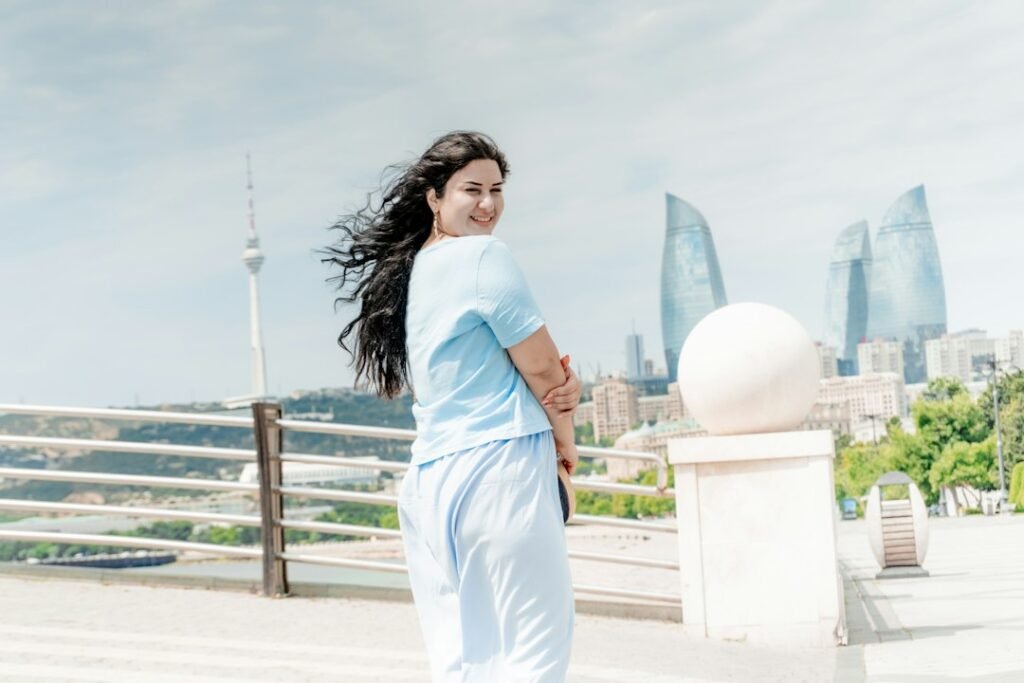
Namakool India Fashion Guide · October 2026
chocolate brown cream outfits women can be planned around existing pieces, comfortable fits and careful attention to the occasion. This guide presents ten practical suggestions with outfit formulas, clothing details, sizing and care advice. Photographs show styling or garment examples, not necessarily a matching product set available at Namakool.
Quick answer: Begin with one well-fitting top, choose trousers or a skirt that lets you move comfortably, and add a removable layer if weather or setting requires it. Keep colours coordinated through one focal point, and compare current garment specifications before ordering anything new.
1. Cream tee and chocolate wide-leg trousers
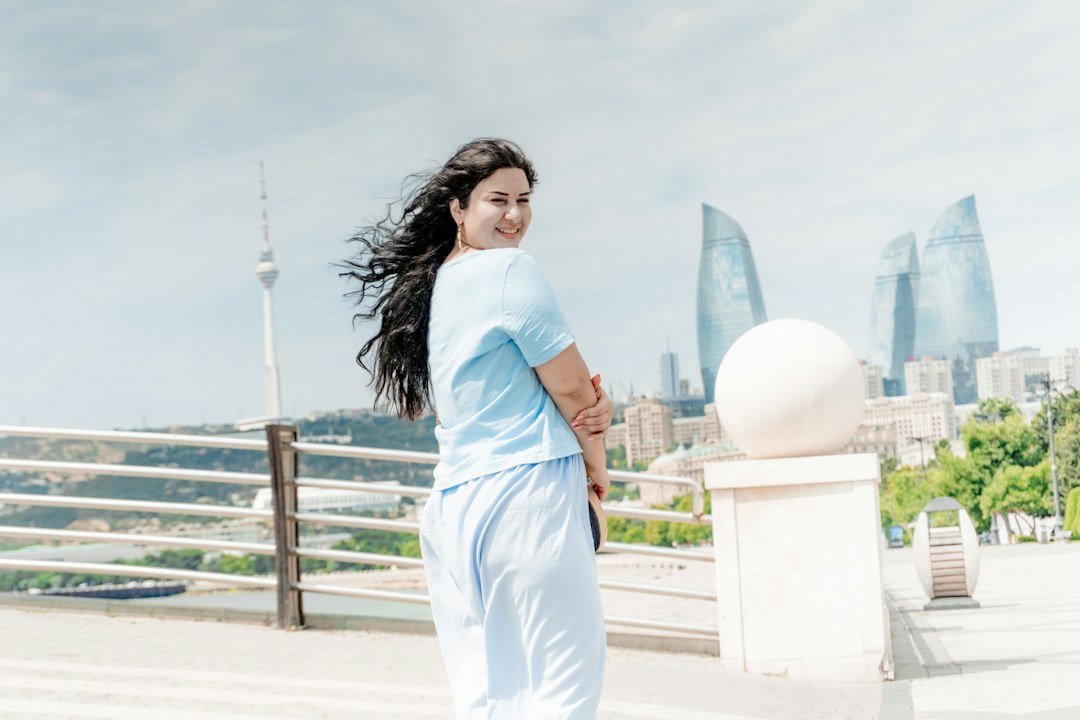
Outfit formula: A cream top and deep-brown trousers create an easy two-colour palette. Wide trousers can feel comfortable for long days when they fit at the waist and hem. This option should feel wearable throughout your actual day, not only in a photograph. Consider the way the top falls over your trousers, the shoes you plan to wear and the amount of time spent indoors versus outdoors. Begin by recreating the overall shape with pieces you already own; you may find that nothing new is necessary.
Fit and movement: A good outfit begins with measurements. Compare chest width, shoulder placement and body length with a top you already own. On trousers, waistband, rise and inseam affect sitting and walking. The terms regular, oversized and relaxed are design descriptions, not universal numbers. To test this combination properly, sit, walk and reach for everyday items. Comfortable movement is more important than following a fixed rule about which bodies should wear a particular silhouette.
Colour and visual balance: A slightly different shade from your reference photo can still work. Aim for a similar contrast between light and dark pieces, or select two related warm or cool tones. Complete visual matching is rarely necessary for everyday outfits. If the first pairing feels too busy, change one element — for example, use plain trousers rather than detailed cargos. A practical wardrobe supports small adjustments instead of an entirely new outfit every time.
Shopping and care: Consider laundering and upkeep. Different prints, fabric blends and finishes may require separate methods, so follow each garment’s label. A piece that is difficult to care for may offer less value than a simple top you wear frequently. Check whether the piece can be worn in at least one additional setting so it earns its place in your wardrobe.
Alternative styling: Keep the main garment and replace only one secondary item. Straight jeans may work instead of wide-leg trousers, an open shirt instead of a hoodie, or a darker shade instead of a pale one. Consider the venue’s expectations and the local forecast. A stylish image is not a substitute for suitable cold-weather protection. Take useful measurements before buying, rather than relying on a general size recommendation.
2. Chocolate hoodie with off-white jeans
Outfit formula: Deep brown works as a useful alternative to black for a hoodie. Off-white jeans brighten the look for a casual winter outing. This option should feel wearable throughout your actual day, not only in a photograph. Consider the way the top falls over your trousers, the shoes you plan to wear and the amount of time spent indoors versus outdoors. Begin by recreating the overall shape with pieces you already own; you may find that nothing new is necessary.
Fit and movement: Look at the way the outer layer sits across the upper arms and collar. A hoodie that fits by itself can feel bulky under a narrow jacket. Choose the silhouette you enjoy and test normal movement rather than selecting a size solely to imitate a photograph. To test this combination properly, sit, walk and reach for everyday items. Comfortable movement is more important than following a fixed rule about which bodies should wear a particular silhouette.
Colour and visual balance: If you prefer statement colours, start with a single brighter top and pair it with familiar trousers and shoes. A muted base makes the colour easy to wear again. If the top has a print, an accessory can echo one of its smaller colours. If the first pairing feels too busy, change one element — for example, use plain trousers rather than detailed cargos. A practical wardrobe supports small adjustments instead of an entirely new outfit every time.
Shopping and care: A style idea should not interfere with routine movement. Choose comfortable shoes and accessible pockets or a practical bag. For road trips, clothing must not interfere with safe driving, seat belts or walking at stops. Check whether the piece can be worn in at least one additional setting so it earns its place in your wardrobe.
Alternative styling: Keep the main garment and replace only one secondary item. Straight jeans may work instead of wide-leg trousers, an open shirt instead of a hoodie, or a darker shade instead of a pale one. Consider the venue’s expectations and the local forecast. A stylish image is not a substitute for suitable cold-weather protection. Take useful measurements before buying, rather than relying on a general size recommendation.
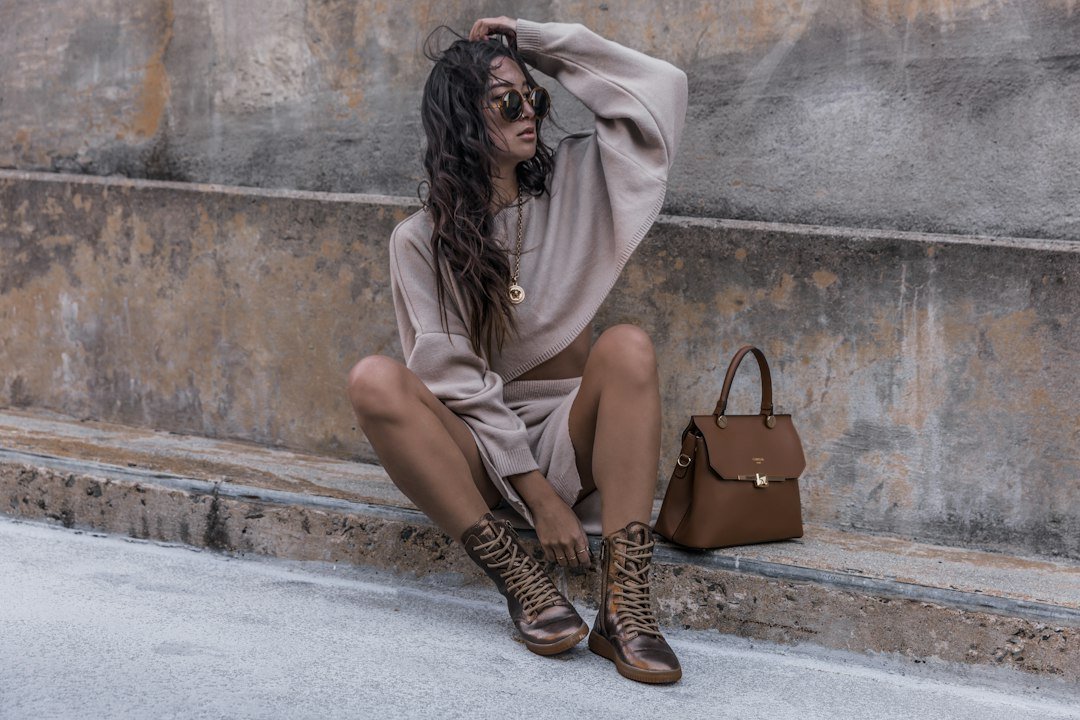
3. Cream sweatshirt and a brown casual skirt
Outfit formula: A soft sweatshirt over a brown skirt can create a relaxed silhouette. Consider skirt length, footwear and local temperature. This option should feel wearable throughout your actual day, not only in a photograph. Consider the way the top falls over your trousers, the shoes you plan to wear and the amount of time spent indoors versus outdoors. Begin by recreating the overall shape with pieces you already own; you may find that nothing new is necessary.
Fit and movement: Pay attention to the footwear and trouser hems as well as the upper half. A cropped-looking top, long oversized tee and regular polo create very different proportions. None is automatically better; practical comfort and your setting should guide the final choice. To test this combination properly, sit, walk and reach for everyday items. Comfortable movement is more important than following a fixed rule about which bodies should wear a particular silhouette.
Colour and visual balance: Consider whether you want a structured impression or relaxed streetwear. A polo with chinos feels different from a hoodie with cargos, even in the same shades. The right choice depends on the activity, personal comfort and any applicable dress code. If the first pairing feels too busy, change one element — for example, use plain trousers rather than detailed cargos. A practical wardrobe supports small adjustments instead of an entirely new outfit every time.
Shopping and care: Check the actual fabric composition, care instructions, current size availability and price before buying. Marketing descriptions alone do not establish warmth or durability. In cold or wet weather, use outer clothing appropriate to the real conditions. Check whether the piece can be worn in at least one additional setting so it earns its place in your wardrobe.
Alternative styling: Keep the main garment and replace only one secondary item. Straight jeans may work instead of wide-leg trousers, an open shirt instead of a hoodie, or a darker shade instead of a pale one. Consider the venue’s expectations and the local forecast. A stylish image is not a substitute for suitable cold-weather protection. Take useful measurements before buying, rather than relying on a general size recommendation.
4. Brown open shirt over a plain white tee
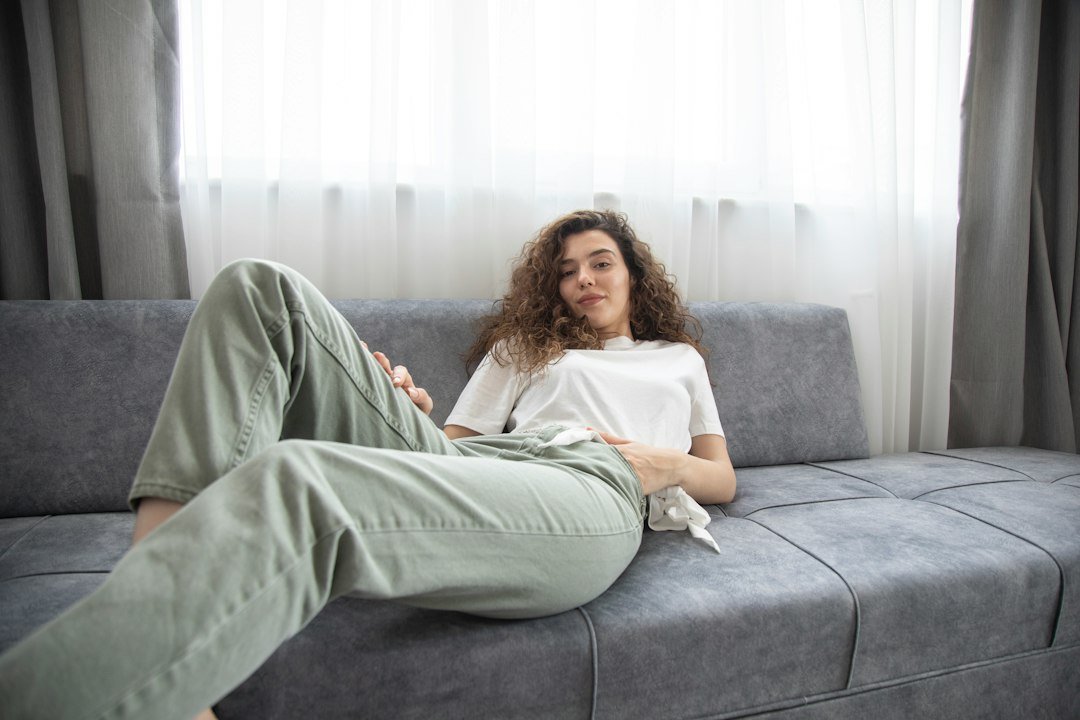
Outfit formula: An open overshirt frames a white base and can be removed indoors. Choose enough sleeve room to keep the layering comfortable. This option should feel wearable throughout your actual day, not only in a photograph. Consider the way the top falls over your trousers, the shoes you plan to wear and the amount of time spent indoors versus outdoors. Begin by recreating the overall shape with pieces you already own; you may find that nothing new is necessary.
Fit and movement: Layering works when the base garment is comfortable on its own. An outfit should still feel complete after a jacket or hoodie is removed indoors. Check necklines, sleeve bunching and how the garment moves under a bag strap. To test this combination properly, sit, walk and reach for everyday items. Comfortable movement is more important than following a fixed rule about which bodies should wear a particular silhouette.
Colour and visual balance: Choose one garment as the focal point and keep the other items relatively quiet. A plain tee allows interesting trousers or a textured jacket to stand out, while a graphic top is often easiest alongside neutral denim. Personal taste matters more than strict colour rules. If the first pairing feels too busy, change one element — for example, use plain trousers rather than detailed cargos. A practical wardrobe supports small adjustments instead of an entirely new outfit every time.
Shopping and care: Try the same top with at least two bottoms you already own. If the garment works only after buying several other pieces, a more versatile colour or cut may serve you better. Outfit planning is about repeated use rather than constant replacement. Check whether the piece can be worn in at least one additional setting so it earns its place in your wardrobe.
Alternative styling: Keep the main garment and replace only one secondary item. Straight jeans may work instead of wide-leg trousers, an open shirt instead of a hoodie, or a darker shade instead of a pale one. Consider the venue’s expectations and the local forecast. A stylish image is not a substitute for suitable cold-weather protection. Take useful measurements before buying, rather than relying on a general size recommendation.
5. Brown tee with a cream crossbody bag
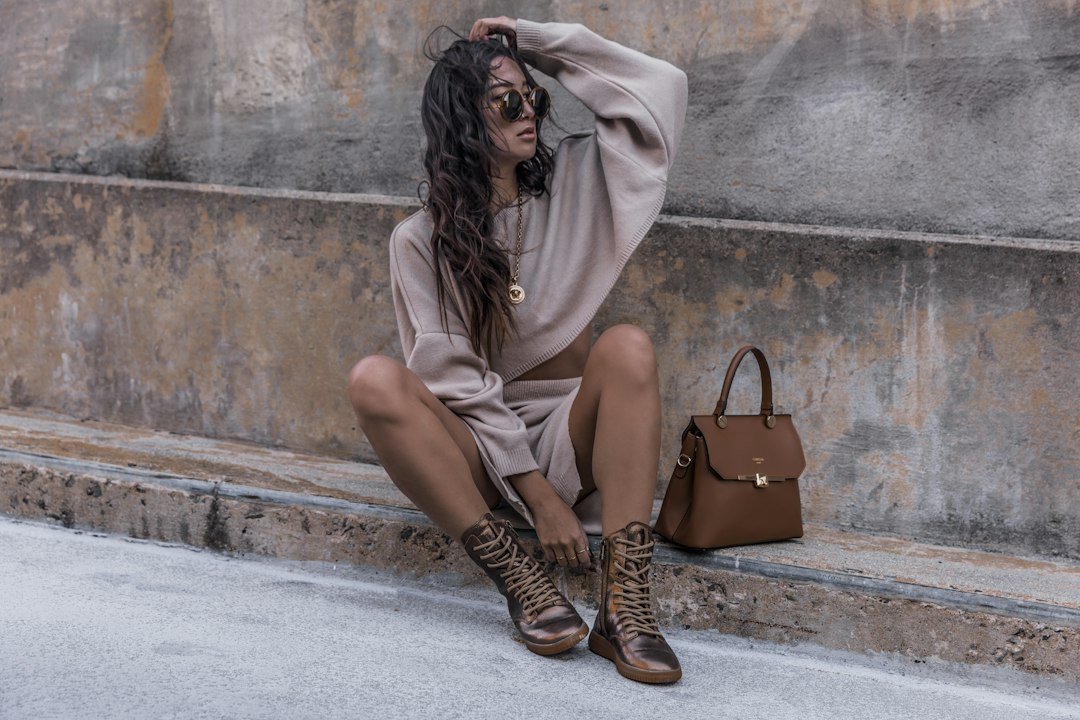
Outfit formula: If you prefer blue jeans, a cream bag can carry the palette without needing matching trousers. Choose a secure bag for your essentials. This option should feel wearable throughout your actual day, not only in a photograph. Consider the way the top falls over your trousers, the shoes you plan to wear and the amount of time spent indoors versus outdoors. Begin by recreating the overall shape with pieces you already own; you may find that nothing new is necessary.
Fit and movement: Fit can change with different fabrics and designs even within one brand. Instead of automatically sizing up for a baggy look, compare exact garment measurements and photographs from multiple angles when available. To test this combination properly, sit, walk and reach for everyday items. Comfortable movement is more important than following a fixed rule about which bodies should wear a particular silhouette.
Colour and visual balance: Neutrals such as black, navy, cream, beige, grey and olive can combine in many ways. The point is not to own every neutral but to choose shades already present in your wardrobe. Different lighting and screens can change colour appearance. If the first pairing feels too busy, change one element — for example, use plain trousers rather than detailed cargos. A practical wardrobe supports small adjustments instead of an entirely new outfit every time.
Shopping and care: Editorial images can illustrate a garment or colour without showing a complete purchasable outfit. Confirm live stock, product dimensions and materials. Read delivery and return policies when ordering for a dated event or journey. Check whether the piece can be worn in at least one additional setting so it earns its place in your wardrobe.
Alternative styling: Keep the main garment and replace only one secondary item. Straight jeans may work instead of wide-leg trousers, an open shirt instead of a hoodie, or a darker shade instead of a pale one. Consider the venue’s expectations and the local forecast. A stylish image is not a substitute for suitable cold-weather protection. Take useful measurements before buying, rather than relying on a general size recommendation.
6. Chocolate polo and light chinos

Outfit formula: A collar and clean casual trousers create a slightly more polished version for lunch or work-casual dress codes. This option should feel wearable throughout your actual day, not only in a photograph. Consider the way the top falls over your trousers, the shoes you plan to wear and the amount of time spent indoors versus outdoors. Begin by recreating the overall shape with pieces you already own; you may find that nothing new is necessary.
Fit and movement: A good outfit begins with measurements. Compare chest width, shoulder placement and body length with a top you already own. On trousers, waistband, rise and inseam affect sitting and walking. The terms regular, oversized and relaxed are design descriptions, not universal numbers. To test this combination properly, sit, walk and reach for everyday items. Comfortable movement is more important than following a fixed rule about which bodies should wear a particular silhouette.
Colour and visual balance: A slightly different shade from your reference photo can still work. Aim for a similar contrast between light and dark pieces, or select two related warm or cool tones. Complete visual matching is rarely necessary for everyday outfits. If the first pairing feels too busy, change one element — for example, use plain trousers rather than detailed cargos. A practical wardrobe supports small adjustments instead of an entirely new outfit every time.
Shopping and care: Consider laundering and upkeep. Different prints, fabric blends and finishes may require separate methods, so follow each garment’s label. A piece that is difficult to care for may offer less value than a simple top you wear frequently. Check whether the piece can be worn in at least one additional setting so it earns its place in your wardrobe.
Alternative styling: Keep the main garment and replace only one secondary item. Straight jeans may work instead of wide-leg trousers, an open shirt instead of a hoodie, or a darker shade instead of a pale one. Consider the venue’s expectations and the local forecast. A stylish image is not a substitute for suitable cold-weather protection. Take useful measurements before buying, rather than relying on a general size recommendation.
7. Deep brown top with blue denim
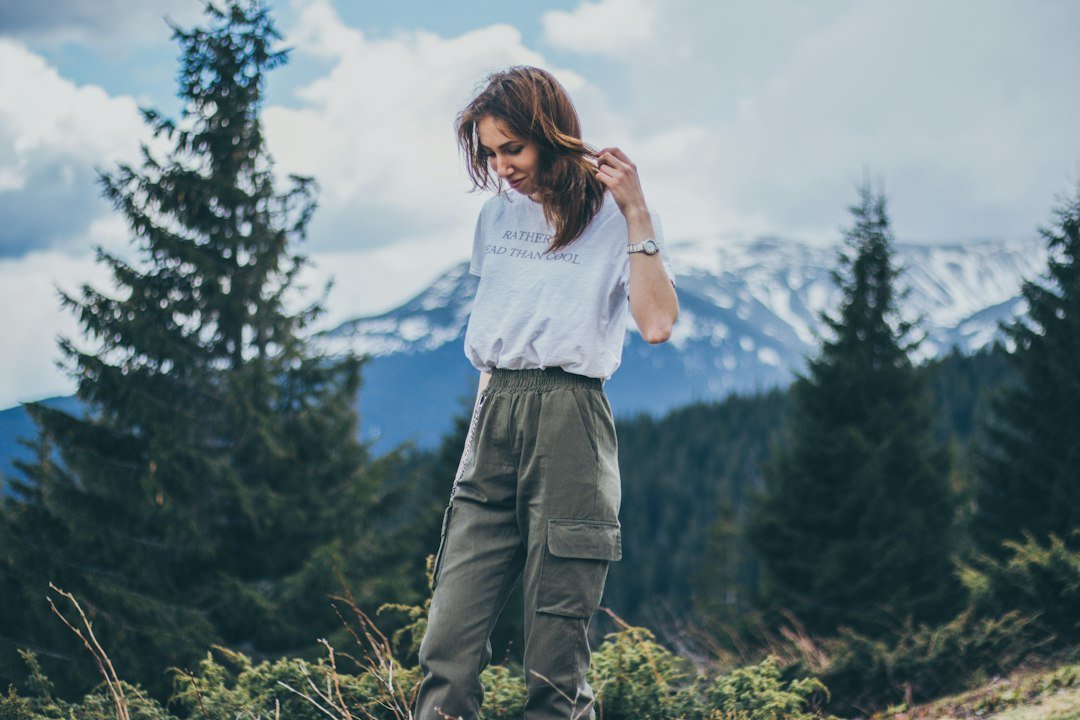
Outfit formula: Denim gives a third familiar neutral, letting the brown remain the focal colour. A cream outer layer can connect the palette. This option should feel wearable throughout your actual day, not only in a photograph. Consider the way the top falls over your trousers, the shoes you plan to wear and the amount of time spent indoors versus outdoors. Begin by recreating the overall shape with pieces you already own; you may find that nothing new is necessary.
Fit and movement: Look at the way the outer layer sits across the upper arms and collar. A hoodie that fits by itself can feel bulky under a narrow jacket. Choose the silhouette you enjoy and test normal movement rather than selecting a size solely to imitate a photograph. To test this combination properly, sit, walk and reach for everyday items. Comfortable movement is more important than following a fixed rule about which bodies should wear a particular silhouette.
Colour and visual balance: If you prefer statement colours, start with a single brighter top and pair it with familiar trousers and shoes. A muted base makes the colour easy to wear again. If the top has a print, an accessory can echo one of its smaller colours. If the first pairing feels too busy, change one element — for example, use plain trousers rather than detailed cargos. A practical wardrobe supports small adjustments instead of an entirely new outfit every time.
Shopping and care: A style idea should not interfere with routine movement. Choose comfortable shoes and accessible pockets or a practical bag. For road trips, clothing must not interfere with safe driving, seat belts or walking at stops. Check whether the piece can be worn in at least one additional setting so it earns its place in your wardrobe.
Alternative styling: Keep the main garment and replace only one secondary item. Straight jeans may work instead of wide-leg trousers, an open shirt instead of a hoodie, or a darker shade instead of a pale one. Consider the venue’s expectations and the local forecast. A stylish image is not a substitute for suitable cold-weather protection. Take useful measurements before buying, rather than relying on a general size recommendation.
8. Off-white base under a dark brown jacket
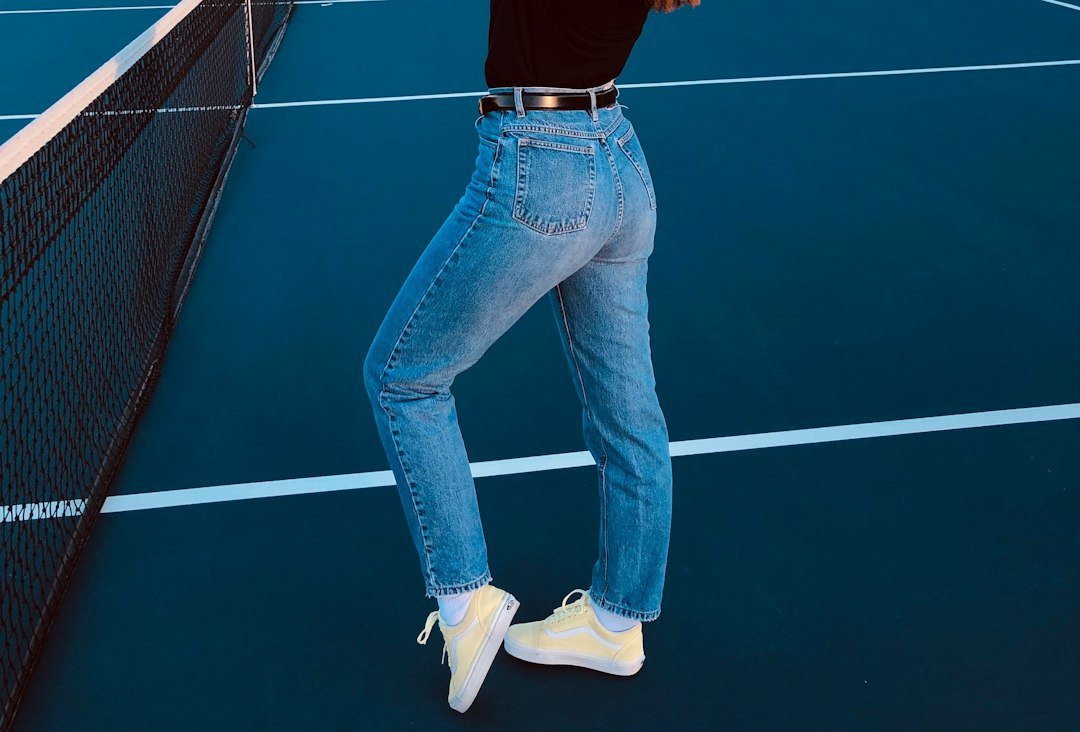
Outfit formula: A light base makes a dark jacket look less heavy. Check that the jacket fits over your selected shirt. This option should feel wearable throughout your actual day, not only in a photograph. Consider the way the top falls over your trousers, the shoes you plan to wear and the amount of time spent indoors versus outdoors. Begin by recreating the overall shape with pieces you already own; you may find that nothing new is necessary.
Fit and movement: Pay attention to the footwear and trouser hems as well as the upper half. A cropped-looking top, long oversized tee and regular polo create very different proportions. None is automatically better; practical comfort and your setting should guide the final choice. To test this combination properly, sit, walk and reach for everyday items. Comfortable movement is more important than following a fixed rule about which bodies should wear a particular silhouette.
Colour and visual balance: Consider whether you want a structured impression or relaxed streetwear. A polo with chinos feels different from a hoodie with cargos, even in the same shades. The right choice depends on the activity, personal comfort and any applicable dress code. If the first pairing feels too busy, change one element — for example, use plain trousers rather than detailed cargos. A practical wardrobe supports small adjustments instead of an entirely new outfit every time.
Shopping and care: Check the actual fabric composition, care instructions, current size availability and price before buying. Marketing descriptions alone do not establish warmth or durability. In cold or wet weather, use outer clothing appropriate to the real conditions. Check whether the piece can be worn in at least one additional setting so it earns its place in your wardrobe.
Alternative styling: Keep the main garment and replace only one secondary item. Straight jeans may work instead of wide-leg trousers, an open shirt instead of a hoodie, or a darker shade instead of a pale one. Consider the venue’s expectations and the local forecast. A stylish image is not a substitute for suitable cold-weather protection. Take useful measurements before buying, rather than relying on a general size recommendation.
9. Tonal beige with one chocolate accent
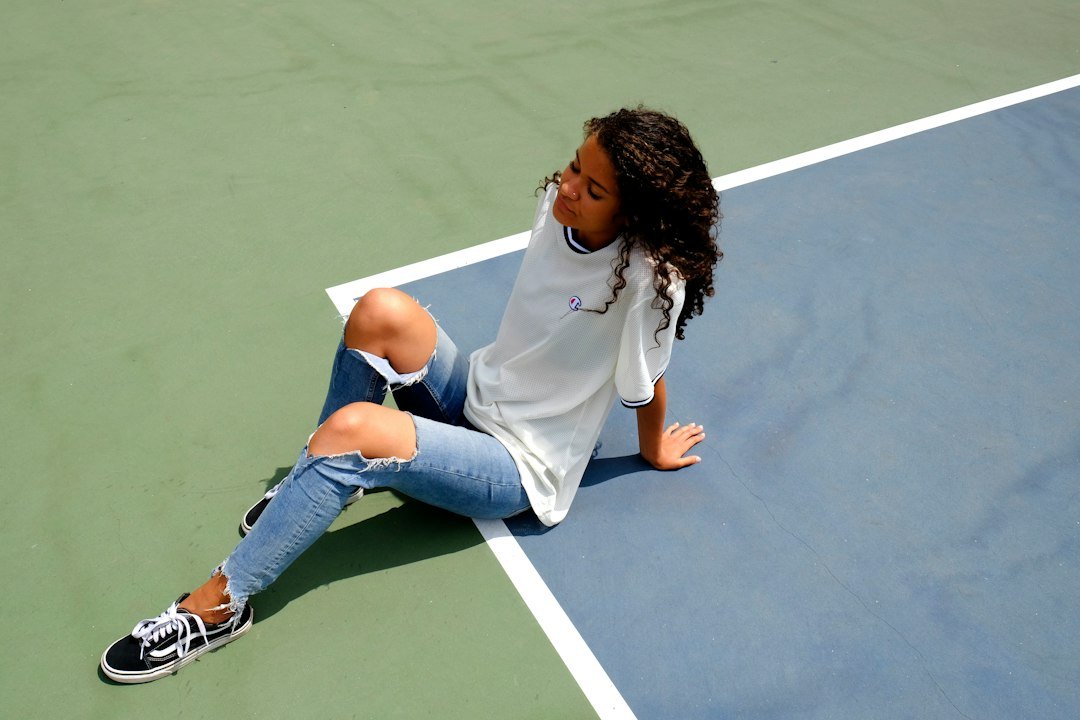
Outfit formula: Use cream and beige garments with a deeper brown layer or accessory. The colours may differ slightly and still feel coherent. This option should feel wearable throughout your actual day, not only in a photograph. Consider the way the top falls over your trousers, the shoes you plan to wear and the amount of time spent indoors versus outdoors. Begin by recreating the overall shape with pieces you already own; you may find that nothing new is necessary.
Fit and movement: Layering works when the base garment is comfortable on its own. An outfit should still feel complete after a jacket or hoodie is removed indoors. Check necklines, sleeve bunching and how the garment moves under a bag strap. To test this combination properly, sit, walk and reach for everyday items. Comfortable movement is more important than following a fixed rule about which bodies should wear a particular silhouette.
Colour and visual balance: Choose one garment as the focal point and keep the other items relatively quiet. A plain tee allows interesting trousers or a textured jacket to stand out, while a graphic top is often easiest alongside neutral denim. Personal taste matters more than strict colour rules. If the first pairing feels too busy, change one element — for example, use plain trousers rather than detailed cargos. A practical wardrobe supports small adjustments instead of an entirely new outfit every time.
Shopping and care: Try the same top with at least two bottoms you already own. If the garment works only after buying several other pieces, a more versatile colour or cut may serve you better. Outfit planning is about repeated use rather than constant replacement. Check whether the piece can be worn in at least one additional setting so it earns its place in your wardrobe.
Alternative styling: Keep the main garment and replace only one secondary item. Straight jeans may work instead of wide-leg trousers, an open shirt instead of a hoodie, or a darker shade instead of a pale one. Consider the venue’s expectations and the local forecast. A stylish image is not a substitute for suitable cold-weather protection. Take useful measurements before buying, rather than relying on a general size recommendation.
10. Four-piece brown and cream mini wardrobe
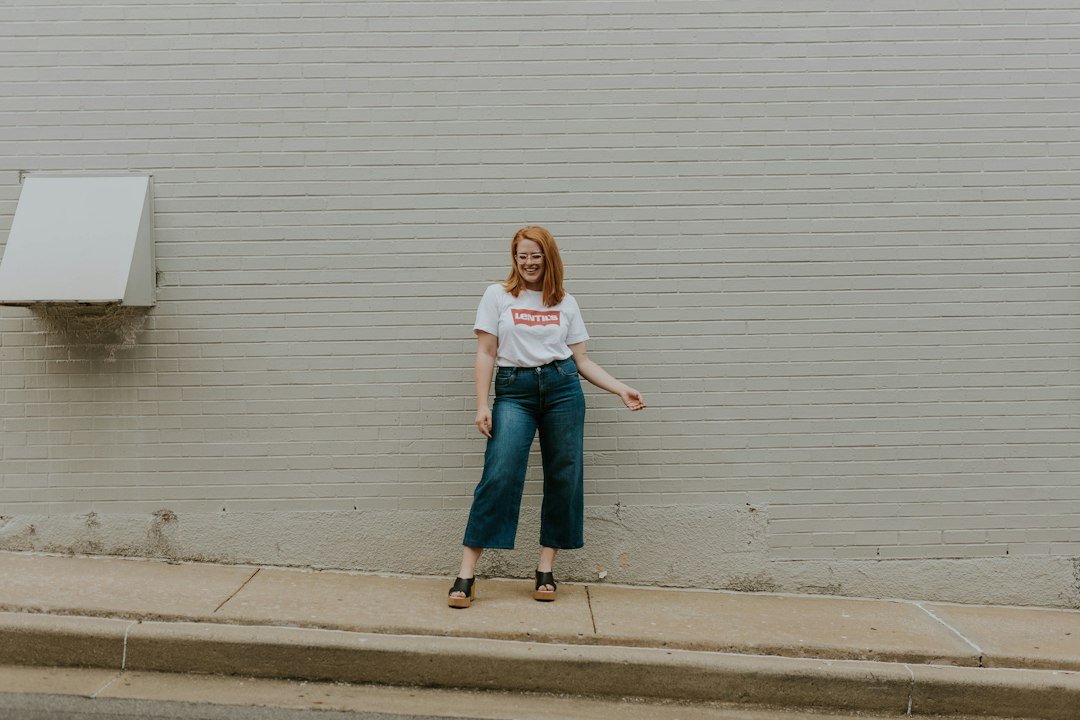
Outfit formula: Two tops and two bottoms can already create multiple outfits. Identify what you own before looking for a matching set. This option should feel wearable throughout your actual day, not only in a photograph. Consider the way the top falls over your trousers, the shoes you plan to wear and the amount of time spent indoors versus outdoors. Begin by recreating the overall shape with pieces you already own; you may find that nothing new is necessary.
Fit and movement: Fit can change with different fabrics and designs even within one brand. Instead of automatically sizing up for a baggy look, compare exact garment measurements and photographs from multiple angles when available. To test this combination properly, sit, walk and reach for everyday items. Comfortable movement is more important than following a fixed rule about which bodies should wear a particular silhouette.
Colour and visual balance: Neutrals such as black, navy, cream, beige, grey and olive can combine in many ways. The point is not to own every neutral but to choose shades already present in your wardrobe. Different lighting and screens can change colour appearance. If the first pairing feels too busy, change one element — for example, use plain trousers rather than detailed cargos. A practical wardrobe supports small adjustments instead of an entirely new outfit every time.
Shopping and care: Editorial images can illustrate a garment or colour without showing a complete purchasable outfit. Confirm live stock, product dimensions and materials. Read delivery and return policies when ordering for a dated event or journey. Check whether the piece can be worn in at least one additional setting so it earns its place in your wardrobe.
Alternative styling: Keep the main garment and replace only one secondary item. Straight jeans may work instead of wide-leg trousers, an open shirt instead of a hoodie, or a darker shade instead of a pale one. Consider the venue’s expectations and the local forecast. A stylish image is not a substitute for suitable cold-weather protection. Take useful measurements before buying, rather than relying on a general size recommendation.
Shopping checklist for chocolate brown cream outfits women

Look at your current wardrobe first. Find the top that fits best, the bottoms you reach for most often and the removable layer that works with them. Decide whether a new purchase is replacing a worn piece, adding a useful colour or solving a fit problem. If the proposed garment requires several extra purchases, test a simpler alternative. Buying useful combinations is more practical than buying a complete outfit only to recreate a photograph.
Use garment measurements. For a polo, T-shirt or hoodie, compare chest width, shoulder cut, sleeves and body length with a similar item you own. For trousers, waist, rise and inseam all matter. The same size letter can indicate different dimensions across products. Try the complete look seated as well as standing; a comfortable photograph pose is not enough to determine fit.
Material and weather considerations require evidence. GSM means grams per square metre and describes fabric weight, not a guaranteed insulation temperature. Fibre composition, construction, lining and wind exposure affect comfort. A casual hoodie cannot automatically substitute for a purpose-made outer layer during colder road trips or winter evenings. Check the local conditions where you will actually wear the outfit.
Consider whether you can maintain the garment. Printed decoration, different fibres and brushed finishes can call for specific washing and drying care. Follow the individual label and avoid assuming all similar-looking tops require the same treatment. If you plan to wear the garment often, care instructions matter as much as the colour in an editorial picture.
Finally, verify the live product listing: size availability, material description, current price and delivery options. Read applicable exchange or return conditions. Styling reference images do not guarantee every item pictured is sold by Namakool, and they do not make a claim about weather protection. Select purchases that remain useful with clothes you already own.
Frequently asked questions about chocolate brown cream outfits women

How do I start this outfit?
Pick a top you own, match a comfortable bottom and add a removable layer when the setting or forecast calls for it.
Which fit is best?
Compare measurements with a garment you already wear comfortably. Regular and oversized cuts are personal preferences.
How can I save money on styling?
Reuse existing trousers and shoes. Change only one item at a time rather than buying a whole new outfit.
Which colours are practical?
Black, grey, navy, cream, brown and olive work with many wardrobes, but use colours you genuinely like.
Is a hoodie enough for winter travel?
Not always. Match insulation and protection to the actual temperature, wind and precipitation.
Do all images show items currently on sale?
No. Some images illustrate a garment or styling direction; current inventory and details appear on product pages.
How do I choose the right size?
Compare product measurements with an item you already own, paying attention to shoulder, chest and length.
What is the best care routine?
Follow the exact garment’s washing and drying label rather than treating every casual top alike.
Explore Namakool basics, more current clothing options and a related styling guide. See this independent layering explainer for general background. Clothing specifications must be checked on each live product page.