Updated October 2026 · Casual fashion and winter layering for India
Women’s winter streetwear outfits in India can be comfortable and easy to repeat without an entirely new wardrobe. Women’s winter streetwear in India works best when outfit inspiration meets real-life layers, weather and movement. A relaxed hoodie with denim or a sweatshirt with joggers is visually simple, but a chilly Punjab evening, a mild Bengaluru afternoon and a hill-station visit have very different clothing needs. These ten ideas are intended for casual settings where hoodies, tees and denim are appropriate.
Quick answer: Build around versatile hoodies, practical shoes and trousers you can already wear, then add suitable insulation and an outer shell if the actual forecast requires them. Start with a base that fits comfortably, then select the outer garment around the shoulder, sleeve and neckline room you need. These are outfit recommendations, not promises of insulation, water resistance or specific products being in stock.
Women’s winter streetwear outfits in India: grey hoodie and jeans

Outfit idea. Grey and blue denim form a calm base for winter streetwear without needing prints or dramatic accessories. Think about the first detail that should catch the eye: contrast between light and dark, a loose silhouette or a straightforward layered neckline. The most satisfying casual outfits often use just one clear focal element. Check the proportions from the front and side while standing and sitting, because fabric can behave differently from a static product photograph.
How to wear it. Try relaxed jeans and sneakers suitable for campus walks; carry a weather-appropriate outer jacket if evenings become colder. Your usual shoes, jeans and bag are worth trying before purchasing a matching accessory. If a combination feels too loose, change only one cut; if it feels too dark, try a lighter base layer. The goal is to develop outfits that remain comfortable through ordinary movement, commuting, classes or informal time with friends.
Before purchasing. Compare hoodie length and shoulder ease with a familiar garment and inspect the jeans hem while walking. Compare the product’s actual chest width, length and other measurements with a garment you own and like. Pictures cannot prove opacity, exact colour, weight, lining or durability. When the product description leaves out a specification you care about, ask before buying rather than assuming every item in the same category is identical.
One mistake to avoid. A fashion sweatshirt cannot be assumed windproof from its appearance. There is also no need to follow every styling rule found in a trend video. Personal comfort and suitable clothing for your conditions matter much more. For colder weather, a layering system may include a functional base, insulating middle and protective outer layer; casual T-shirt and hoodie combinations are not always an equivalent substitute.
Black hoodie and faded denim for an easy evening outfit

Outfit idea. Black and faded blue offer reliable contrast while keeping the palette simple enough to repeat. Think about the first detail that should catch the eye: contrast between light and dark, a loose silhouette or a straightforward layered neckline. The most satisfying casual outfits often use just one clear focal element. Check the proportions from the front and side while standing and sitting, because fabric can behave differently from a static product photograph.
How to wear it. Choose a boxy but comfortable top, straight jeans and a small crossbody for personal essentials. Your usual shoes, jeans and bag are worth trying before purchasing a matching accessory. If a combination feels too loose, change only one cut; if it feels too dark, try a lighter base layer. The goal is to develop outfits that remain comfortable through ordinary movement, commuting, classes or informal time with friends.
Before purchasing. Review the neck opening, hood bulk and sleeve cuffs before ordering; the wrong fit can feel restrictive. Compare the product’s actual chest width, length and other measurements with a garment you own and like. Pictures cannot prove opacity, exact colour, weight, lining or durability. When the product description leaves out a specification you care about, ask before buying rather than assuming every item in the same category is identical.
One mistake to avoid. Do not force a very heavy upper layer into a mild indoor venue just for the photograph. There is also no need to follow every styling rule found in a trend video. Personal comfort and suitable clothing for your conditions matter much more. For colder weather, a layering system may include a functional base, insulating middle and protective outer layer; casual T-shirt and hoodie combinations are not always an equivalent substitute.
Baby-blue hoodie with charcoal trousers

Outfit idea. A soft blue top brings colour into a winter wardrobe that might otherwise rely only on black and grey. Think about the first detail that should catch the eye: contrast between light and dark, a loose silhouette or a straightforward layered neckline. The most satisfying casual outfits often use just one clear focal element. Check the proportions from the front and side while standing and sitting, because fabric can behave differently from a static product photograph.
How to wear it. Wear charcoal or black straight trousers and neutral trainers, with a cream T-shirt as a removable base if desired. Your usual shoes, jeans and bag are worth trying before purchasing a matching accessory. If a combination feels too loose, change only one cut; if it feels too dark, try a lighter base layer. The goal is to develop outfits that remain comfortable through ordinary movement, commuting, classes or informal time with friends.
Before purchasing. Product descriptions calling a garment baby blue do not necessarily mean the shade matches every ice-blue inspiration picture. Compare the product’s actual chest width, length and other measurements with a garment you own and like. Pictures cannot prove opacity, exact colour, weight, lining or durability. When the product description leaves out a specification you care about, ask before buying rather than assuming every item in the same category is identical.
One mistake to avoid. Do not purchase a complete new outfit simply to colour-match a trending shade. There is also no need to follow every styling rule found in a trend video. Personal comfort and suitable clothing for your conditions matter much more. For colder weather, a layering system may include a functional base, insulating middle and protective outer layer; casual T-shirt and hoodie combinations are not always an equivalent substitute.
Olive hoodie and relaxed cargo pants

Outfit idea. Olive green lends an earthy note; visible cargo pockets can create a utility-influenced look. Think about the first detail that should catch the eye: contrast between light and dark, a loose silhouette or a straightforward layered neckline. The most satisfying casual outfits often use just one clear focal element. Check the proportions from the front and side while standing and sitting, because fabric can behave differently from a static product photograph.
How to wear it. Pair the hoodie with dark cargos and a practical backpack or crossbody. Keep the shoes simple. Your usual shoes, jeans and bag are worth trying before purchasing a matching accessory. If a combination feels too loose, change only one cut; if it feels too dark, try a lighter base layer. The goal is to develop outfits that remain comfortable through ordinary movement, commuting, classes or informal time with friends.
Before purchasing. Check whether the cargo leg opening catches under your shoes, and confirm pocket construction before buying. Compare the product’s actual chest width, length and other measurements with a garment you own and like. Pictures cannot prove opacity, exact colour, weight, lining or durability. When the product description leaves out a specification you care about, ask before buying rather than assuming every item in the same category is identical.
One mistake to avoid. Utility details are not evidence that the outfit protects from wet or windy winter weather. There is also no need to follow every styling rule found in a trend video. Personal comfort and suitable clothing for your conditions matter much more. For colder weather, a layering system may include a functional base, insulating middle and protective outer layer; casual T-shirt and hoodie combinations are not always an equivalent substitute.
Crewneck sweatshirt with light-wash denim
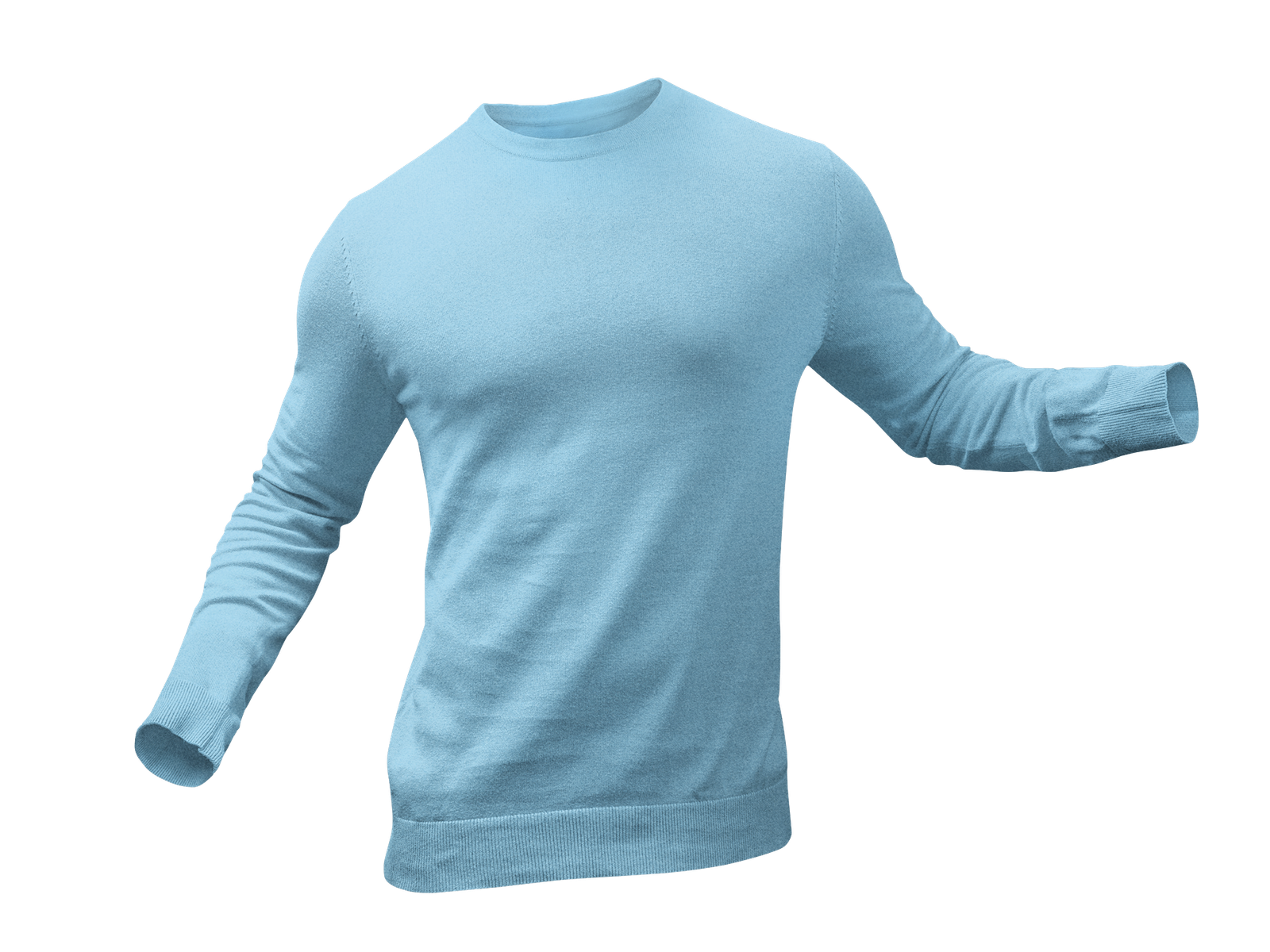
Outfit idea. A crewneck is a clean alternative when you prefer a hood-free neckline under a jacket. Think about the first detail that should catch the eye: contrast between light and dark, a loose silhouette or a straightforward layered neckline. The most satisfying casual outfits often use just one clear focal element. Check the proportions from the front and side while standing and sitting, because fabric can behave differently from a static product photograph.
How to wear it. Try a sweatshirt in neutral grey or another familiar colour, light-wash jeans and understated sneakers. Your usual shoes, jeans and bag are worth trying before purchasing a matching accessory. If a combination feels too loose, change only one cut; if it feels too dark, try a lighter base layer. The goal is to develop outfits that remain comfortable through ordinary movement, commuting, classes or informal time with friends.
Before purchasing. Different sweatshirts have different knit and lining details; read the fabric composition rather than relying on a broad style name. Compare the product’s actual chest width, length and other measurements with a garment you own and like. Pictures cannot prove opacity, exact colour, weight, lining or durability. When the product description leaves out a specification you care about, ask before buying rather than assuming every item in the same category is identical.
One mistake to avoid. A sweatshirt alone may be insufficient for very cold outdoor conditions. There is also no need to follow every styling rule found in a trend video. Personal comfort and suitable clothing for your conditions matter much more. For colder weather, a layering system may include a functional base, insulating middle and protective outer layer; casual T-shirt and hoodie combinations are not always an equivalent substitute.
T-shirt and denim jacket for mild winter afternoons

Outfit idea. A denim jacket over a comfortable tee gives structure without creating an extremely bulky outfit. Think about the first detail that should catch the eye: contrast between light and dark, a loose silhouette or a straightforward layered neckline. The most satisfying casual outfits often use just one clear focal element. Check the proportions from the front and side while standing and sitting, because fabric can behave differently from a static product photograph.
How to wear it. Use a black or white base T-shirt, an open blue denim jacket and jeans or relaxed trousers. Your usual shoes, jeans and bag are worth trying before purchasing a matching accessory. If a combination feels too loose, change only one cut; if it feels too dark, try a lighter base layer. The goal is to develop outfits that remain comfortable through ordinary movement, commuting, classes or informal time with friends.
Before purchasing. Check jacket armholes and sleeve room, especially if layering a slightly oversized T-shirt. Compare the product’s actual chest width, length and other measurements with a garment you own and like. Pictures cannot prove opacity, exact colour, weight, lining or durability. When the product description leaves out a specification you care about, ask before buying rather than assuming every item in the same category is identical.
One mistake to avoid. Denim is not automatically a technical weather-protection shell. There is also no need to follow every styling rule found in a trend video. Personal comfort and suitable clothing for your conditions matter much more. For colder weather, a layering system may include a functional base, insulating middle and protective outer layer; casual T-shirt and hoodie combinations are not always an equivalent substitute.
Relaxed joggers with a casual winter top
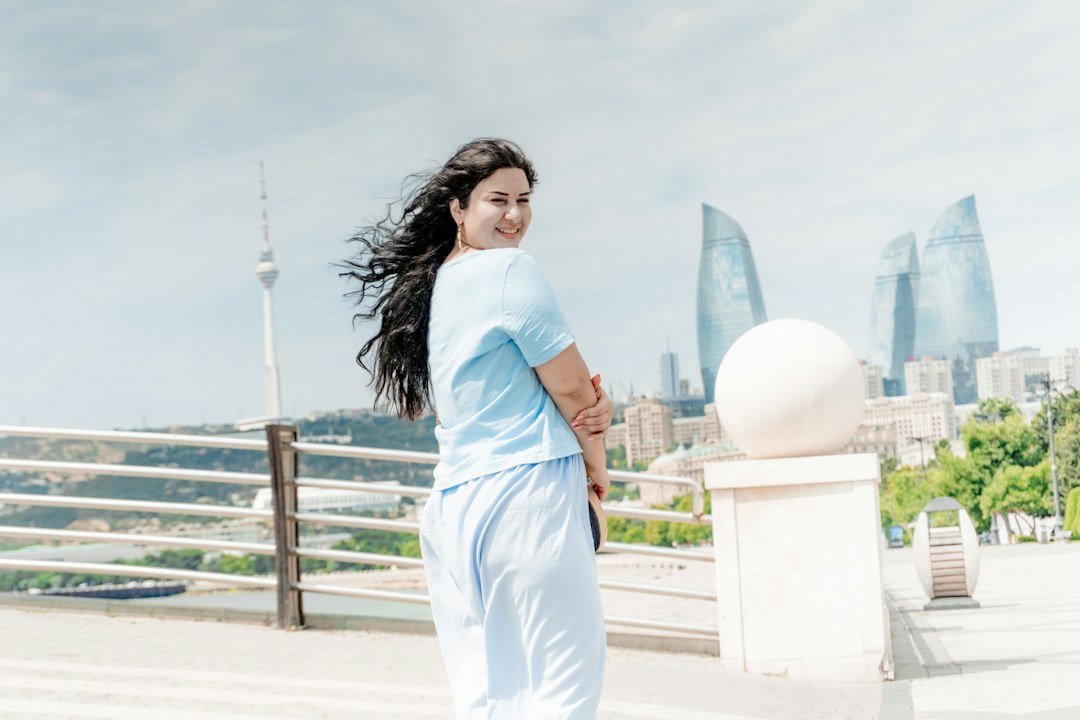
Outfit idea. Joggers can work for travel, errands and relaxed campus days when the venue permits sporty clothes. Think about the first detail that should catch the eye: contrast between light and dark, a loose silhouette or a straightforward layered neckline. The most satisfying casual outfits often use just one clear focal element. Check the proportions from the front and side while standing and sitting, because fabric can behave differently from a static product photograph.
How to wear it. Use a soft sweatshirt or hoodie with simple trainers and keep valuables in a practical bag. Your usual shoes, jeans and bag are worth trying before purchasing a matching accessory. If a combination feels too loose, change only one cut; if it feels too dark, try a lighter base layer. The goal is to develop outfits that remain comfortable through ordinary movement, commuting, classes or informal time with friends.
Before purchasing. Check waistband comfort and how the jogger cuffs sit after long periods of sitting. Compare the product’s actual chest width, length and other measurements with a garment you own and like. Pictures cannot prove opacity, exact colour, weight, lining or durability. When the product description leaves out a specification you care about, ask before buying rather than assuming every item in the same category is identical.
One mistake to avoid. Not all joggers contain fleece or provide reliable insulation. There is also no need to follow every styling rule found in a trend video. Personal comfort and suitable clothing for your conditions matter much more. For colder weather, a layering system may include a functional base, insulating middle and protective outer layer; casual T-shirt and hoodie combinations are not always an equivalent substitute.
Monochrome streetwear with a dark upper layer
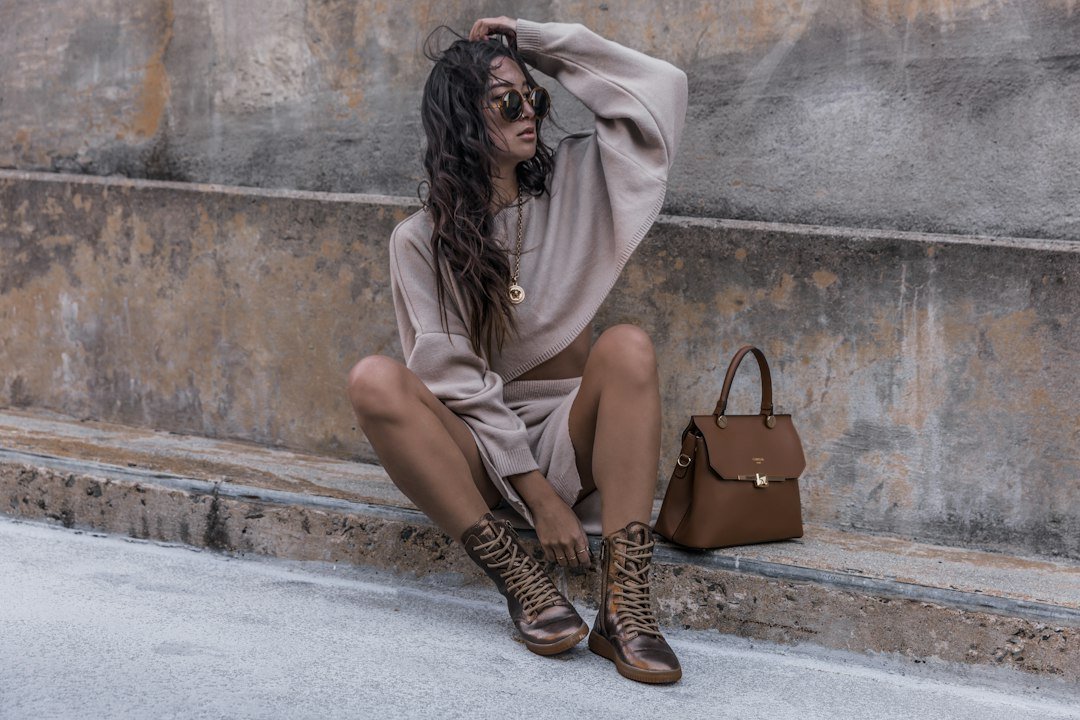
Outfit idea. Black, charcoal and grey pieces can look coherent when their fabric textures and shades differ slightly. Think about the first detail that should catch the eye: contrast between light and dark, a loose silhouette or a straightforward layered neckline. The most satisfying casual outfits often use just one clear focal element. Check the proportions from the front and side while standing and sitting, because fabric can behave differently from a static product photograph.
How to wear it. Combine a dark hoodie with similarly toned trousers and break up the look with clean shoes if preferred. Your usual shoes, jeans and bag are worth trying before purchasing a matching accessory. If a combination feels too loose, change only one cut; if it feels too dark, try a lighter base layer. The goal is to develop outfits that remain comfortable through ordinary movement, commuting, classes or informal time with friends.
Before purchasing. Check the actual shade and length of every garment; dark photographs can conceal details. Compare the product’s actual chest width, length and other measurements with a garment you own and like. Pictures cannot prove opacity, exact colour, weight, lining or durability. When the product description leaves out a specification you care about, ask before buying rather than assuming every item in the same category is identical.
One mistake to avoid. Do not assume monochrome is universally formal or appropriate for every event. There is also no need to follow every styling rule found in a trend video. Personal comfort and suitable clothing for your conditions matter much more. For colder weather, a layering system may include a functional base, insulating middle and protective outer layer; casual T-shirt and hoodie combinations are not always an equivalent substitute.
Oversized T-shirt beneath a winter layer
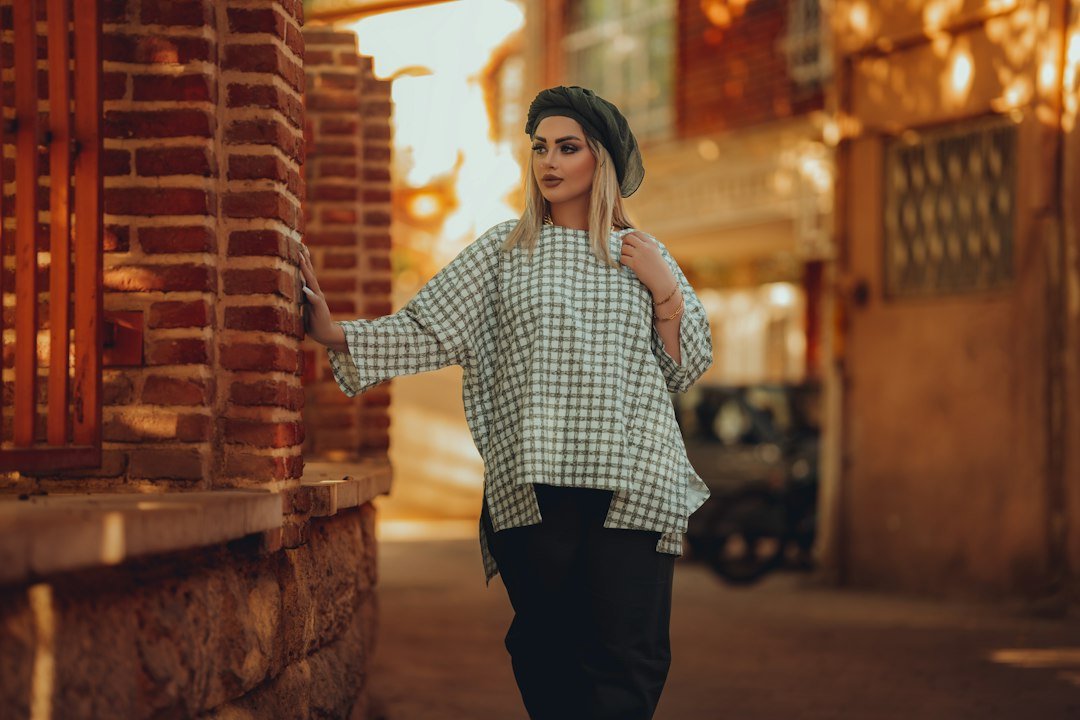
Outfit idea. A familiar oversized tee can serve as a casual base when there is enough room beneath the outer shirt or hoodie. Think about the first detail that should catch the eye: contrast between light and dark, a loose silhouette or a straightforward layered neckline. The most satisfying casual outfits often use just one clear focal element. Check the proportions from the front and side while standing and sitting, because fabric can behave differently from a static product photograph.
How to wear it. Choose a plain top with straight denim, and add a removable overshirt on milder days or a warmer layer when required. Your usual shoes, jeans and bag are worth trying before purchasing a matching accessory. If a combination feels too loose, change only one cut; if it feels too dark, try a lighter base layer. The goal is to develop outfits that remain comfortable through ordinary movement, commuting, classes or informal time with friends.
Before purchasing. An oversized T-shirt is not automatically a technical moisture-management base layer for demanding outdoor activities. Compare the product’s actual chest width, length and other measurements with a garment you own and like. Pictures cannot prove opacity, exact colour, weight, lining or durability. When the product description leaves out a specification you care about, ask before buying rather than assuming every item in the same category is identical.
One mistake to avoid. Avoid letting shirt and jacket sleeves bunch to the point that movement becomes uncomfortable. There is also no need to follow every styling rule found in a trend video. Personal comfort and suitable clothing for your conditions matter much more. For colder weather, a layering system may include a functional base, insulating middle and protective outer layer; casual T-shirt and hoodie combinations are not always an equivalent substitute.
Capsule winter streetwear for a full week

Outfit idea. Repeating a neutral hoodie, one sweatshirt and two useful bottoms can deliver several comfortable outfits without buying seven complete looks. Think about the first detail that should catch the eye: contrast between light and dark, a loose silhouette or a straightforward layered neckline. The most satisfying casual outfits often use just one clear focal element. Check the proportions from the front and side while standing and sitting, because fabric can behave differently from a static product photograph.
How to wear it. Start with black or grey outerwear, blue jeans, charcoal trousers and comfortable footwear, then add one favourite colour accent. Your usual shoes, jeans and bag are worth trying before purchasing a matching accessory. If a combination feels too loose, change only one cut; if it feels too dark, try a lighter base layer. The goal is to develop outfits that remain comfortable through ordinary movement, commuting, classes or informal time with friends.
Before purchasing. Compare the pieces you already have before shopping. Check current availability and sizes on the individual Namakool product pages. Compare the product’s actual chest width, length and other measurements with a garment you own and like. Pictures cannot prove opacity, exact colour, weight, lining or durability. When the product description leaves out a specification you care about, ask before buying rather than assuming every item in the same category is identical.
One mistake to avoid. Avoid claiming a fashion photo is a full set that Namakool sells as shown. There is also no need to follow every styling rule found in a trend video. Personal comfort and suitable clothing for your conditions matter much more. For colder weather, a layering system may include a functional base, insulating middle and protective outer layer; casual T-shirt and hoodie combinations are not always an equivalent substitute.
Choose the base and outer fit as a pair
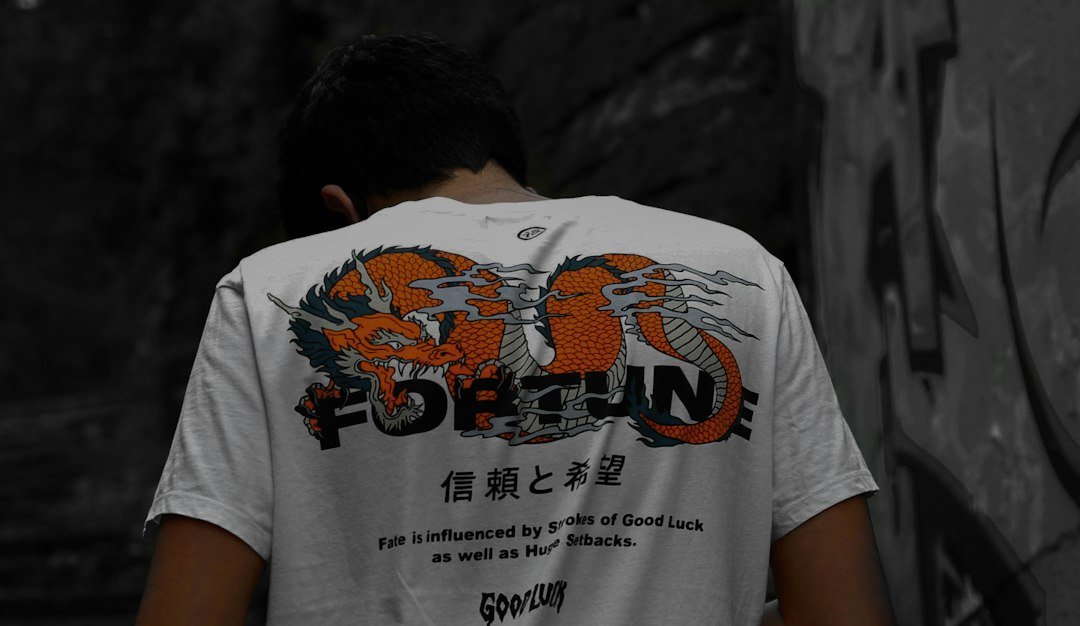
A garment can be comfortable on its own but restrictive beneath another layer. Build around versatile hoodies, practical shoes and trousers you can already wear, then add suitable insulation and an outer shell if the actual forecast requires them. Start by comparing shoulder and chest measurements of the two items, then check where the inner sleeves sit beneath the outer cuffs. A purpose-cut oversized hoodie usually provides different room from a standard size selected two sizes larger. Even small changes in sleeve and body length can affect comfort on a long journey or while carrying a bag.
If the hood bunches beneath a jacket collar or the base shirt gathers around the waist, try a simpler combination rather than continually adjusting it. An outfit is not successful merely because it looks attractive in a photograph; the clothing should remain usable when you move naturally.
Fabric, weather and what the photos cannot tell you
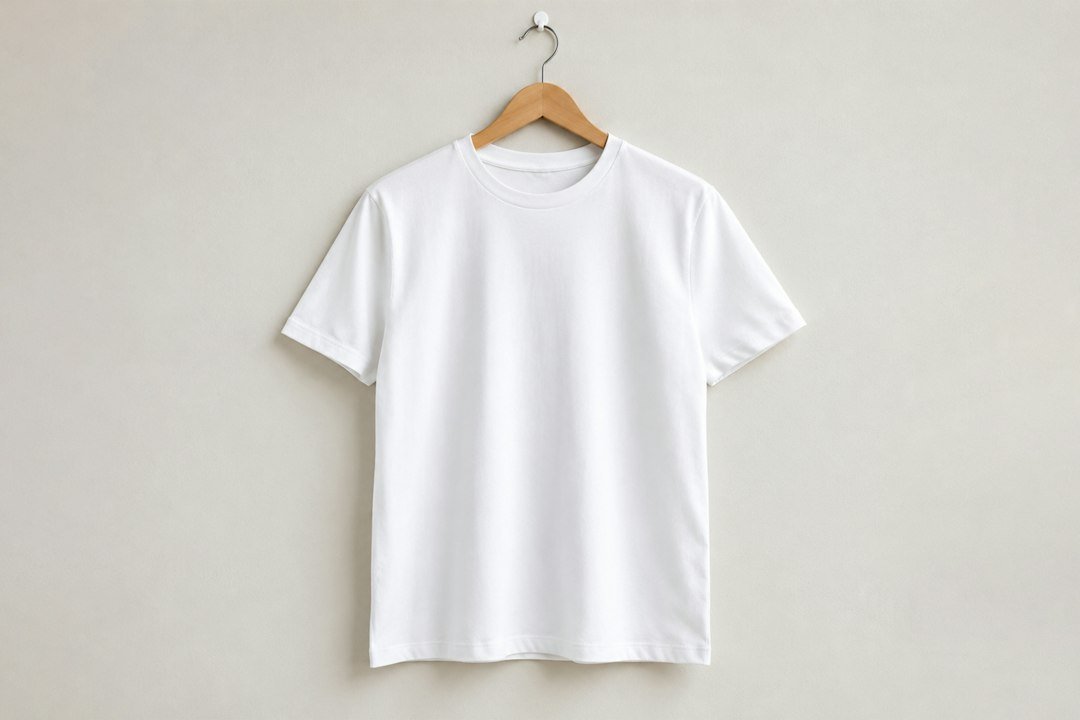
Fabric composition, knit construction and lining matter to feel and care. A T-shirt may be comfortable in a warm indoor space but may not move moisture effectively for demanding cold-weather activity. Likewise, a sweatshirt that looks thick is not automatically windproof, waterproof or designed for mountain temperatures. Read specifications for the exact item, because broad category labels such as hoodie or cotton blend do not establish its performance.
Check your local weather and plans before deciding how much to wear. Indoors, some combinations may feel too hot; outdoors in colder regions, the same outfit may provide too little protection. Layering is about being able to adjust clothing to changing conditions rather than proving you can wear a single heavy piece all day.
Buy fewer clothes and create more useful outfits
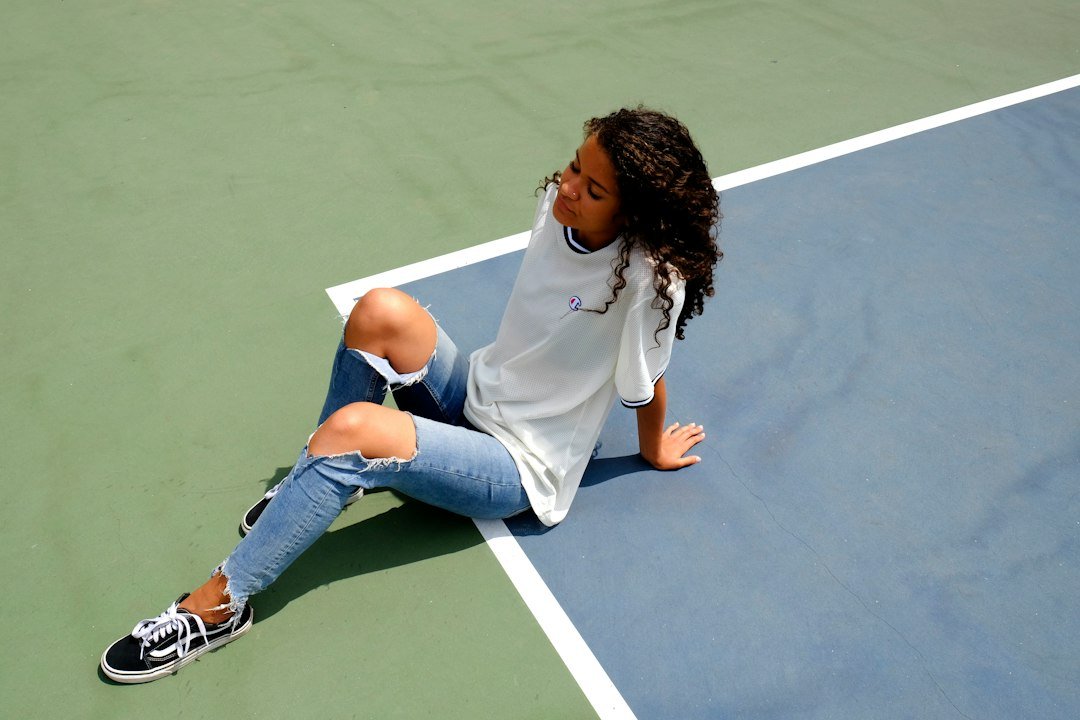
Select two base T-shirts, one favourite hoodie or sweatshirt, two comfortable bottoms and shoes that suit walking. You can often arrange several combinations without buying a new full set. Lay them out in ordinary daylight, notice which colours and cuts feel comfortable, and take a photo for quick reference later. Build around versatile hoodies, practical shoes and trousers you can already wear, then add suitable insulation and an outer shell if the actual forecast requires them. The easiest outfits to repeat are often the ones that share the same practical base pieces.
When you decide to buy something, use the current listing to verify size, price, composition, availability and care. Namakool images in this guide are references from its library, not a guarantee that every photographed combination is sold as one outfit. Avoid shopping for duplicate basics until you know what actually improves your existing wardrobe.
Frequently asked questions about women’s winter streetwear outfits India
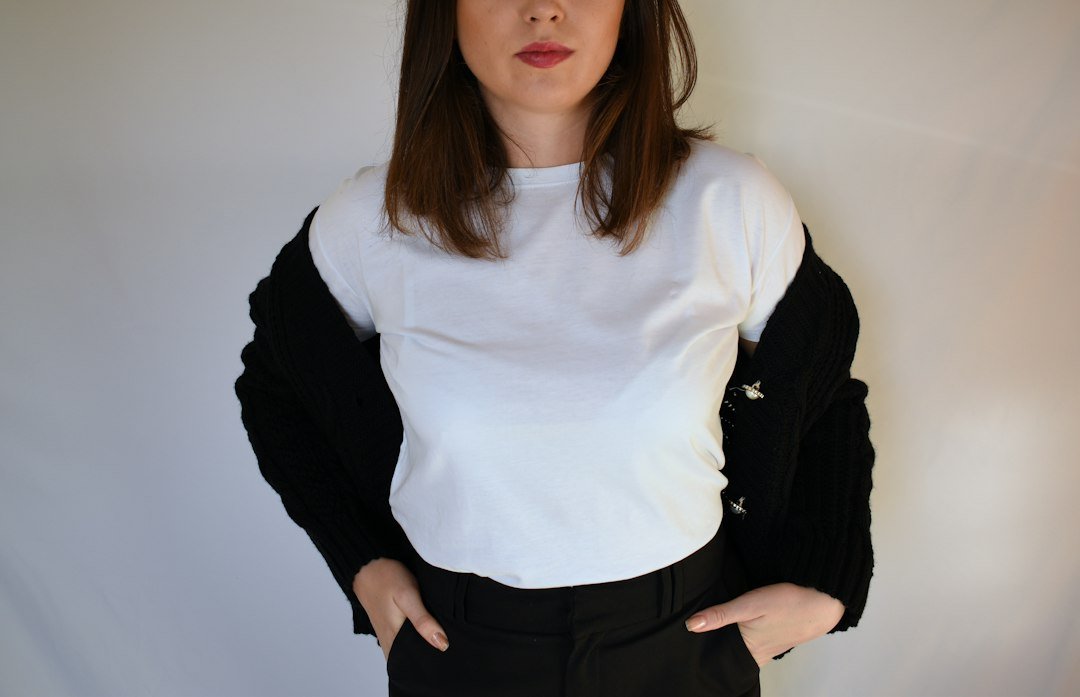
What is the easiest women’s winter streetwear outfits India combination?
Begin with one comfortable base garment, a neutral hoodie or sweatshirt and straight jeans. Adapt the warmth and outerwear to your actual weather.
Do I need to wear every piece oversized?
No. A regular-fit base beneath a roomier outer layer is often comfortable, but personal preference and garment measurements determine the best combination.
Will these outfits keep me warm in North Indian winter?
Not reliably on their own. Cold, wind and rain vary; check conditions and choose a suitable insulating and protective system if needed.
How can I choose the right size online?
Compare actual listed garment measurements with a piece you already own, rather than relying on a generic small/medium/large label.
Does Namakool sell the full outfit shown in each photo?
Not necessarily. Images illustrate garment ideas, while current individual product listings establish what can be purchased.
Can I repeat the same hoodie during the week?
Yes. Change your base T-shirt and trousers as appropriate and follow each garment’s care instructions. Outfit variety does not require constant shopping.
What should I check besides colour?
Fibre composition, care, lining or finish if described, length, shoulder width, sleeve room, fabric weight when supplied, and suitability for your plans.
Build Your Casual Layers with Namakool
Compare current sizes, colours and fabric details on each individual product page.
Related Namakool reading: winter streetwear in India, autumn layering outfits, hoodie versus sweatshirt and oversized T-shirts for women. For independent context, see REI’s clothing-layering guide.
Continue reading: Try T-shirt-under-hoodie layering and the hoodie GSM guide when comparing fabric details.