Updated October 2026 · Casual fashion and winter layering for India
A T-shirt under a hoodie outfit can be a practical choice when you want everyday comfort without replacing your wardrobe. A T-shirt under a hoodie can help you move between cooler outdoor air and warmer rooms without changing your whole outfit. The most useful styling questions are what neckline to choose, how much of the T-shirt should show and whether the two garments fit comfortably together. This is not a prescription for extreme winter weather: for genuinely cold, wet or windy conditions, use a protective clothing system suited to the forecast.
Quick answer: A layered outfit should work both with the hoodie on and when it is removed indoors. Plan the colours, the length of the base shirt and the weight of each piece together rather than relying on an oversized label. Start with a base that fits comfortably, then select the outer garment around the shoulder, sleeve and neckline room you need. These are outfit recommendations, not promises of insulation, water resistance or specific products being in stock.
T-shirt under hoodie outfit: white crewneck and black hoodie

Outfit idea. A white neckline against black creates a familiar contrast, even if only a narrow strip of the T-shirt is visible. Think about the first detail that should catch the eye: contrast between light and dark, a loose silhouette or a straightforward layered neckline. The most satisfying casual outfits often use just one clear focal element. Check the proportions from the front and side while standing and sitting, because fabric can behave differently from a static product photograph.
How to wear it. Wear blue straight jeans and shoes that suit your commute. Leave the hoodie hem relaxed rather than pulling it tightly over the shirt. Your usual shoes, jeans and bag are worth trying before purchasing a matching accessory. If a combination feels too loose, change only one cut; if it feels too dark, try a lighter base layer. The goal is to develop outfits that remain comfortable through ordinary movement, commuting, classes or informal time with friends.
Before purchasing. Choose a T-shirt with a neckline that remains comfortable under the hoodie; very thick seams can press against the neck. Compare the product’s actual chest width, length and other measurements with a garment you own and like. Pictures cannot prove opacity, exact colour, weight, lining or durability. When the product description leaves out a specification you care about, ask before buying rather than assuming every item in the same category is identical.
One mistake to avoid. Do not deliberately expose an unusually long T-shirt hem if it bunches when you sit. There is also no need to follow every styling rule found in a trend video. Personal comfort and suitable clothing for your conditions matter much more. For colder weather, a layering system may include a functional base, insulating middle and protective outer layer; casual T-shirt and hoodie combinations are not always an equivalent substitute.
Black T-shirt under a light grey hoodie

Outfit idea. A dark base is a quieter alternative to white, especially if you want a tonal outfit with charcoal trousers. Think about the first detail that should catch the eye: contrast between light and dark, a loose silhouette or a straightforward layered neckline. The most satisfying casual outfits often use just one clear focal element. Check the proportions from the front and side while standing and sitting, because fabric can behave differently from a static product photograph.
How to wear it. Pair it with black jeans or relaxed grey joggers for a simple casual look that can be repeated throughout the season. Your usual shoes, jeans and bag are worth trying before purchasing a matching accessory. If a combination feels too loose, change only one cut; if it feels too dark, try a lighter base layer. The goal is to develop outfits that remain comfortable through ordinary movement, commuting, classes or informal time with friends.
Before purchasing. Make sure the grey hoodie is roomy enough around the arms for the added sleeve layer. Compare the product’s actual chest width, length and other measurements with a garment you own and like. Pictures cannot prove opacity, exact colour, weight, lining or durability. When the product description leaves out a specification you care about, ask before buying rather than assuming every item in the same category is identical.
One mistake to avoid. Do not rely on colour alone to judge whether the fabrics suit the weather. There is also no need to follow every styling rule found in a trend video. Personal comfort and suitable clothing for your conditions matter much more. For colder weather, a layering system may include a functional base, insulating middle and protective outer layer; casual T-shirt and hoodie combinations are not always an equivalent substitute.
Regular-fit tee under an oversized streetwear hoodie

Outfit idea. A moderate-fit base underneath a roomy hoodie reduces unnecessary fabric bunching and keeps the outfit wearable. Think about the first detail that should catch the eye: contrast between light and dark, a loose silhouette or a straightforward layered neckline. The most satisfying casual outfits often use just one clear focal element. Check the proportions from the front and side while standing and sitting, because fabric can behave differently from a static product photograph.
How to wear it. Choose a tee with a normal shoulder position and put a boxier hoodie over it. Straight jeans or cargos finish the loose upper shape. Your usual shoes, jeans and bag are worth trying before purchasing a matching accessory. If a combination feels too loose, change only one cut; if it feels too dark, try a lighter base layer. The goal is to develop outfits that remain comfortable through ordinary movement, commuting, classes or informal time with friends.
Before purchasing. Check the hoodie’s actual garment measurements: oversized by design differs from buying a standard cut several sizes too big. Compare the product’s actual chest width, length and other measurements with a garment you own and like. Pictures cannot prove opacity, exact colour, weight, lining or durability. When the product description leaves out a specification you care about, ask before buying rather than assuming every item in the same category is identical.
One mistake to avoid. Avoid two excessively long upper garments that sit awkwardly over trouser pockets. There is also no need to follow every styling rule found in a trend video. Personal comfort and suitable clothing for your conditions matter much more. For colder weather, a layering system may include a functional base, insulating middle and protective outer layer; casual T-shirt and hoodie combinations are not always an equivalent substitute.
Long-sleeve T-shirt under a short-sleeve graphic tee
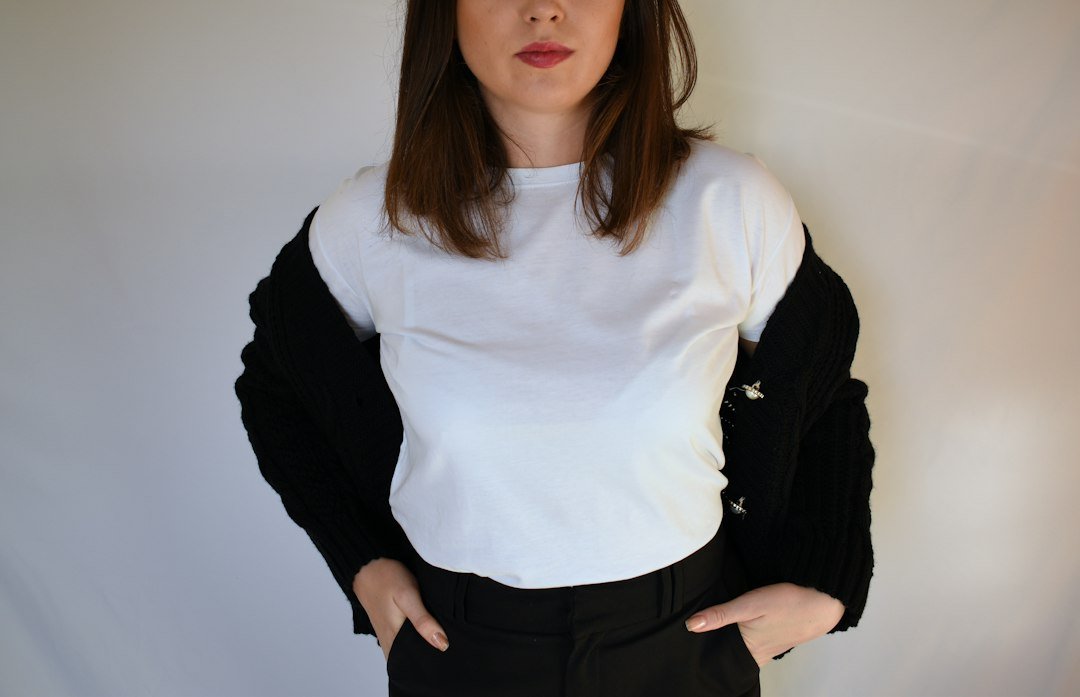
Outfit idea. Two visible sleeve lengths add a streetwear element without a thick hoodie, useful for mild evenings. Think about the first detail that should catch the eye: contrast between light and dark, a loose silhouette or a straightforward layered neckline. The most satisfying casual outfits often use just one clear focal element. Check the proportions from the front and side while standing and sitting, because fabric can behave differently from a static product photograph.
How to wear it. Combine a plain long-sleeve base with a graphic short-sleeve top, then bring a hoodie only if the forecast calls for more warmth. Your usual shoes, jeans and bag are worth trying before purchasing a matching accessory. If a combination feels too loose, change only one cut; if it feels too dark, try a lighter base layer. The goal is to develop outfits that remain comfortable through ordinary movement, commuting, classes or informal time with friends.
Before purchasing. Check that armholes and sleeves do not restrict movement; two close-fitting sleeves can twist. Compare the product’s actual chest width, length and other measurements with a garment you own and like. Pictures cannot prove opacity, exact colour, weight, lining or durability. When the product description leaves out a specification you care about, ask before buying rather than assuming every item in the same category is identical.
One mistake to avoid. Avoid treating this fashion layering formula as sufficient insulation in freezing conditions. There is also no need to follow every styling rule found in a trend video. Personal comfort and suitable clothing for your conditions matter much more. For colder weather, a layering system may include a functional base, insulating middle and protective outer layer; casual T-shirt and hoodie combinations are not always an equivalent substitute.
White hoodie over a dark graphic T-shirt

Outfit idea. The light outer piece makes a dark T-shirt print more noticeable once the hoodie comes off indoors. Think about the first detail that should catch the eye: contrast between light and dark, a loose silhouette or a straightforward layered neckline. The most satisfying casual outfits often use just one clear focal element. Check the proportions from the front and side while standing and sitting, because fabric can behave differently from a static product photograph.
How to wear it. Wear dark jeans and neutral trainers. Choose a graphic that you genuinely like rather than a slogan that suits only a single trend video. Your usual shoes, jeans and bag are worth trying before purchasing a matching accessory. If a combination feels too loose, change only one cut; if it feels too dark, try a lighter base layer. The goal is to develop outfits that remain comfortable through ordinary movement, commuting, classes or informal time with friends.
Before purchasing. Confirm the actual print and care instructions on the product listing before purchasing. Compare the product’s actual chest width, length and other measurements with a garment you own and like. Pictures cannot prove opacity, exact colour, weight, lining or durability. When the product description leaves out a specification you care about, ask before buying rather than assuming every item in the same category is identical.
One mistake to avoid. Do not assume a light-coloured hoodie will remain mark-free through frequent travel. There is also no need to follow every styling rule found in a trend video. Personal comfort and suitable clothing for your conditions matter much more. For colder weather, a layering system may include a functional base, insulating middle and protective outer layer; casual T-shirt and hoodie combinations are not always an equivalent substitute.
T-shirt and zip-style outer layer for quick temperature changes
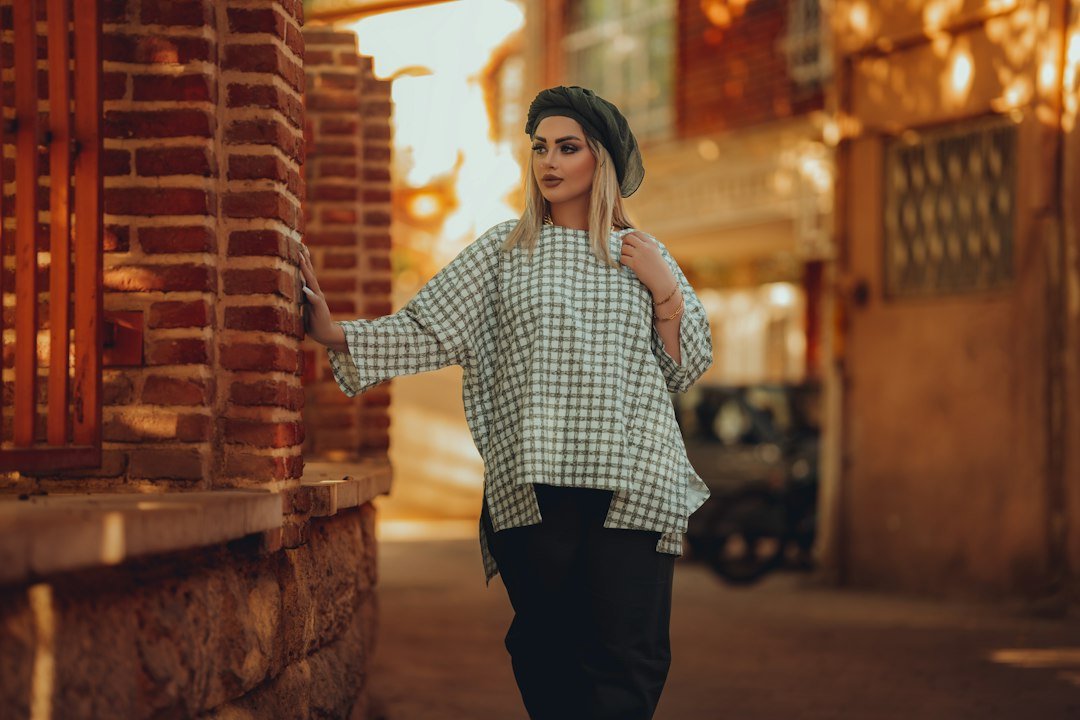
Outfit idea. An open or removable top layer displays more of the base T-shirt and is convenient when moving between outdoors and indoors. Think about the first detail that should catch the eye: contrast between light and dark, a loose silhouette or a straightforward layered neckline. The most satisfying casual outfits often use just one clear focal element. Check the proportions from the front and side while standing and sitting, because fabric can behave differently from a static product photograph.
How to wear it. Use a plain tee with an open shirt, then add an appropriate jacket when colder; a zip hoodie offers a similar adaptable idea if you already own one. Your usual shoes, jeans and bag are worth trying before purchasing a matching accessory. If a combination feels too loose, change only one cut; if it feels too dark, try a lighter base layer. The goal is to develop outfits that remain comfortable through ordinary movement, commuting, classes or informal time with friends.
Before purchasing. If choosing a zip hoodie, review its exact closure construction and fabric specifications; not every hoodie is available in a zip version. Compare the product’s actual chest width, length and other measurements with a garment you own and like. Pictures cannot prove opacity, exact colour, weight, lining or durability. When the product description leaves out a specification you care about, ask before buying rather than assuming every item in the same category is identical.
One mistake to avoid. Do not imply that a pullover hoodie has a zip because it appears in an editorial photo. There is also no need to follow every styling rule found in a trend video. Personal comfort and suitable clothing for your conditions matter much more. For colder weather, a layering system may include a functional base, insulating middle and protective outer layer; casual T-shirt and hoodie combinations are not always an equivalent substitute.
Women’s hoodie with a fitted or regular T-shirt and wide-leg denim

Outfit idea. A regular tee inside a relaxed hoodie keeps the shoulders comfortable while wide-leg jeans provide a roomy bottom. Think about the first detail that should catch the eye: contrast between light and dark, a loose silhouette or a straightforward layered neckline. The most satisfying casual outfits often use just one clear focal element. Check the proportions from the front and side while standing and sitting, because fabric can behave differently from a static product photograph.
How to wear it. Pick grey, navy or cream for the hoodie and wear familiar jeans with a hem that does not drag over the shoes. Your usual shoes, jeans and bag are worth trying before purchasing a matching accessory. If a combination feels too loose, change only one cut; if it feels too dark, try a lighter base layer. The goal is to develop outfits that remain comfortable through ordinary movement, commuting, classes or informal time with friends.
Before purchasing. Check the jeans rise, hoodie length and sleeve cuffs. Choose what feels comfortable rather than applying body-shape rules. Compare the product’s actual chest width, length and other measurements with a garment you own and like. Pictures cannot prove opacity, exact colour, weight, lining or durability. When the product description leaves out a specification you care about, ask before buying rather than assuming every item in the same category is identical.
One mistake to avoid. Avoid buying a larger base shirt solely because the outer hoodie is oversized. There is also no need to follow every styling rule found in a trend video. Personal comfort and suitable clothing for your conditions matter much more. For colder weather, a layering system may include a functional base, insulating middle and protective outer layer; casual T-shirt and hoodie combinations are not always an equivalent substitute.
Olive hoodie with cream T-shirt and cargo trousers

Outfit idea. Olive and cream are quiet colour partners; cargos add utility-inspired detail without another printed layer. Think about the first detail that should catch the eye: contrast between light and dark, a loose silhouette or a straightforward layered neckline. The most satisfying casual outfits often use just one clear focal element. Check the proportions from the front and side while standing and sitting, because fabric can behave differently from a static product photograph.
How to wear it. Use black or beige cargos if available and let a small cream neckline appear. A simple crossbody bag works for errands. Your usual shoes, jeans and bag are worth trying before purchasing a matching accessory. If a combination feels too loose, change only one cut; if it feels too dark, try a lighter base layer. The goal is to develop outfits that remain comfortable through ordinary movement, commuting, classes or informal time with friends.
Before purchasing. Review the actual garment composition and available colours before buying; product images can shift shade under different lighting. Compare the product’s actual chest width, length and other measurements with a garment you own and like. Pictures cannot prove opacity, exact colour, weight, lining or durability. When the product description leaves out a specification you care about, ask before buying rather than assuming every item in the same category is identical.
One mistake to avoid. Do not confuse utilitarian styling with waterproof or insulated specifications. There is also no need to follow every styling rule found in a trend video. Personal comfort and suitable clothing for your conditions matter much more. For colder weather, a layering system may include a functional base, insulating middle and protective outer layer; casual T-shirt and hoodie combinations are not always an equivalent substitute.
Hoodie and T-shirt for long journeys
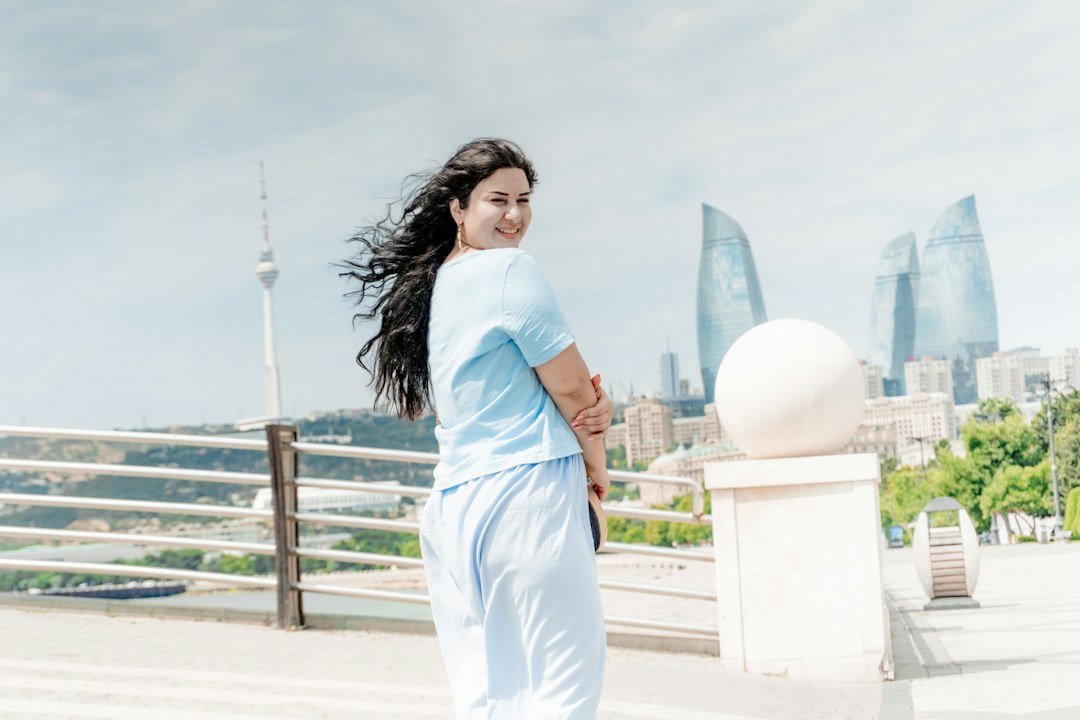
Outfit idea. Comfortable layers are useful on buses and trains when indoor temperatures differ from those at departure. Think about the first detail that should catch the eye: contrast between light and dark, a loose silhouette or a straightforward layered neckline. The most satisfying casual outfits often use just one clear focal element. Check the proportions from the front and side while standing and sitting, because fabric can behave differently from a static product photograph.
How to wear it. Try a lightweight tee with a removable sweatshirt or hoodie, joggers with an appropriate waistband and supportive footwear. Your usual shoes, jeans and bag are worth trying before purchasing a matching accessory. If a combination feels too loose, change only one cut; if it feels too dark, try a lighter base layer. The goal is to develop outfits that remain comfortable through ordinary movement, commuting, classes or informal time with friends.
Before purchasing. Sit down and move your arms to confirm the cuffs, hood and neckline feel comfortable for a long period. Compare the product’s actual chest width, length and other measurements with a garment you own and like. Pictures cannot prove opacity, exact colour, weight, lining or durability. When the product description leaves out a specification you care about, ask before buying rather than assuming every item in the same category is identical.
One mistake to avoid. Do not select a heavy hoodie just because the destination is colder if it becomes uncomfortable for most of the journey. There is also no need to follow every styling rule found in a trend video. Personal comfort and suitable clothing for your conditions matter much more. For colder weather, a layering system may include a functional base, insulating middle and protective outer layer; casual T-shirt and hoodie combinations are not always an equivalent substitute.
Build three outfits from two T-shirts and one hoodie
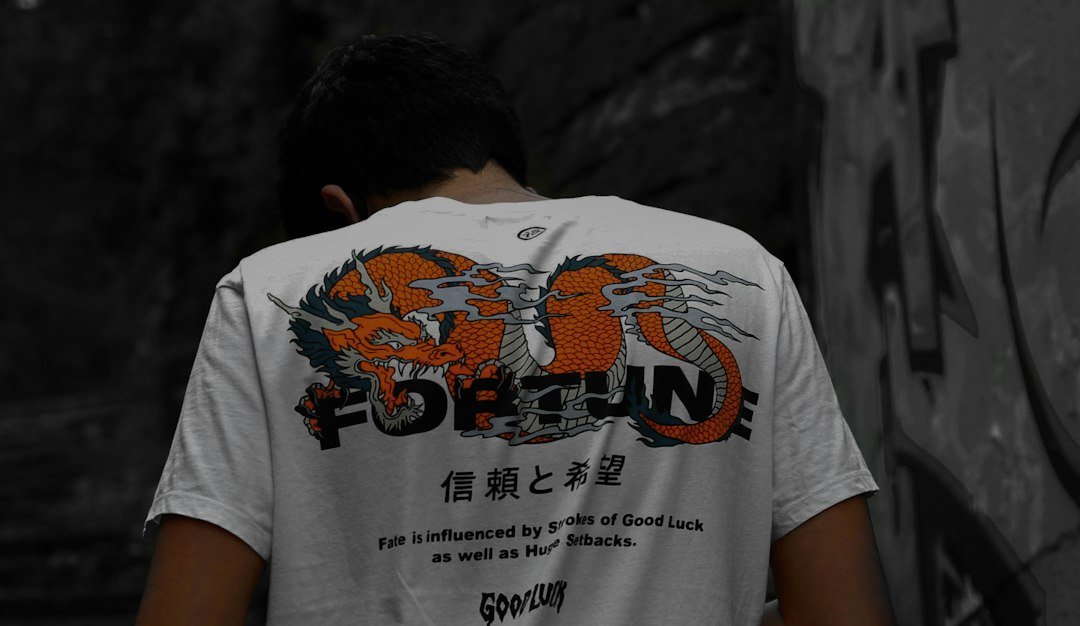
Outfit idea. A small rotation gives variety without acquiring another pile of basics: change one shirt colour or your jeans. Think about the first detail that should catch the eye: contrast between light and dark, a loose silhouette or a straightforward layered neckline. The most satisfying casual outfits often use just one clear focal element. Check the proportions from the front and side while standing and sitting, because fabric can behave differently from a static product photograph.
How to wear it. Lay out one light tee, one darker tee and a neutral hoodie with two trousers you already own. Photograph the combinations in ordinary light. Your usual shoes, jeans and bag are worth trying before purchasing a matching accessory. If a combination feels too loose, change only one cut; if it feels too dark, try a lighter base layer. The goal is to develop outfits that remain comfortable through ordinary movement, commuting, classes or informal time with friends.
Before purchasing. Measure the pieces once and use the same fit information for future shopping. Review wash-care instructions for each garment. Compare the product’s actual chest width, length and other measurements with a garment you own and like. Pictures cannot prove opacity, exact colour, weight, lining or durability. When the product description leaves out a specification you care about, ask before buying rather than assuming every item in the same category is identical.
One mistake to avoid. Avoid buying a duplicate hoodie before confirming you are comfortable with its cut and maintenance. There is also no need to follow every styling rule found in a trend video. Personal comfort and suitable clothing for your conditions matter much more. For colder weather, a layering system may include a functional base, insulating middle and protective outer layer; casual T-shirt and hoodie combinations are not always an equivalent substitute.
Choose the base and outer fit as a pair
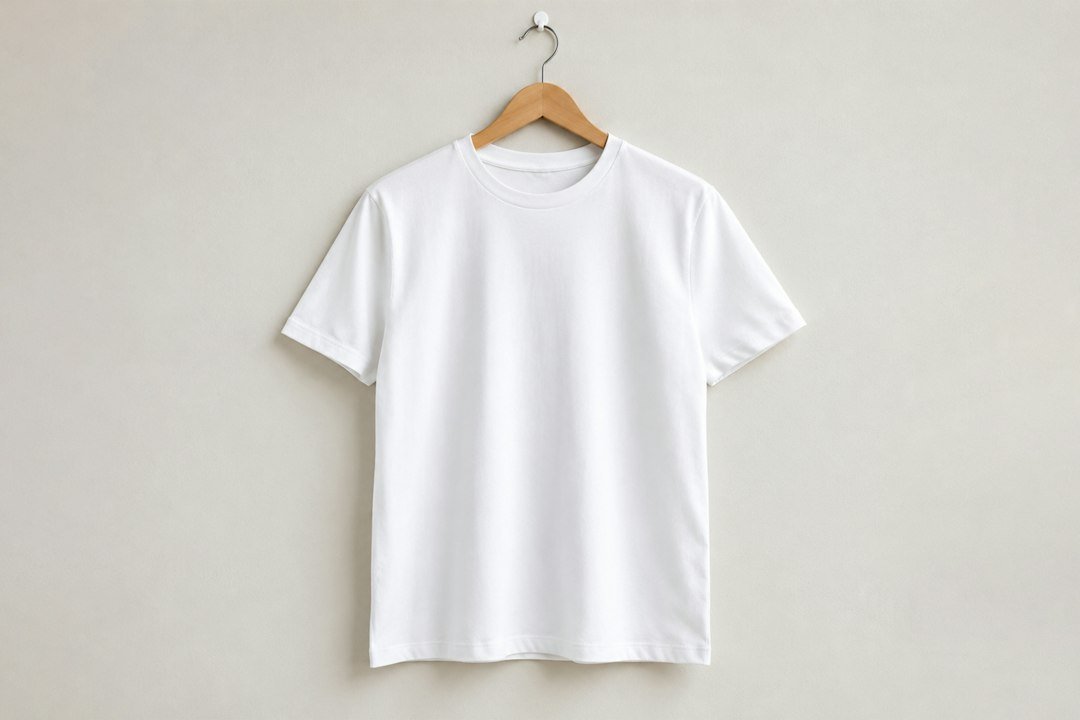
A garment can be comfortable on its own but restrictive beneath another layer. A layered outfit should work both with the hoodie on and when it is removed indoors. Plan the colours, the length of the base shirt and the weight of each piece together rather than relying on an oversized label. Start by comparing shoulder and chest measurements of the two items, then check where the inner sleeves sit beneath the outer cuffs. A purpose-cut oversized hoodie usually provides different room from a standard size selected two sizes larger. Even small changes in sleeve and body length can affect comfort on a long journey or while carrying a bag.
If the hood bunches beneath a jacket collar or the base shirt gathers around the waist, try a simpler combination rather than continually adjusting it. An outfit is not successful merely because it looks attractive in a photograph; the clothing should remain usable when you move naturally.
Fabric, weather and what the photos cannot tell you

Fabric composition, knit construction and lining matter to feel and care. A T-shirt may be comfortable in a warm indoor space but may not move moisture effectively for demanding cold-weather activity. Likewise, a sweatshirt that looks thick is not automatically windproof, waterproof or designed for mountain temperatures. Read specifications for the exact item, because broad category labels such as hoodie or cotton blend do not establish its performance.
Check your local weather and plans before deciding how much to wear. Indoors, some combinations may feel too hot; outdoors in colder regions, the same outfit may provide too little protection. Layering is about being able to adjust clothing to changing conditions rather than proving you can wear a single heavy piece all day.
Buy fewer clothes and create more useful outfits

Select two base T-shirts, one favourite hoodie or sweatshirt, two comfortable bottoms and shoes that suit walking. You can often arrange several combinations without buying a new full set. Lay them out in ordinary daylight, notice which colours and cuts feel comfortable, and take a photo for quick reference later. A layered outfit should work both with the hoodie on and when it is removed indoors. Plan the colours, the length of the base shirt and the weight of each piece together rather than relying on an oversized label. The easiest outfits to repeat are often the ones that share the same practical base pieces.
When you decide to buy something, use the current listing to verify size, price, composition, availability and care. Namakool images in this guide are references from its library, not a guarantee that every photographed combination is sold as one outfit. Avoid shopping for duplicate basics until you know what actually improves your existing wardrobe.
Frequently asked questions about t-shirt under hoodie outfit

What is the easiest t-shirt under hoodie outfit combination?
Begin with one comfortable base garment, a neutral hoodie or sweatshirt and straight jeans. Adapt the warmth and outerwear to your actual weather.
Do I need to wear every piece oversized?
No. A regular-fit base beneath a roomier outer layer is often comfortable, but personal preference and garment measurements determine the best combination.
Will these outfits keep me warm in North Indian winter?
Not reliably on their own. Cold, wind and rain vary; check conditions and choose a suitable insulating and protective system if needed.
How can I choose the right size online?
Compare actual listed garment measurements with a piece you already own, rather than relying on a generic small/medium/large label.
Does Namakool sell the full outfit shown in each photo?
Not necessarily. Images illustrate garment ideas, while current individual product listings establish what can be purchased.
Can I repeat the same hoodie during the week?
Yes. Change your base T-shirt and trousers as appropriate and follow each garment’s care instructions. Outfit variety does not require constant shopping.
What should I check besides colour?
Fibre composition, care, lining or finish if described, length, shoulder width, sleeve room, fabric weight when supplied, and suitability for your plans.
Build Your Casual Layers with Namakool
Compare current sizes, colours and fabric details on each individual product page.
Related Namakool reading: winter streetwear in India, autumn layering outfits, hoodie versus sweatshirt and oversized T-shirts for women. For independent context, see REI’s clothing-layering guide.
More useful outfit guides: Compare hoodie GSM and fabric weight before buying a winter layer, and see women’s winter streetwear outfit ideas.