
The clearest difference between a hoodie and a sweatshirt is the hood. In everyday shopping language, a hoodie has a hood, while a sweatshirt often means a crew-neck top without one. Technically, a hoodie can also be a type of sweatshirt. Neither shape is automatically warmer: material, lining, fit and the layers beneath it matter.
If you are comparing a hoodie vs sweatshirt for your wardrobe, begin with your day. A hood may suit a relaxed campus outfit, while a crew neck can sit neatly under a jacket. You may prefer both for different reasons, but you do not need both simply to complete a fashion checklist.
This guide looks at the practical differences, easy outfit formulas and the details to check before ordering. It covers men’s and women’s styling without assuming that every garment in a category has the same fabric, fit or warmth.
Choose your next comfortable layer
Explore current styles, then check your size and product details.
1. Start with shape: hood, neckline, pocket and fastening

A classic pullover hoodie has a hood attached at the neckline and may include drawstrings and a front pouch pocket. A zip hoodie opens at the front. A crew-neck sweatshirt has a rounded neckline and often ribbed cuffs and a ribbed hem. These are common designs, not rules that every product must follow.
The hood is visually important even when you never pull it up. It adds volume around the neck and upper back. That can make an outfit look relaxed and sporty, especially with loose jeans or joggers. It can also feel bulky beneath a close-fitting jacket, so consider the garments you expect to wear together.
A crew-neck sweatshirt leaves a simpler line around the collar. You can show a small amount of T-shirt neckline underneath or wear it over a suitable collared shirt. This makes it useful when you want a quieter upper half, although a large print or an exaggerated fit can still make it a statement piece.
Pockets change function as well as appearance. A pouch pocket is convenient for warming your hands, but filling it with a phone, keys and a heavy wallet can distort the front. A sweatshirt without a front pocket may sit more smoothly. If carrying small items matters, consider the whole outfit rather than expecting the top to hold everything.
A zip fastening gives you another way to adjust the outfit. You can open it indoors and show the base layer, then close it when you step outside. A pullover gives a more continuous front surface, which can suit a large graphic. Choose the feature you will use instead of treating one as universally more stylish.
Check the hood itself in product photographs. Some are compact; others are large and structured. Drawstrings, lining and seam details can change how it sits. If you often carry a backpack, think about how the hood, shoulder seams and straps will feel together during an ordinary commute.
When shopping Namakool, read each listing individually. The words “hoodie,” “sweatshirt” and “oversized” describe a family of products, not a guaranteed construction. Look for the actual photographs, composition, size chart and available colours before deciding which design is right for you.
2. Which is warmer? Compare the fabric, not just the name
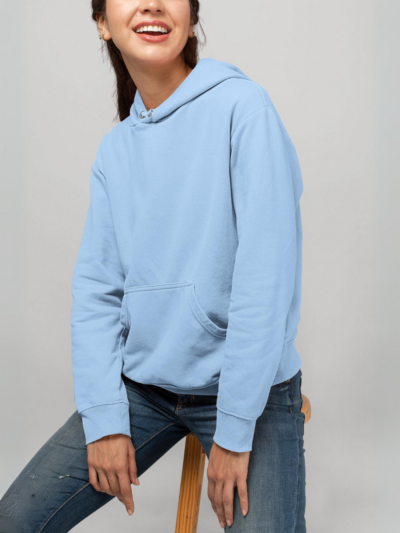
A hood can add coverage around the head and neck, but it cannot tell you how warm the whole garment will feel. A lightweight hoodie may feel less insulating than a thick crew-neck sweatshirt. A heavy-looking product image also cannot establish warmth without information about the material and construction.
Look for a fabric description first. Some sweat fabrics have a brushed inner surface; others have visible loops inside. Their feel can differ, and construction is only one part of the comparison. Composition, fabric weight, lining, air movement and the way the garment fits all influence the wearing experience.
If a seller lists GSM, use it as a measure of fabric area weight rather than a temperature rating. You cannot safely conclude that every 300 GSM garment works at a particular outdoor temperature. A windy evening, a sheltered indoor space and a brisk walk place different demands on the same top.
Fit changes what you can comfortably wear underneath. A close-fitting sweatshirt over a thick shirt may restrict the shoulders. A roomier hoodie can allow another layer but may feel bulky under a fitted outer jacket. Think about the complete set of clothes, not the isolated item in the product photograph.
For mild winter days, a T-shirt with either a suitable sweatshirt or hoodie can be a practical outfit. For colder conditions, add appropriate insulation and outerwear for the actual weather. Neither a hood nor a fleece-like surface guarantees that a casual top is suitable for severe cold or prolonged outdoor exposure.
For changing indoor temperatures, removable layers are helpful. A zip hoodie can be easy to adjust while seated; a pullover crew neck may be simpler under a coat. If you move repeatedly between warm transport and cool rooms, convenience may matter more than choosing the thickest fabric available.
Use the CottonWorks fabric collection as general background on how textile constructions vary. It is not a specification sheet for Namakool products. The particular product page should tell you what the garment contains and how it should be cared for.
Before ordering, describe the use in a sentence: “I need a top for cool evenings after work,” or “I need a comfortable indoor layer.” That makes the comparison easier. If you need tested weather protection or technical performance, look for explicit specifications instead of inferring them from the garment’s name.
3. Fit checks for hoodies and crew-neck sweatshirts
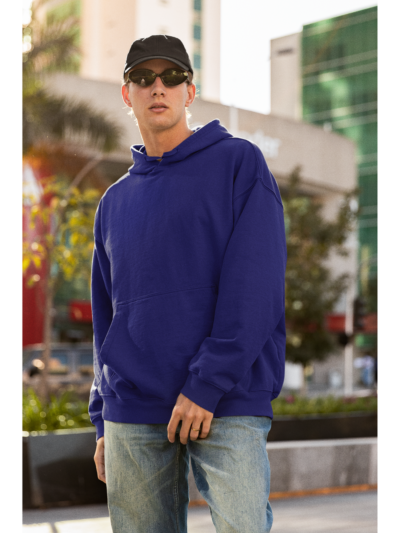
The right fit begins with the size chart, not with the size letter you usually buy. Brands can use different measurements, and a deliberately oversized design may already include extra room. Compare the listing with a similar top you own rather than automatically going up a size for a relaxed look.
Check chest width, body length and sleeve length together. A top can feel roomy through the body yet still have sleeves that are too short for your preference. Another can fit across the chest but bunch at the wrists. The goal is a shape that feels comfortable when you move, not only when you stand still.
For a regular shoulder, the shoulder seam often sits close to the shoulder edge. A dropped shoulder is intentionally lower and creates a different outline. Neither is wrong. What matters is whether the resulting sleeve and chest shape suit the outfit you want and leave you comfortable at the upper arm.
Try a movement check when you can. Reach forward as if holding a steering wheel, lift your arms and sit down. Notice whether the hem rides up, the neck pulls back or the fabric catches across your shoulders. These everyday motions reveal more than a single front-facing mirror pose.
With a hoodie, pay attention to how the hood rests when down. If it pulls the neckline backward, the combination of fit and hood weight may not feel right to you. Check that a drawstring or zip does not become irritating during normal movement. Comfort around the neck is worth taking seriously.
With a crew neck, look at the collar over your intended base layer. A thick undershirt neckline can create an unwanted stack of collars. A lighter tee may sit more neatly. If you want a shirt collar visible, check the shoulder and armhole room before assuming a casual sweatshirt will accommodate it.
Consider the bottom half too. A long loose top with wide trousers creates a different proportion from a shorter sweatshirt with straight jeans. There is no compulsory formula, but knowing your preferred outline helps you choose dimensions. You can explore more combinations in Namakool’s hoodie and sweatshirt styling guide if that guide matches the look you want.
Do not plan to shrink an oversized purchase into a precise fit. Laundering is not a reliable tailoring method, and changing the fabric can also affect the print and seams. Choose the closest suitable measurements first and follow the current exchange terms if the garment does not work for you.
Choose your next comfortable layer
Explore current styles, then check your size and product details.
4. Outfit formulas for college, errands and relaxed weekends

Hoodie with straight jeans: start with a plain hoodie and jeans that give you comfortable movement. Keep the hem clear enough that the outfit does not bunch heavily over the waistband. Low-profile trainers can keep the look simple; a more substantial shoe creates a different balance without requiring extra accessories.
Crew-neck sweatshirt with relaxed trousers: use a clean neckline and a colour that works with your existing trousers. Navy with stone, grey with black, or a softer pastel with darker denim are easy starting points. These are styling suggestions, not rules about which colours someone is allowed to wear.
Graphic hoodie with a quiet base: let the graphic provide most of the visual interest. Choose plain bottoms and avoid adding several unrelated prints if you want an easy outfit. You can repeat one colour from the artwork in a cap or shoe detail, but a perfect colour match is unnecessary.
Sweatshirt with wide-leg jeans: compare the lengths before adding accessories. A shorter sweatshirt can reveal the waistline, while a longer one creates a looser outline. Try both in the mirror if your wardrobe allows it. Do not force a bulky tuck into trousers that become uncomfortable when you sit.
Hoodie with joggers: this is a practical casual combination, but fit still matters. Check that both pieces allow movement without dragging at the ankle or swallowing your hands. Slight differences in shade can look deliberate when the fabrics and proportions are comfortable together.
Crew neck under a bomber: choose enough jacket room for the sweatshirt’s sleeves. A crew neck keeps the back neckline relatively simple because there is no hood to arrange. Close the bomber during the fit check; an outfit that only works with the jacket permanently open may not suit your intended use.
For men and women alike, footwear and bag choice can change the mood more than another layer. A small crossbody bag, simple tote or backpack serves different needs. Choose what carries your actual belongings comfortably. An outfit should support your day rather than require you to leave useful things at home.
Repeat a successful formula in colours you already own before shopping again. If a black sweatshirt, blue jeans and white trainers work for your routine, you can vary the base tee or jacket. Building reliable combinations is more useful than buying a new top for every photograph or outing.
5. Workdays, travel and layering: choose around the situation
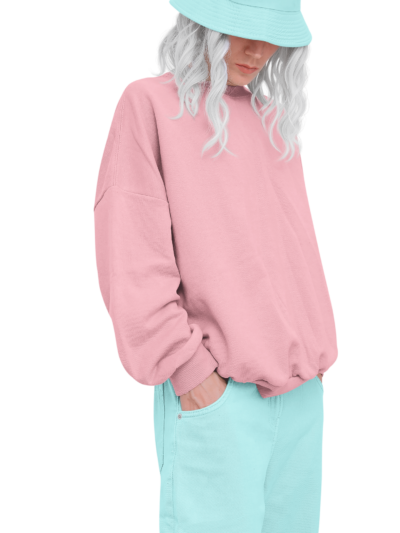
A crew-neck sweatshirt may be easier to adapt to a relaxed workplace because the neckline can look relatively simple. That does not make it suitable for every office. Follow the dress code and the expectations of the meeting or event. A plain dark sweatshirt still counts as casual clothing in many settings.
For a casual workday, start with an uncreased sweatshirt, well-fitting trousers and clean footwear. Avoid relying on a logo to make the outfit look finished. The fit of the cuffs, the condition of the collar and the way the layers sit together often make a more noticeable difference.
A hoodie can be useful during travel when you want an easy extra layer. A zip version is convenient to open or remove, while a pullover has fewer moving parts. Think about seat comfort, bag straps and the amount of space the garment takes up when you are no longer wearing it.
Do not treat a hood as a substitute for weather-appropriate headwear or an outer layer. Casual hoodies vary widely in construction and water resistance. If rain is likely, choose suitable protection based on an explicit product claim rather than expecting a cotton-rich top to function as rainwear.
For trips, pack around complete outfits. One sweatshirt that works with both your travel trousers and your second pair of jeans may be more useful than two tops that each require different bottoms. A small colour palette helps, but choose colours you actually like rather than buying an entirely new neutral wardrobe.
When layering a hoodie beneath a jacket, arrange the hood comfortably and check the back of the neck. If the combination produces an uncomfortable lump against a seat or backpack, switch to a crew neck or use a roomier jacket. A photograph from the front will not reveal this practical problem.
When layering a crew neck over a shirt, inspect the cuffs and hem. Too much competing fabric can feel fussy. A small visible collar may be enough, while keeping the shirt hem inside can produce a cleaner line. Use a shirt that fits comfortably underneath instead of forcing a bulky one into the combination.
For more travel-specific combinations, read Namakool’s airport outfit guide. Use the ideas as a wardrobe planning aid, then check the weather and the current product details for your own journey. Clothing choices should respond to the real trip, not only an airport-style photograph.
6. Buying questions, care and the final decision
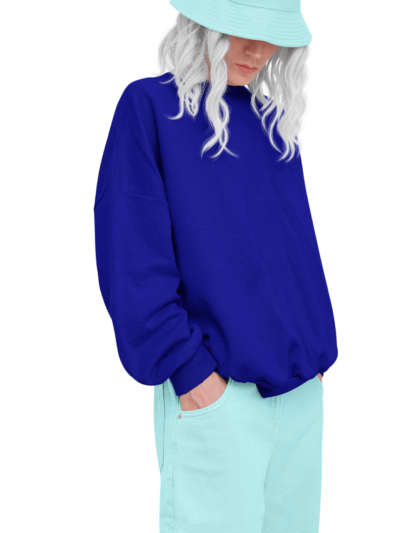
Is a hoodie always more casual? A hood usually creates a relaxed visual impression, but design and context matter. A plain hoodie and a bright oversized printed sweatshirt can communicate very different things. Compare the actual garments rather than assuming the category alone decides the level of formality.
Can a sweatshirt replace a jacket? Sometimes it can be the only extra layer you need in mild conditions. It does not automatically provide wind or rain protection. Choose your outerwear around the weather, journey and time outdoors rather than using the word “winter” in a product title as a performance rating.
Which is better for an oversized outfit? Both can work. A hoodie adds volume around the neck, while a crew neck keeps that area simpler. Compare garment lengths and shoulder shapes. The better option is the one that creates the outline you prefer without interfering with movement or layering.
Should I buy matching sets? Only if you enjoy wearing the pieces together and separately. A set can make outfit planning easier, but it is not essential. Before ordering, identify at least one additional bottom for the top and one additional top for the bottom so the purchase has more than one use.
How should I care for the garment? Follow its own care label and any instructions for the print or decoration. Avoid assuming that every sweatshirt can be washed or dried the same way. GINETEX’s care-labelling background is a useful starting point for understanding why those instructions matter.
Check price, composition, available sizes and the current return terms on the product page. Ask for a missing measurement before ordering if that measurement will decide the fit. A product image can help you choose a style, but it cannot guarantee how a particular size will sit on your body.
Choose a hoodie if you like the hooded shape, relaxed styling and the features of that specific garment. Choose a crew-neck sweatshirt if you prefer a simpler neckline or easier layering beneath your existing jackets. If both fit your routine, buy the one that fills the clearer gap first.
A good purchase should make several ordinary days easier. Picture yourself wearing it to class, on an evening walk or during a relaxed weekend, and check that the fabric and care suit those uses. That is a more dependable decision than choosing whichever name sounds warmer or more fashionable.
Choose your next comfortable layer
Explore current styles, then check your size and product details.