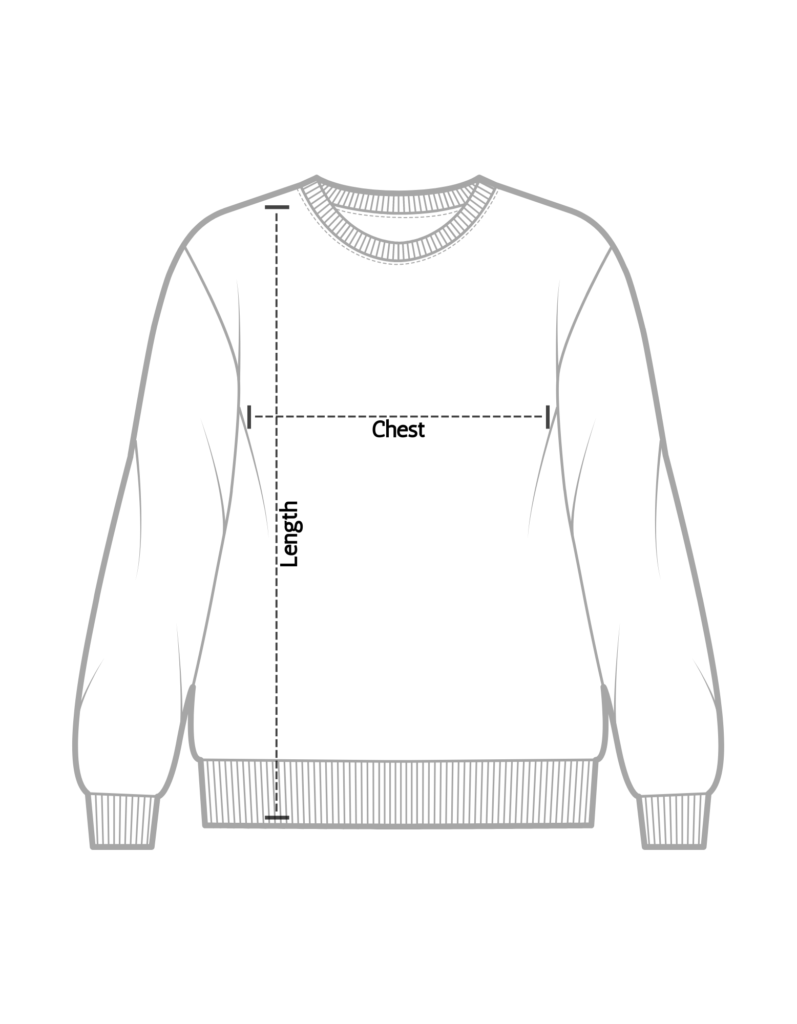
sweatshirt vs hoodie in India is an everyday shopping question, and a confident answer starts with the garment’s real details rather than marketing labels. A sweatshirt and a hoodie can appear similar in a product grid, yet their necklines, hoods, pockets and layering options change how they work in daily life. This guide compares the two without assuming every thick garment is warm or every hoodie is heavy. It is written for Indian shoppers who move between outdoor commutes, indoor classes, offices, travel and weekend errands.
At Namakool, we recommend comparing the size chart, material description, care instructions and current product availability before ordering. Start with men’s top wear or women’s clothing, and use the examples below as a practical guide rather than fixed rules.
The short answer: sweatshirt or hoodie?
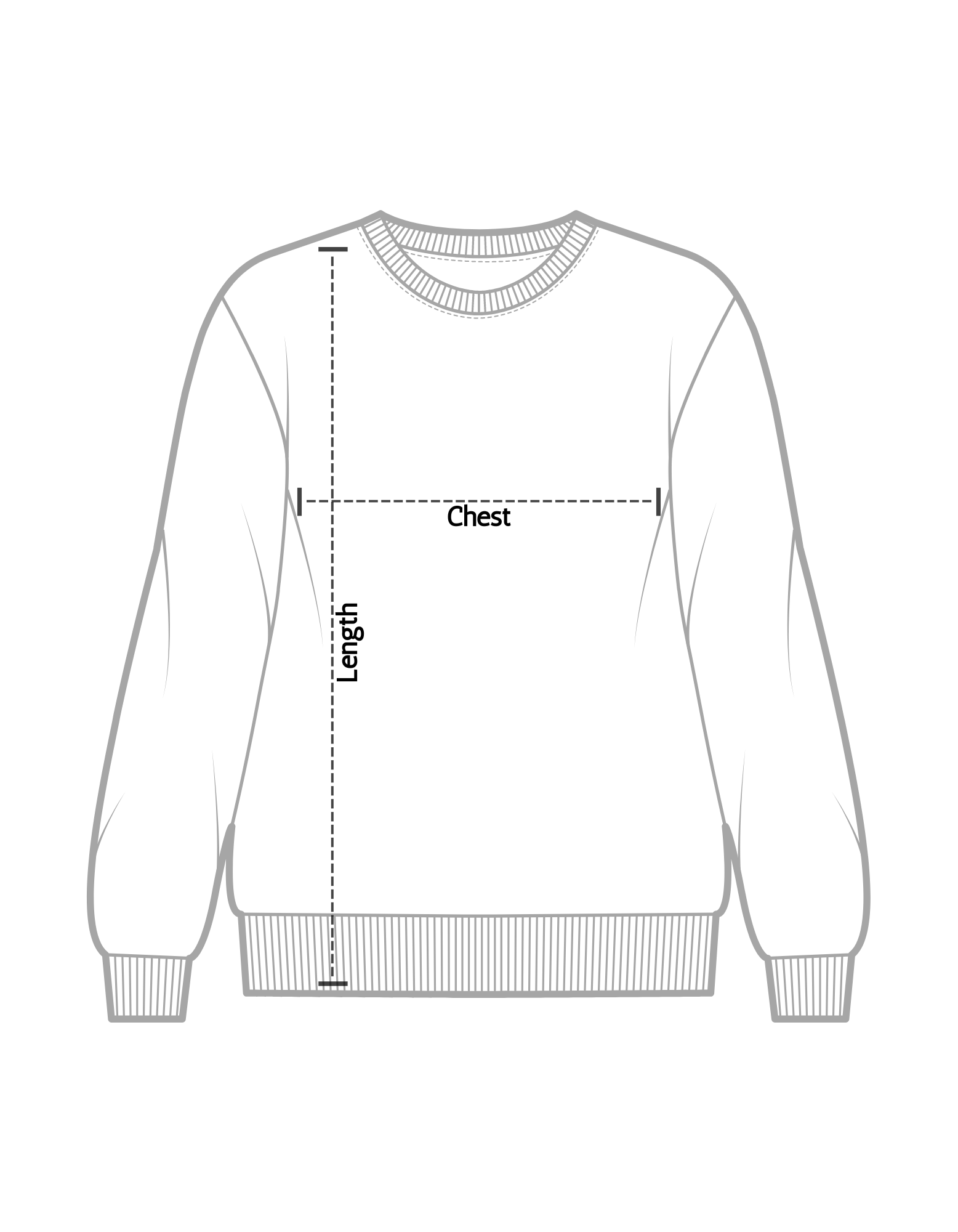
A sweatshirt is commonly a pullover knit top without a hood; a hoodie adds a hood and often a front pouch or pockets. Both may come in brushed fleece, loopback or other fabrics. Neither name guarantees a particular temperature rating, fabric weight or quality.
Everyday example: For a classroom or office with mild air conditioning, a simple sweatshirt may feel neat. For a windy morning commute, a hood can be useful, but it does not replace a weatherproof outer layer.
How to use this advice: When deciding between these garments, try the same movement test in both: sit, reach forward, lift your arms and wear your usual inner T-shirt. Notice neckline pressure, hem movement and how the shoulders settle. Look at the actual fabric composition and product photos rather than relying on the name alone. A hoodie may suit one commute while a crew-neck sweatshirt is easier under a structured jacket. Your daily setting matters more than a universal winner. Think about a full day rather than a five-minute fitting: commuting, sitting, walking and changing temperature can reveal details a catalogue pose hides.
What to check before deciding: A useful comparison includes three questions: what changes physically, what changes visually, and what changes in maintenance? Answer those separately before judging the option. For the short answer: sweatshirt or hoodie?, read the exact garment specification and be clear whether you are comparing appearance, comfort, construction or aftercare. Product photographs, fabric labels and measurements complement one another; none should be treated as the entire story. If a detail is not disclosed, do not assume it is present. This is especially important when comparing different garment types, printing finishes and online fit descriptions.
Compare warmth without judging by appearance
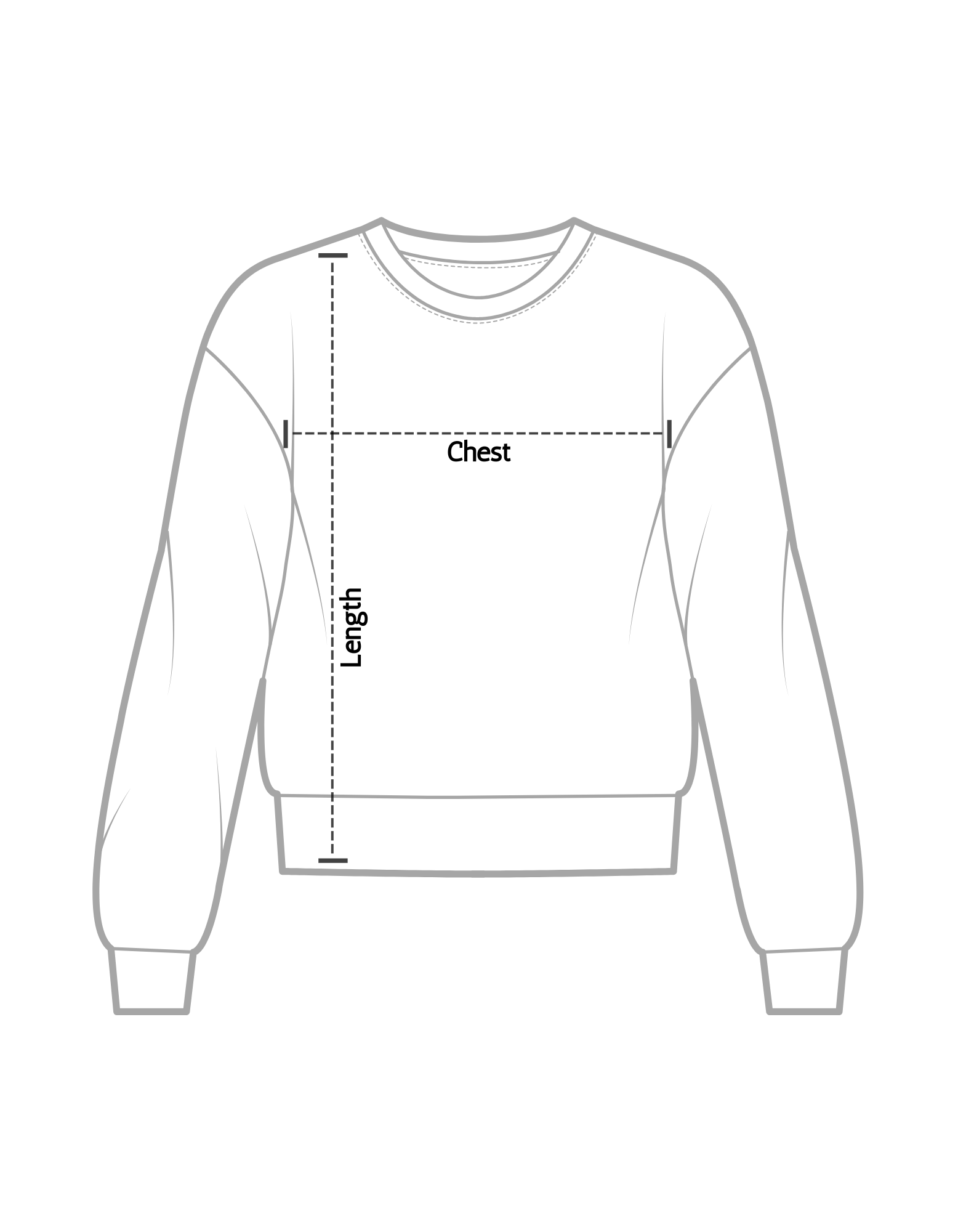
Warmth depends on fabric thickness, knit, interior finish, the amount of air held between layers and how closely the garment fits. A heavy-looking hood does not prove the torso fabric is warmer. An oversized opening may let cold air move around the body.
Everyday example: In North India, someone walking outside at dawn may prefer a T-shirt, sweatshirt and jacket combination. Someone in a heated car may prefer a lighter hoodie that can be removed quickly.
How to use this advice: When deciding between these garments, try the same movement test in both: sit, reach forward, lift your arms and wear your usual inner T-shirt. Notice neckline pressure, hem movement and how the shoulders settle. Look at the actual fabric composition and product photos rather than relying on the name alone. A hoodie may suit one commute while a crew-neck sweatshirt is easier under a structured jacket. Your daily setting matters more than a universal winner. If you are buying online, place the product chart next to a garment you already own. Note what you want to improve and what already works; changing several variables at once makes comparison harder.
What to check before deciding: There is rarely one correct answer for everyone. A student, a commuter, an office worker and a traveller may value different details, so choose for the place you will actually wear it. For compare warmth without judging by appearance, read the exact garment specification and be clear whether you are comparing appearance, comfort, construction or aftercare. Product photographs, fabric labels and measurements complement one another; none should be treated as the entire story. If a detail is not disclosed, do not assume it is present. This is especially important when comparing different garment types, printing finishes and online fit descriptions.
How the hood changes practical comfort
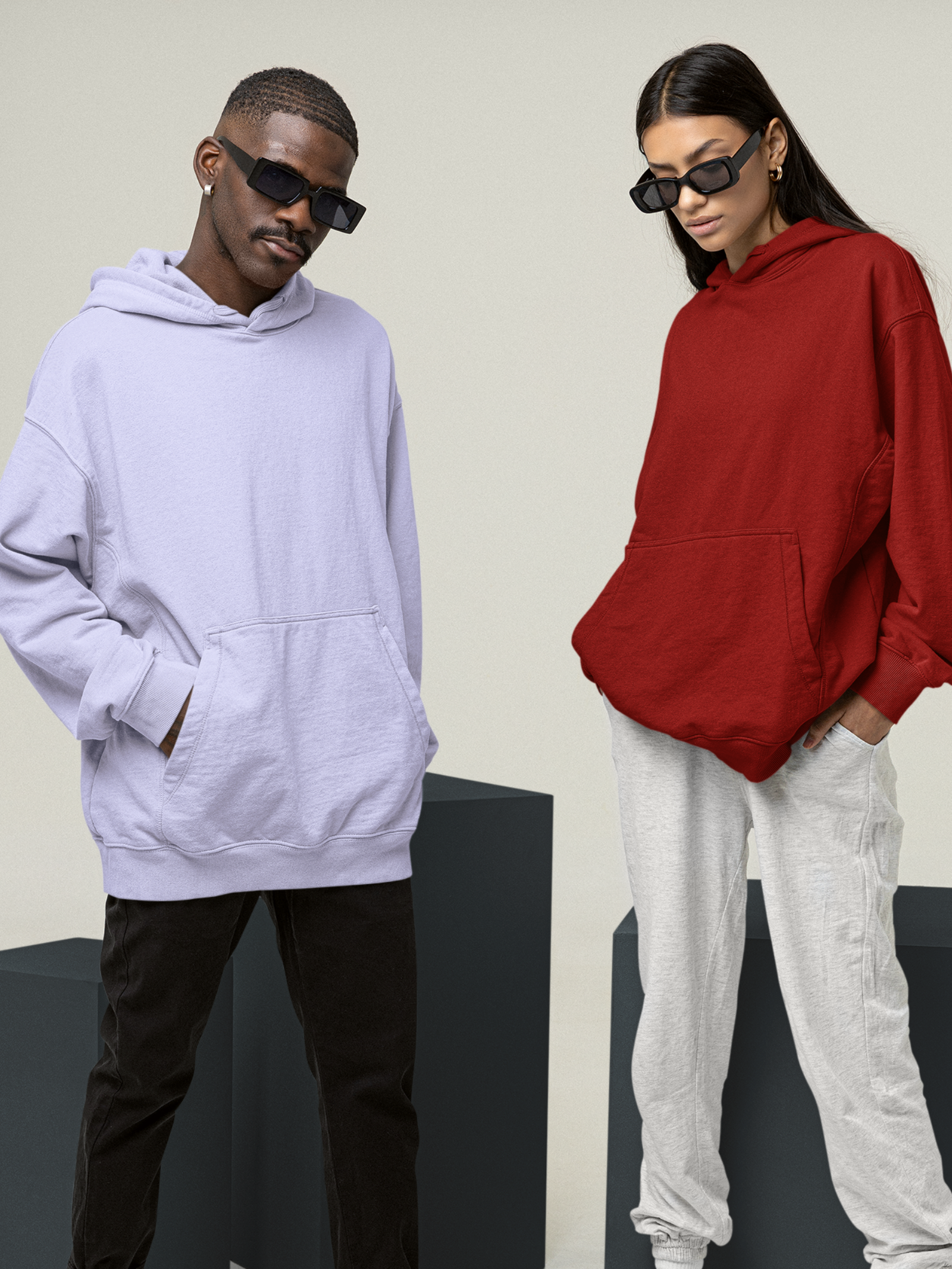
A hood can cover the head briefly and create a relaxed streetwear shape, but it adds bulk at the neckline. Under a helmet, formal coat or backpack, bunching fabric may be uncomfortable. Hood drawcords also need sensible handling around equipment.
Everyday example: For college travel, a hood may be convenient at a bus stop. During a desk job, a smooth crew neckline often lies better under a blazer or overshirt.
How to use this advice: When deciding between these garments, try the same movement test in both: sit, reach forward, lift your arms and wear your usual inner T-shirt. Notice neckline pressure, hem movement and how the shoulders settle. Look at the actual fabric composition and product photos rather than relying on the name alone. A hoodie may suit one commute while a crew-neck sweatshirt is easier under a structured jacket. Your daily setting matters more than a universal winner. Consider care and repeat wear before deciding. An item that looks good in a picture may not suit your laundry routine, layering needs or preferred silhouettes.
What to check before deciding: Do not treat a trend name, product colour or a single measurement as a promise. Reading the complete listing helps distinguish the intended look from a feature the product does not claim. For how the hood changes practical comfort, read the exact garment specification and be clear whether you are comparing appearance, comfort, construction or aftercare. Product photographs, fabric labels and measurements complement one another; none should be treated as the entire story. If a detail is not disclosed, do not assume it is present. This is especially important when comparing different garment types, printing finishes and online fit descriptions.
Crew necklines and layering options

A crew-neck sweatshirt sits flatter under bomber jackets, denim jackets and coats. Hoodies produce a different silhouette because the hood rests over the outer layer or must fit inside it. Match the outer garment's collar to avoid crowded fabric.
Everyday example: Try a white or charcoal sweatshirt over a crew-neck tee for neat casualwear. For laid-back streetwear, an open jacket over a contrasting hoodie creates visible layers.
How to use this advice: When deciding between these garments, try the same movement test in both: sit, reach forward, lift your arms and wear your usual inner T-shirt. Notice neckline pressure, hem movement and how the shoulders settle. Look at the actual fabric composition and product photos rather than relying on the name alone. A hoodie may suit one commute while a crew-neck sweatshirt is easier under a structured jacket. Your daily setting matters more than a universal winner. Think about a full day rather than a five-minute fitting: commuting, sitting, walking and changing temperature can reveal details a catalogue pose hides.
What to check before deciding: A simple decision method is to compare the option you already use with the new one, note the specific improvement you seek, and avoid paying attention to details that will not matter in your day. For crew necklines and layering options, read the exact garment specification and be clear whether you are comparing appearance, comfort, construction or aftercare. Product photographs, fabric labels and measurements complement one another; none should be treated as the entire story. If a detail is not disclosed, do not assume it is present. This is especially important when comparing different garment types, printing finishes and online fit descriptions.
Pockets, zips and storage
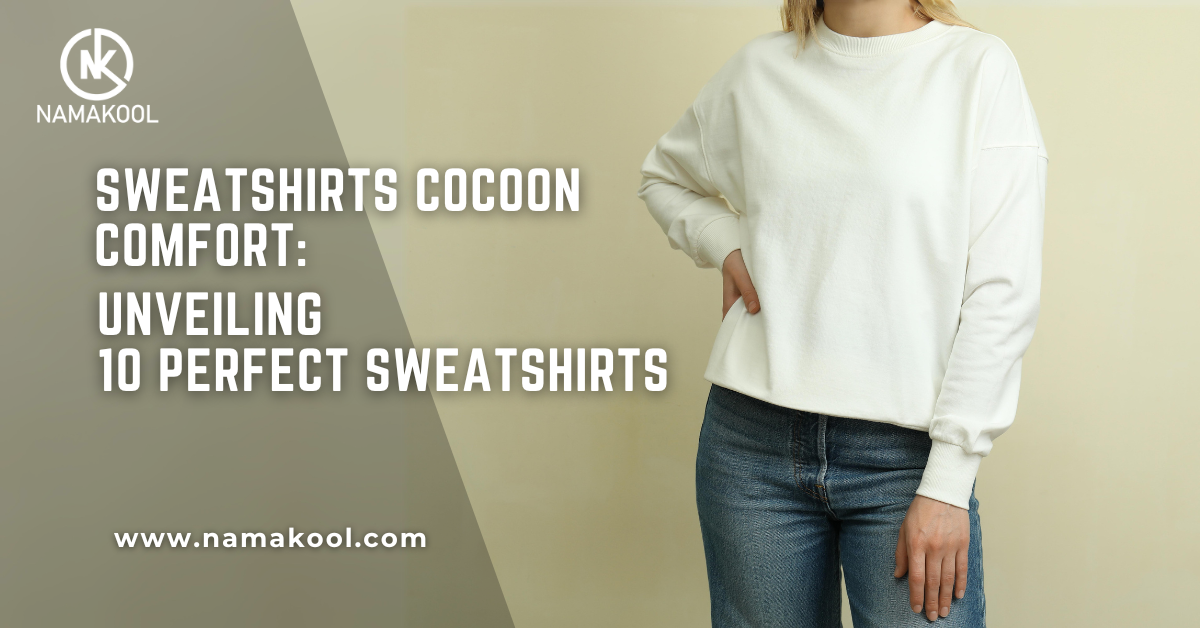
Kangaroo pouches are handy for briefly warming hands but poor for safely holding expensive devices while moving. Some sweatshirts have no pockets; others have discreet side pockets. A zip hoodie offers ventilation and easy removal.
Everyday example: If you travel with a backpack, check whether a front pouch presses uncomfortably beneath its straps. A plain crew-neck may be simpler when you already carry a crossbody bag.
How to use this advice: When deciding between these garments, try the same movement test in both: sit, reach forward, lift your arms and wear your usual inner T-shirt. Notice neckline pressure, hem movement and how the shoulders settle. Look at the actual fabric composition and product photos rather than relying on the name alone. A hoodie may suit one commute while a crew-neck sweatshirt is easier under a structured jacket. Your daily setting matters more than a universal winner. If you are buying online, place the product chart next to a garment you already own. Note what you want to improve and what already works; changing several variables at once makes comparison harder.
What to check before deciding: A useful comparison includes three questions: what changes physically, what changes visually, and what changes in maintenance? Answer those separately before judging the option. For pockets, zips and storage, read the exact garment specification and be clear whether you are comparing appearance, comfort, construction or aftercare. Product photographs, fabric labels and measurements complement one another; none should be treated as the entire story. If a detail is not disclosed, do not assume it is present. This is especially important when comparing different garment types, printing finishes and online fit descriptions.
Regular fit versus oversized fit
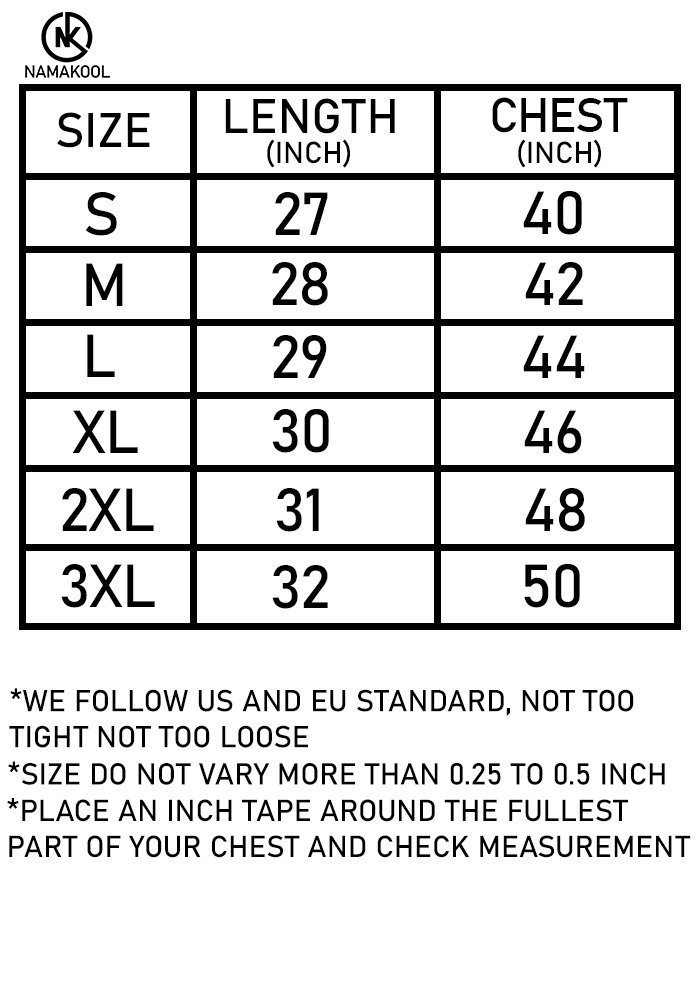
A regular fit generally keeps the shoulder and body closer to conventional measurements; an oversized fit is intentionally wider or dropped-shouldered. Going up several sizes does not necessarily reproduce the proportions of an oversized pattern.
Everyday example: For wide-leg jeans or cargos, a boxy hoodie can balance the trousers. For narrow chinos, a moderately relaxed sweatshirt often keeps the silhouette clean.
How to use this advice: When deciding between these garments, try the same movement test in both: sit, reach forward, lift your arms and wear your usual inner T-shirt. Notice neckline pressure, hem movement and how the shoulders settle. Look at the actual fabric composition and product photos rather than relying on the name alone. A hoodie may suit one commute while a crew-neck sweatshirt is easier under a structured jacket. Your daily setting matters more than a universal winner. Consider care and repeat wear before deciding. An item that looks good in a picture may not suit your laundry routine, layering needs or preferred silhouettes.
What to check before deciding: There is rarely one correct answer for everyone. A student, a commuter, an office worker and a traveller may value different details, so choose for the place you will actually wear it. For regular fit versus oversized fit, read the exact garment specification and be clear whether you are comparing appearance, comfort, construction or aftercare. Product photographs, fabric labels and measurements complement one another; none should be treated as the entire story. If a detail is not disclosed, do not assume it is present. This is especially important when comparing different garment types, printing finishes and online fit descriptions.
Related Namakool guide: explore this comparison and its buying checks. For the practical meaning of laundry symbols, see the official GINETEX care-symbol reference. Specific garment care labels always take priority.
Choosing by weather across India
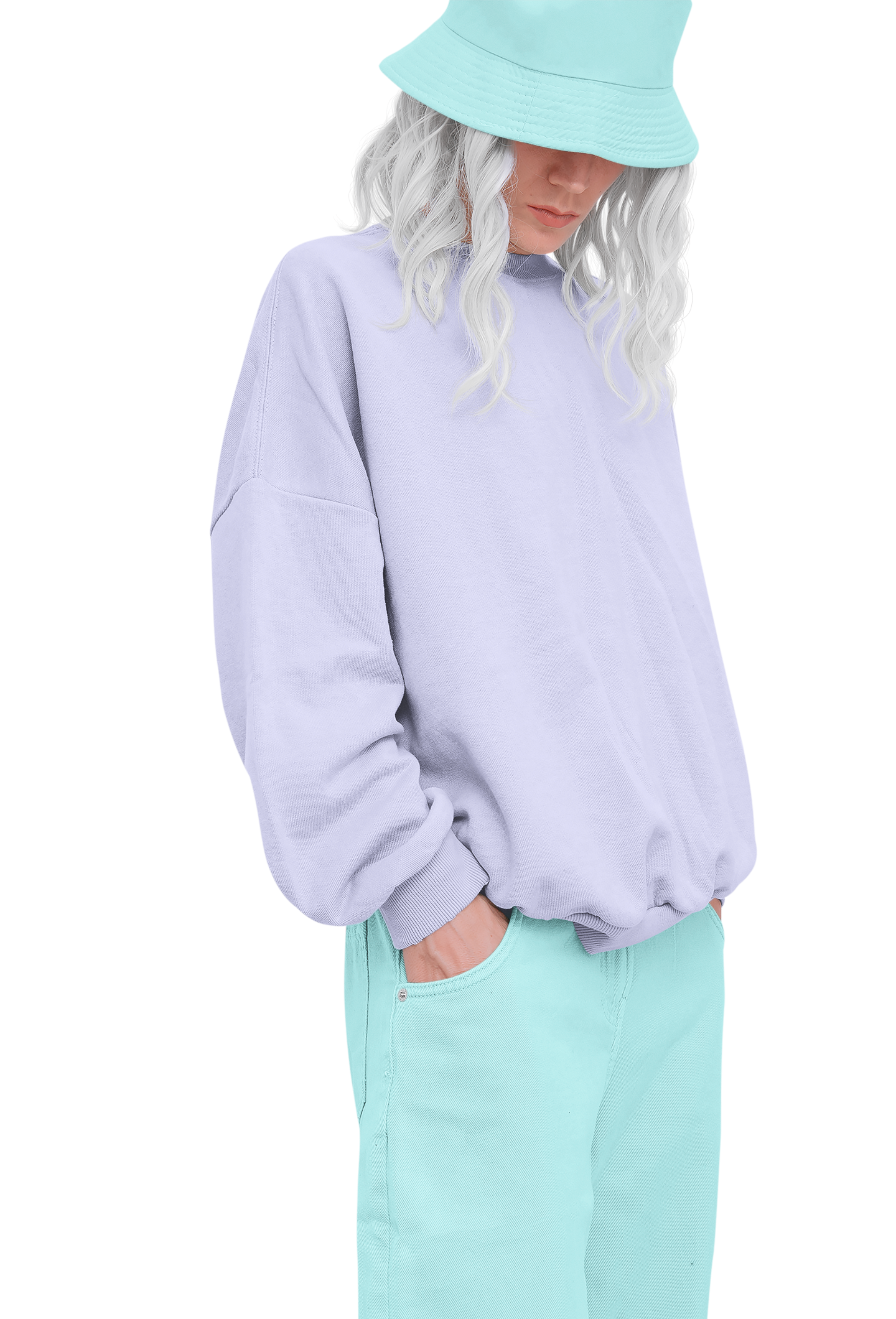
Indian winters vary greatly between coastal cities, the northern plains and hill destinations. Breathability, indoor temperature and activity are often more important than a single statement about which garment is warmer. Neither item should be treated as a substitute for weather protection.
Everyday example: A relatively light sweatshirt can work in Mumbai air conditioning. A Shimla evening may demand thermal layers and a proper jacket over either choice.
How to use this advice: When deciding between these garments, try the same movement test in both: sit, reach forward, lift your arms and wear your usual inner T-shirt. Notice neckline pressure, hem movement and how the shoulders settle. Look at the actual fabric composition and product photos rather than relying on the name alone. A hoodie may suit one commute while a crew-neck sweatshirt is easier under a structured jacket. Your daily setting matters more than a universal winner. Think about a full day rather than a five-minute fitting: commuting, sitting, walking and changing temperature can reveal details a catalogue pose hides.
What to check before deciding: Do not treat a trend name, product colour or a single measurement as a promise. Reading the complete listing helps distinguish the intended look from a feature the product does not claim. For choosing by weather across india, read the exact garment specification and be clear whether you are comparing appearance, comfort, construction or aftercare. Product photographs, fabric labels and measurements complement one another; none should be treated as the entire story. If a detail is not disclosed, do not assume it is present. This is especially important when comparing different garment types, printing finishes and online fit descriptions.
Outfit formulas for men
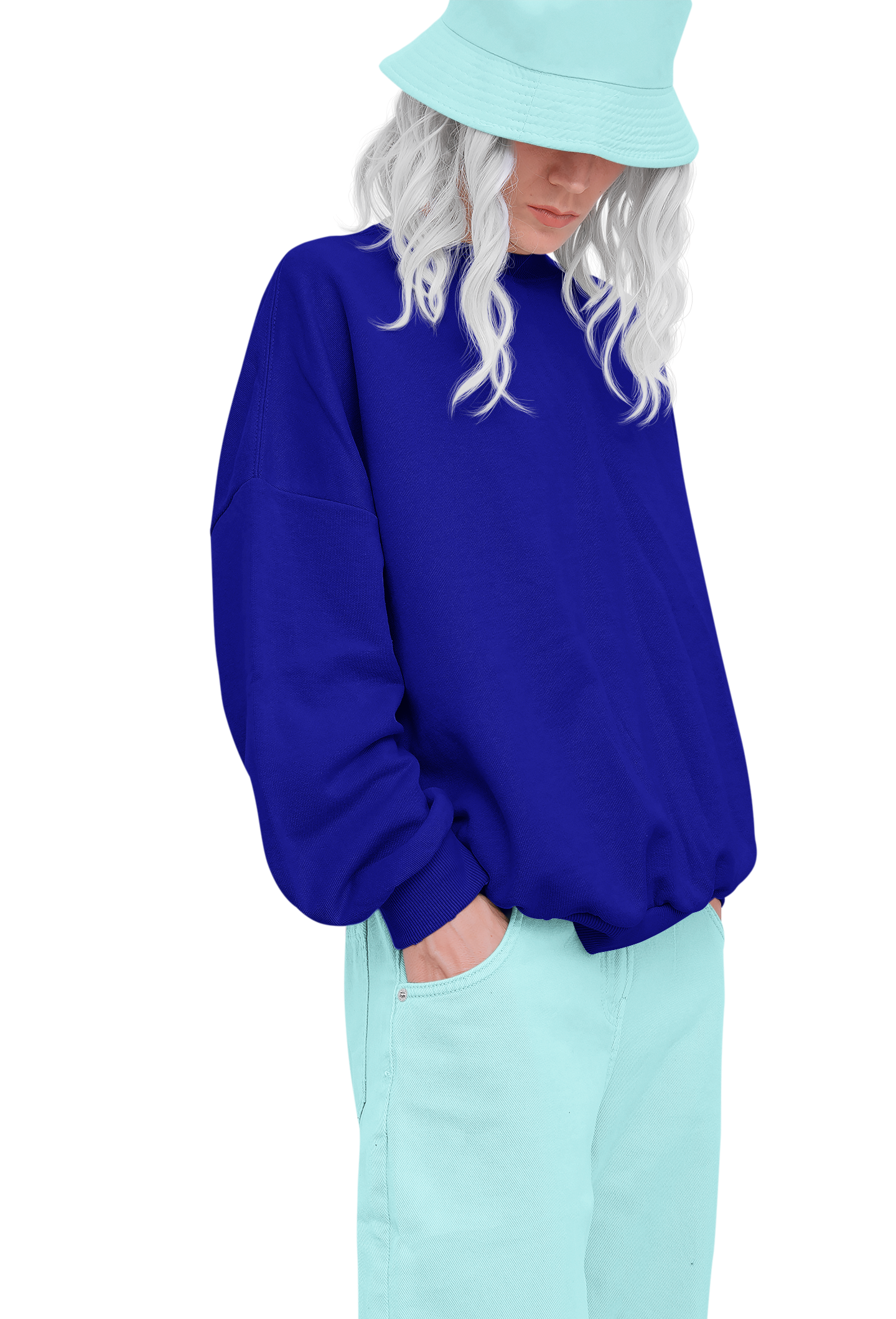
Crew-neck sweatshirts work with straight jeans, chinos and low-profile trainers. Hoodies are an easy match with joggers, cargos and denim. Keep one part of the outfit visually simple when the top is oversized or brightly coloured.
Everyday example: Try navy sweatshirt, stone chinos and white trainers for a smart-casual weekend. Try black hoodie, washed denim and neutral sneakers for a relaxed campus look.
How to use this advice: When deciding between these garments, try the same movement test in both: sit, reach forward, lift your arms and wear your usual inner T-shirt. Notice neckline pressure, hem movement and how the shoulders settle. Look at the actual fabric composition and product photos rather than relying on the name alone. A hoodie may suit one commute while a crew-neck sweatshirt is easier under a structured jacket. Your daily setting matters more than a universal winner. If you are buying online, place the product chart next to a garment you already own. Note what you want to improve and what already works; changing several variables at once makes comparison harder.
What to check before deciding: A simple decision method is to compare the option you already use with the new one, note the specific improvement you seek, and avoid paying attention to details that will not matter in your day. For outfit formulas for men, read the exact garment specification and be clear whether you are comparing appearance, comfort, construction or aftercare. Product photographs, fabric labels and measurements complement one another; none should be treated as the entire story. If a detail is not disclosed, do not assume it is present. This is especially important when comparing different garment types, printing finishes and online fit descriptions.
Outfit formulas for women

A cropped or tucked-look sweatshirt with wide-leg trousers can define the waist. A longer hoodie with leggings, relaxed jeans or a skirt creates a different balance. Both styles can be layered without requiring a single body type or fashion rule.
Everyday example: For a café outing, pair a cream sweatshirt with straight blue jeans. For travel, combine an olive hoodie with dark joggers and comfortable shoes.
How to use this advice: When deciding between these garments, try the same movement test in both: sit, reach forward, lift your arms and wear your usual inner T-shirt. Notice neckline pressure, hem movement and how the shoulders settle. Look at the actual fabric composition and product photos rather than relying on the name alone. A hoodie may suit one commute while a crew-neck sweatshirt is easier under a structured jacket. Your daily setting matters more than a universal winner. Consider care and repeat wear before deciding. An item that looks good in a picture may not suit your laundry routine, layering needs or preferred silhouettes.
What to check before deciding: A useful comparison includes three questions: what changes physically, what changes visually, and what changes in maintenance? Answer those separately before judging the option. For outfit formulas for women, read the exact garment specification and be clear whether you are comparing appearance, comfort, construction or aftercare. Product photographs, fabric labels and measurements complement one another; none should be treated as the entire story. If a detail is not disclosed, do not assume it is present. This is especially important when comparing different garment types, printing finishes and online fit descriptions.
How to compare fabric and finishing
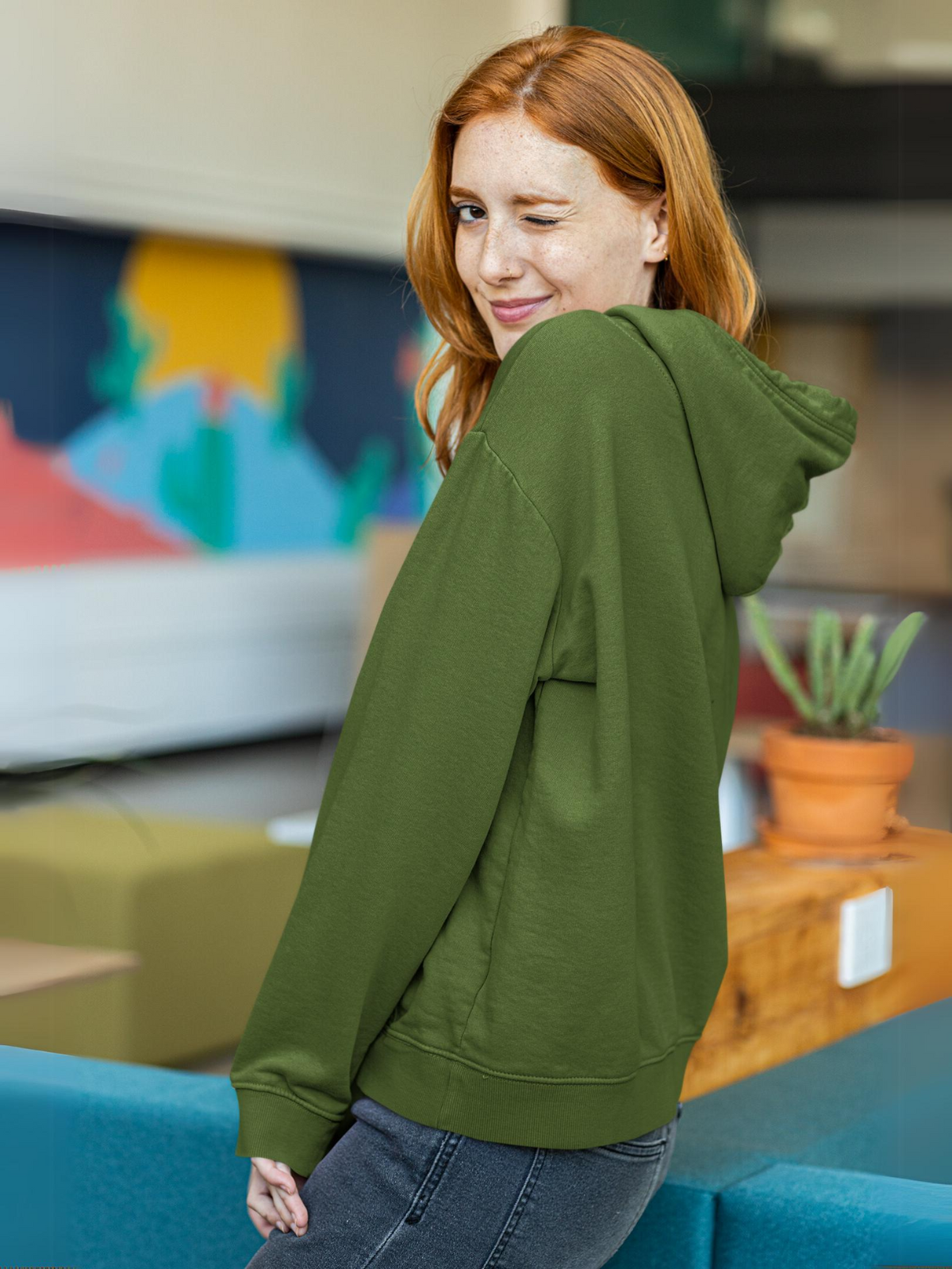
Read fibre content and care instructions; inspect seams, ribbing, cuffs and neckline construction. Fabric weight alone does not reveal softness, pilling behaviour or long-term shape retention. Product photos and measurements help but cannot replace checking the listing details.
Everyday example: Compare two similarly priced options by sleeve length, hem depth and wash guidance. A sturdy cuff and clear measurement chart are more informative than vague premium-quality slogans.
How to use this advice: When deciding between these garments, try the same movement test in both: sit, reach forward, lift your arms and wear your usual inner T-shirt. Notice neckline pressure, hem movement and how the shoulders settle. Look at the actual fabric composition and product photos rather than relying on the name alone. A hoodie may suit one commute while a crew-neck sweatshirt is easier under a structured jacket. Your daily setting matters more than a universal winner. Think about a full day rather than a five-minute fitting: commuting, sitting, walking and changing temperature can reveal details a catalogue pose hides.
What to check before deciding: There is rarely one correct answer for everyone. A student, a commuter, an office worker and a traveller may value different details, so choose for the place you will actually wear it. For how to compare fabric and finishing, read the exact garment specification and be clear whether you are comparing appearance, comfort, construction or aftercare. Product photographs, fabric labels and measurements complement one another; none should be treated as the entire story. If a detail is not disclosed, do not assume it is present. This is especially important when comparing different garment types, printing finishes and online fit descriptions.
Washing, drying and storage

Follow the specific care label, turn garments inside out when appropriate and avoid excessive heat when the label advises against it. Heavier knits can take longer to dry; store only after fully dry to avoid musty smells.
Everyday example: For a hoodie with a printed front, protect the print while laundering. For a plain sweatshirt, reshape the hem and cuffs gently after washing and dry as instructed.
How to use this advice: When deciding between these garments, try the same movement test in both: sit, reach forward, lift your arms and wear your usual inner T-shirt. Notice neckline pressure, hem movement and how the shoulders settle. Look at the actual fabric composition and product photos rather than relying on the name alone. A hoodie may suit one commute while a crew-neck sweatshirt is easier under a structured jacket. Your daily setting matters more than a universal winner. If you are buying online, place the product chart next to a garment you already own. Note what you want to improve and what already works; changing several variables at once makes comparison harder.
What to check before deciding: Do not treat a trend name, product colour or a single measurement as a promise. Reading the complete listing helps distinguish the intended look from a feature the product does not claim. For washing, drying and storage, read the exact garment specification and be clear whether you are comparing appearance, comfort, construction or aftercare. Product photographs, fabric labels and measurements complement one another; none should be treated as the entire story. If a detail is not disclosed, do not assume it is present. This is especially important when comparing different garment types, printing finishes and online fit descriptions.
Frequently asked questions about sweatshirts and hoodies

Which is better for winter? Choose the construction and layers suited to your weather. Are hoodies more casual? Often, although styling can change the impression. Is oversized warmer? Not automatically; airflow matters. Can both be worn in offices? It depends on dress code. Which is easier to layer? Crew-necks usually sit flatter under jackets.
Everyday example: These are general buying principles, not a claim that every Namakool garment has the same fabric, cut or thermal performance. Check the particular size chart and product page before selecting a colour or size.
How to use this advice: When deciding between these garments, try the same movement test in both: sit, reach forward, lift your arms and wear your usual inner T-shirt. Notice neckline pressure, hem movement and how the shoulders settle. Look at the actual fabric composition and product photos rather than relying on the name alone. A hoodie may suit one commute while a crew-neck sweatshirt is easier under a structured jacket. Your daily setting matters more than a universal winner. Consider care and repeat wear before deciding. An item that looks good in a picture may not suit your laundry routine, layering needs or preferred silhouettes.
What to check before deciding: A simple decision method is to compare the option you already use with the new one, note the specific improvement you seek, and avoid paying attention to details that will not matter in your day. For frequently asked questions about sweatshirts and hoodies, read the exact garment specification and be clear whether you are comparing appearance, comfort, construction or aftercare. Product photographs, fabric labels and measurements complement one another; none should be treated as the entire story. If a detail is not disclosed, do not assume it is present. This is especially important when comparing different garment types, printing finishes and online fit descriptions.
More helpful reading: another Namakool fit and styling guide. For background on textile materials and production research, explore Textile Exchange. Independent educational resources provide context, not product-specific guarantees.
Ready to compare options? Browse MEN, WOMEN and the Namakool shop. Compare product images, sizes, prices, current stock and stated return information before placing an order.