
Namakool India fashion and apparel guide · October 2026
how to measure T shirt size at home is the focus of this guide. Rather than presenting a generic list of trends, the sections explain a repeatable garment-measurement method that helps shoppers compare actual product size charts with distinct buying decisions, real-world styling examples and practical checks that can be applied in India. Exact product pricing, materials and sizes should be verified on current listings; images illustrate styles and garments rather than certifying complete outfits or manufacturing results.
Quick answer: Consider fit, the activity you are dressing for, fabric construction, repeat wear and the pieces already in your wardrobe. For customised clothing, evaluate the artwork, garment and sample together. For size questions, use the specific retailer’s measuring conventions. These steps are usually more reliable than choosing only by a photograph, an unverified performance claim or a trend label.
1. Start with a T-shirt you already like wearing

What matters: Lay a clean, comfortable T-shirt on a flat surface without stretching the fabric. Choose one whose fit you enjoy, rather than measuring an item that is too tight or worn out. Taking measurements from a well-fitting garment gives you a practical reference for shopping online. Use the same units as the product size chart, and note whether the chart describes body or garment dimensions.
A practical example: A notebook or phone note with the garment’s chest width, length and sleeve length can help with future orders. Think about the specific garment or occasion involved rather than applying the idea to every product with the same label. A suitable choice will make sense during real movement, repeat wear and the normal care process, not just as a styled photograph.
What to avoid: A stretched-out collar or misshapen shirt can give an unreliable comparison. The product listing or supplier’s documented specifications should resolve any uncertainty that affects your purchase, especially when choosing a new fit or production method.
Fit, shopping and wardrobe context: Before making a purchase, compare the relevant garment measurements with a piece you already own. Size names and photographs cannot confirm the way an item will feel while sitting, walking or layering. A practical outfit needs to suit the actual setting, including your commute, activities and any dress expectations. If there is a choice between recreating a photograph exactly and choosing a more comfortable combination, prioritize the one you can rewear regularly. This matters for a repeatable garment-measurement method that helps shoppers compare actual product size charts because the best decision can change when you compare an actual T-shirt, trouser, hoodie or customisation sample against the image that inspired the idea.
2. Chest width: measure underarm to underarm

What matters: Smooth the garment and measure straight across from one underarm seam to the other at the widest relevant point specified by the retailer. This flat width is not automatically identical to a full body chest measurement. Some charts show a garment’s half-chest, while others show circumference or a recommended body range. Read the chart heading carefully before comparing numbers.
A practical example: Record both the measurement and whether it was taken flat in centimetres or inches. Think about the specific garment or occasion involved rather than applying the idea to every product with the same label. A suitable choice will make sense during real movement, repeat wear and the normal care process, not just as a styled photograph.
What to avoid: Do not compare a half-chest width against a full chest circumference as if they were the same quantity. The product listing or supplier’s documented specifications should resolve any uncertainty that affects your purchase, especially when choosing a new fit or production method.
Fit, shopping and wardrobe context: Consider the whole item, not just the visible colour or headline price. Read material composition, finishing details, care instructions and the available size chart. A garment may look substantial in a photo but its weather suitability depends on construction and conditions. For a special event or bulk purchase, checking delivery and returns or approval procedures is more useful than relying on a promise implied by a styling image. This matters for a repeatable garment-measurement method that helps shoppers compare actual product size charts because the best decision can change when you compare an actual T-shirt, trouser, hoodie or customisation sample against the image that inspired the idea.
3. Body length: identify the shoulder-to-hem distance

What matters: Measure the garment length using the retailer’s specified start and end points, often near the highest shoulder point to the bottom hem. Be aware that different patterns and chart conventions can start from slightly different places. A longer T-shirt may cover more of the trousers, while a shorter one changes the visible waistline. The goal is to match the fit you prefer, not a universal length.
A practical example: Compare length on a T-shirt you own with the actual product’s stated measuring method. Think about the specific garment or occasion involved rather than applying the idea to every product with the same label. A suitable choice will make sense during real movement, repeat wear and the normal care process, not just as a styled photograph.
What to avoid: Do not assume two shirts with the same chest size have the same body length. The product listing or supplier’s documented specifications should resolve any uncertainty that affects your purchase, especially when choosing a new fit or production method.
Fit, shopping and wardrobe context: Try a second version using clothing already in your wardrobe. Change only one element such as the trouser colour, the base layer, an overshirt or the neckline. That experiment reveals whether a new garment will actually create more outfit combinations or merely duplicate something you own. It also helps keep the advice practical for Indian cities with very different indoor and outdoor temperatures. This matters for a repeatable garment-measurement method that helps shoppers compare actual product size charts because the best decision can change when you compare an actual T-shirt, trouser, hoodie or customisation sample against the image that inspired the idea.
4. Shoulder width and drop-shoulder constructions

What matters: For a conventional T-shirt, shoulder width may be measured between seam points across the upper back. Oversized garments often move the shoulder seams lower on the arm, changing the relationship between measured shoulder width and the body. Therefore a broad shoulder measurement in a dropped-shoulder tee does not necessarily mean it is the wrong size.
A practical example: Look at shoulder-seam placement in product photos as well as the chart. Think about the specific garment or occasion involved rather than applying the idea to every product with the same label. A suitable choice will make sense during real movement, repeat wear and the normal care process, not just as a styled photograph.
What to avoid: Do not treat a drop shoulder as a manufacturing defect merely because it differs from a regular tee. The product listing or supplier’s documented specifications should resolve any uncertainty that affects your purchase, especially when choosing a new fit or production method.
Fit, shopping and wardrobe context: Comfort depends on proportions, movement and personal preference, not on a universal rule about body type. Look at the sleeves, hem and shoulder line during ordinary activity and check whether a bag strap or outer jacket changes the fit. For bottoms, think about the waistband, rise, pocket access and hem length. An outfit that looks good when standing still can be inconvenient after a long commute. This matters for a repeatable garment-measurement method that helps shoppers compare actual product size charts because the best decision can change when you compare an actual T-shirt, trouser, hoodie or customisation sample against the image that inspired the idea.
5. Sleeve length and sleeve opening

What matters: Sleeve length can be measured from the shoulder seam to the cuff or using another retailer-specific method. For oversized tees, the seam position and sleeve opening may make sleeves appear longer or wider even when the size label is unchanged. Choose enough upper-arm room for comfort and check where the sleeve ends when you move.
A practical example: If buying a full-sleeve tee, compare wrist finish and sleeve length with one you already own. Think about the specific garment or occasion involved rather than applying the idea to every product with the same label. A suitable choice will make sense during real movement, repeat wear and the normal care process, not just as a styled photograph.
What to avoid: Do not rely solely on the model’s arm length as your measurement reference. The product listing or supplier’s documented specifications should resolve any uncertainty that affects your purchase, especially when choosing a new fit or production method.
Fit, shopping and wardrobe context: Treat product descriptions as information to check, not reasons to assume performance. Words such as premium, heavy, quick-drying and durable can refer to different attributes. Where a functional claim matters, ask what it means for the specific item. Review a sample if possible and avoid concluding that all clothes with the same fibre label, print technology or silhouette will behave identically. This matters for a repeatable garment-measurement method that helps shoppers compare actual product size charts because the best decision can change when you compare an actual T-shirt, trouser, hoodie or customisation sample against the image that inspired the idea.
6. Measure your body only when the chart needs body measurements

What matters: Some retailers provide body-size recommendations such as full chest or bust circumference rather than actual garment dimensions. In that case, take a flexible tape measure around the appropriate body point without pulling it tightly, following the chart’s instructions. Keep the tape level and ask for help if needed. Body measurements and garment measurements answer different questions.
A practical example: Choose the chart method explicitly stated by the shop rather than mixing the two approaches. Think about the specific garment or occasion involved rather than applying the idea to every product with the same label. A suitable choice will make sense during real movement, repeat wear and the normal care process, not just as a styled photograph.
What to avoid: A size chart should not be treated as exact if its measuring convention is unknown. The product listing or supplier’s documented specifications should resolve any uncertainty that affects your purchase, especially when choosing a new fit or production method.
Fit, shopping and wardrobe context: Colour decisions become easier when the garment will pair with more than one existing bottom or layer. Neutrals such as cream, black, navy, grey and brown may be helpful, but there is no obligation to buy them. Compare colours in available photos and consider that lighting and screens can alter their appearance. A sensible wardrobe reflects personal use rather than an artificially perfect matching set. This matters for a repeatable garment-measurement method that helps shoppers compare actual product size charts because the best decision can change when you compare an actual T-shirt, trouser, hoodie or customisation sample against the image that inspired the idea.
7. Regular, relaxed and oversized fit differences

What matters: A regular-fit tee may follow the body more closely, whereas a relaxed or oversized style intentionally contains extra room. However, there is no universal centimetre allowance shared by all brands. Design choices can include a boxy body, dropped shoulders and a particular length. Choose according to your comfort and the silhouette you want, using actual dimensions rather than only the label.
A practical example: Compare two product charts side by side, noting each garment’s body width and length. Think about the specific garment or occasion involved rather than applying the idea to every product with the same label. A suitable choice will make sense during real movement, repeat wear and the normal care process, not just as a styled photograph.
What to avoid: Buying two standard sizes larger may produce a different cut from a purpose-designed oversized shirt. The product listing or supplier’s documented specifications should resolve any uncertainty that affects your purchase, especially when choosing a new fit or production method.
Fit, shopping and wardrobe context: Good styling also includes how a garment is cared for after several wears. Check the wash label and any instructions for prints, trim or fabric finishes. Avoid assuming one decorating method or garment type automatically has a longer lifespan. Fabric construction, use and maintenance all influence wear. If a piece needs special treatment, decide whether that care routine fits your everyday life before ordering. This matters for a repeatable garment-measurement method that helps shoppers compare actual product size charts because the best decision can change when you compare an actual T-shirt, trouser, hoodie or customisation sample against the image that inspired the idea.
8. Size labels across men, women and unisex products

What matters: S, M, L and XL are names, not reliable universal measurements across brands or different garment patterns. A unisex size chart may differ from a women’s fitted tee chart, and a men’s standard size may differ from an oversized product within the same store. Match measurements to the specific listing instead of converting by intuition. Size guides should be read with the intended design and body fit in mind.
A practical example: Record the garment size chart you used and your chosen size for future reference. Think about the specific garment or occasion involved rather than applying the idea to every product with the same label. A suitable choice will make sense during real movement, repeat wear and the normal care process, not just as a styled photograph.
What to avoid: Do not assume an equivalent letter size will fit the same across categories. The product listing or supplier’s documented specifications should resolve any uncertainty that affects your purchase, especially when choosing a new fit or production method.
Fit, shopping and wardrobe context: Think about what happens when a layer is removed or when the activity changes. A base tee can remain comfortable indoors, a hoodie can be packed for the afternoon, or a polo can be worn in a different setting with another bottom. Buying a garment that adapts well can be more useful than buying a complete outfit designed for one photo. Check actual climate and the venue’s requirements. This matters for a repeatable garment-measurement method that helps shoppers compare actual product size charts because the best decision can change when you compare an actual T-shirt, trouser, hoodie or customisation sample against the image that inspired the idea.
9. Fabric, laundering and the fit you maintain

What matters: A product’s fibre composition, construction and care instructions matter for how the garment feels and changes with use. Some garments may change dimensions after laundering, but the amount depends on material and finishing, so avoid a universal shrinkage percentage. Proper care supports repeat wear and can help you keep a fit you enjoy. Use the actual label for wash and drying conditions.
A practical example: If your reference shirt has noticeably changed over time, measure another one as a cross-check. Think about the specific garment or occasion involved rather than applying the idea to every product with the same label. A suitable choice will make sense during real movement, repeat wear and the normal care process, not just as a styled photograph.
What to avoid: Do not automatically buy an oversized size to compensate for an unverified shrinkage claim. The product listing or supplier’s documented specifications should resolve any uncertainty that affects your purchase, especially when choosing a new fit or production method.
Fit, shopping and wardrobe context: Do not infer garment size, material behaviour or colour from one model photograph. Compare multiple product views, a stated size guide and the product’s written details. In high-volume or branded apparel purchases, approve the exact garment and decoration sample before production when feasible. In personal shopping, measuring a favourite item can reduce uncertainty, though it cannot guarantee perfect fit. This matters for a repeatable garment-measurement method that helps shoppers compare actual product size charts because the best decision can change when you compare an actual T-shirt, trouser, hoodie or customisation sample against the image that inspired the idea.
10. Before checkout: final size and comfort checklist
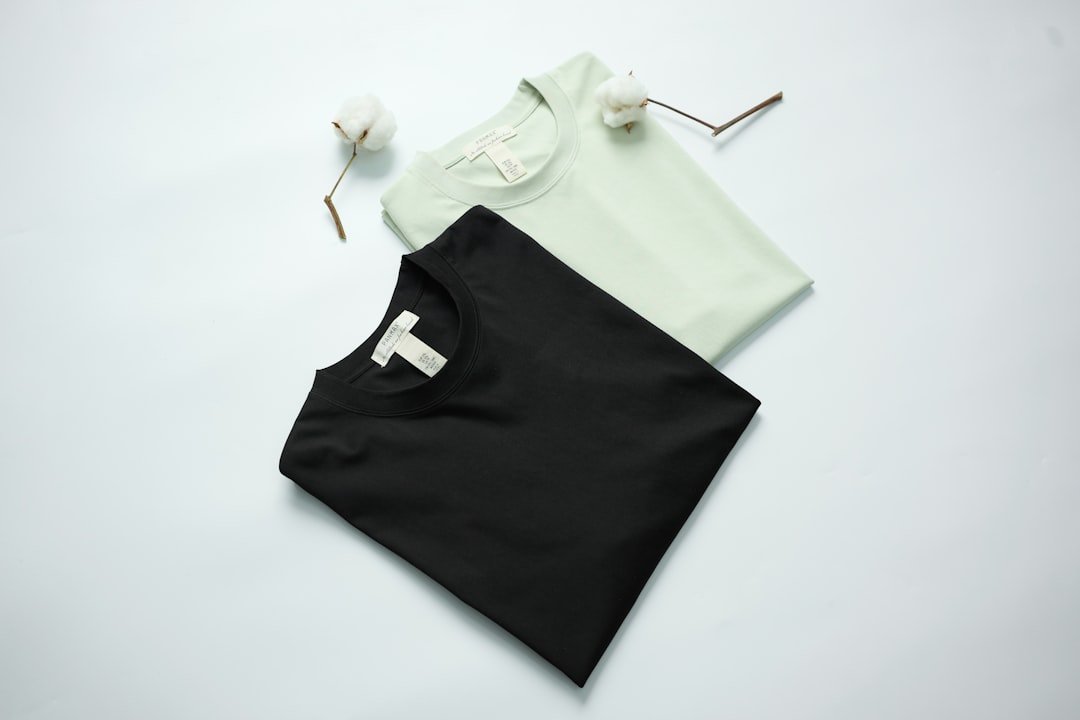
What matters: Compare the chest measurement, body length, shoulder design and sleeve shape of the candidate product to your reference tee. Confirm whether the chart uses centimetres or inches, and whether it lists flat garment dimensions or body measurements. Review current stock, colour, care and delivery details. If you are between sizes, use the retailer’s specific instructions and your preferred fit rather than guessing.
A practical example: Save your notes and check the returns or exchanges policy before ordering. Think about the specific garment or occasion involved rather than applying the idea to every product with the same label. A suitable choice will make sense during real movement, repeat wear and the normal care process, not just as a styled photograph.
What to avoid: Do not promise that any size choice will fit perfectly without trying the physical garment. The product listing or supplier’s documented specifications should resolve any uncertainty that affects your purchase, especially when choosing a new fit or production method.
Fit, shopping and wardrobe context: The most useful conclusion is one you can act on. Write down the garment type, preferred fit, two possible outfit pairings and any unresolved questions about fabric, size or production. Check those points against the product listing or supplier quote. If everything fits your routine, the purchase has a clear purpose; if not, keep using what you have while evaluating another option. This matters for a repeatable garment-measurement method that helps shoppers compare actual product size charts because the best decision can change when you compare an actual T-shirt, trouser, hoodie or customisation sample against the image that inspired the idea.
Before you buy: measurements, fabric and real-world use

First decide what you need the garment to do. For everyday styling, the key questions may be whether it coordinates with existing trousers, whether the shoulder and sleeve shape are comfortable, and whether the fabric is suitable for the season. For a corporate event or repeated group order, consistency, approval samples and logo placement may matter more. Separate those practical requirements from the look of a catalogue photograph.
Use measurable information wherever possible. Compare the garment’s chest width, shoulder points, length and sleeves against a piece you already like. Trousers need an appropriate waist, rise and inseam, while a planned overshirt or jacket needs sufficient room over the base. If a size chart provides body dimensions rather than flat garment dimensions, follow that convention and avoid comparing incompatible numbers. When uncertain, refer to the specific listing or ask for a clarification.
Read the fibre composition and care label instead of treating fabric weight or a descriptive name as proof of quality. Cotton, polyester and blends can differ by construction and finish; even garments sharing a fibre label need not feel or perform alike. For cold or wet journeys, casual fashion layers should not be mistaken for protective technical clothing. Choose additional appropriate insulation or weather protection based on the actual forecast.
Finally, account for repeat use. Consider whether a new item adds two or three useful combinations to your existing wardrobe, or whether a bulk design can be produced consistently on all required sizes and colours. Check stock, price, size availability, delivery conditions and the relevant returns or sample-approval terms. Planning these details before ordering reduces uncertainty and makes the finished clothing more likely to meet the original purpose.
Frequently asked questions about how to measure T shirt size at home
How do I choose the correct size?
Measure a garment you enjoy wearing, check the exact product’s size chart and make sure you are comparing garment measurements with garment measurements, or body measurements with the stated body-size method.
Do I need every item shown in the photographs?
No. The pictures are product or outfit references. Start with clothes you own and check the retailer’s live product listings for exact inventory and materials.
Is one fit or fabric always best?
No. The preferred cut and material depend on your activity, comfort, climate and the specific product construction. Size labels and broad fabric names do not settle every detail.
How can I create more outfits without buying much?
Choose one versatile top or bottom and pair it with two or three existing garments. A change of outer layer, shoes or trouser colour often creates a useful alternative.
Do these clothes work for Indian winter?
It depends on local temperatures, wind and outdoor activity. Casual tees or hoodies cannot automatically replace suitable weather-protective outerwear.
Where can I find current prices and stock?
Use the Namakool product listing or bulk-order enquiry route. Published editorial styling advice is not a real-time stock or price quotation.
What should I check before an event or bulk order?
Review current sizes, colours, fabric information, delivery expectations, approval samples where appropriate and relevant returns or order terms.
Does Rank Math scoring guarantee Google rankings?
No. Useful unique content, search intent, indexability, competition, internal linking and technical performance all matter. A score is not a traffic guarantee.
Related Namakool reading: garment basics, fit and styling guidance, and another relevant fashion guide. For independent technical context, see this apparel industry or measuring reference. General tips are not a substitute for the current product specification or a supplier’s written quote.