Fit and size guidance for shopping T-shirts in India · October 2026
Oversized T-shirt vs regular fit: the main difference is how the pattern shapes the shoulders, chest, body and sleeves. An oversized cut often has extra width and dropped shoulders, while a regular cut follows a neater outline with enough ease for daily movement. Neither is better for everyone, and neither tells you the fabric weight, warmth or quality. This comparison explains how to read size charts and build outfits without ordering extra sizes blindly.
Quick answer: Choose regular fit when you prefer a more compact everyday silhouette; choose an oversized tee when you enjoy relaxed or boxy proportions. Compare measured chest width, shoulder placement, body length and sleeve openings, not just S/M/L labels. Both cuts can work for men and women and with jeans, cargos or trousers.
| Feature | Regular fit | Oversized fit |
|---|---|---|
| Shoulder | Typically near shoulder edge | Often dropped |
| Chest | Moderate ease | More generous |
| Sleeves | Usually closer to arm | Often wider or longer |
| Body length | Depends on style | Boxy or longer; varies |
| Fabric weight | Not determined by fit | Not determined by fit |
What is the difference between oversized and regular-fit T-shirts?

Oversized and regular fit describe different garment patterns rather than simply two labels on the same T-shirt. A regular-fit tee usually follows the body’s general proportions with moderate ease at the chest and sleeves. An intentionally oversized tee can be broader through the torso, have dropped shoulders and a roomier sleeve shape. Two garments marked medium may therefore sit very differently on the same person.
The useful comparison is the finished garment, not a universal rule about how much bigger one category should be. Some brands cut their regular fits generously; others use noticeably boxier oversized blocks. Look at shoulder location, sleeve opening and body length together. A larger standard T-shirt can produce a long, narrow-looking shape rather than the boxy silhouette of an oversized pattern.
Begin with the fit you enjoy wearing during normal activities. Neither cut is universally better for men, women, college students or any body shape. Fashion photographs illustrate possibilities; the size chart and a garment you already own provide a more reliable buying reference.
Shoulder seam placement and dropped shoulders
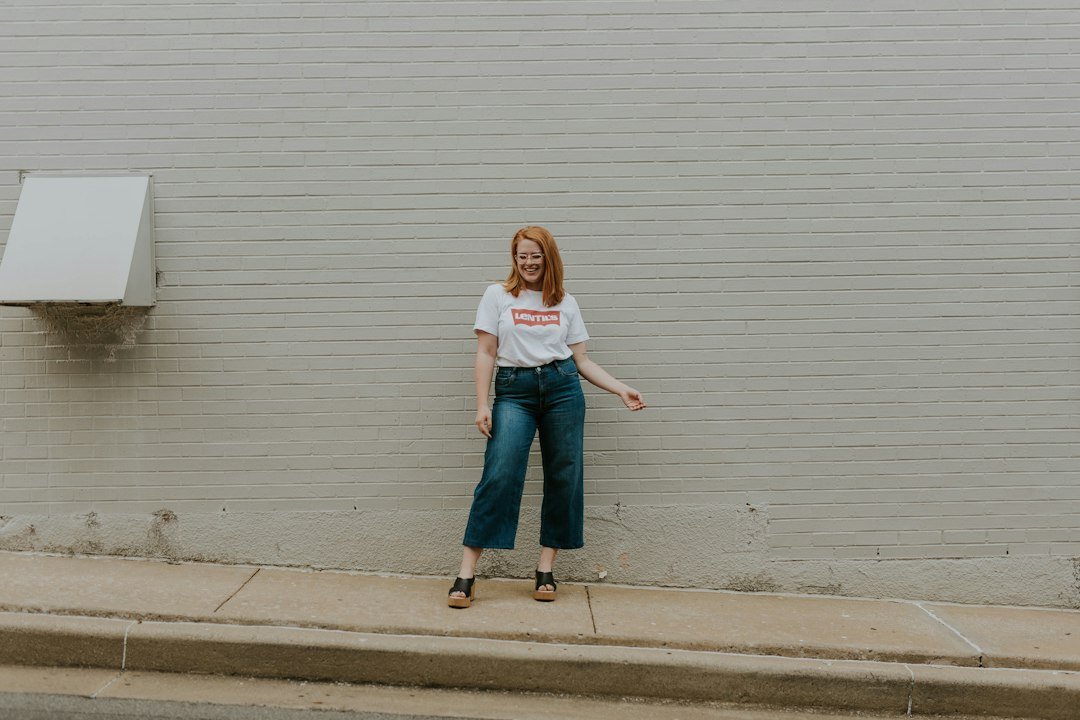
The shoulder seam is one of the quickest visual checks. On many regular-fit tees, it sits close to the natural shoulder edge. In an oversized design, the seam may sit lower down the upper arm, making the sleeve appear more relaxed. A dropped shoulder is intentional in certain styles; the same seam placement on a regular garment can signal that the selected size is too large.
Look at how the neckline, upper chest and sleeve connect. If a dropped shoulder creates comfortable room while the neck stays in place, it may suit your preferred streetwear silhouette. If the shirt constantly slips or twists when you move, the cut may be impractical even if it looks attractive on a model.
Shoulder placement also changes how an overshirt or denim jacket fits on top. A very broad tee may bunch beneath narrow jacket armholes. If layering is important to you, try the two garments together rather than evaluating each separately.
Chest ease: relaxed is not the same as loose everywhere

Chest ease is the difference between your body measurement and the garment’s circumference at the chest. It affects movement and how the fabric hangs across the front. A regular-fit tee should have enough ease for breathing, sitting and moving your arms, even when it has a relatively neat outline. An oversized T-shirt adds more visual and physical room for a different drape.
Compare garment measurements from the same point on each product chart. If only a flat width is provided, confirm whether it is measured across one side of the garment. Compare that number with a comfortable T-shirt laid flat rather than attempting to infer your preferred fit from a model’s build.
People often assume oversized means buying one or two sizes up, but that can distort sleeve length and overall body length. A dedicated oversized pattern generally aims to balance these dimensions. Use actual measurements instead of a fixed sizing rule.
Body length and hem: boxy versus longline
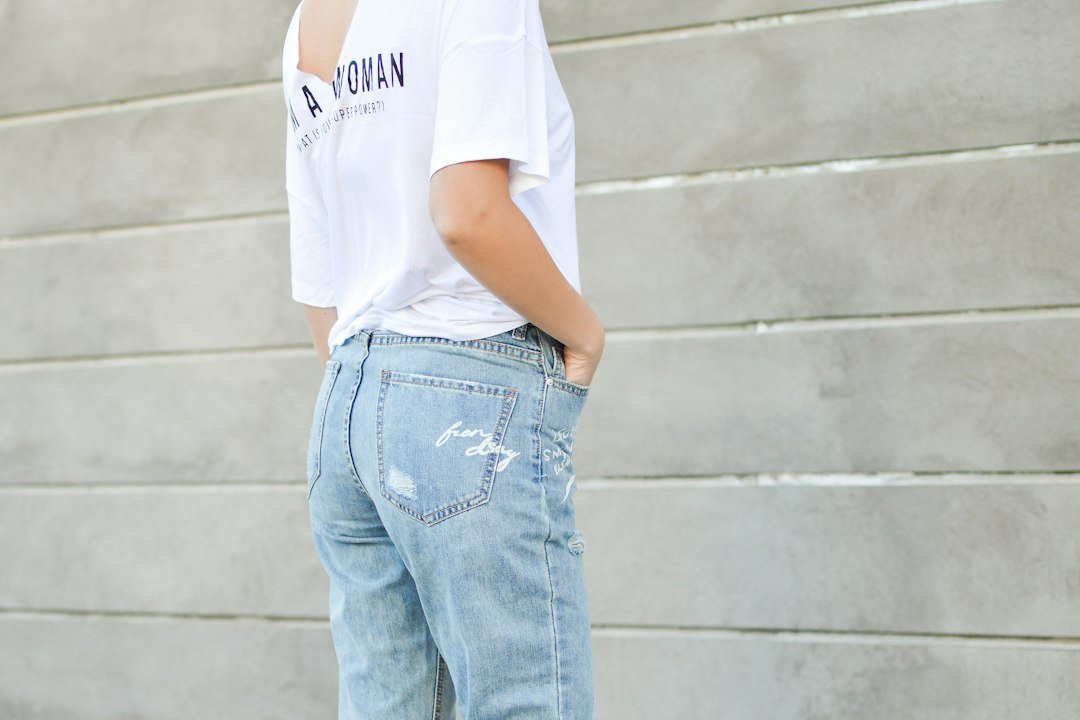
An oversized T-shirt does not always need to be longer than a regular tee. Some are cut wider with a relatively compact body length, creating a boxy profile. Other styles are intentionally longline. A regular-fit T-shirt may also extend below the hips depending on the brand. These choices change how much of your trousers, belt or pockets remain visible.
Try the garment with the rise and cut of jeans you normally wear. A shirt that hides most of the waistband can be a deliberate streetwear effect, but may not be convenient if it catches around trouser pockets. If the tee is very long, a small tuck or a different hem length can adjust the proportion without changing the entire outfit.
Measure the length from the shoulder point specified by the seller rather than estimating it from a product photograph. Height, pose and camera angle change the visual impression of the hem.
Sleeve width, armholes and all-day comfort

Sleeves make an oversized shirt recognisable even when the body is relatively simple. Relaxed sleeves can fall farther down the upper arm, while a regular tee may have a shorter, narrower sleeve shape. Sleeve openings and armhole depth matter as much as the stated size because they influence how fabric moves when you lift your arms.
If you carry a backpack or wear an open shirt, notice whether the extra sleeve material bunches. An oversized tee with very deep armholes may feel roomy but make certain movements awkward. Conversely, a close-fitting sleeve can be uncomfortable if the fabric has little stretch and your activity requires movement.
There is no body-type rule requiring a particular sleeve width. Choose a cut you can wear through lectures, errands, commuting or leisure. Check the garment’s sleeve specifications whenever they are available.
Neckline and collar structure
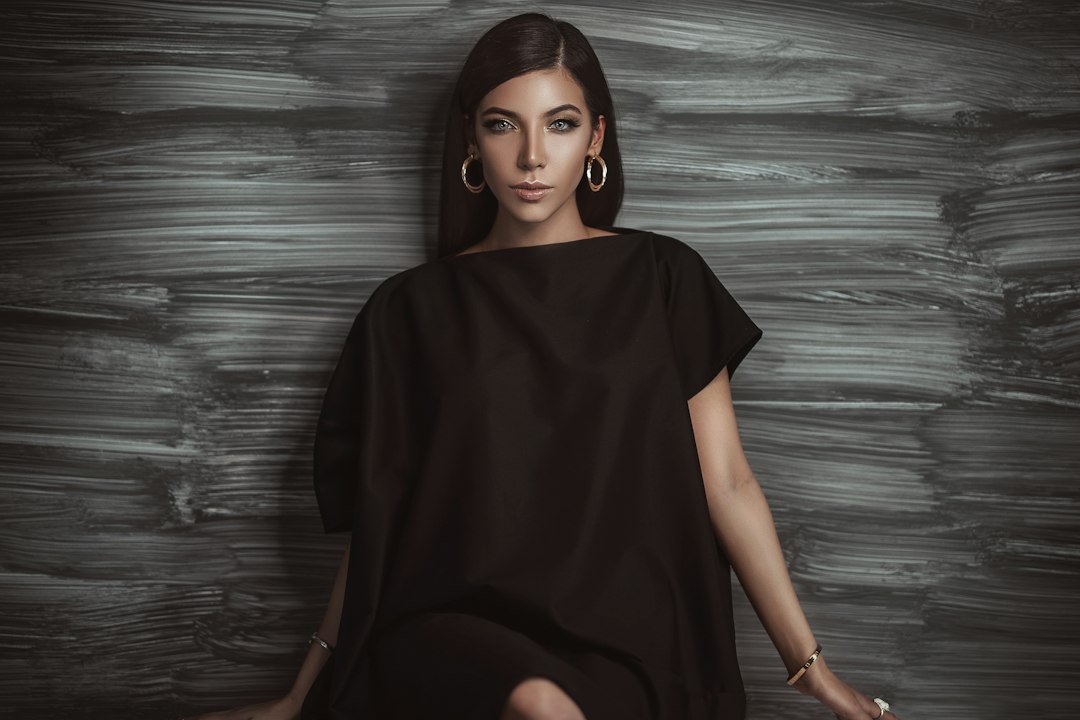
The round-neck opening can look different on a regular and oversized T-shirt even when the nominal neck style is the same. Some oversized patterns use a more substantial-looking ribbed collar to balance the broad chest, while others use a simpler finish. The collar construction is separate from the fit label, so check the actual item.
A neckline should sit comfortably without pulling forward under the weight of the garment. If you wear necklaces or layer with a jacket, its opening can affect which accessories remain visible. A high close neckline may feel neat; a slightly wider one may feel more relaxed. Neither is universally correct.
Do not assume that a thicker-looking rib automatically means a stronger fabric or a particular GSM. Fibre content, knit, construction and care are distinct specifications. Choose the neckline appearance and comfort first, then inspect product details.
Oversized T-shirt with straight or wide-leg denim

An oversized top with straight-leg jeans is a simple way to use a loose silhouette without making every part of the outfit equally wide. Light denim creates a softer effect with a dark tee, while black jeans can anchor a bright colour. If you prefer an all-relaxed shape, wide-leg jeans work too; just check how the lengths and hems sit over your shoes.
Begin with jeans you already own. If the top covers almost the entire upper trouser section, choose a shorter tee or experiment with a front tuck. If both the tee and denim are broad, an understated bag can keep the outfit practical. The goal is comfortable proportion rather than adhering to a rigid rule about balancing big and small.
Photos may show cargo trousers, denim or other relaxed bottoms as styling inspiration. Check the exact product page if you need a particular garment in stock instead of assuming every pictured combination is a complete set.
Regular-fit T-shirt with chinos for a neat casual look
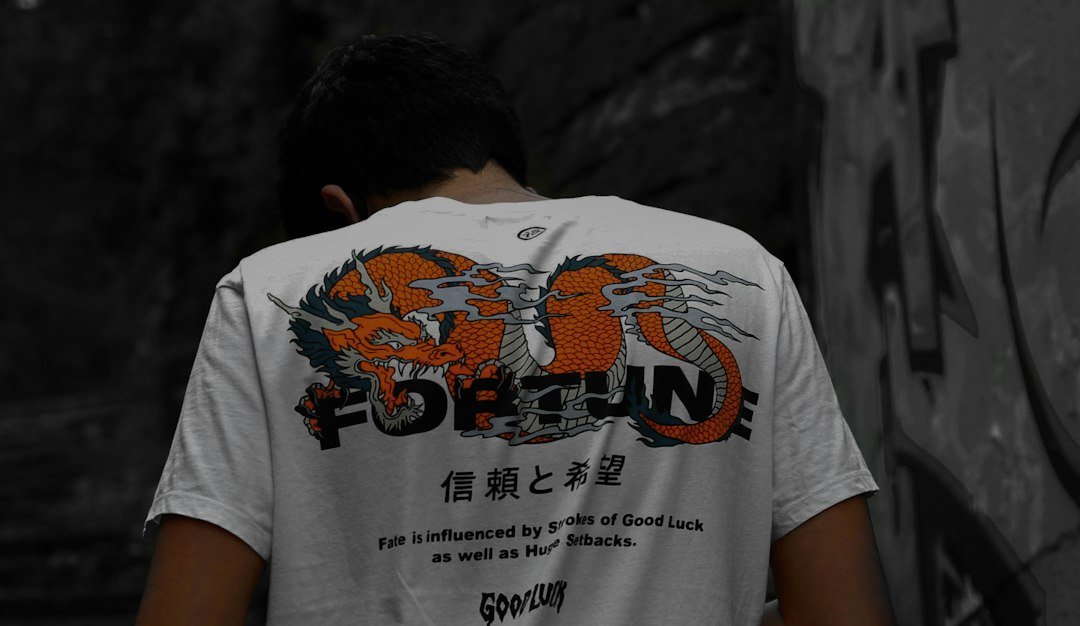
A regular-fit plain T-shirt with chinos can create a tidy casual combination for errands, informal meetings or dinners where round-neck tees are appropriate. The narrower upper shape can make the outfit feel less like streetwear than an oversized graphic tee, but it is still casual clothing.
Choose navy, black, white or grey as a versatile base. Straight chinos that fit comfortably through the seat and thigh can work without elaborate accessories. Footwear should match the context: familiar trainers for walking, or neat casual shoes when the venue calls for them. A shirt or blazer may be needed where there is a stricter dress code.
The safest buying decision is to compare the regular tee’s chest and sleeve measurements with a garment you wear often. A regular fit need not cling to the body; it should allow movement and suit your routine.
Women’s oversized versus regular tees with skirts and trousers
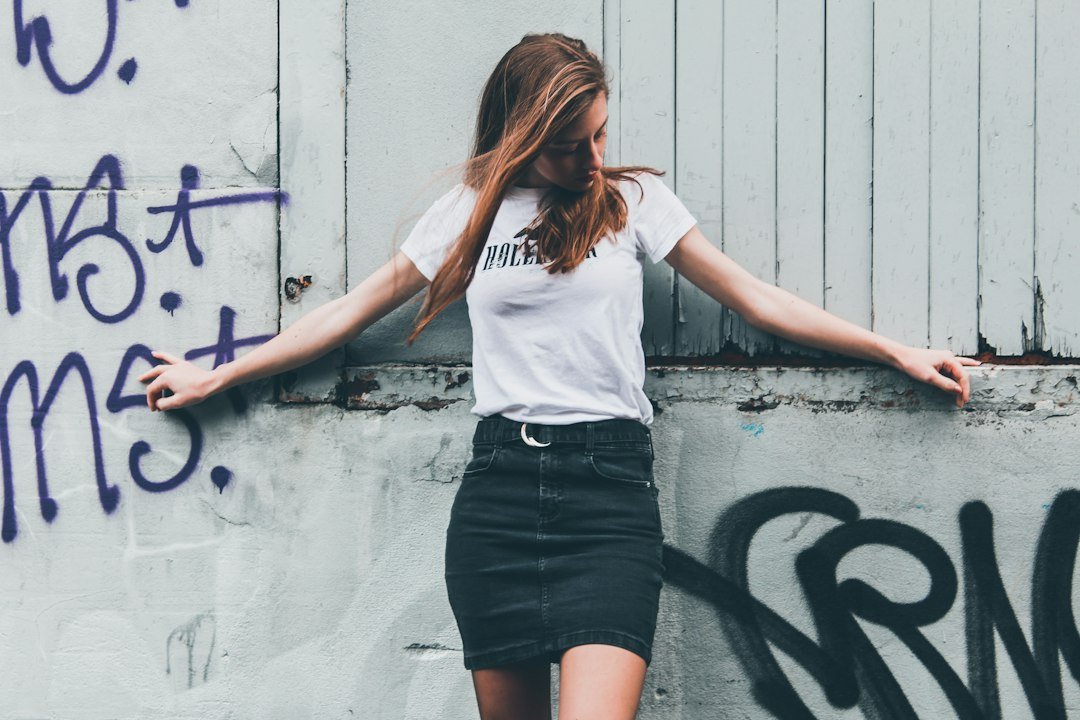
An oversized tee can be paired with a denim skirt, relaxed trousers or straight jeans, while a regular-fit tee may keep the waistband more visible. Both create useful everyday outfits, and the choice does not depend on having a particular body shape. Comfort, coverage and the occasion matter more.
For a skirt outfit, try a small tuck if you want to show the waistband; otherwise let the hem fall naturally. With straight trousers, an oversized top offers a relaxed contrast. If you spend the day moving between classes or public transport, check the length and freedom of movement before deciding.
Compare the actual women’s and unisex garment charts rather than assuming the same labelled size has identical dimensions. A unisex tee may use different shoulders, sleeves or body length. Choose the garment whose pattern suits how you want the outfit to fall.
Men’s oversized versus regular tees for college and weekends

An oversized tee can feel natural with cargo trousers, relaxed denim and casual shoes at college, while a regular tee may be a simpler choice for a neat casual event. Both work when the setting permits T-shirts. A good fit can be more noticeable than the size of a logo or the number of accessories.
Try an oversized tee with straight jeans first, then test a regular-fit tee with the same jeans. The difference in shoulder position and body width will be easier to see when the bottom half stays constant. That comparison is more informative than looking at two models photographed in different poses and lighting.
Weather also matters. An oversized tee can accommodate a light base underneath, but it may bunch inside a close-cut jacket. For cooler evenings, consider the full layering system instead of using fit as a proxy for warmth.
Does fabric GSM change the fit?
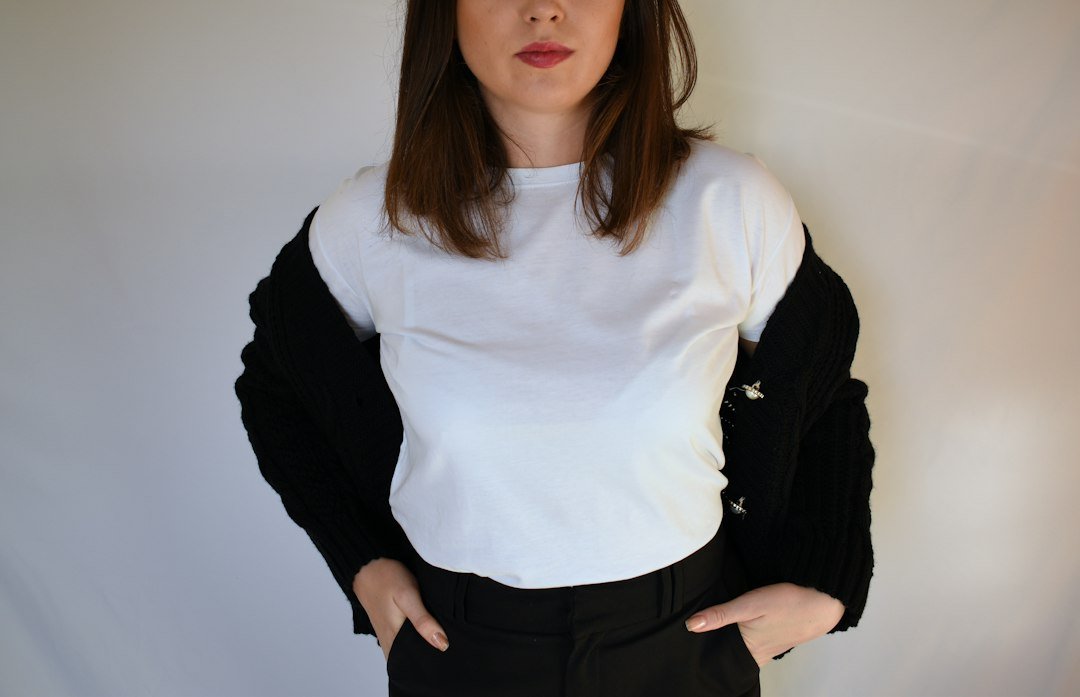
GSM measures fabric mass per square metre; it does not describe whether the garment is regular or oversized. A regular and oversized T-shirt could use the same cloth yet hang differently because their dimensions differ. A heavier-feeling material may also drape differently from a lightweight knit, but fabric mass alone cannot predict softness, opacity, durability or all-weather comfort.
Look for composition, knit construction, any stated finishing and washing requirements. Some cotton-rich fabrics feel different from polyester blends, and the exact design matters. If you want a breathable garment for a hot day or a soft layer under a hoodie, assess the actual product information and your intended use.
Our T-shirt GSM guide explains the measurement in more detail. Use it to ask better product questions rather than deciding fit from a single number.
A practical size-chart method before checkout

Lay a T-shirt you already enjoy wearing on a flat surface. Record its chest width, length and sleeve measurements, following the same measurement points used by the product’s size guide as closely as possible. If the chart shows half chest rather than circumference, compare like with like. Differences of a few centimetres can affect the way a tee hangs.
Then decide which silhouette you want. For a regular fit, select a measurement range similar to your favourite regular tee, allowing for different fabrics. For oversized, look for wider shoulders, chest and sleeves without assuming the body length should be drastically longer. Compare photographs showing the model’s stance and size where available, but use actual numbers to make the choice.
Check the selected size and colour at checkout. A general blog illustration is not a guarantee of inventory, and return rules vary; review Namakool’s live product details and current policies.
How to choose one fit for a small capsule wardrobe

If you already own three regular T-shirts you wear weekly, your next purchase might be one oversized cut for variety. If all your tees are extremely loose and you need a neater look for an informal gathering, a regular-fit plain tee can fill the gap. You do not need to replace everything because one silhouette becomes more visible in fashion feeds.
Choose a neutral colour first if you want to repeat the shirt with different bottoms. Black, white, grey and navy are easy starting points for many wardrobes, but a favourite pastel or earth tone may be equally useful. Imagine three outfits with your existing jeans or trousers before checking out.
Buying fewer garments that fit well and suit your routine can be a more practical approach than collecting duplicate colours or cuts. Style references are meant to help you make a choice, not to suggest that one fit is morally or aesthetically superior.
Oversized T-shirt vs regular fit FAQs

Is oversized the same as buying two sizes larger?
No. A purposely oversized pattern can have different shoulder, sleeve and body proportions. Compare real garment measurements instead of following a universal sizing-up rule.
Which is better: regular fit or oversized?
Neither is universally better. Regular fit gives a neater outline; oversized fits are often roomier or boxier. Choose for your comfort and wardrobe.
Can I wear oversized T-shirts to work?
Some casual workplaces allow them, but dress codes vary. Follow your workplace requirements; a neat regular tee or collared shirt may be more appropriate.
Can men and women wear either fit?
Yes. Actual garment shape, size, comfort and preference matter more than gender labels.
Does oversized mean thicker fabric?
No. Cut and fabric weight are separate. Check the stated GSM, composition and construction when provided.
How can I tell if a T-shirt will be too long?
Compare the listed body length with a shirt you own and check how it falls over the jeans or trousers you commonly wear.
Does Namakool sell the complete outfits shown?
Not necessarily. Editorial photos illustrate combinations; only live product listings establish what garments and colours are sold.
Should I size down in an oversized T-shirt?
Not automatically. Check the product’s intended fit and chart, then compare measurements with a garment you already like.
Choose your next Namakool T-shirt based on fit, not hype
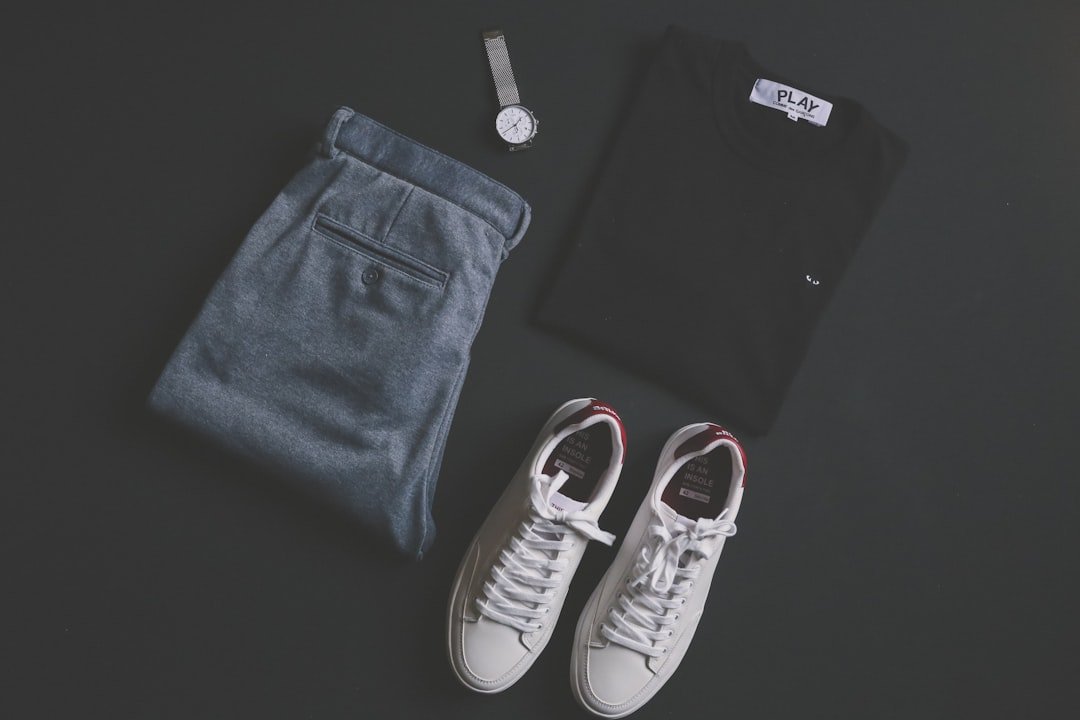
A useful size decision starts with your actual wardrobe. Note whether your favourite T-shirt stays comfortable when you sit, move your arms or carry a bag. If you want a new silhouette, try it in a colour you already wear often so the cut is the main change. If you want a reliable replacement for work or college, review garment measurements and dress-code needs before choosing the product.
Read the material composition and care instructions on the listing. Product photos do not establish the garment’s GSM, opacity or durability; and not every casual outfit photo on Namakool is a shoppable set. If a measurement is missing, ask customer care before ordering rather than guessing from the model’s height. You can wear an oversized cut with a relatively neat bottom or combine a regular tee with looser denim. Personal preference and comfort matter more than rigid rules.
Compare Namakool T-Shirt Fits
View current sizes, colours and product details before ordering.
MEN’S OVERSIZEDWOMEN’S OVERSIZEDMEN’S PLAIN TEESWOMEN’S PLAIN TEES
Related reading: Oversized T-shirt outfit ideas, T-shirt GSM explained, and T-shirt layering with hoodies. Learn more about responsible textile material data from Textile Exchange.