Namakool India fashion and apparel guide · October 2026
DTF vs DTG vs embroidery for T shirts is the focus of this guide. Rather than presenting a generic list of trends, the sections explain choosing a decoration method for corporate uniforms, events and promotional apparel with distinct buying decisions, real-world styling examples and practical checks that can be applied in India. Exact product pricing, materials and sizes should be verified on current listings; images illustrate styles and garments rather than certifying complete outfits or manufacturing results.
Quick answer: Consider fit, the activity you are dressing for, fabric construction, repeat wear and the pieces already in your wardrobe. For customised clothing, evaluate the artwork, garment and sample together. For size questions, use the specific retailer’s measuring conventions. These steps are usually more reliable than choosing only by a photograph, an unverified performance claim or a trend label.
1. DTF: transfer printed artwork to fabric
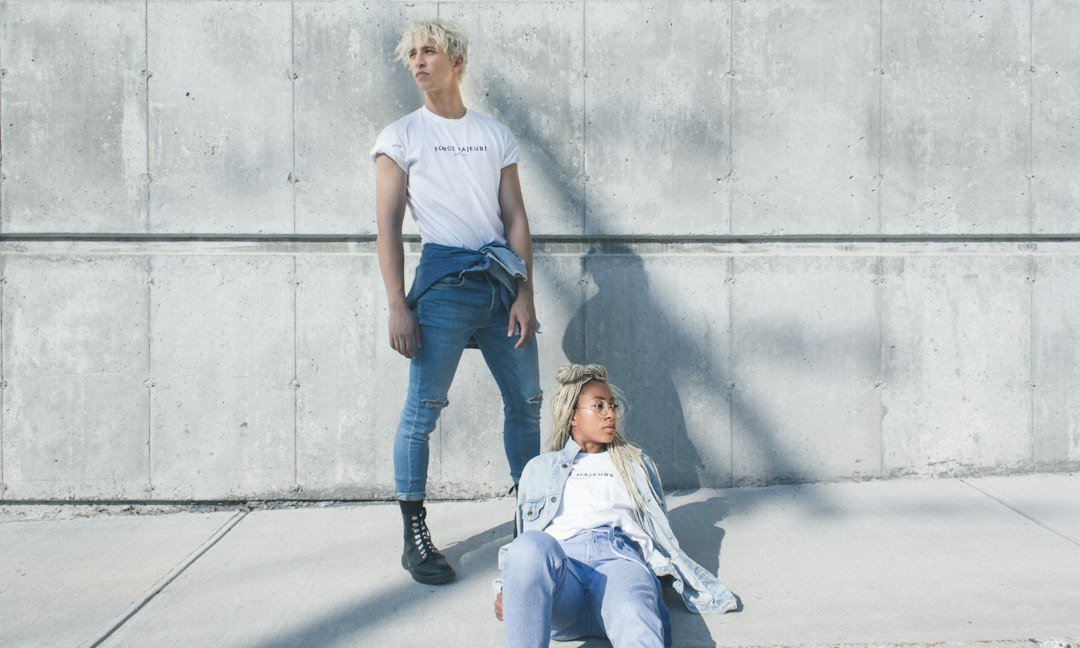
What matters: Direct-to-film generally involves printing a design onto transfer film, applying a suitable adhesive and using heat and pressure to transfer it to a garment. It can be considered for colourful graphics and a variety of compatible fabrics, but results vary by materials, print settings and suppliers. Ask your production partner about exact substrate compatibility and the intended hand feel.
A practical example: A company ordering many sizes with a detailed logo may ask for a DTF sample on its chosen T-shirt fabric. Think about the specific garment or occasion involved rather than applying the idea to every product with the same label. A suitable choice will make sense during real movement, repeat wear and the normal care process, not just as a styled photograph.
What to avoid: Do not promise perfect crack resistance or a lifetime number of washes without actual testing. The product listing or supplier’s documented specifications should resolve any uncertainty that affects your purchase, especially when choosing a new fit or production method.
Fit, shopping and wardrobe context: Before making a purchase, compare the relevant garment measurements with a piece you already own. Size names and photographs cannot confirm the way an item will feel while sitting, walking or layering. A practical outfit needs to suit the actual setting, including your commute, activities and any dress expectations. If there is a choice between recreating a photograph exactly and choosing a more comfortable combination, prioritize the one you can rewear regularly. This matters for choosing a decoration method for corporate uniforms, events and promotional apparel because the best decision can change when you compare an actual T-shirt, trouser, hoodie or customisation sample against the image that inspired the idea.
2. DTG: ink applied directly to a garment
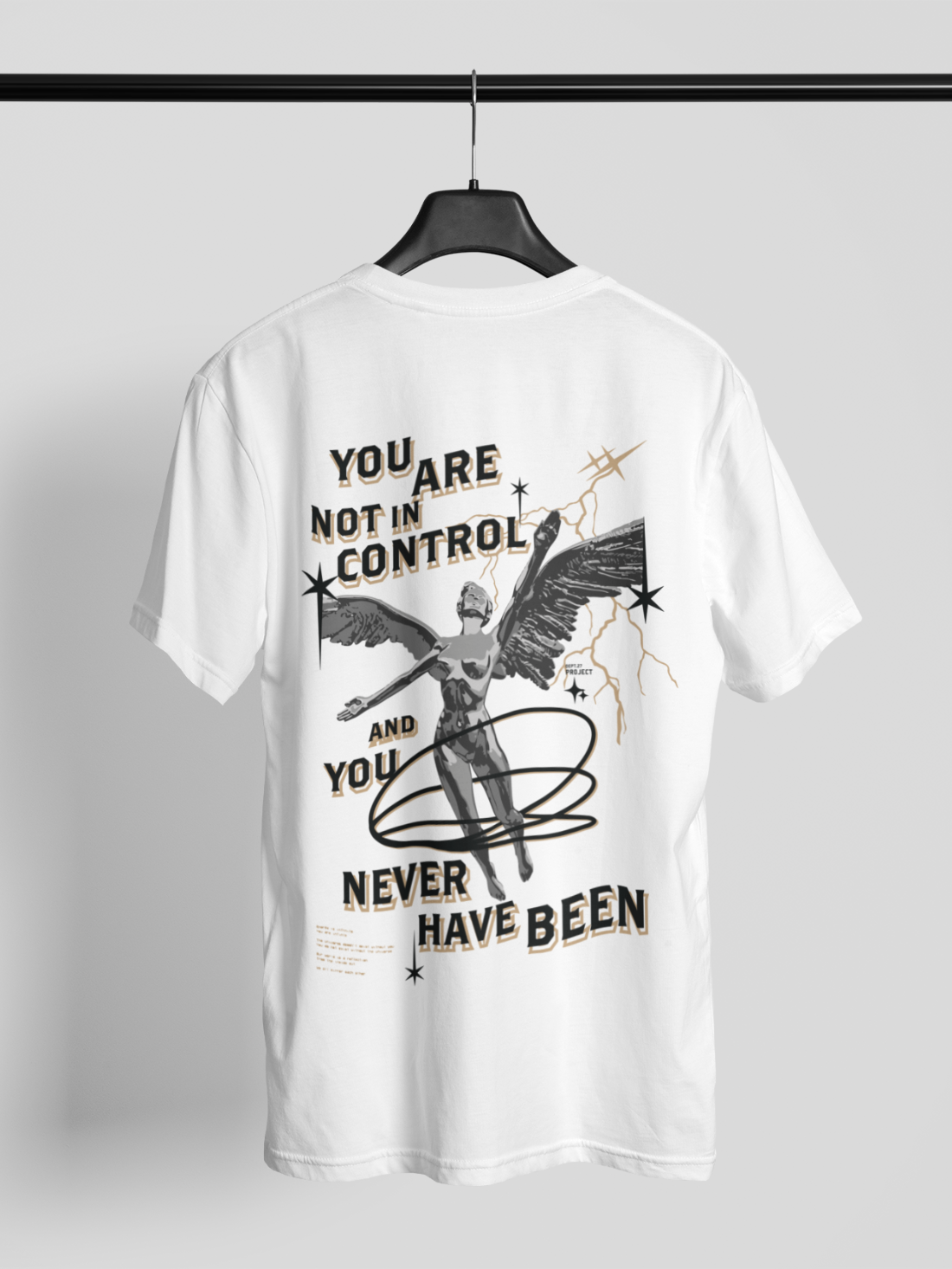
What matters: Direct-to-garment printing uses specialised equipment to print onto the garment itself. It can suit detailed graphics or photographs, especially on compatible cotton-rich textiles. Pre-treatment, fabric, ink and curing all affect the result, so the term DTG by itself does not guarantee softness or colour accuracy. Evaluate a supplier’s sample rather than only a digital design preview.
A practical example: For a complex promotional illustration, compare an actual DTG sample with the same image produced by an alternative process. Think about the specific garment or occasion involved rather than applying the idea to every product with the same label. A suitable choice will make sense during real movement, repeat wear and the normal care process, not just as a styled photograph.
What to avoid: Do not assume every blended or synthetic garment will accept the same print quality. The product listing or supplier’s documented specifications should resolve any uncertainty that affects your purchase, especially when choosing a new fit or production method.
Fit, shopping and wardrobe context: Consider the whole item, not just the visible colour or headline price. Read material composition, finishing details, care instructions and the available size chart. A garment may look substantial in a photo but its weather suitability depends on construction and conditions. For a special event or bulk purchase, checking delivery and returns or approval procedures is more useful than relying on a promise implied by a styling image. This matters for choosing a decoration method for corporate uniforms, events and promotional apparel because the best decision can change when you compare an actual T-shirt, trouser, hoodie or customisation sample against the image that inspired the idea.
3. Embroidery: a stitched, textured logo
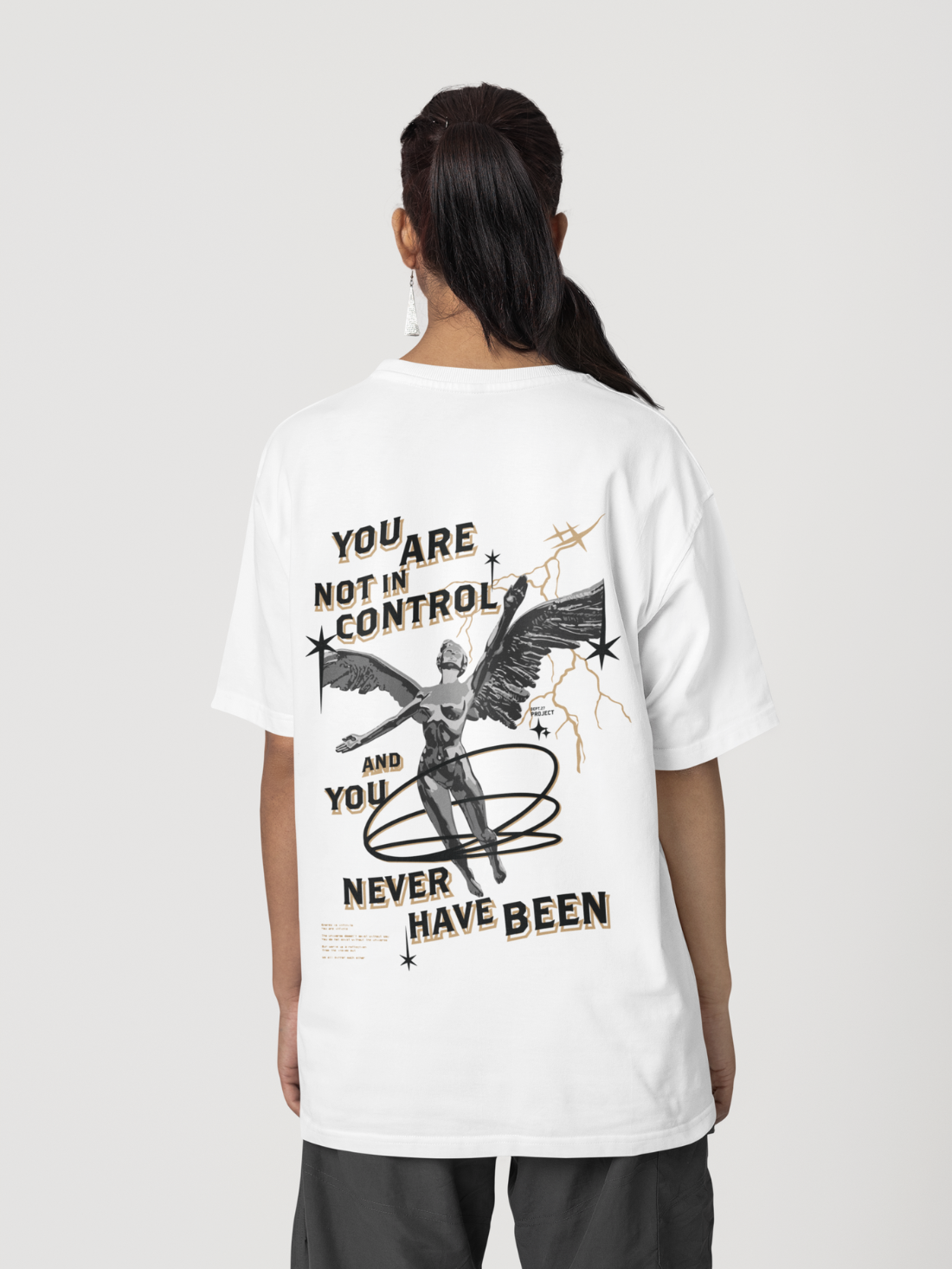
What matters: Embroidery creates artwork using thread, producing a raised texture that many organisations choose for small chest logos, names or simple branding. It is not always suitable for photographs or tiny gradients, and very fine text may need simplification. Stitch count, backing, fabric stability and placement affect cost and appearance. Ask about embroidery digitisation before approving the final design.
A practical example: For a school, office or hospitality uniform, test a small stitched logo on the same fabric that will be ordered. Think about the specific garment or occasion involved rather than applying the idea to every product with the same label. A suitable choice will make sense during real movement, repeat wear and the normal care process, not just as a styled photograph.
What to avoid: An embroidered logo is not automatically the best choice for a large detailed illustration. The product listing or supplier’s documented specifications should resolve any uncertainty that affects your purchase, especially when choosing a new fit or production method.
Fit, shopping and wardrobe context: Try a second version using clothing already in your wardrobe. Change only one element such as the trouser colour, the base layer, an overshirt or the neckline. That experiment reveals whether a new garment will actually create more outfit combinations or merely duplicate something you own. It also helps keep the advice practical for Indian cities with very different indoor and outdoor temperatures. This matters for choosing a decoration method for corporate uniforms, events and promotional apparel because the best decision can change when you compare an actual T-shirt, trouser, hoodie or customisation sample against the image that inspired the idea.
4. Choose the method around the actual artwork
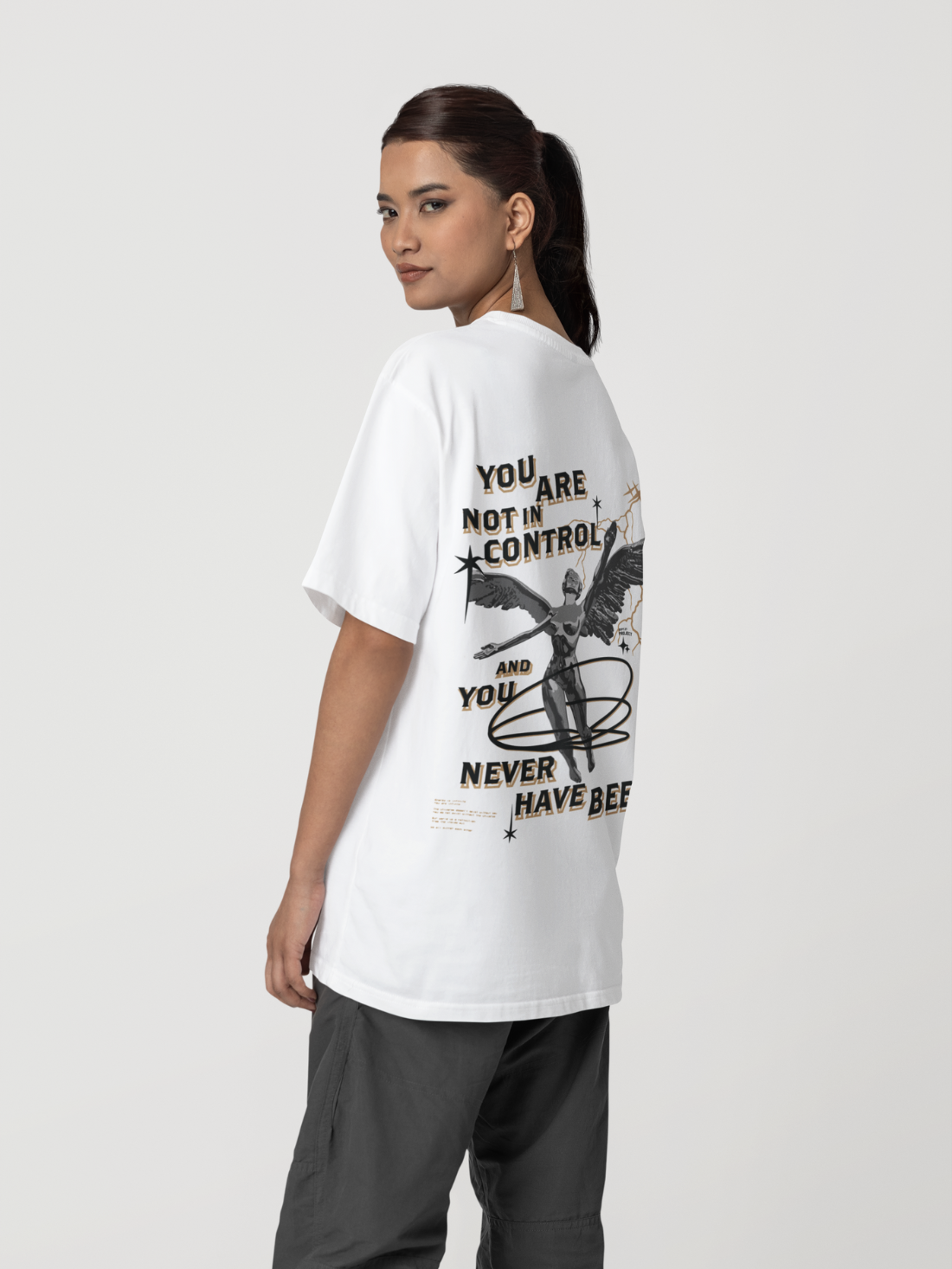
What matters: Fine lines, small lettering, photographs and solid logos create different production problems. Photographic artwork is often more naturally suited to printing, while simple bold logos can work well as embroidery. DTF may support colourful detailed designs, but the finished surface and feel should be reviewed. There is no universally best method independent of the artwork.
A practical example: Send a vector logo where possible and a clear high-resolution image when a raster file is required by the supplier. Think about the specific garment or occasion involved rather than applying the idea to every product with the same label. A suitable choice will make sense during real movement, repeat wear and the normal care process, not just as a styled photograph.
What to avoid: Avoid assuming an uploaded screen preview reproduces the physical size or texture perfectly. The product listing or supplier’s documented specifications should resolve any uncertainty that affects your purchase, especially when choosing a new fit or production method.
Fit, shopping and wardrobe context: Comfort depends on proportions, movement and personal preference, not on a universal rule about body type. Look at the sleeves, hem and shoulder line during ordinary activity and check whether a bag strap or outer jacket changes the fit. For bottoms, think about the waistband, rise, pocket access and hem length. An outfit that looks good when standing still can be inconvenient after a long commute. This matters for choosing a decoration method for corporate uniforms, events and promotional apparel because the best decision can change when you compare an actual T-shirt, trouser, hoodie or customisation sample against the image that inspired the idea.
5. Compare garment fabrics before decorating

What matters: Cotton, cotton-rich blends and polyester-based fabrics can behave differently under ink, heat, backing and embroidery stitches. A method that works on one shirt may need different settings or be unsuitable for another. A good quote starts with the exact garment composition, GSM or weight information and colour, rather than the word T-shirt alone.
A practical example: Request approval on the intended fabric and shade, especially for a large corporate order. Think about the specific garment or occasion involved rather than applying the idea to every product with the same label. A suitable choice will make sense during real movement, repeat wear and the normal care process, not just as a styled photograph.
What to avoid: Some fabric-and-process combinations may need special testing; never guarantee compatibility from a generic category name. The product listing or supplier’s documented specifications should resolve any uncertainty that affects your purchase, especially when choosing a new fit or production method.
Fit, shopping and wardrobe context: Treat product descriptions as information to check, not reasons to assume performance. Words such as premium, heavy, quick-drying and durable can refer to different attributes. Where a functional claim matters, ask what it means for the specific item. Review a sample if possible and avoid concluding that all clothes with the same fibre label, print technology or silhouette will behave identically. This matters for choosing a decoration method for corporate uniforms, events and promotional apparel because the best decision can change when you compare an actual T-shirt, trouser, hoodie or customisation sample against the image that inspired the idea.
6. Logo placement: chest, back, sleeve or pocket area

What matters: A small left-chest logo, a large back graphic and a sleeve mark require different artwork dimensions and production choices. Placement also affects readability when the garment is worn, layered or tucked. Ask the supplier for a placement proof showing measurements from garment seams or landmarks. Do not rely on the relative position in a generic mockup.
A practical example: For staff uniforms, check whether a name badge or apron would hide the chosen placement. Think about the specific garment or occasion involved rather than applying the idea to every product with the same label. A suitable choice will make sense during real movement, repeat wear and the normal care process, not just as a styled photograph.
What to avoid: Avoid printing across seams or sensitive areas without supplier confirmation. The product listing or supplier’s documented specifications should resolve any uncertainty that affects your purchase, especially when choosing a new fit or production method.
Fit, shopping and wardrobe context: Colour decisions become easier when the garment will pair with more than one existing bottom or layer. Neutrals such as cream, black, navy, grey and brown may be helpful, but there is no obligation to buy them. Compare colours in available photos and consider that lighting and screens can alter their appearance. A sensible wardrobe reflects personal use rather than an artificially perfect matching set. This matters for choosing a decoration method for corporate uniforms, events and promotional apparel because the best decision can change when you compare an actual T-shirt, trouser, hoodie or customisation sample against the image that inspired the idea.
7. Artwork file preparation and colour expectations

What matters: Clear artwork files reduce avoidable back-and-forth. Suppliers may request vector formats, transparent images, specified dimensions and a usable colour reference. Print colours can differ from monitors because garment colour, ink, thread and lighting all change perception. For a brand colour that must be consistent, approve a physical sample or a documented colour process.
A practical example: Give the supplier a logo version on both light and dark garment mockups if both will be ordered. Think about the specific garment or occasion involved rather than applying the idea to every product with the same label. A suitable choice will make sense during real movement, repeat wear and the normal care process, not just as a styled photograph.
What to avoid: A low-resolution image from social media may reproduce poorly at a larger print size. The product listing or supplier’s documented specifications should resolve any uncertainty that affects your purchase, especially when choosing a new fit or production method.
Fit, shopping and wardrobe context: Good styling also includes how a garment is cared for after several wears. Check the wash label and any instructions for prints, trim or fabric finishes. Avoid assuming one decorating method or garment type automatically has a longer lifespan. Fabric construction, use and maintenance all influence wear. If a piece needs special treatment, decide whether that care routine fits your everyday life before ordering. This matters for choosing a decoration method for corporate uniforms, events and promotional apparel because the best decision can change when you compare an actual T-shirt, trouser, hoodie or customisation sample against the image that inspired the idea.
8. Bulk quantities, minimum orders and unit pricing

What matters: Costs are influenced by order quantity, decoration size, colours, number of placements, garment quality, setup work and delivery requirements. None of the three methods has one fixed minimum order quantity across all suppliers. Ask for an itemised quote with taxes, packaging, sample charges and potential repeat-order terms. This is more useful than comparing headline prices without specifications.
A practical example: Request comparable quotes using the same garment, design, quantity, delivery city and due date. Think about the specific garment or occasion involved rather than applying the idea to every product with the same label. A suitable choice will make sense during real movement, repeat wear and the normal care process, not just as a styled photograph.
What to avoid: Do not treat promotional pricing as an unconditional final quote. The product listing or supplier’s documented specifications should resolve any uncertainty that affects your purchase, especially when choosing a new fit or production method.
Fit, shopping and wardrobe context: Think about what happens when a layer is removed or when the activity changes. A base tee can remain comfortable indoors, a hoodie can be packed for the afternoon, or a polo can be worn in a different setting with another bottom. Buying a garment that adapts well can be more useful than buying a complete outfit designed for one photo. Check actual climate and the venue’s requirements. This matters for choosing a decoration method for corporate uniforms, events and promotional apparel because the best decision can change when you compare an actual T-shirt, trouser, hoodie or customisation sample against the image that inspired the idea.
9. Sample approval, wash test and production proof

What matters: Before approving hundreds of shirts, order or inspect a representative sample whenever feasible. Check placement, feel, colour, text legibility and how the print or stitching behaves after care according to its label. A sample can reveal a different issue on a dark garment than on a light one, or a small logo than a large design. Record the approved version for repeat production.
A practical example: Get approval from both the buyer and the team responsible for brand identity before a major run. Think about the specific garment or occasion involved rather than applying the idea to every product with the same label. A suitable choice will make sense during real movement, repeat wear and the normal care process, not just as a styled photograph.
What to avoid: Do not infer long-term performance from a fresh sample alone. The product listing or supplier’s documented specifications should resolve any uncertainty that affects your purchase, especially when choosing a new fit or production method.
Fit, shopping and wardrobe context: Do not infer garment size, material behaviour or colour from one model photograph. Compare multiple product views, a stated size guide and the product’s written details. In high-volume or branded apparel purchases, approve the exact garment and decoration sample before production when feasible. In personal shopping, measuring a favourite item can reduce uncertainty, though it cannot guarantee perfect fit. This matters for choosing a decoration method for corporate uniforms, events and promotional apparel because the best decision can change when you compare an actual T-shirt, trouser, hoodie or customisation sample against the image that inspired the idea.
10. What to send when requesting a Namakool bulk quote

What matters: A useful enquiry includes the required garment style, material preference, sizes and quantities, garment colours, logo files, decoration placements, delivery location, approximate deadline and whether a sample is needed. If unsure about technique, share the design and ask for comparable options. This helps prevent price surprises and incorrect specifications.
A practical example: Use the Namakool bulk order enquiry channel for a quote; the final availability and price must be confirmed directly. Think about the specific garment or occasion involved rather than applying the idea to every product with the same label. A suitable choice will make sense during real movement, repeat wear and the normal care process, not just as a styled photograph.
What to avoid: Avoid guaranteeing delivery dates or methods before the production team reviews the request. The product listing or supplier’s documented specifications should resolve any uncertainty that affects your purchase, especially when choosing a new fit or production method.
Fit, shopping and wardrobe context: The most useful conclusion is one you can act on. Write down the garment type, preferred fit, two possible outfit pairings and any unresolved questions about fabric, size or production. Check those points against the product listing or supplier quote. If everything fits your routine, the purchase has a clear purpose; if not, keep using what you have while evaluating another option. This matters for choosing a decoration method for corporate uniforms, events and promotional apparel because the best decision can change when you compare an actual T-shirt, trouser, hoodie or customisation sample against the image that inspired the idea.
Before you buy: measurements, fabric and real-world use

First decide what you need the garment to do. For everyday styling, the key questions may be whether it coordinates with existing trousers, whether the shoulder and sleeve shape are comfortable, and whether the fabric is suitable for the season. For a corporate event or repeated group order, consistency, approval samples and logo placement may matter more. Separate those practical requirements from the look of a catalogue photograph.
Use measurable information wherever possible. Compare the garment’s chest width, shoulder points, length and sleeves against a piece you already like. Trousers need an appropriate waist, rise and inseam, while a planned overshirt or jacket needs sufficient room over the base. If a size chart provides body dimensions rather than flat garment dimensions, follow that convention and avoid comparing incompatible numbers. When uncertain, refer to the specific listing or ask for a clarification.
Read the fibre composition and care label instead of treating fabric weight or a descriptive name as proof of quality. Cotton, polyester and blends can differ by construction and finish; even garments sharing a fibre label need not feel or perform alike. For cold or wet journeys, casual fashion layers should not be mistaken for protective technical clothing. Choose additional appropriate insulation or weather protection based on the actual forecast.
Finally, account for repeat use. Consider whether a new item adds two or three useful combinations to your existing wardrobe, or whether a bulk design can be produced consistently on all required sizes and colours. Check stock, price, size availability, delivery conditions and the relevant returns or sample-approval terms. Planning these details before ordering reduces uncertainty and makes the finished clothing more likely to meet the original purpose.
Frequently asked questions about DTF vs DTG vs embroidery for T shirts

How do I choose the correct size?
Measure a garment you enjoy wearing, check the exact product’s size chart and make sure you are comparing garment measurements with garment measurements, or body measurements with the stated body-size method.
Do I need every item shown in the photographs?
No. The pictures are product or outfit references. Start with clothes you own and check the retailer’s live product listings for exact inventory and materials.
Is one fit or fabric always best?
No. The preferred cut and material depend on your activity, comfort, climate and the specific product construction. Size labels and broad fabric names do not settle every detail.
How can I create more outfits without buying much?
Choose one versatile top or bottom and pair it with two or three existing garments. A change of outer layer, shoes or trouser colour often creates a useful alternative.
Do these clothes work for Indian winter?
It depends on local temperatures, wind and outdoor activity. Casual tees or hoodies cannot automatically replace suitable weather-protective outerwear.
Where can I find current prices and stock?
Use the Namakool product listing or bulk-order enquiry route. Published editorial styling advice is not a real-time stock or price quotation.
What should I check before an event or bulk order?
Review current sizes, colours, fabric information, delivery expectations, approval samples where appropriate and relevant returns or order terms.
Does Rank Math scoring guarantee Google rankings?
No. Useful unique content, search intent, indexability, competition, internal linking and technical performance all matter. A score is not a traffic guarantee.
Related Namakool reading: garment basics, fit and styling guidance, and another relevant fashion guide. For independent technical context, see this apparel industry or measuring reference. General tips are not a substitute for the current product specification or a supplier’s written quote.