Namakool India fashion and apparel guide · October 2026
joggers vs jeans for travel is the focus of this guide. Rather than presenting a generic list of trends, the sections explain a realistic comparison of two everyday trouser choices with different strengths with distinct buying decisions, real-world styling examples and practical checks that can be applied in India. Exact product pricing, materials and sizes should be verified on current listings; images illustrate styles and garments rather than certifying complete outfits or manufacturing results.
Quick answer: Consider fit, the activity you are dressing for, fabric construction, repeat wear and the pieces already in your wardrobe. For customised clothing, evaluate the artwork, garment and sample together. For size questions, use the specific retailer’s measuring conventions. These steps are usually more reliable than choosing only by a photograph, an unverified performance claim or a trend label.
1. Seated comfort on a long journey
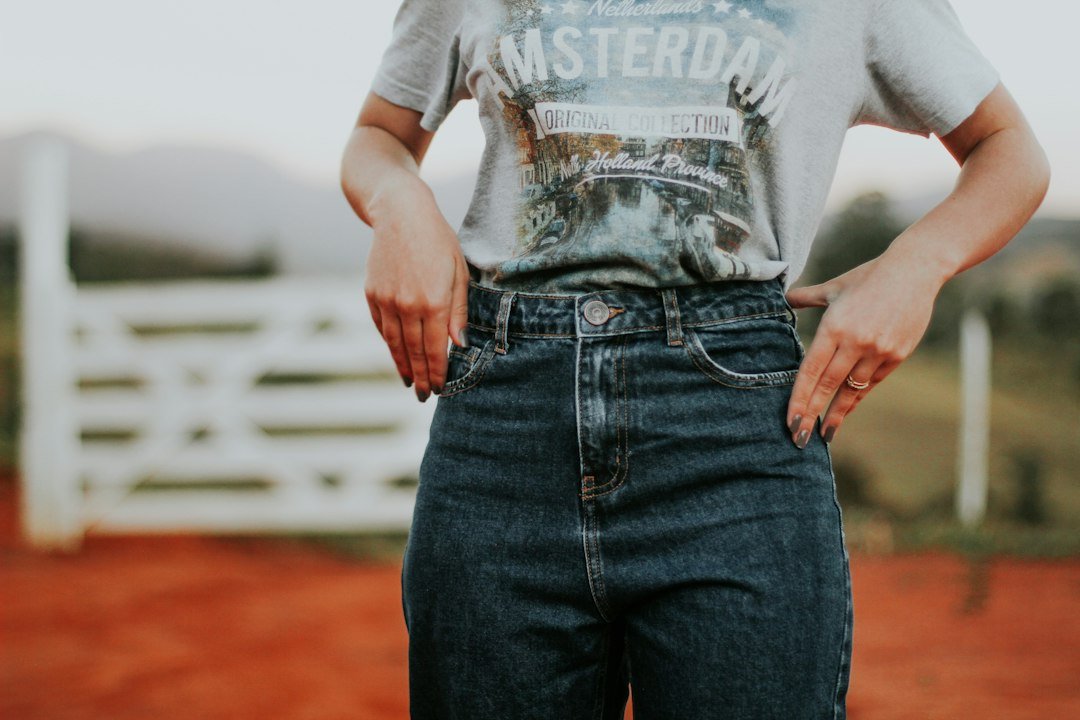
What matters: Joggers often use elasticated or adjustable waistbands, which some travellers find convenient for long sitting periods. Jeans vary from rigid denim to stretch blends, so the term jeans alone cannot establish comfort. Rise, waistband pressure, thigh room and seat fit can matter more than the garment category. Try sitting in each pair before deciding which you prefer for a long bus or car trip.
A practical example: For a long passenger journey, choose the pair that remains comfortable after an extended seated test. Think about the specific garment or occasion involved rather than applying the idea to every product with the same label. A suitable choice will make sense during real movement, repeat wear and the normal care process, not just as a styled photograph.
What to avoid: Loose clothing still needs to fit securely and must not interfere with safe driving. The product listing or supplier’s documented specifications should resolve any uncertainty that affects your purchase, especially when choosing a new fit or production method.
Fit, shopping and wardrobe context: Before making a purchase, compare the relevant garment measurements with a piece you already own. Size names and photographs cannot confirm the way an item will feel while sitting, walking or layering. A practical outfit needs to suit the actual setting, including your commute, activities and any dress expectations. If there is a choice between recreating a photograph exactly and choosing a more comfortable combination, prioritize the one you can rewear regularly. This matters for a realistic comparison of two everyday trouser choices with different strengths because the best decision can change when you compare an actual T-shirt, trouser, hoodie or customisation sample against the image that inspired the idea.
2. Moving through stations and airports

What matters: A comfortable walk and hands-free access to essentials can matter when travelling with luggage. Both joggers and jeans are suitable when the hems are practical and the pockets work for your belongings. Joggers may feel more relaxed, while neat dark jeans can look more composed when travel includes a restaurant or meeting. Try the actual shoes and backpack with your chosen bottom.
A practical example: Check pockets, waistband security and how the trouser hem sits during walking. Think about the specific garment or occasion involved rather than applying the idea to every product with the same label. A suitable choice will make sense during real movement, repeat wear and the normal care process, not just as a styled photograph.
What to avoid: Do not infer that joggers are technical travel clothing without product specifications. The product listing or supplier’s documented specifications should resolve any uncertainty that affects your purchase, especially when choosing a new fit or production method.
Fit, shopping and wardrobe context: Consider the whole item, not just the visible colour or headline price. Read material composition, finishing details, care instructions and the available size chart. A garment may look substantial in a photo but its weather suitability depends on construction and conditions. For a special event or bulk purchase, checking delivery and returns or approval procedures is more useful than relying on a promise implied by a styling image. This matters for a realistic comparison of two everyday trouser choices with different strengths because the best decision can change when you compare an actual T-shirt, trouser, hoodie or customisation sample against the image that inspired the idea.
3. College dress codes and everyday lectures

What matters: On an informal campus, joggers can work for casual errands or club activities, while jeans may fit more institutional dress expectations. Some colleges restrict athletic-style bottoms or ripped denim, so local rules matter. Comfort when seated and the ability to walk between classes should determine your preferred fit. Pair either option with a plain T-shirt or polo for a repeatable outfit.
A practical example: When in doubt about dress expectations, a clean, well-fitting pair of dark jeans can be easier to style conservatively. Think about the specific garment or occasion involved rather than applying the idea to every product with the same label. A suitable choice will make sense during real movement, repeat wear and the normal care process, not just as a styled photograph.
What to avoid: Always follow your institution’s actual uniform or clothing policy. The product listing or supplier’s documented specifications should resolve any uncertainty that affects your purchase, especially when choosing a new fit or production method.
Fit, shopping and wardrobe context: Try a second version using clothing already in your wardrobe. Change only one element such as the trouser colour, the base layer, an overshirt or the neckline. That experiment reveals whether a new garment will actually create more outfit combinations or merely duplicate something you own. It also helps keep the advice practical for Indian cities with very different indoor and outdoor temperatures. This matters for a realistic comparison of two everyday trouser choices with different strengths because the best decision can change when you compare an actual T-shirt, trouser, hoodie or customisation sample against the image that inspired the idea.
4. Style with oversized T-shirts
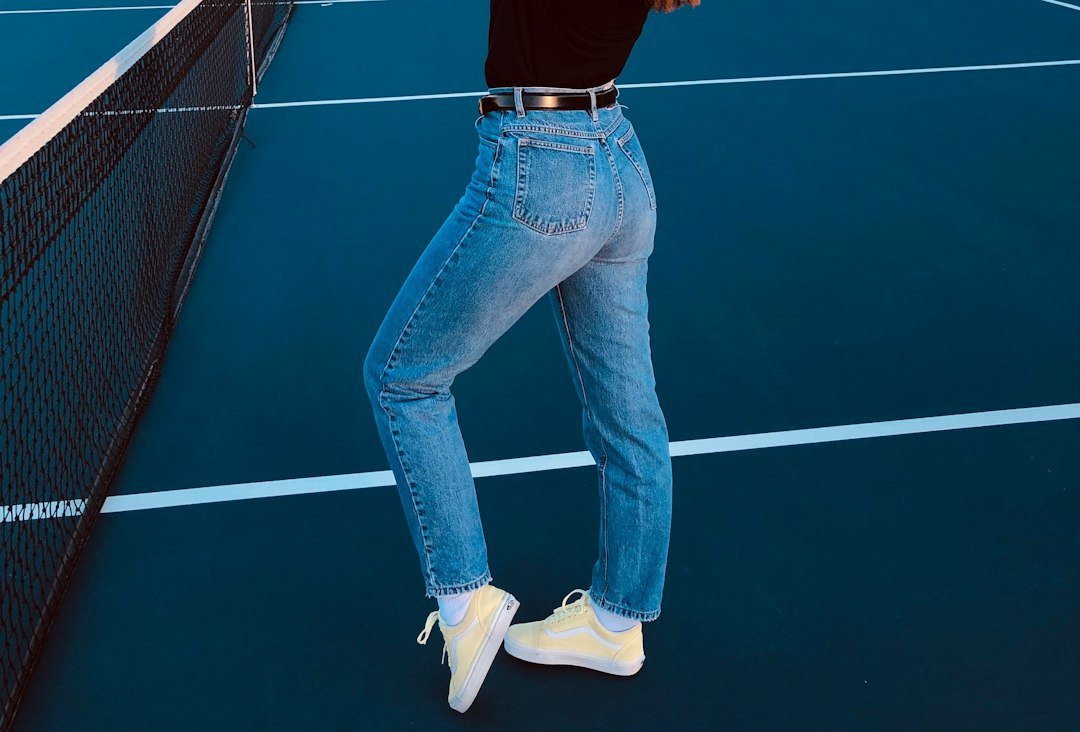
What matters: Both bottoms work with oversized tees, but they create different proportions. Joggers with tapered cuffs can provide a narrowing point at the ankle, while straight jeans maintain a more continuous line. If you prefer a loose top and loose bottom, choose hems that remain neat and practical. Do not buy a bigger T-shirt automatically; intentionally oversized patterns can be cut differently from a sized-up regular tee.
A practical example: Use one neutral trouser colour and a favourite tee to compare the two silhouettes side by side. Think about the specific garment or occasion involved rather than applying the idea to every product with the same label. A suitable choice will make sense during real movement, repeat wear and the normal care process, not just as a styled photograph.
What to avoid: The better fit is the one you can move in, not one prescribed for a body shape. The product listing or supplier’s documented specifications should resolve any uncertainty that affects your purchase, especially when choosing a new fit or production method.
Fit, shopping and wardrobe context: Comfort depends on proportions, movement and personal preference, not on a universal rule about body type. Look at the sleeves, hem and shoulder line during ordinary activity and check whether a bag strap or outer jacket changes the fit. For bottoms, think about the waistband, rise, pocket access and hem length. An outfit that looks good when standing still can be inconvenient after a long commute. This matters for a realistic comparison of two everyday trouser choices with different strengths because the best decision can change when you compare an actual T-shirt, trouser, hoodie or customisation sample against the image that inspired the idea.
5. Winter layers and hoodie combinations

What matters: A hoodie pairs naturally with both jeans and joggers for informal wear. The best winter choice depends on the fabric and the weather rather than the category name. Neither a denim bottom nor a casual jogger should be assumed to provide protection from strong wind, cold or rain. For hill travel or outdoor activities, choose additional gear suited to the forecast.
A practical example: Try the hoodie and bottom together so the two waist and hem lengths sit comfortably. Think about the specific garment or occasion involved rather than applying the idea to every product with the same label. A suitable choice will make sense during real movement, repeat wear and the normal care process, not just as a styled photograph.
What to avoid: A thick-looking garment in a photograph is not a technical insulation rating. The product listing or supplier’s documented specifications should resolve any uncertainty that affects your purchase, especially when choosing a new fit or production method.
Fit, shopping and wardrobe context: Treat product descriptions as information to check, not reasons to assume performance. Words such as premium, heavy, quick-drying and durable can refer to different attributes. Where a functional claim matters, ask what it means for the specific item. Review a sample if possible and avoid concluding that all clothes with the same fibre label, print technology or silhouette will behave identically. This matters for a realistic comparison of two everyday trouser choices with different strengths because the best decision can change when you compare an actual T-shirt, trouser, hoodie or customisation sample against the image that inspired the idea.
6. Pockets, phone security and practical use

What matters: Pocket depth and closures differ between brands and styles. Some jeans have more structured pockets, while some joggers use zips or have shallow side openings. Inspect the actual garment instead of assuming one category always holds a phone more securely. When travelling, an accessible but secure bag may be better for important documents or larger devices.
A practical example: Test whether your phone fits without interfering with sitting or walking. Think about the specific garment or occasion involved rather than applying the idea to every product with the same label. A suitable choice will make sense during real movement, repeat wear and the normal care process, not just as a styled photograph.
What to avoid: Do not rely on an open pocket for valuables during crowded commuting. The product listing or supplier’s documented specifications should resolve any uncertainty that affects your purchase, especially when choosing a new fit or production method.
Fit, shopping and wardrobe context: Colour decisions become easier when the garment will pair with more than one existing bottom or layer. Neutrals such as cream, black, navy, grey and brown may be helpful, but there is no obligation to buy them. Compare colours in available photos and consider that lighting and screens can alter their appearance. A sensible wardrobe reflects personal use rather than an artificially perfect matching set. This matters for a realistic comparison of two everyday trouser choices with different strengths because the best decision can change when you compare an actual T-shirt, trouser, hoodie or customisation sample against the image that inspired the idea.
7. Care, washing and travel packing

What matters: Jeans and joggers may require different care depending on denim weight, fibre blend, elastic components and finishes. Read the label before washing or tumble drying. A garment that feels lightweight is not always quicker to dry, and thicker denim is not automatically more durable. When packing, consider how often you will wear the same pair and whether it coordinates with several tops.
A practical example: Choose one bottom you can wear multiple times rather than packing duplicate versions for every day. Think about the specific garment or occasion involved rather than applying the idea to every product with the same label. A suitable choice will make sense during real movement, repeat wear and the normal care process, not just as a styled photograph.
What to avoid: Do not promise wrinkle resistance or quick drying without knowing the exact fabric. The product listing or supplier’s documented specifications should resolve any uncertainty that affects your purchase, especially when choosing a new fit or production method.
Fit, shopping and wardrobe context: Good styling also includes how a garment is cared for after several wears. Check the wash label and any instructions for prints, trim or fabric finishes. Avoid assuming one decorating method or garment type automatically has a longer lifespan. Fabric construction, use and maintenance all influence wear. If a piece needs special treatment, decide whether that care routine fits your everyday life before ordering. This matters for a realistic comparison of two everyday trouser choices with different strengths because the best decision can change when you compare an actual T-shirt, trouser, hoodie or customisation sample against the image that inspired the idea.
8. Choosing trousers for an informal office
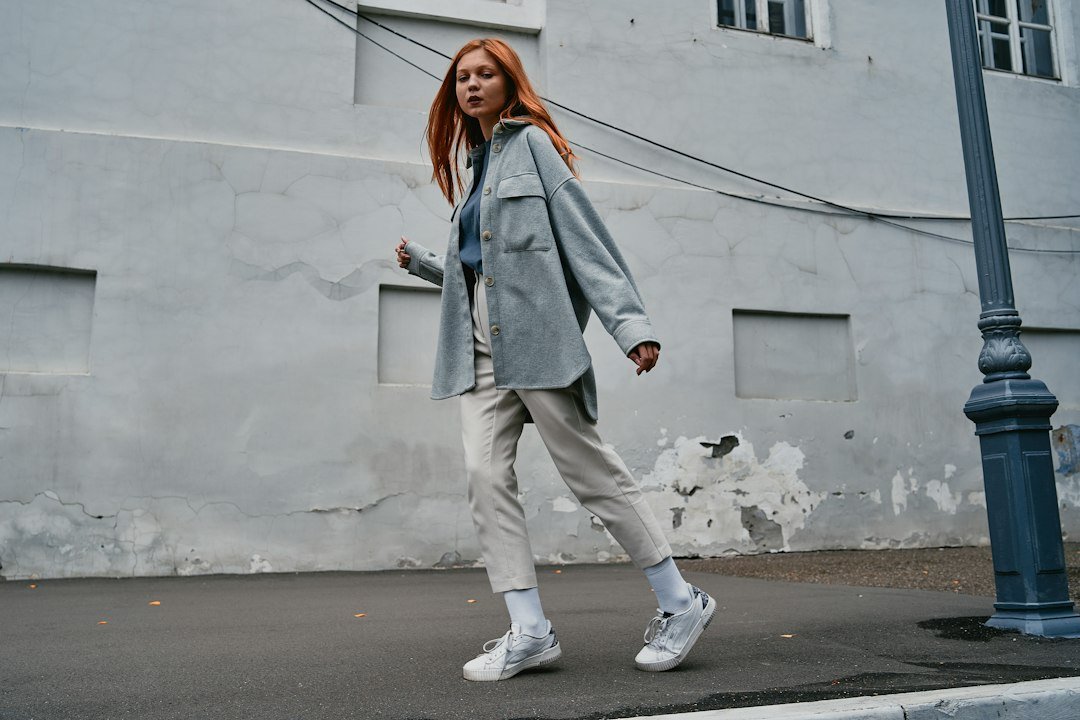
What matters: Where workplaces allow casual clothing, dark undistressed jeans can be a common option. Joggers may be too sporty for some offices, although refined jogger-cut trousers also exist. Instead of guessing, check the company’s policy and the occasion. A plain polo or overshirt can make jeans look neater, but does not transform unacceptable attire into a formal outfit.
A practical example: If presenting to clients, confirm dress expectations before choosing either option. Think about the specific garment or occasion involved rather than applying the idea to every product with the same label. A suitable choice will make sense during real movement, repeat wear and the normal care process, not just as a styled photograph.
What to avoid: Personal comfort does not override an explicit uniform or professional dress requirement. The product listing or supplier’s documented specifications should resolve any uncertainty that affects your purchase, especially when choosing a new fit or production method.
Fit, shopping and wardrobe context: Think about what happens when a layer is removed or when the activity changes. A base tee can remain comfortable indoors, a hoodie can be packed for the afternoon, or a polo can be worn in a different setting with another bottom. Buying a garment that adapts well can be more useful than buying a complete outfit designed for one photo. Check actual climate and the venue’s requirements. This matters for a realistic comparison of two everyday trouser choices with different strengths because the best decision can change when you compare an actual T-shirt, trouser, hoodie or customisation sample against the image that inspired the idea.
9. Footwear and ankle shape

What matters: Tapered joggers, cuffed joggers, straight jeans and wide denim all interact with shoes differently. A jogger cuff can create a narrow ankle line, while a straight jean hem may partly cover the shoe. The most reliable check is to try the trousers with the footwear you actually use. Ensure the hem does not drag on wet ground or catch while climbing stairs.
A practical example: Choose shoes for walking and terrain rather than for the outfit photograph alone. Think about the specific garment or occasion involved rather than applying the idea to every product with the same label. A suitable choice will make sense during real movement, repeat wear and the normal care process, not just as a styled photograph.
What to avoid: A rigid denim hem can feel different from a soft knitted cuff when seated. The product listing or supplier’s documented specifications should resolve any uncertainty that affects your purchase, especially when choosing a new fit or production method.
Fit, shopping and wardrobe context: Do not infer garment size, material behaviour or colour from one model photograph. Compare multiple product views, a stated size guide and the product’s written details. In high-volume or branded apparel purchases, approve the exact garment and decoration sample before production when feasible. In personal shopping, measuring a favourite item can reduce uncertainty, though it cannot guarantee perfect fit. This matters for a realistic comparison of two everyday trouser choices with different strengths because the best decision can change when you compare an actual T-shirt, trouser, hoodie or customisation sample against the image that inspired the idea.
10. Decision guide: joggers, jeans or both?

What matters: For informal, comfort-focused activities, joggers may be convenient; for varied social situations and more conservative casual dress, jeans may be easier to reuse. Many wardrobes benefit from one well-fitting pair of each, but there is no need to buy both if one already covers your needs. Choose based on fit, the activity, fabric care and the looks you genuinely repeat.
A practical example: Start by comparing a current pair of trousers with a product’s measurements before ordering another. Think about the specific garment or occasion involved rather than applying the idea to every product with the same label. A suitable choice will make sense during real movement, repeat wear and the normal care process, not just as a styled photograph.
What to avoid: Avoid relying on labels like premium or athleisure as evidence of performance. The product listing or supplier’s documented specifications should resolve any uncertainty that affects your purchase, especially when choosing a new fit or production method.
Fit, shopping and wardrobe context: The most useful conclusion is one you can act on. Write down the garment type, preferred fit, two possible outfit pairings and any unresolved questions about fabric, size or production. Check those points against the product listing or supplier quote. If everything fits your routine, the purchase has a clear purpose; if not, keep using what you have while evaluating another option. This matters for a realistic comparison of two everyday trouser choices with different strengths because the best decision can change when you compare an actual T-shirt, trouser, hoodie or customisation sample against the image that inspired the idea.
Before you buy: measurements, fabric and real-world use

First decide what you need the garment to do. For everyday styling, the key questions may be whether it coordinates with existing trousers, whether the shoulder and sleeve shape are comfortable, and whether the fabric is suitable for the season. For a corporate event or repeated group order, consistency, approval samples and logo placement may matter more. Separate those practical requirements from the look of a catalogue photograph.
Use measurable information wherever possible. Compare the garment’s chest width, shoulder points, length and sleeves against a piece you already like. Trousers need an appropriate waist, rise and inseam, while a planned overshirt or jacket needs sufficient room over the base. If a size chart provides body dimensions rather than flat garment dimensions, follow that convention and avoid comparing incompatible numbers. When uncertain, refer to the specific listing or ask for a clarification.
Read the fibre composition and care label instead of treating fabric weight or a descriptive name as proof of quality. Cotton, polyester and blends can differ by construction and finish; even garments sharing a fibre label need not feel or perform alike. For cold or wet journeys, casual fashion layers should not be mistaken for protective technical clothing. Choose additional appropriate insulation or weather protection based on the actual forecast.
Finally, account for repeat use. Consider whether a new item adds two or three useful combinations to your existing wardrobe, or whether a bulk design can be produced consistently on all required sizes and colours. Check stock, price, size availability, delivery conditions and the relevant returns or sample-approval terms. Planning these details before ordering reduces uncertainty and makes the finished clothing more likely to meet the original purpose.
Frequently asked questions about joggers vs jeans for travel

How do I choose the correct size?
Measure a garment you enjoy wearing, check the exact product’s size chart and make sure you are comparing garment measurements with garment measurements, or body measurements with the stated body-size method.
Do I need every item shown in the photographs?
No. The pictures are product or outfit references. Start with clothes you own and check the retailer’s live product listings for exact inventory and materials.
Is one fit or fabric always best?
No. The preferred cut and material depend on your activity, comfort, climate and the specific product construction. Size labels and broad fabric names do not settle every detail.
How can I create more outfits without buying much?
Choose one versatile top or bottom and pair it with two or three existing garments. A change of outer layer, shoes or trouser colour often creates a useful alternative.
Do these clothes work for Indian winter?
It depends on local temperatures, wind and outdoor activity. Casual tees or hoodies cannot automatically replace suitable weather-protective outerwear.
Where can I find current prices and stock?
Use the Namakool product listing or bulk-order enquiry route. Published editorial styling advice is not a real-time stock or price quotation.
What should I check before an event or bulk order?
Review current sizes, colours, fabric information, delivery expectations, approval samples where appropriate and relevant returns or order terms.
Does Rank Math scoring guarantee Google rankings?
No. Useful unique content, search intent, indexability, competition, internal linking and technical performance all matter. A score is not a traffic guarantee.
Related Namakool reading: garment basics, fit and styling guidance, and another relevant fashion guide. For independent technical context, see this apparel industry or measuring reference. General tips are not a substitute for the current product specification or a supplier’s written quote.