
To wash a printed T-shirt, follow the instructions for both the garment and its decoration. Many printed tees call for cool washing, an inside-out position and gentle handling, but the exact instructions can differ. A general blog cannot replace the care information supplied with your particular shirt.
This guide to how to wash printed T-shirts helps you build a practical routine around those instructions. It covers checking the label, organising a wash, planning drying, storing favourite designs and deciding what to do when something goes wrong. The aim is to keep useful clothes in regular rotation without turning laundry into a complicated project.
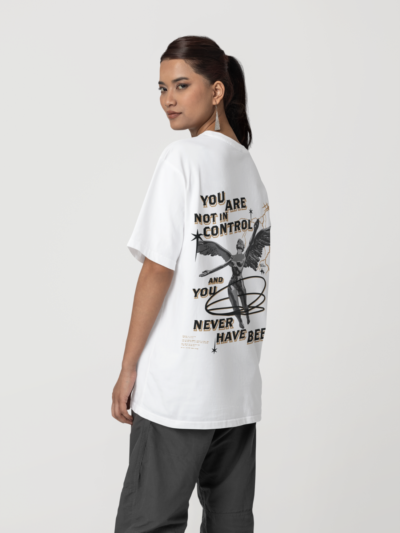
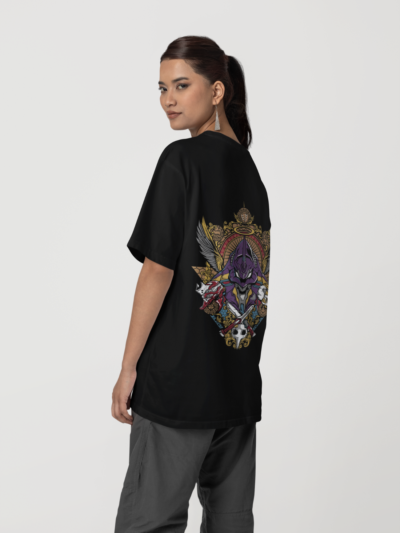
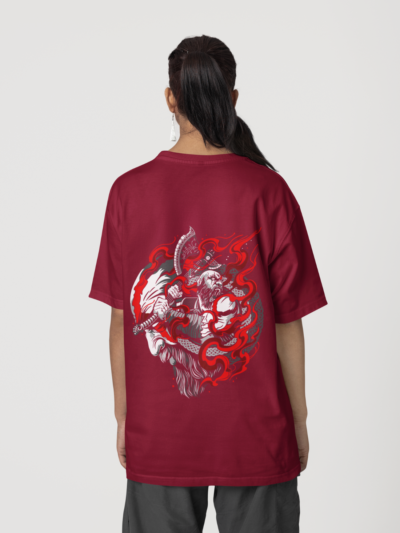
Images show examples of everyday apparel and printed designs from Namakool’s media library. They illustrate the kinds of garments you may own; they do not identify a printing method or demonstrate a tested washing result. Check the actual product details before choosing a care method.
Find your next favourite graphic tee
Explore current styles, then check your size and product details.
1. Begin with the printed tee’s label and product information

A printed T-shirt combines a fabric garment with a design applied or incorporated in a particular way. The fabric and the decoration may have different care needs. That is why the instruction for a plain cotton tee should not automatically be used for every graphic tee, even if both feel similar in your hand.
Find the sewn-in care label, any separate print-care information and the product page if you still have it. Read them before the first wash. If the information appears to conflict, ask the seller for guidance on the finished printed garment rather than choosing whichever instruction is most convenient.
GINETEX explains that textile care symbols communicate appropriate treatment information. Use a reliable symbol guide when a label is unclear. Do not guess that a crossed-out symbol is a suggestion, or assume a temperature printed on the label is a target you must always use.
Keep the information easy to find. Photograph the care label when you buy the shirt and save it with the product name or order reference. This is especially useful if the label becomes difficult to read later, or if someone else handles your laundry. A short note can prevent repeated uncertainty.
Do not identify the printing method from appearance alone. A smooth design, a textured surface or bright colours do not prove whether the print is DTG, DTF, screen print or another process. If the process matters to a cleaning decision, ask for confirmation instead of treating an online picture as a technical diagnosis.
Check the entire garment, including sleeves, back and any small decoration near the hem. A shirt can have more than one printed area. When turning it inside out or arranging it for drying, it helps to know where those areas are so you do not focus only on the front graphic.
For example, if a tee has a plain front and a large back design, it still needs the care appropriate to the decoration. Put it in the same decision process as your other graphic tees. The absence of a front print does not make it a plain garment for laundry purposes.
Before starting, be able to answer three things: whether home washing is allowed, which wash and dry settings are permitted, and whether the decoration has extra restrictions. If any answer is missing and the item matters to you, pause that item and get clarification. You can continue the rest of the laundry without experimenting on it.
2. Organise the load before choosing a wash setting
A dependable routine starts before the machine. Put the tees you intend to wash in one place and check each item briefly. Empty pockets, remove loose objects and notice any stains or damage that may need a separate decision. This is a practical inspection, not a reason to delay ordinary laundry indefinitely.
Sort according to compatible care instructions and colours rather than putting every T-shirt in the same load. A delicate decorated tee and a sturdy plain work shirt may not belong in the same cycle. Check the guidance for each item and use the machine’s manual when its programme names are unclear.
The American Cleaning Institute’s laundry basics emphasise reading garment labels and choosing appropriate wash and dry settings. Use those fundamentals to organise your load. A familiar button on the machine is not automatically the correct setting for a new garment.
As one manufacturer example, Printful’s guidance for its DTG apparel recommends cold, gentle washing inside out with similar colours and mild detergent. It also advises avoiding fabric softener. Those are instructions for its products; use the supplied instructions for your Namakool tee rather than treating this example as a universal label.
Build a small system that fits your home. One area can hold ready-to-wash clothing, while another holds items that need a care question answered. This prevents an uncertain garment from being washed accidentally just because it was sitting on top of the basket.
If several people share the machine, explain any special item plainly. “Please follow the saved label photo for this tee” is more useful than “be careful with my clothes.” Keep the instruction with the garment or in the shared place where laundry decisions are made.
Choose detergent according to the garment instructions, the product directions and your machine type. Do not assume that adding more will improve every result. Measure as directed for the load and conditions. If a product is unsuitable for the garment, using a smaller amount does not necessarily make it appropriate.
Avoid turning a first wash into an experiment with multiple new products. If the result is unexpected, it is harder to understand what happened when the detergent, additives, cycle and drying method all changed at once. Start with the clearly permitted routine and make decisions from the information you actually have.
3. Plan drying and ironing before the wash finishes

Drying deserves the same attention as washing. Check the label before starting so you know where the garment will go afterwards. If the permitted method needs a drying rack, make sure space is available. A full washing machine is not a complete laundry plan if every suitable drying space is already occupied.
Do not assume that a T-shirt can tolerate a hot tumble cycle because the fabric seems sturdy. Follow the finished garment’s instructions. Printed areas and trims may affect the permitted method. If tumble drying is not allowed, a shorter hot cycle is still not the same as following that restriction.
For its DTG apparel, Printful lists hang drying or low tumble drying and says not to iron the print. It recommends a cool iron from the inside when ironing is appropriate. These details illustrate why decoration-specific instructions matter; they do not establish the permitted settings for every shirt sold elsewhere.
Set a reminder if you often forget a finished load. A simple phone alarm tied to the machine’s expected finish time can be enough. The purpose is to make the next step easy, especially on a busy day, rather than to create another task that needs constant attention.
When arranging a tee for drying, follow its instructions and handle it without unnecessary pulling. Check that sleeves are not tightly twisted and that the garment can dry as intended. Do not stretch the neckline to force a wet shirt onto an unsuitable hanger or use the graphic as a gripping point.
Plan the next wear realistically. If you need a particular tee tomorrow, do not begin a late wash that depends on an uncertain drying window. Choose another outfit or wash earlier. Rushing a favourite graphic through an unapproved high-heat setting is a poor substitute for having a backup tee ready.
Before ironing, locate every printed area again. A small sleeve or back-neck design is easy to miss if you focus only on the large front artwork. Follow both the fabric and decoration instructions. If you are unsure about direct heat, get clarification rather than experimenting on a visible section.
Make sure the garment is ready for storage before putting it away. A shelf or drawer should be the final step, not an alternative drying space. Keep freshly washed clothes separate from the pile waiting to be cleaned so you do not repeat a wash simply because you can no longer remember what is ready to wear.
Find your next favourite graphic tee
Explore current styles, then check your size and product details.
4. Handle stains, fading and print damage with a clear record
When you notice a problem, first identify what you actually know. Is there a new stain, a change in colour, a lifted edge on a design, or a change in fit? These are different issues. Describing the observation clearly is more useful than assuming every change means that the printing process has failed.
For stain questions, the Drycleaning & Laundry Institute’s consumer care guide provides a starting point and links to more specific guidance. Check the care label and the cleaning product’s directions before trying a treatment. A method suited to one fabric or decoration may not be appropriate for another.
Keep a brief record of an unexpected result. Photograph the garment in ordinary light, note the area affected and write down the wash and dry settings you used. Include the detergent or treatment if relevant. This gives the seller or a cleaner concrete information instead of a vague description such as “the shirt changed.”
Do not promise yourself that another wash will reverse every problem. Colour loss, a damaged print and a stain are not the same. Repeating an unhelpful process can make it harder to assess the original issue. Ask for advice when the next step is uncertain, particularly with a valuable or sentimental garment.
If a print edge appears to lift, avoid picking at it while deciding what to do. A loose-looking area can tempt you to peel it back for a closer look, but that changes the condition you are trying to assess. Take a photograph and contact the seller with the product and care information.
Do not apply glue, a hot iron or an online repair trick without guidance appropriate to the actual decoration. Different prints use different materials. A repair suggested for one process does not automatically work for another, and a generic video cannot establish what was used on your shirt.
If you contact support, send the order reference, the product name, clear photographs and a short account of what happened. Keep the message factual. You do not need to diagnose the chemistry of the ink; the useful information is when the change appeared and how the garment was treated.
For a tee that remains comfortable but no longer suits your preferred outside outfit, consider a different role in your wardrobe if you want to keep it. It might become a home or hobby shirt. That is a personal choice, not a requirement to accept a defect or a claim that every damaged garment can be restored.
5. Store and rotate graphic tees so you can use what you own

A simple storage system helps you see the designs you already have. Fold or arrange garments according to their care needs and your available space. The goal is to find a shirt without pulling out the entire pile, because a hidden favourite is less likely to be worn than the tee always sitting on top.
Organise around how you dress. You might group plain basics, small graphics and large statement prints separately. Another person may prefer sorting by colour. Choose the method that makes your usual outfit decisions easier rather than copying a storage system that looks attractive but does not fit your routine.
Keep a small group of ready-to-wear combinations in mind. One printed tee might work with both blue jeans and relaxed dark trousers. Another may suit shorts and a lightweight layer. Knowing these combinations makes it easier to rotate the collection instead of repeatedly wearing the same two designs.
Use Namakool’s graphic T-shirt outfit guide for ideas, then adapt them to the garments already in your cupboard. Styling an existing shirt differently can be a more useful first step than buying another design before you have worn the last one.
Before a trip, choose clothes that fit the available laundry and drying arrangements. If you will have limited space or no suitable wash facilities, pack enough appropriate clothing rather than assuming every tee can be cleaned quickly in a bathroom sink. Check care instructions before planning hand washing as a backup.
Keep a travel note with the care information for items you expect to wash away from home. A saved label photograph is easier to consult than trying to decode a tiny tag in poor light. If a laundry service is involved, communicate the item’s restrictions before handing it over.
Review the wardrobe periodically without turning it into a forced clear-out. Identify shirts you enjoy, shirts that need a repair decision and shirts that no longer fit your life. This helps future shopping because you can see the actual gaps: perhaps a plain base tee is missing, while you already own several large graphics.
When adding a new printed tee, give it a clear role. Name two outfits, check the size chart and confirm that the care is manageable. A design can be attractive and still be an awkward purchase for your routine. The most useful wardrobe contains clothes you can wear, clean and store without constant improvisation.
6. Printed T-shirt care FAQs and a repeatable routine
Can all printed T-shirts go in the washing machine? No single answer covers every fabric and decoration. Read the instructions for the finished product. If machine washing is permitted, use the allowed settings and any additional print-care guidance. If the information is missing, ask the seller before making an assumption.
Is inside-out washing enough to protect a print? It is only one part of a care routine where recommended. It does not override a restriction on heat, detergent or drying. Think of the instructions as a set of conditions that work together, rather than one trick that makes every other choice safe.
Can I use the instructions from another brand? They can explain general principles, but they do not replace your garment’s directions. Two tees can look similar and have different compositions or decorations. Use outside guidance to understand the questions to ask, then follow the information for the item you own.
Will careful washing keep the print perfect forever? No care routine can honestly guarantee that. Wear, material quality, production and use all affect appearance over time. Avoid fixed promises about a number of washes unless the manufacturer provides reliable testing for that exact product.
What if the label is unreadable? Look for your saved product details or order information and contact the seller. A clear photograph of the garment and the remaining label may help. Do not choose a wash method only from the colour, thickness or feel of the fabric.
Should I wash a tee after every brief wear? Base the decision on the garment’s condition, activity and care guidance. A shirt worn during sweaty exercise presents a different situation from one tried on briefly at home. Avoid one rigid rule that ignores how the garment was actually used.
For an easy repeatable routine, follow this sequence: check the instructions, inspect the item, group compatible garments, choose the permitted wash method, prepare the drying space and put the garment away when ready. Keep uncertain items separate until the question is resolved. This reduces rushed decisions without adding unnecessary complexity.
Before buying your next graphic tee, check the design, fit and care together. The best shirt for you is one that works with your wardrobe and everyday habits. Browse the live Namakool categories for current options, read the individual listing and keep its care information with your order records.
Find your next favourite graphic tee
Explore current styles, then check your size and product details.