
A winter capsule wardrobe for India is a small set of clothes that work together for your actual weather and weekly routine. It does not require an all-beige cupboard, an exact number of pieces or a complete shopping trip. Start with useful clothes you already own, then add only the missing layers or basics.
Winter varies widely across India. A mild afternoon, a cool commute and a cold northern morning can require different clothing. This guide focuses on everyday casual outfit planning with T-shirts, hoodies, sweatshirts and jackets. Add appropriate protective outerwear and other layers when conditions require them.
The aim is to create more wearable combinations with fewer awkward purchases. You will learn how to audit your wardrobe, choose a workable palette, plan a flexible set of pieces and repeat outfits without feeling that every day looks identical.
Fill the gap in your winter wardrobe
Explore current styles, then check your size and product details.
1. Plan the wardrobe around your week and local conditions

Before counting clothes, write down what a normal week contains. Include work or college, travel, errands, exercise, social plans and time at home. Note which settings have a dress code and which allow relaxed clothing. A capsule built around imagined weekends will not help much if most of your week has different requirements.
Next, divide your day into indoor and outdoor time. Someone who spends ten minutes outside and many hours in a warm office may prefer removable layers. Someone who waits for transport or walks for longer needs a different plan. Choose around exposure and activity rather than the word “winter” alone.
Use the local forecast when getting dressed, especially before travel. Do not assume that a wardrobe suitable for one city will cover a trip to another. A hoodie may be comfortable in mild conditions but insufficient for sustained cold. Technical warmth or weather protection should come from appropriate product specifications, not from a fashion category name.
Think about temperature changes during the day. A comfortable base tee and a removable mid layer can give you more flexibility than one very heavy top. However, this is a planning approach, not a fixed prescription. Your comfort, the weather and the activities should decide the exact combination.
Include laundry in the plan. How often can you wash clothes, and how much suitable drying space is available? A capsule that depends on washing one favourite tee every evening may be inconvenient. Own enough appropriate base layers for your routine before spending the whole budget on a statement jacket.
Check the practical details of travel and work. A backpack, long seated commute or crowded train can affect which layers feel comfortable. Large hoods, bulky sleeves and long hems may suit one activity but frustrate another. Test the outfit while doing ordinary movements rather than judging only a mirror photograph.
Write a short wardrobe brief: “casual college clothes, cool mornings, warm afternoons, weekly laundry,” for example. That sentence becomes your shopping filter. A garment can be attractive and still be unnecessary if it does not help with that actual brief.
Finally, decide what the capsule will cover. It can focus only on casual weekdays while formal workwear and specialist outdoor clothing remain separate. You do not need to force every item you own into a single small system. A useful capsule simplifies a part of life instead of turning the entire wardrobe into a strict exercise.
2. Choose a colour palette from clothes you already wear
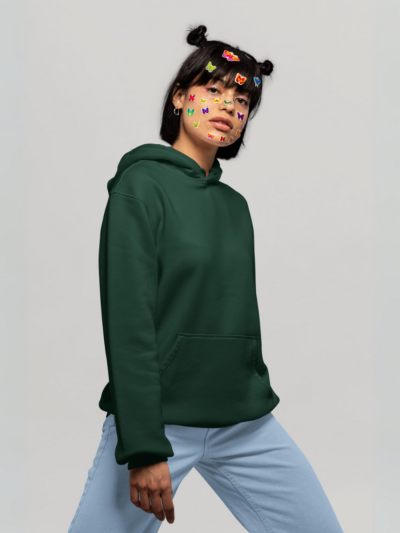
Begin by laying out the pieces you reach for most often. Notice the colours that already repeat. You may find blue denim, black trousers and white tees, or a different combination entirely. Those existing preferences are a better starting point than buying a new palette simply because it photographs well.
Choose two or three base colours that connect easily across your wardrobe. Then add one or two accent colours if you enjoy them. For example, dark denim and grey can support a green hoodie or a muted red sweatshirt. This is an optional organising method, not a rule that every garment must fit a strict colour chart.
Check colours in ordinary daylight. Two pieces described as navy can look different, and a warm cream may not create the same effect as a bright white. The goal is not perfect matching. You only need to like how the pieces look together and feel confident using them in more than one outfit.
A printed item can be part of a capsule. Choose a graphic tee or patterned jacket that connects with the colours already present. It may not work with every garment, but it should have a few clear partners. A capsule is flexible enough to include personal style rather than reducing everything to plain basics.
For a quiet palette, vary shape and texture. A plain tee, a sweatshirt and a bomber can look different even when they share a similar colour. This lets you repeat pieces without relying on a new colour for every outfit. Check the product details before making assumptions about the fabric from an image.
For a brighter palette, place the strongest colour where you most enjoy it. That might be a hoodie, a tee or a jacket. Keep enough simple supporting pieces to make that item easy to wear. Buying several statement colours at once can create more combinations to solve rather than fewer.
A useful test is the three-outfit rule: identify three combinations for a potential purchase using clothes you already own. It is a personal shopping filter, not an industry standard. If you struggle to name even one comfortable outfit, the item may not fill the wardrobe gap you thought it did.
For more colour ideas, browse Namakool’s black and brown outfit guide or the beige T-shirt combination guide. Treat the examples as inspiration and adapt them to your own palette instead of purchasing an entire look without checking what you already have.
3. Build a flexible starter set instead of chasing an exact number
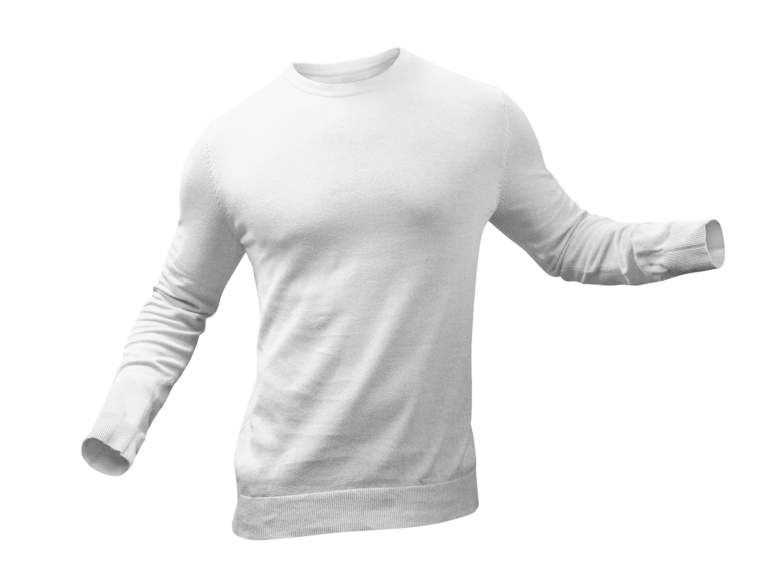
A starter capsule can include a few base tees, two useful mid layers, two or three bottoms and an outer layer suited to your conditions. This is only an example. Laundry frequency, work requirements and weather may mean you need more or fewer pieces. Underwear, specialist clothing and accessories do not need to fit an arbitrary count.
| Role | Possible starting point | Decision to make |
|---|---|---|
| Base layers | A light tee, a dark tee and a favourite graphic | Enough for your laundry routine? |
| Mid layers | A crew-neck sweatshirt and a hoodie | Do both have a clear use? |
| Bottoms | Jeans, relaxed trousers and an optional casual pair | Can you sit and move comfortably? |
| Outer layer | A suitable jacket or coat | Does it meet the actual weather need? |
Start with base layers because they support the rest of the wardrobe. Choose necklines and lengths that work under your existing tops. A tee that bunches beneath every sweatshirt is not useful simply because its colour is versatile. Fit and comfort make a piece repeatable.
For mid layers, compare the roles of a hoodie and crew neck. A hoodie offers a relaxed shape around the neck, while a crew neck can sit more simply beneath some jackets. You may only need one. If you already own a suitable version, wear it before buying another in a slightly different shade.
Choose bottoms around movement and the settings you visit. One comfortable pair of jeans can support several outfits, while simple trousers can change the mood. Do not buy a style that needs constant adjustment just because it appears in capsule-wardrobe photographs.
Your outer layer should fit over the intended combination underneath. Test the chest, upper arms and shoulders with the mid layer on. A jacket that is comfortable over a thin tee may be restrictive over a sweatshirt. Check both open and closed positions before deciding it fills the role.
Footwear and bags should come from your actual needs. Start with a comfortable pair you already own and a bag that holds your essentials. These pieces do not have to match every colour exactly. They need to be usable enough that you can leave home without changing the entire outfit.
For general textile background, CottonWorks’ fabric collection shows how constructions vary. When shopping, return to the specific listing for composition and care. A capsule works best when each piece suits both your styling preferences and the practical way you maintain your clothes.
Fill the gap in your winter wardrobe
Explore current styles, then check your size and product details.
4. Turn the pieces into a week of outfit formulas

Monday: light tee, jeans and a crew neck. Use a base tee that sits comfortably at the neck and sleeves. Add the sweatshirt for the cooler part of the day and remove it if conditions change. The jeans should work with both versions so you do not depend on keeping the layer on.
Tuesday: dark tee, relaxed trousers and a jacket. Keep the base simple and let the outer layer define the shape. If the jacket is patterned, the plain tee can give the outfit a calmer centre. Make sure the base remains suitable for wherever you will be when the jacket comes off.
Wednesday: graphic tee, jeans and an open outer layer. Let some of the print show if that is the detail you enjoy. Check that a bag strap does not make the arrangement uncomfortable. A graphic is a way to add variety using one piece, not an instruction to add several competing prints.
Thursday: hoodie with simple trousers. Compare the volume of the top and bottom. A roomy hoodie can work with straight or relaxed trousers; choose the silhouette that feels good to you. Check the hood against your backpack or seat if the day involves a long commute.
Friday: crew neck with your second bottom. Reusing the top with different trousers gives it another role without creating a new shopping requirement. You can change the base tee or accessories if desired. A repeat outfit is not a failure of style; it is evidence that the clothes are useful.
Saturday: favourite tee and the layer the weather needs. Plan around the activity, whether it is shopping, meeting friends or spending time at home. Do not keep a heavy layer on only because it completes a photograph. Practical comfort should remain part of the styling decision.
Sunday: comfortable clothes and a quick wardrobe reset. Check what needs cleaning, what is ready for the next week and whether any item needs attention. This is also a useful moment to notice pieces you did not wear. Their absence may tell you more than another list of supposed essentials.
These formulas are examples, not a schedule you must follow. Switch days, colours and pieces around your own life. For additional ideas, use Namakool’s men’s casual outfit guide or women’s casual outfit guide, then build with your existing wardrobe rather than treating every pictured look as a separate purchase.
5. Shop the gaps, check fit and keep the budget realistic
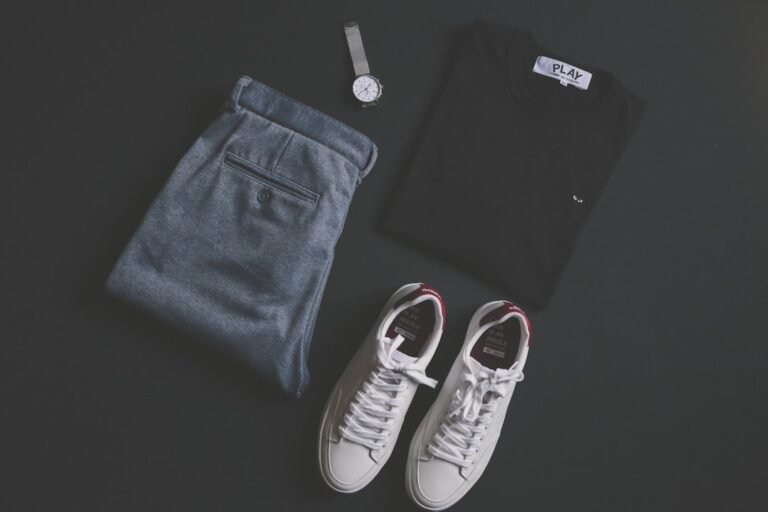
Make two lists: items that solve a clear problem and items you simply like. Both are valid, but they serve different purposes. A missing warm layer for a regular commute deserves a different priority from a fourth graphic tee when you already have several you enjoy.
Describe each gap precisely. “A crew neck that fits under my jacket” is more useful than “more winter clothes.” “A dark base tee with a shorter hem” gives you a concrete measurement to check. Specific needs help prevent a shopping session from becoming a collection of attractive but unrelated items.
Set a budget before browsing and leave room for practical needs. A capsule is not automatically economical if it causes you to replace clothes that already work. Use existing garments first and spread purchases over time where that suits you. There is no benefit in reaching an ideal-looking wardrobe count immediately.
Compare size charts with the relevant garment at home. For a sweatshirt, use a sweatshirt you like, not a thin fitted tee. Check whether the measurements are flat garment dimensions or body measurements. Follow the seller’s method so the comparison means something.
Think about cost per use as a personal planning tool, not a promise. An inexpensive top that you never wear may be less useful than a more suitable piece worn often. You cannot know the final number in advance, but you can honestly ask whether the garment fits repeated situations in your week.
Check current prices, availability and return terms on the live product page. A blog image or older social post is not evidence that an item is still stocked in your size. Avoid buying the wrong size just because it is the only one available or because a short-lived offer makes the decision feel urgent.
Care also belongs in the budget decision. A garment requiring a routine you cannot reasonably follow may create extra inconvenience. GINETEX explains the role of textile care labels; use the instructions supplied with each item to decide whether it fits your home and laundry habits.
After a purchase, try the planned combinations while the item still meets any applicable return conditions. Keep labels and packaging as required by the store policy. Confirm that it fills the original gap instead of immediately shopping for additional pieces to make an unsuitable purchase work.
6. Capsule wardrobe FAQs and the end-of-week review

How many pieces do I need? There is no universal number. Start with enough suitable clothes for your activities and laundry cycle. A small wardrobe that leaves you without clean base layers is not more successful than a slightly larger one that supports your normal week.
Can a capsule include prints and bright colours? Yes. It should reflect what you like wearing. Choose prints with clear outfit partners and enough simple pieces to support them. The purpose is easy combinations, not removing every interesting detail from your clothes.
Do men and women need different rules? The planning process is the same: weather, routine, fit, preferred shape and care. Individual cuts and measurements differ, so use the relevant product chart. You can adapt the examples to your own proportions and preferences without following a fixed gender-based formula.
Can I use summer T-shirts in winter? Often they can remain useful as base layers when their fit and fabric work with the rest of the outfit. They do not provide all the insulation needed in cold conditions. Plan the whole combination and add suitable layers for the actual weather.
Should I remove everything outside the capsule? No. Special-occasion clothing, workwear and pieces you enjoy can remain part of the wider wardrobe. You can simply keep the frequently used set easy to reach. A capsule is a convenience tool, not a reason to make rushed disposal decisions.
What if I get bored? Try changing the layer order where comfortable, switching the bottom or using a different tee under the same jacket. Photograph a few combinations you like for your own reference. This can reveal options you had forgotten before you decide another purchase is necessary.
At the end of a week, ask what you wore, what felt awkward and what remained unused. Was a layer too bulky? Did a colour work with fewer outfits than expected? Were you short of clean tees? These observations give you a more accurate next step than a general list of must-have clothes.
Keep the pieces that work, adjust the combinations that nearly work and buy only where a real gap remains. Browse Namakool’s live Men and Women categories for options that suit that gap, then check the individual listing. A good winter capsule grows from repeated useful decisions, not from buying a complete wardrobe in one sitting.
Fill the gap in your winter wardrobe
Explore current styles, then check your size and product details.