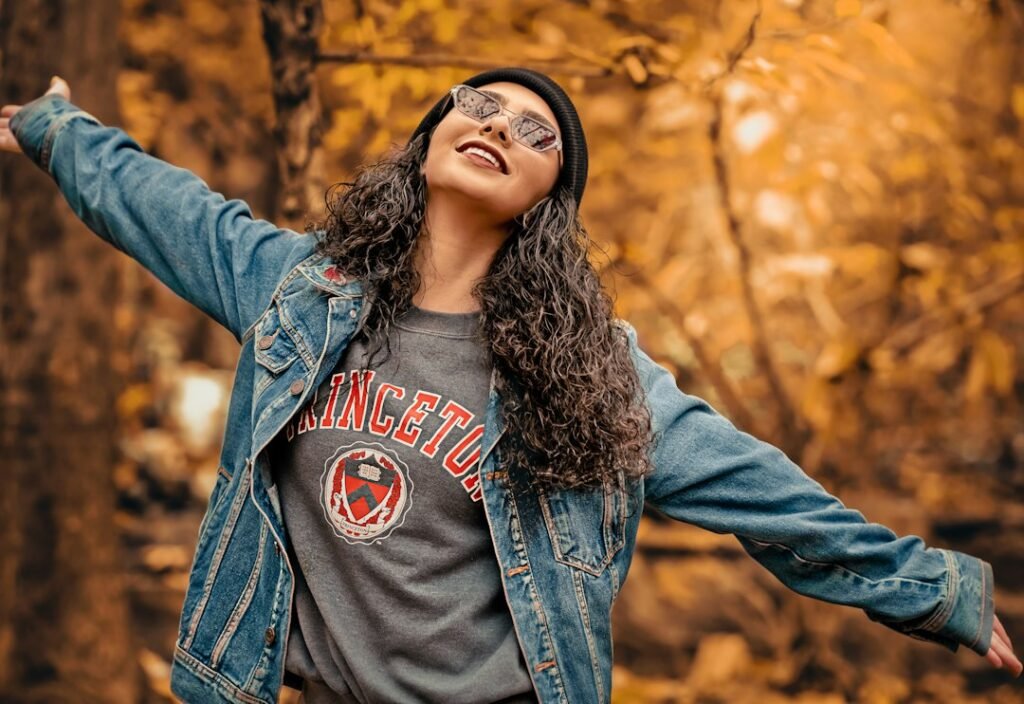
Autumn layering outfits work best when every layer has a job. Start with a T-shirt you are happy to wear on its own, add one removable shirt or jacket, and choose trousers that still look balanced after you take that layer off. You do not need a heavy coat simply because the calendar says October.
In India, the useful outfit may change between an outdoor afternoon, an air-conditioned office and a cooler evening. This guide treats layering as a practical styling choice rather than a fixed winter uniform. It covers men’s and women’s casual wardrobes, with specific combinations, movement checks and a way to use clothes you already own.
Quick answer: pair a comfortable tee with an open shirt for mild conditions, a denim jacket for a little more structure, or a hoodie when you actually need warmth. Keep the innermost layer least bulky, and test the complete outfit while sitting and reaching.
Published 8 October 2026 · Namakool editorial
Trend context: Vogue’s pre-fall coverage highlights wearable layers and considered proportions. The climate adaptations and outfit plans here are Namakool’s own editorial suggestions. Read Vogue’s pre-fall 2026 styling report.
In this guide: Start with a T-shirt that works without the jacket · Use an open shirt when you want a lighter layer · Add denim when the outfit needs more structure · Choose warmth for your day, not for the trend photo · Balance the whole outfit and plan the next wear · Outfit planner · FAQs
Start with a T-shirt that works without the jacket
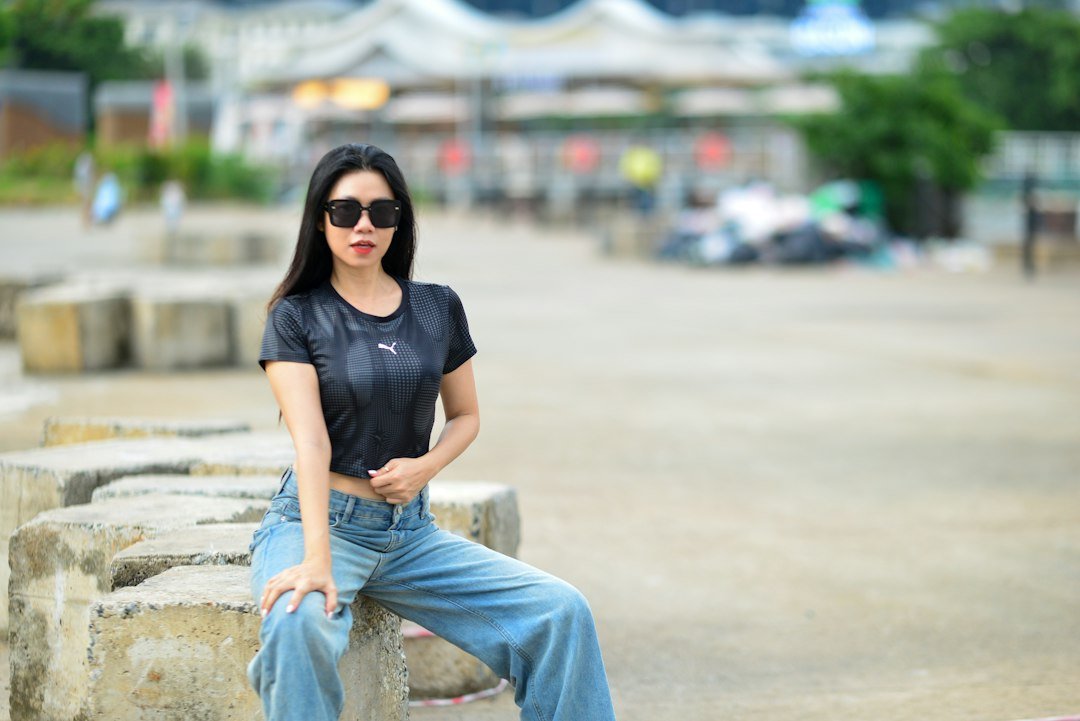
The most useful layering test happens before you put the outer layer on. Wear the T-shirt with your chosen bottoms and shoes, then look at that outfit by itself. If the neckline, length or print only works when hidden, you may spend the day adjusting your jacket to rescue the outfit. A base that looks complete gives you the freedom to respond to the temperature.
Choose room through the chest and upper arms without automatically buying the largest size. Under a closer-fitting jacket, an extremely wide sleeve can fold into the armhole. Under a roomy overshirt, that same sleeve might be comfortable. The right choice depends on the combination, not the size label. Put both garments on together before deciding that either one is a bad fit.
Hem length changes the outline. A tee ending close to the waistband creates a compact base, while a longer one makes the outfit more relaxed. Neither is inherently more stylish. The practical question is whether the hem bunches under your layer or catches around the hips when you sit. A partial tuck can help, but only if it feels comfortable and stays reasonably tidy as you move.
Think about fabric and opacity as well. A very thin pale tee may show the waistband or seams beneath it. A very substantial tee may feel too warm under another garment. Check the product description rather than assuming all cotton tees behave alike. Fabric weight, weave or knit, cut and finishing influence how a garment feels. A composition label is useful information, not a complete comfort guarantee.
For a simple starting wardrobe, pull out one light tee, one dark tee and one graphic tee. Try each under the same shirt or jacket. The light version may make the outer layer more prominent; the dark version may create a quieter base; the print may add interest when the layer is open. Photograph all three in similar lighting and keep the combinations you actually enjoy wearing.
Use an open shirt when you want a lighter layer
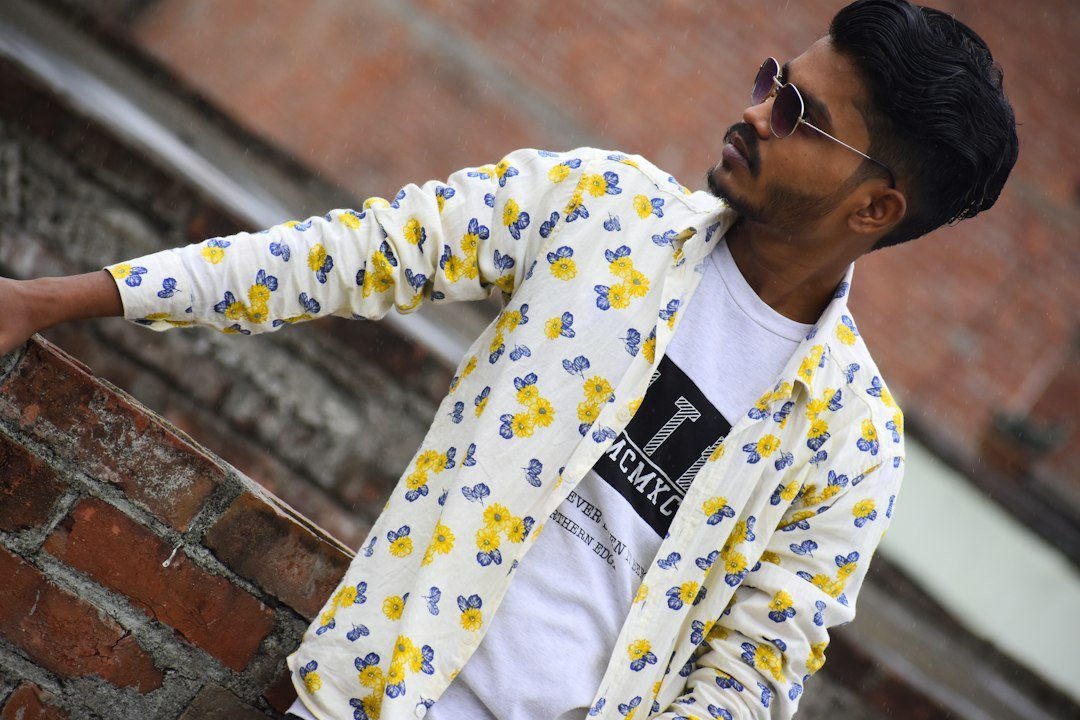
An open shirt is useful when you want the appearance of layering without the bulk of a substantial jacket. The image shows a printed shirt over a white tee, illustrating how an outer pattern can frame the centre of an outfit. Your own version can be much quieter: a plain blue shirt over white, for example, or an olive shirt over charcoal.
The outer shirt needs enough room to fall freely over the tee. Check the upper back by bringing both arms forward. If the shirt pulls sharply across the shoulders, sizing or cut may need attention. If the entire outfit feels excessively wide, try a neater base tee before changing the outer shirt. Adjusting one element at a time makes it easier to identify the problem.
When the shirt has a strong pattern, choose whether that pattern or the tee should lead. A small chest graphic beneath a large floral shirt creates a different effect from two large competing graphics. There is no rule against mixing them, but a shared colour can make the combination easier to follow. Start with a plain inner layer if you want the lowest-effort option.
Sleeves can be worn down or rolled, depending on the setting and temperature. Make comfortable, loose folds rather than tight rolls that grip the arm. Check that the cuff does not interfere with your watch or create pressure at the elbow. A casual roll need not be perfectly symmetrical, but both sleeves should feel secure enough that you are not fixing them throughout the day.
For a commute, consider what happens when you remove the shirt. A lightweight layer can usually be carried more easily than a heavy jacket, but test whether it fits in your own bag without crushing everything else. If you dislike carrying spare clothing, choose a shirt that is comfortable in the warmest part of your day rather than relying on a styling photo taken in cooler weather.
An open shirt is also a useful way to repeat an existing tee. Changing the shirt colour can make the same base outfit feel noticeably different. This is often a more useful wardrobe addition than another tee that serves exactly the same purpose as three you already own.
Find your next everyday favourite
Explore the current collection and choose the fit and colour that work for your wardrobe.
Add denim when the outfit needs more structure
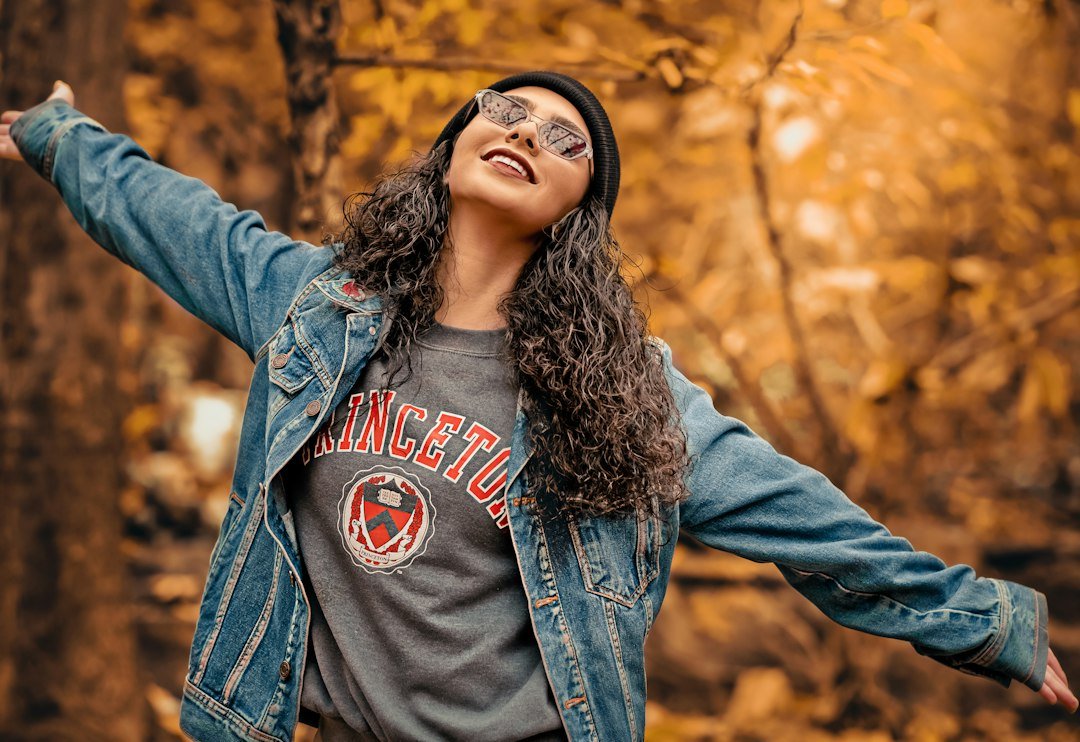
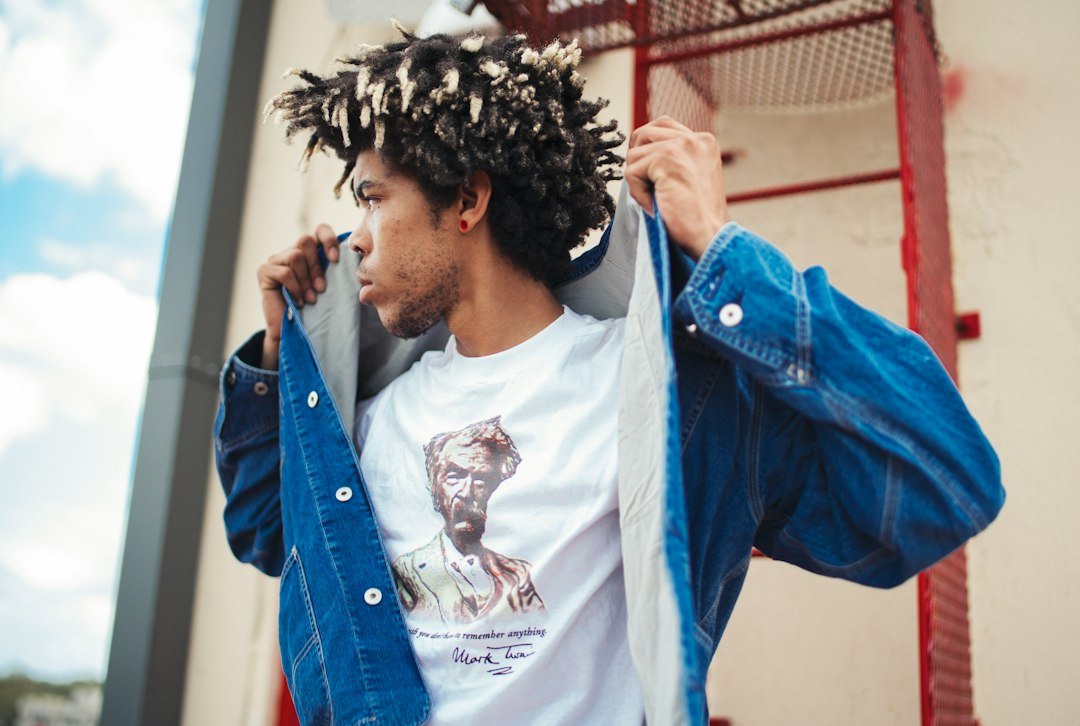
A denim jacket brings a more defined outline than many soft overshirts. It can make a plain tee feel deliberately styled, especially when the hem and sleeves sit comfortably. The photographed jacket and graphic tee demonstrate the general layering idea; the important detail to borrow is the separation between the structured outer garment and the softer base.
Begin with shoulder mobility. Reach for an imaginary overhead rail, then fold your arms. The jacket should allow the movements you regularly make. A jacket that looks sharp while you stand still but restricts your commute is unlikely to become a useful everyday layer. If you intend to wear it over a sweatshirt later, check that combination separately rather than assuming the same fit will work.
Choose the wash according to the rest of your wardrobe. Medium blue can create an obvious contrast with black trousers, while dark denim can look quieter with navy or charcoal. A faded jacket usually reads more casual. You do not need every piece to have identical fading; intentional contrast is often simpler to style than a near-match that appears accidental.
A longer tee beneath a shorter denim jacket can be a deliberate proportion choice. Keep the visible strip of fabric reasonably smooth so it looks like a layer rather than material caught under the jacket. If the tee has a large lower print, check where the jacket cuts across it. You may prefer a smaller graphic or a plain base if the design becomes difficult to read.
For mild conditions, a tee and denim jacket may be enough. Adding a hoodie underneath changes both warmth and bulk, so do it because the conditions require it. A thick hood can bunch behind the neck or push the collar out. If that happens, try a thinner hoodie or a roomier jacket instead of forcing the combination.
Before buying, test a denim jacket with at least three bottoms you already own. Black jeans, relaxed trousers and a skirt create different levels of casualness. If the jacket only works with a completely new outfit, it may be less versatile than it appeared on the product page.
Choose warmth for your day, not for the trend photo
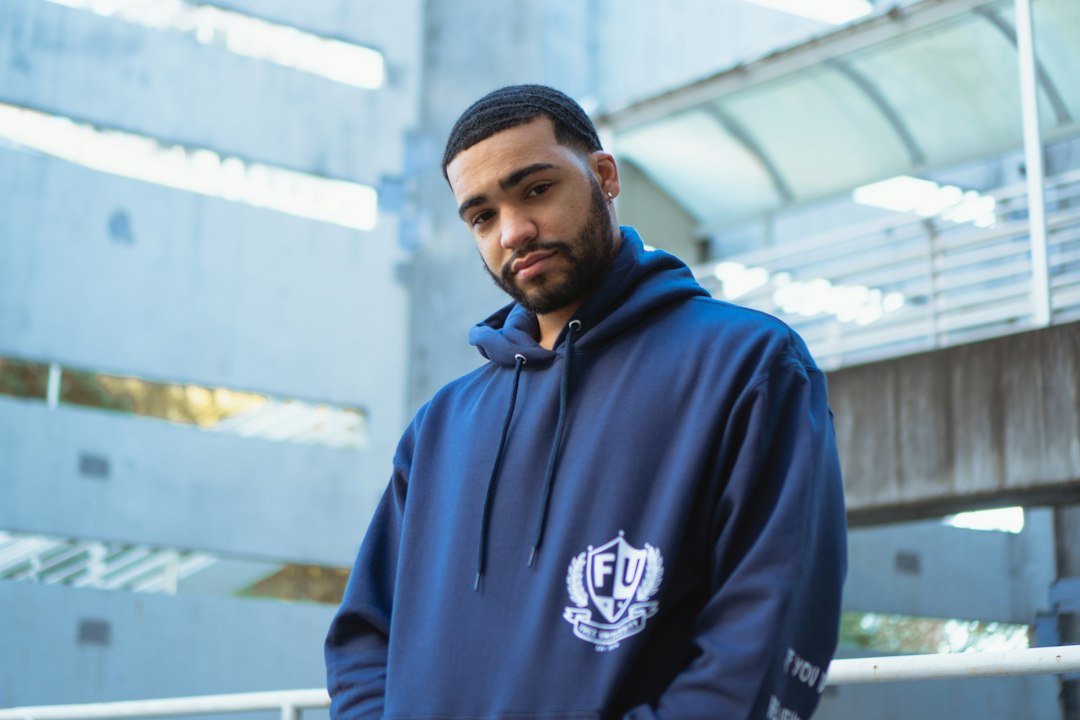
A hoodie makes sense when you need an extra warm layer, but it is not compulsory autumn clothing. Start with your actual routine: how long will you be outdoors, how cool does your workspace feel, and will you travel after sunset? Local weather and personal comfort are better guides than broad claims about what everyone should wear in October.
A pullover hoodie and a zip-up layer behave differently. A zip-up can be opened gradually, while a pullover is more often either on or off. If your day contains frequent temperature changes, that difference can matter more than the colour. Consider how you will carry the garment when it is not being worn, especially if your usual bag is small.
For a hoodie over a tee, leave enough room around the base neckline and sleeves. Thick seams or a rolled tee sleeve can create an uncomfortable ridge beneath the hoodie. Put the combination on, move around and sit for a few minutes. The back of the hood should not constantly pull against the neckline when you lean forward.
Footwear and bottoms can keep a hoodie outfit feeling intentional. A relaxed hoodie with straight jeans makes a different shape from the same hoodie with narrow joggers. If both top and bottoms are voluminous, a clearly visible shoe can help define the end of the outfit. This is a visual choice, not a requirement to wear uncomfortable or oversized footwear.
Do not assume a high fabric weight automatically makes a garment better. A substantial hoodie may be useful in cooler conditions and inconvenient during a warm commute. A lighter sweatshirt may be the better match for indoor layering. Read care instructions, fabric information and measurements, and compare them with a garment that already suits your routine.
If you only need a light layer, resist adding a hoodie beneath a jacket just to create a more complicated outfit. Two well-chosen pieces can be easier to wear than three poorly matched ones. The aim is a combination you can comfortably repeat, not the highest possible number of layers.
Balance the whole outfit and plan the next wear
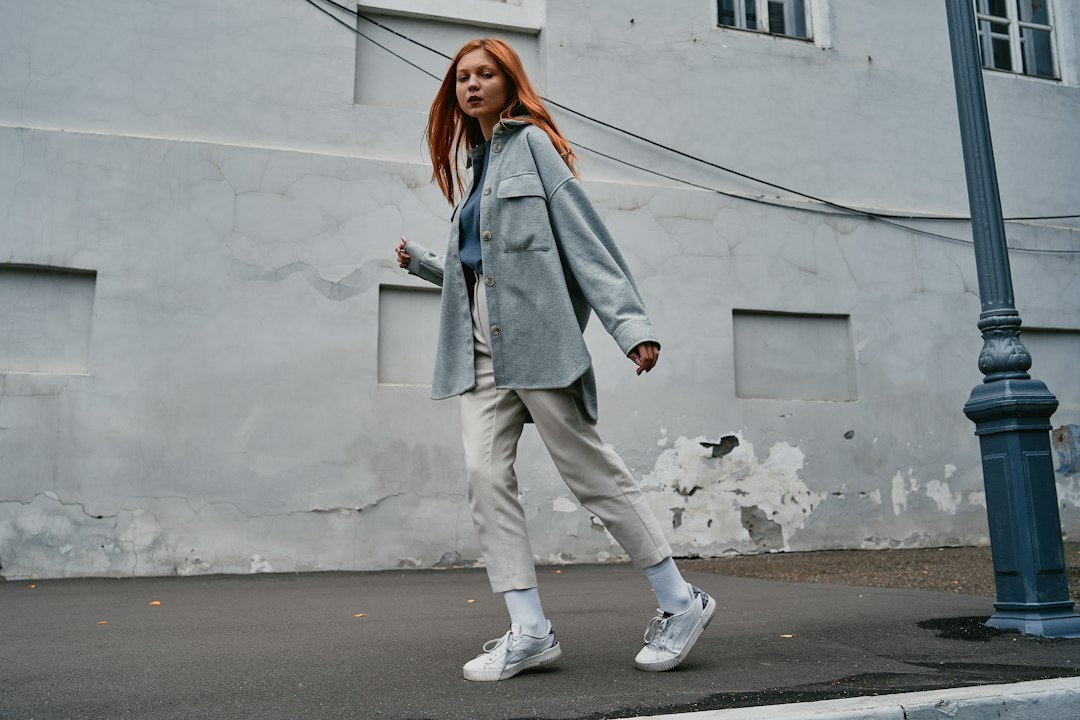
Layering affects the whole silhouette, not just the top half. A roomy jacket, loose tee and wide trousers can work together, but each piece needs enough space to move without catching on the others. Alternatively, a neater base and relaxed trousers can make a wider jacket feel easier to manage. Choose the outline you prefer, then check it in motion.
Look at the outfit from the side as well as the front. Extra fabric can gather at the back waistband or beneath a bag strap even when the front appears smooth. Try sitting, standing, bending and carrying your usual bag. These simple checks often reveal more than standing in a carefully arranged mirror pose.
Keep colour decisions manageable. You might repeat one colour between the tee and shoes, use a darker outer layer over a light base, or stay within one family of neutrals. You do not have to match every accessory. If the jacket has a strong print or texture, a quieter bag can give the eye somewhere to rest.
Plan for the layer-off version before leaving home. If your trousers depend on a belt, wear the belt even when the jacket initially hides it. If you are using a tucked tee, make sure the waistband still feels comfortable while sitting. A good transitional outfit should remain usable after the outer garment moves to the back of a chair.
Care also affects repeat wear. Follow each garment’s own label; a denim jacket, printed tee and delicate overshirt may need different treatment. Let damp clothing dry fully before storing it. Avoid pressing directly onto a print unless its care instructions permit it, and keep heavier jackets supported so their shape is not distorted by an unsuitable hanger.
Finally, keep a small outfit record. Save a photo with a note such as warm afternoon, cool office or evening walk. That note is more useful than simply labelling the look autumn. Over time, you will build a set of combinations matched to the situations you actually encounter, reducing the need to experiment from scratch every morning.
An outfit planner you can use this week
These combinations are suggested starting points. Substitute pieces you already own and adapt them to your dress code, comfort and weather.
| Situation | Outfit combination | How to make it work |
|---|---|---|
| Warm afternoon, cooler evening | Plain white tee, open blue shirt, straight jeans | Wear the shirt open while outdoors and button it only if that feels comfortable later. Keep the tee opaque enough to stand alone. The jeans should remain comfortable when seated, and the shoes should suit the walking you expect to do. |
| Graphic-tee weekend | Small-print tee, denim jacket, black trousers | Let the graphic remain visible between the jacket fronts. If the jacket cuts across the print awkwardly, change the tee rather than constantly adjusting the jacket. A dark bottom keeps attention on the upper layers without requiring every accessory to match. |
| Indoor casual workday | Dark tee, unstructured blazer, relaxed trousers | Check your workplace’s actual dress expectations first. The tee should have a tidy neckline and the blazer should move comfortably over it. Keep a complete, presentable base outfit so removing the jacket does not make you feel underdressed. |
| Evening coffee plan | Neutral tee, comfortable hoodie, straight denim | Choose the hoodie for the temperature you expect, not simply for a seasonal look. Keep the waistband and pockets accessible under the hem. A clean pair of everyday trainers can finish the outfit without adding unnecessary formality. |
| Light travel outfit | Soft tee, packable shirt, comfortable trousers | Try the outfit while sitting with your bag on your lap. Check that shirt buttons or jacket seams do not press uncomfortably beneath a strap. Keep the removable layer easy to reach rather than packing it at the bottom of luggage. |
| Skirt-based layered outfit | Simple tee, denim jacket, comfortable skirt | Check how the tee hem interacts with the skirt waistband. A loose tuck or shorter tee can create a clearer outline, but choose the option that stays comfortable when seated. Keep the jacket easy to remove and the footwear suitable for your route. |
| Quiet neutral combination | Grey tee, charcoal overshirt, black jeans | Different depths of grey create separation without introducing a bright accent. If the outfit feels too flat, use texture or a lighter shoe instead of adding several accessories. Make sure the darkest garments are clean and free from distracting lint. |
| Printed outer-layer outfit | Plain tee, patterned open shirt, simple bottoms | Use the shirt as the main visual feature. Pick one colour from its print for the tee or trousers, but avoid buying a new piece solely for a perfect match. The goal is a coordinated impression, not an exact colour-coded uniform. |
Frequently asked questions about autumn layering outfits
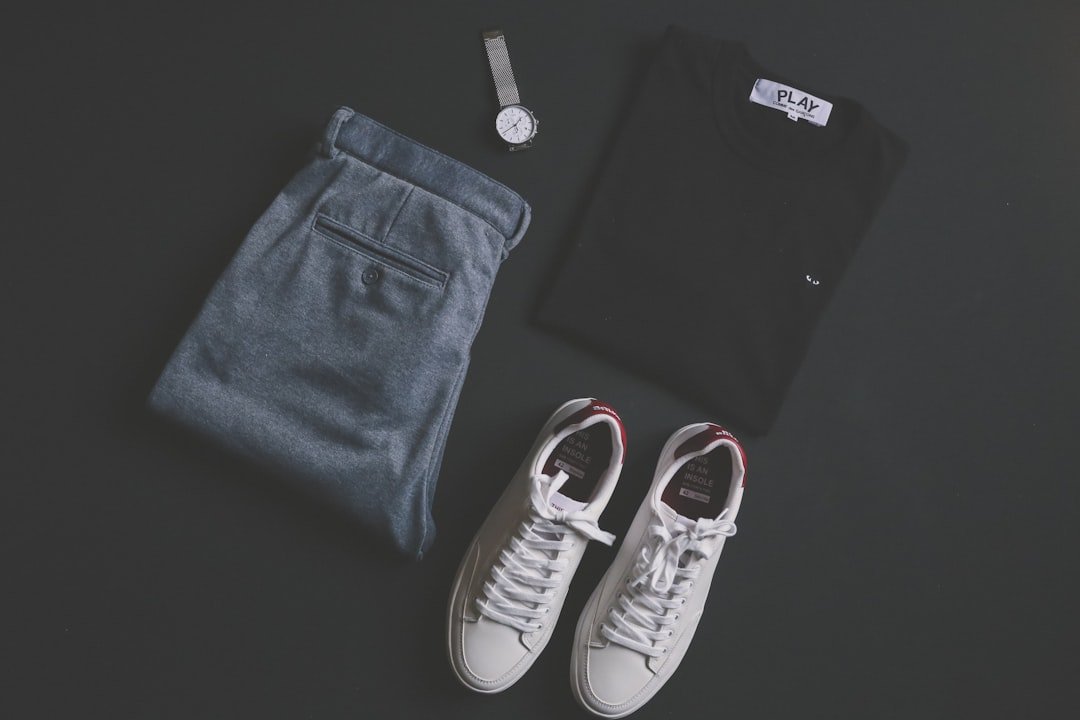
How many layers should I wear in Indian autumn?
Use the fewest that keep you comfortable. A tee and one removable layer often give more flexibility than several heavy pieces. Your city, indoor temperature, commute and personal comfort matter more than a fixed seasonal rule.
Can I layer an oversized T-shirt?
Yes, if the outer garment has enough room through the sleeves and body. Check for fabric bunching at the underarm and waist. If the combination feels bulky, try a less wide tee or a roomier outer layer.
Should the T-shirt be longer than the jacket?
Either can work. A visible tee hem creates a relaxed layered effect, while a shorter or tucked tee creates a cleaner outline. Check the result from the side and while seated rather than judging only the front view.
Is a denim jacket suitable for every October day?
No. Some days and locations may still feel warm. Choose the jacket when its weight suits the conditions, and make sure you can carry it comfortably if you need to take it off.
Can I use these looks for work?
Some workplaces allow T-shirts, casual jackets and trainers; others do not. Follow the actual dress code and consider the day’s meetings. An unstructured blazer can make a tee outfit feel neater, but it does not override formal requirements.
What should I buy first?
Start by checking which base tee and outer layer you already wear most. Buy the missing piece that helps several existing outfits, after checking measurements and care requirements. Avoid buying a complete seasonal wardrobe before testing simple combinations.
More from this series: How to Wear a Shirt Over a T-Shirt: Layering Ideas for 2026 · T-Shirt and Blazer Outfits: A Smart-Casual Styling Guide for 2026 · Relaxed Trousers and T-Shirt Outfits: A 2026 Everyday Style Guide
Keep exploring: Understand T-shirt fabric weight · Build a smaller winter wardrobe · Care for printed T-shirts
Build your version of the look
Explore the current collection and choose the fit and colour that work for your wardrobe.