Wearing a shirt over a T-shirt is a simple way to add colour, pattern or a removable layer to a casual outfit. The combination works best when the outer shirt has enough room to fall comfortably over the tee and both garments suit the temperature.
You can use a plain shirt, a checked design, a printed shirt or a suitable overshirt. The styling decision is less about a strict formula and more about the relationship between the sleeves, hems and colours. This guide explains those relationships and gives you combinations to test with clothes you already own.
Quick answer: start with a plain tee and an open shirt that moves easily over it. Check the upper arms and back, keep the hems from bunching at the waistband, and make sure the tee looks complete when you remove the shirt.
Published 8 October 2026 · Namakool editorial
Trend context: Charles Tyrwhitt’s July 2026 guide presents the overshirt as a layer that can bridge casual and tidier outfits. The practical combinations below are Namakool’s own suggestions. Read Charles Tyrwhitt’s overshirt styling guide.
In this guide: Choose an outer shirt with enough room for the base tee · Understand the difference between a shirt, overshirt and jacket · Coordinate colour and print around one main idea · Set the sleeves, hems and opening for comfortable movement · Choose the layer for your climate and keep both pieces useful · Outfit planner · FAQs
Choose an outer shirt with enough room for the base tee
The outer shirt needs to fit over another garment, not merely fit your body when worn alone. This does not always mean choosing a larger size. A roomier cut in your usual size may work better than sizing up a shirt whose shoulders, sleeves or length then become awkward.
Try the shirt over the tee you intend to wear. Bring your arms forward and bend the elbows. Notice whether the tee sleeve folds into the shirt sleeve or whether the back pulls tightly. Some natural folding is normal; persistent restriction is a reason to change the combination.
Pay attention to the upper-arm area. An oversized tee can have a wide sleeve that bunches beneath a narrower shirt. If that happens, try a less wide base tee or a roomier outer shirt. You do not need to reject oversized clothing entirely; you need compatible shapes.
The shirt should fall in a way you like when open. A shirt that fits neatly when buttoned may hang differently over a tee. Check whether the fronts remain reasonably balanced and whether the side seams twist as you move. A relaxed appearance should not require constant adjustment.
Length is another factor. A long outer shirt can create a loose, layered silhouette, while a shorter one gives a more compact outline. Compare it with the tee hem and trouser waistband. If several layers gather at the same point, simplify the tuck or choose a different length.
Look at the shoulder relationship too. A dropped shoulder can be part of the intended style, but the sleeve should still allow useful movement. A more structured shoulder may give the outfit a tidier appearance. Choose according to your preferences rather than assuming one is universally correct.
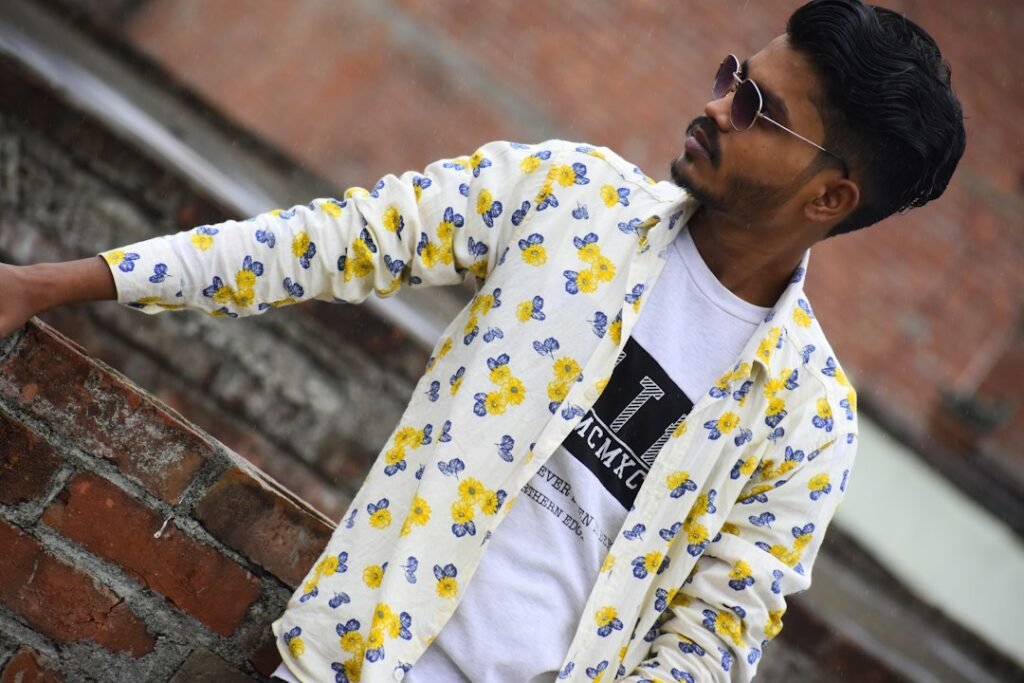
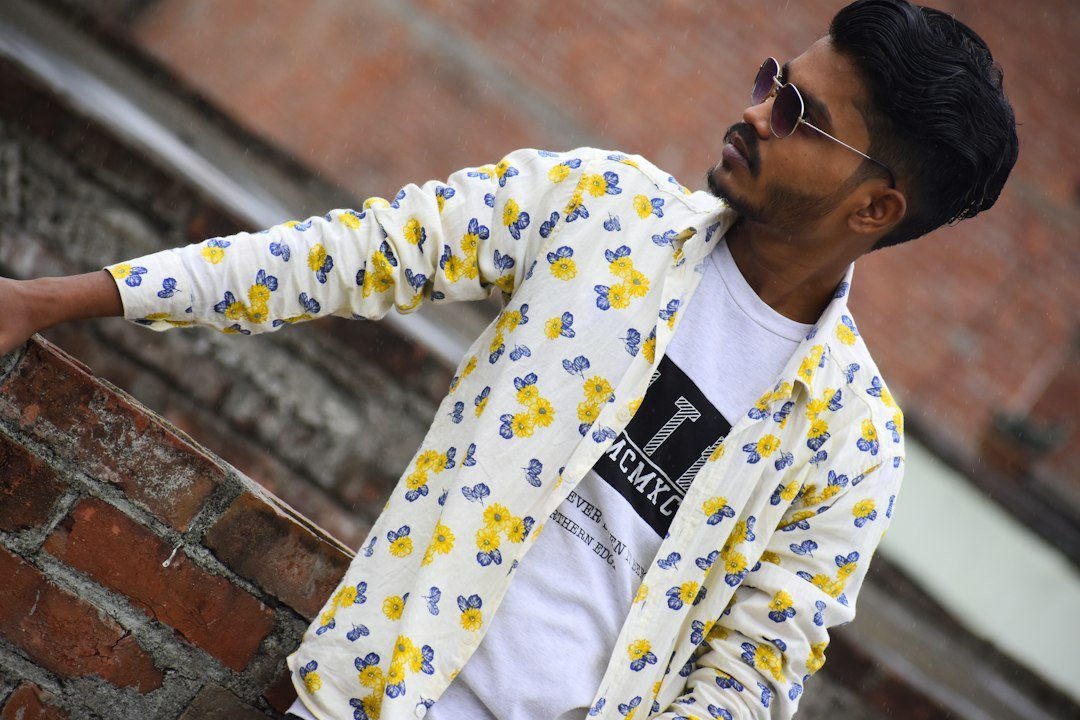
The printed-shirt image shows a deliberately casual version with a visible tee. Use that layering relationship as the starting point. Your own shirt can be plain, quieter in colour or less oversized while still achieving the same practical benefit: an extra layer you can open, close or remove as the day changes.
Understand the difference between a shirt, overshirt and jacket
The names used in product listings can be helpful, but the garment’s construction matters more. A regular shirt is often lighter and designed to work on its own. An overshirt commonly has more room and substance for layering. A jacket may add further structure, lining or weather-related features. These are broad distinctions, not guarantees.
Read the product details and look at the actual cut. A shirt described as oversized may still be quite light. An overshirt may be too substantial for a warm afternoon. A garment’s label does not tell you everything about how it will feel over your chosen tee.
Think about the role you need. If you want a light layer for changing indoor temperatures, a breathable-feeling shirt may be enough. If you want more structure for a cooler outing, an overshirt could be useful. If you need protection from particular weather, check the product’s stated features rather than relying on appearance.
Pockets can change the look and practicality. Large chest pockets give an overshirt more visual weight, while a simpler front feels quieter. If you carry items in those pockets, test how they affect the garment’s fall. A phone or wallet may pull a soft shirt out of shape.
Fastenings matter too. Buttons, snaps and zips each feel different and may affect how easily you adjust the layer. Check whether they sit comfortably over the tee and whether the placket remains tidy when open. A thick or stiff fastening area can change the way the fronts hang.
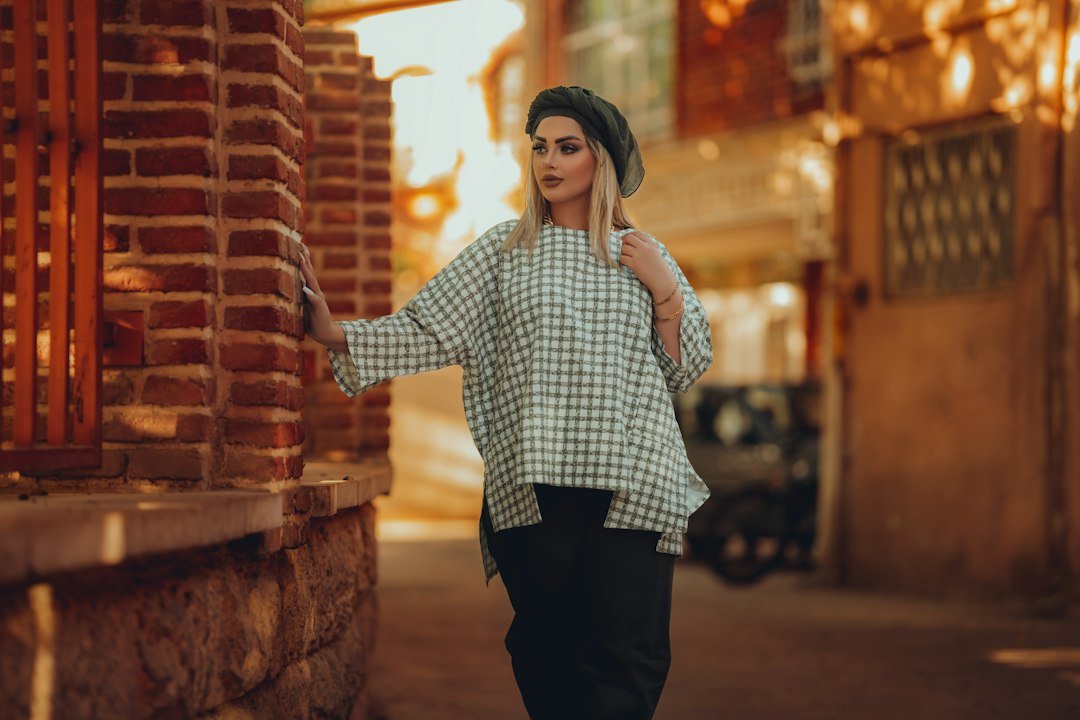
The checked-shirt photograph illustrates a looser shirt shape rather than a claim about its exact fabric weight. Use it to assess the visual volume. You can create a similar outline with different materials, provided they suit the conditions and move comfortably.
Before buying an overshirt, test whether one of your existing shirts already fills the role. You may need only a different base tee or a new way of wearing the sleeves. If the existing shirt is too close-fitting or too thin for your purpose, you will then know what feature to look for rather than purchasing by name alone.
Find your next everyday favourite
Explore the current collection and choose the fit and colour that work for your wardrobe.
Coordinate colour and print around one main idea
A shirt-over-tee outfit can contain a lot of visual information: two colours, possible prints, buttons, pockets and the opening down the centre. Choosing one main idea makes the combination easier to style. The shirt can lead, the tee can lead, or both can sit quietly within a related palette.
A printed shirt over a plain tee is the simplest pattern-led version. Pick a tee colour that appears in the print or use a familiar neutral. You do not have to match a tiny shade exactly. A general relationship often looks more natural than a carefully coordinated set of new purchases.
A plain shirt over a graphic tee reverses the emphasis. The shirt frames the design, so check which part remains visible. A wide print may be partly hidden, while a small central graphic can sit clearly in the opening. Choose whether you enjoy the partial view rather than repeatedly pulling the shirt apart.
Two prints can work, but start with a clear difference in scale or one shared colour. For example, a modest tee graphic beneath a broader shirt pattern may be easier to manage than two equally bold all-over designs. If the outfit feels busy, switch one piece to plain before adding another accessory.
Tonal layering offers a quieter route. A blue shirt over a navy tee, or a charcoal shirt over black, creates related shades with a visible difference in depth. Texture becomes more important when colour contrast is low. Check the combination in daylight so you can see how the surfaces relate.
Bottoms should support the main idea. If both upper layers are expressive, simpler trousers or jeans can make the outfit easier to read. If the top half is quiet, you may prefer a more detailed bottom. You do not need every piece to make a statement.
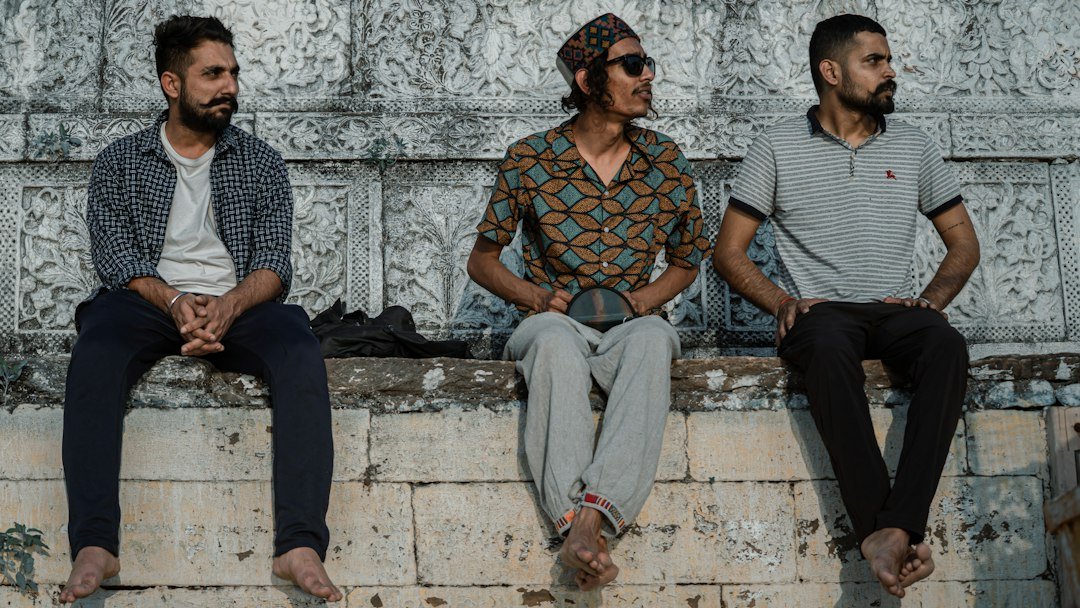
The group photograph shows different approaches to casual tops rather than one mandatory formula. Use it as a reminder that plain, checked and printed shirts can each have a place in a wardrobe. The useful choice is the one that connects with the tees and bottoms you already wear.
Photograph two or three combinations with the same jeans. This makes the colour and pattern changes obvious and helps you choose a favourite without buying additional clothing first.
Set the sleeves, hems and opening for comfortable movement
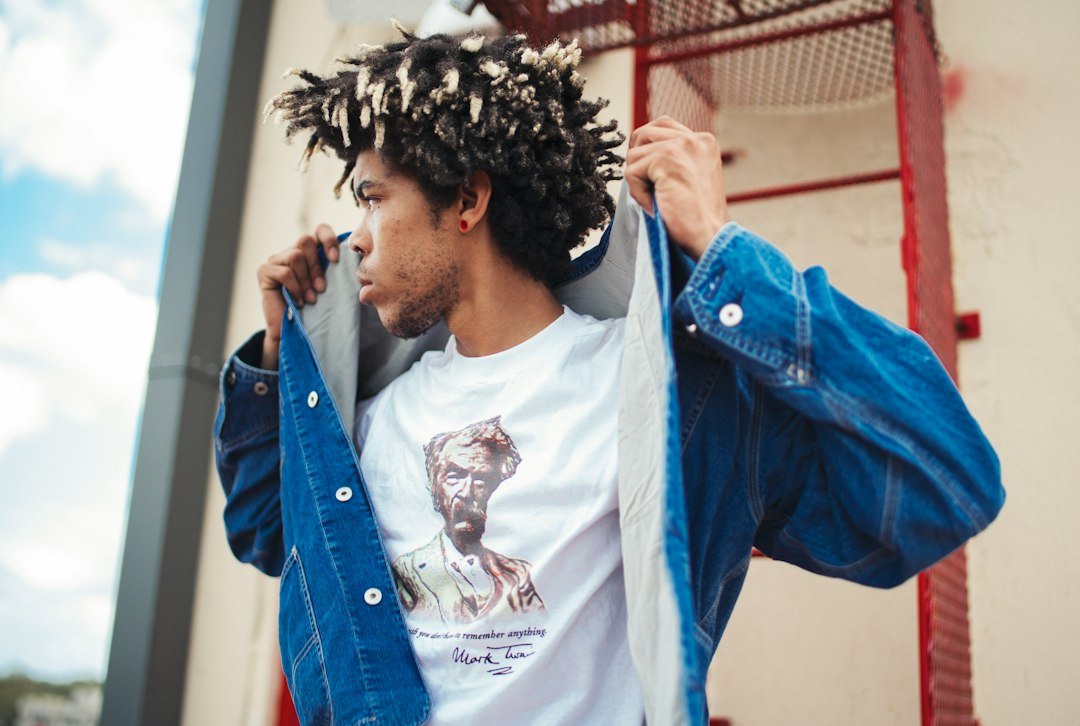
Once the colours work, refine how the garments sit. The opening, sleeve arrangement and hems can change the outfit more than another accessory. Make these adjustments while wearing the full combination, because the layers affect one another.
Wear the shirt open first. This is the simplest way to see the base tee and gives you a clear starting point. If the fronts fall awkwardly, check whether the tee is too bulky, the shirt is too narrow or the bag strap is pulling one side. Fix the cause rather than repeatedly arranging the fabric.
You can fasten some buttons if the shirt is designed to sit comfortably that way, but avoid treating a particular button pattern as a universal rule. The neckline, shirt length and personal preference all matter. Check that the tee does not bunch beneath the closed area.
Sleeves can remain down or be rolled loosely. If you roll them, make sure the fold does not grip your forearm or become uncomfortable at the elbow. Check that the tee sleeve stays flat underneath. A rolled outer sleeve is less useful if it traps a large bundle of inner fabric.
The tee hem can sit above, near or below the outer-shirt hem depending on the silhouette you want. A clearly visible tee strip can be intentional. If the difference is small and uneven, you may prefer a tuck or another length. Judge the whole outfit rather than measuring against a rigid rule.
Sit down and lean forward. Shirts can catch at the back waistband, especially when worn over a tucked tee. Stand again without adjusting immediately and see how the garments settle. A combination that returns to a comfortable position naturally will be easier to wear through a full day.
Carry your usual bag during the check. Crossbody straps can change the opening, and backpacks can pull across the shoulders. The outfit should work with the things you actually carry rather than only when your hands are empty.
The open blue layer illustrates how a tee can remain visible within an outer frame. You can create that effect with a shirt or a more structured layer, but the same practical checks apply: enough room, manageable hems and freedom to move.
Choose the layer for your climate and keep both pieces useful
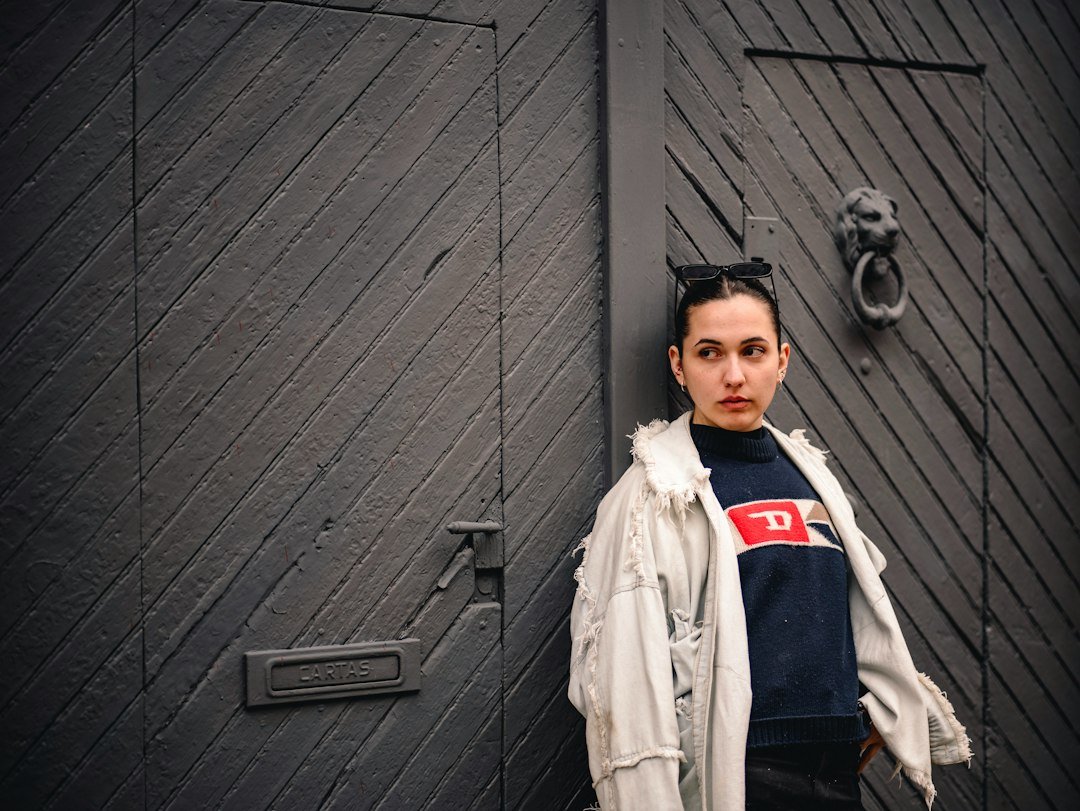
The practical value of a shirt-over-tee outfit is flexibility. You can remove the outer garment, open it or adjust the sleeves. That flexibility only helps when both pieces suit your conditions. A very substantial overshirt may be unnecessary for a warm commute even if it looks appealing in an autumn photograph.
Start with the warmest part of the day. The tee should be comfortable and presentable on its own. Then choose an outer layer for the cooler moments rather than dressing for those moments continuously. This approach is useful when moving between outdoor warmth and air-conditioned interiors.
Consider how you will carry the layer. A light shirt may fit in a bag, while a heavier overshirt may be more awkward. If you dislike carrying clothing, choose a piece you can wear comfortably for longer periods. The best-looking combination is less useful if it creates a practical problem halfway through the day.
Keep the distinction between a shirt and protective outerwear clear. If rain, wind or another weather condition is a concern, check the garment’s stated purpose. A shirt or fashion overshirt should not be assumed to offer features simply because it looks like a jacket.
Care for the layers separately according to their labels. A printed tee may need different handling from a woven shirt. Check ironing guidance before pressing near prints or trims, and avoid storing either item while damp. Good care helps preserve the shape and makes repeat wear easier.
Build several combinations around the same outer shirt. Try a light tee, a dark tee and a modest graphic. Pair each with your familiar bottoms. This shows whether the shirt is genuinely versatile or whether it only works with one specific base.
When shopping, identify the missing role. You may need a lighter shirt, a roomier sleeve or a plain tee that works under several existing layers. Those are concrete criteria. Buying another patterned shirt without knowing what it will layer over may simply add another unresolved outfit decision.
The jacket example shows an alternative when you want more structure than a shirt provides. Use the category that serves the day, and let the styling idea remain flexible rather than forcing every outfit into the same garment name.
An outfit planner you can use this week
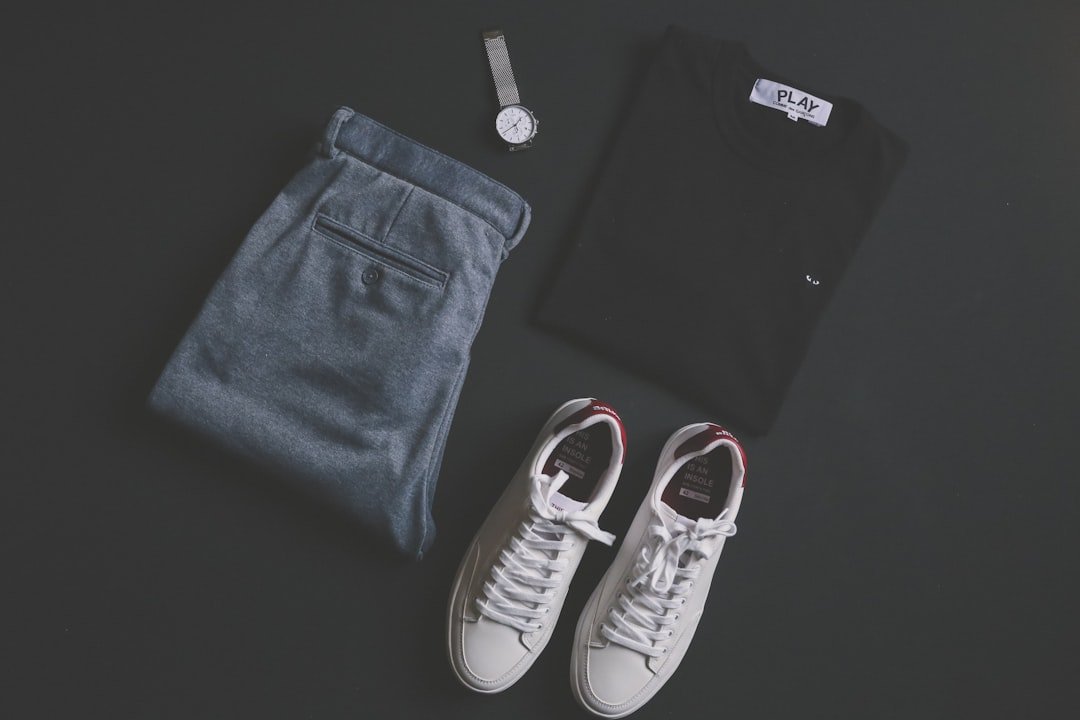
These combinations are suggested starting points. Substitute pieces you already own and adapt them to your dress code, comfort and weather.
| Situation | Outfit combination | How to make it work |
|---|---|---|
| Lowest-effort combination | White tee, open blue shirt, dark jeans | Keep the base simple so you can assess the shirt’s fit. Check the upper back and sleeves while moving. The white tee should work on its own, allowing you to remove the shirt when the temperature changes. |
| Printed outer layer | Plain tee, patterned shirt, quiet trousers | Let the shirt supply the main detail. Choose a neutral tee or one that loosely relates to the print. Avoid adding several competing patterns while you test the combination, and keep the hems from crowding the waistband. |
| Graphic-led outfit | Small graphic tee, plain open shirt, familiar denim | Check which part of the graphic remains visible through the shirt opening. A central print may be easier than a very wide one. If you keep adjusting the shirt to reveal the design, try a different print placement. |
| Dark tonal layers | Black tee, charcoal shirt, dark jeans | Use differences in depth and fabric surface to separate the pieces. The outfit can remain quiet without looking identical from top to bottom. A lighter shoe or simple bag can add contrast if you want a clearer endpoint. |
| Soft neutral outfit | Cream tee, beige shirt, deeper neutral trousers | Compare the actual colours in daylight. A visible difference in shade can be more useful than a near-perfect match. Check pale fabrics for opacity and choose the shirt weight according to the conditions you expect. |
| Checked-shirt weekend | Plain tee, checked shirt, simple bottoms | The check already adds lines and colour, so the tee can stay uncomplicated. Roll sleeves only if the folds remain comfortable. Try the shirt open and comfortably fastened to decide which version suits your preferred silhouette. |
| Cooler-day overshirt | Regular tee, roomier overshirt, relaxed trousers | Make sure the outer garment has enough room without becoming awkwardly long. Check its weight over the tee and test the outfit with your bag. A more substantial layer should serve a real temperature need rather than only a seasonal label. |
| Light travel layer | Comfortable tee, packable shirt, easy trousers | Sit in the outfit and check the waistband, sleeves and pockets. Keep the outer layer easy to remove and carry. A plain base makes the outfit usable even if the shirt spends part of the day folded in your bag. |
Frequently asked questions about shirt over a T-shirt

Should the shirt be bigger than the T-shirt?
It needs enough room to sit comfortably over the tee, but that does not always mean a larger labelled size. Look for compatible cuts and test the upper arms, shoulders and back together.
Can I wear a graphic tee under a printed shirt?
Yes, if you like the result. A shared colour or different pattern scales can help. If the outfit feels crowded, make one piece plain before changing the entire combination.
Should I leave the shirt open?
Open is an easy starting point, but it is not the only option. Fasten it only in a way that feels comfortable and lets the fabric sit naturally. Avoid forcing a button arrangement that creates pulling or bunching.
Can the tee be longer than the outer shirt?
Yes. A visible lower layer can be deliberate. Check the difference in hem lengths from the side and in motion, then decide whether you prefer the tee untucked, tucked or slightly shorter.
What is an overshirt?
It is generally a roomier, more substantial shirt-like layer intended to be worn over other clothing. Product naming varies, so inspect the cut, material and intended use rather than relying on the label alone.
Does this work for women’s outfits too?
Yes. The same ideas about sleeve room, hem relationships, colour and temperature apply. Choose the garments and silhouette you enjoy rather than treating the method as restricted to one wardrobe category.
When should I choose a polo instead?
A polo can provide a collar without wearing two upper layers. It may be useful when you want a tidier neckline but do not need extra warmth or an outer shirt. Choose according to the occasion and comfort.
More from this series: Autumn Layering Outfits in India: A Practical 2026 Style Guide · Denim-on-Denim Outfits in 2026: How to Mix Washes and Layers · T-Shirt and Blazer Outfits: A Smart-Casual Styling Guide for 2026
Keep exploring: Choose a suitable base-tee weight · Explore graphic T-shirt combinations · Compare polo styling options
Build your version of the look
Explore the current collection and choose the fit and colour that work for your wardrobe.