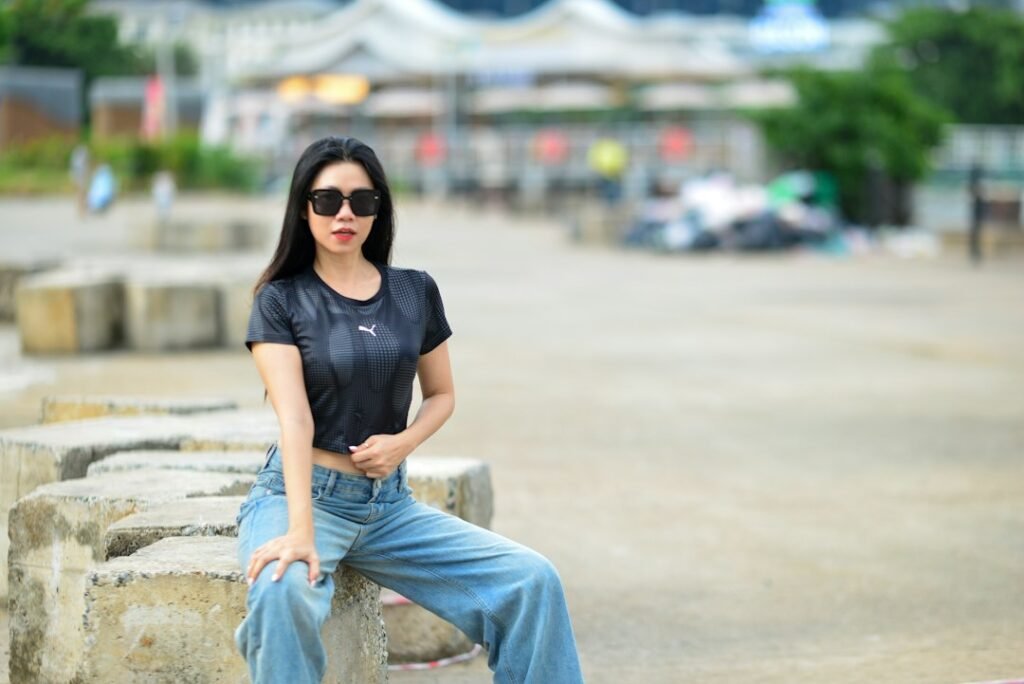
90s minimalist outfits focus on a limited palette, uncomplicated shapes and a few well-chosen pieces. For an everyday wardrobe, that can mean a plain tee with jeans, a dark top with relaxed trousers or a simple base beneath a blazer. You can borrow the idea without recreating a historical outfit exactly.
The useful part of the trend is restraint. Instead of adding more detail whenever an outfit feels unfinished, you can look at fit, fabric condition and how the pieces relate. That often produces a more wearable result than buying several new statement items.
Quick answer: start with two or three colours you already enjoy, choose a simple tee and familiar bottoms, and add only the layer or accessory the day needs. Minimalist styling is about editing the outfit, not imposing a fixed wardrobe size or spending more on plain clothes.
Published 8 October 2026 · Namakool editorial
Trend context: British Vogue’s September coverage describes continued interest in 1990s minimalism. This guide offers original everyday interpretations rather than reproducing celebrity outfits or treating the decade as one uniform style. Read British Vogue’s autumn 2026 minimalism coverage.
In this guide: Start with the plain tee and jeans you already reach for · Choose a small palette without turning it into a restriction · Use clean proportions rather than chasing an expensive appearance · Add a quiet layer or collar when the day needs it · Build a personal uniform without buying a new identity · Outfit planner · FAQs
Start with the plain tee and jeans you already reach for
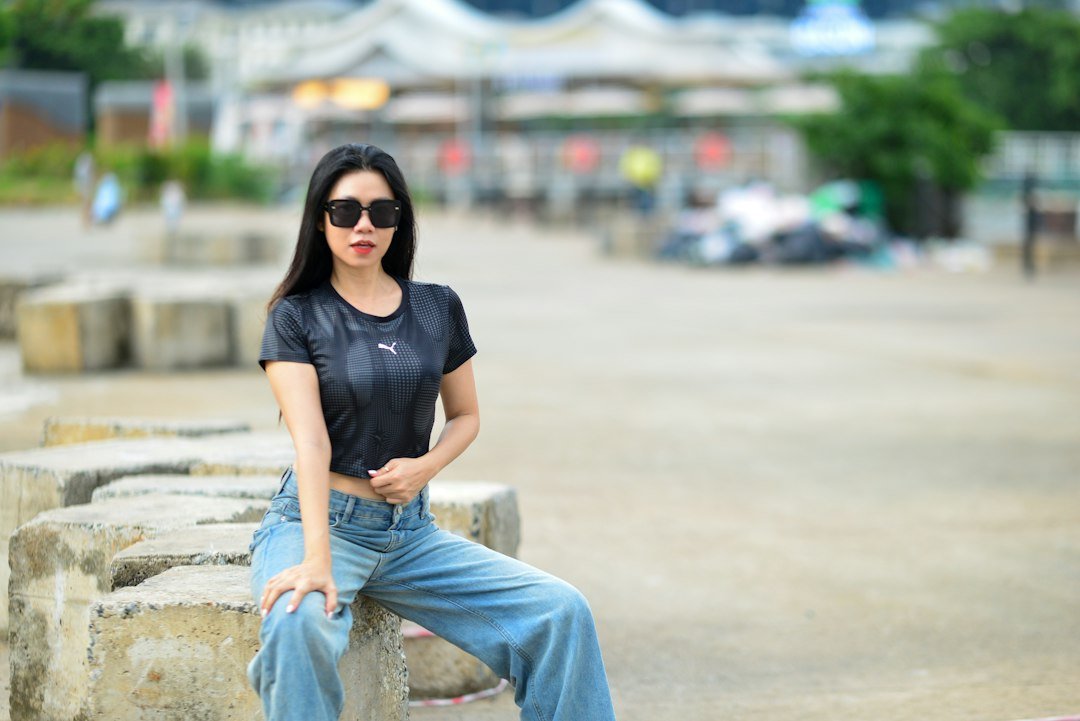
The simplest way to explore minimalism is to remove the pressure to invent a completely new outfit. Put on a tee and jeans you already like, then look at the proportions and condition. The question is not whether the garments are expensive or labelled minimalist. It is whether they create a combination you want to repeat.
A plain tee lets the neckline, sleeve and hem do more of the visual work. Check which details you prefer. A closer crew neck feels different from a wider one; a shorter sleeve changes the outline from a longer relaxed sleeve. Small differences can make a basic garment feel much more personal.
Jeans provide a familiar lower half, but you do not have to choose one specific cut. Straight, relaxed or narrower denim can each support a restrained outfit. Pick the fit that works with your movement and preferred silhouette. Avoid treating a trend revival as a rule that requires you to abandon jeans you still enjoy.
The photograph shows black and blue as a simple starting palette. White and blue, grey and dark denim or cream and black are other possibilities. Begin with a combination already present in your wardrobe so you can focus on the styling rather than the uncertainty of new clothes.
Condition becomes more noticeable when the outfit has fewer details. Check the tee neckline, visible marks and the way the jeans sit at the waist. A familiar garment does not need to look brand-new, but it should fit the purpose of the outing. Wear and fading can be part of casual character when they feel intentional to you.
Try the outfit with two pairs of shoes you already own. A quieter shoe may make the clothing more prominent, while a stronger shoe changes the focal point. You do not need to add an accessory simply because the outfit is simple.
Save the version that feels easiest. A useful personal uniform often begins with one reliable combination, not a shopping list. Once you know why it works, you can create variations without losing the simplicity you liked in the first place.
Choose a small palette without turning it into a restriction
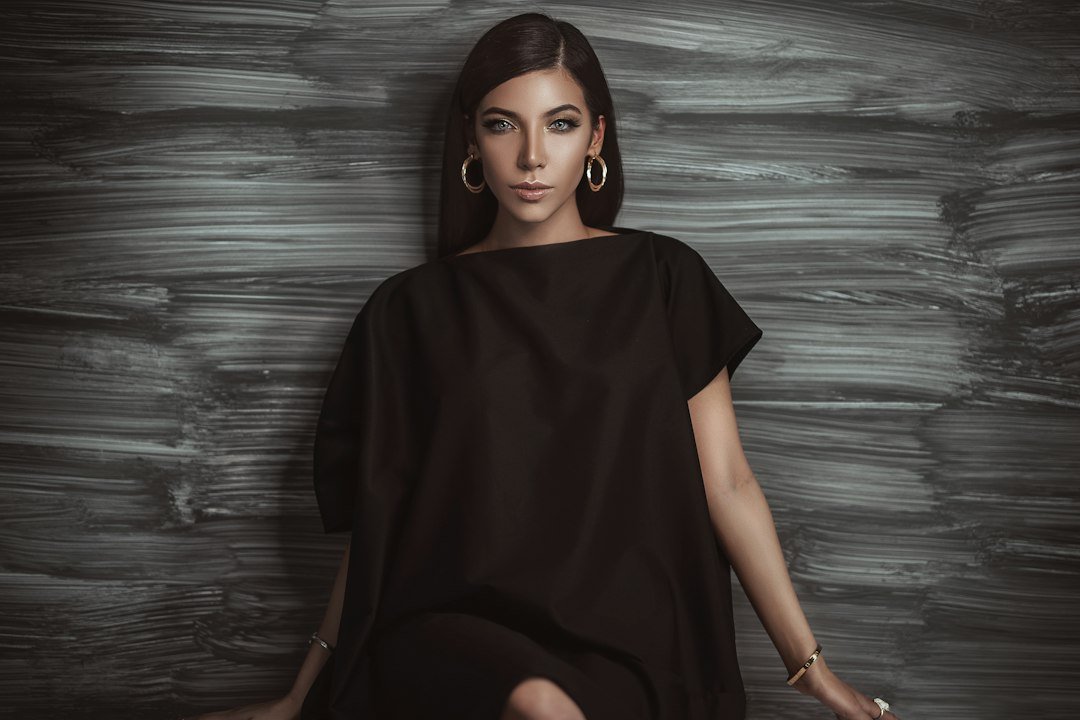
A limited palette makes it easier to combine clothes, but it should reflect your preferences. Black, white and grey are common starting points, yet navy, cream, brown or muted green can work just as well. Minimalism does not require you to dislike colour or wear a uniform chosen by someone else.
Start by reviewing what you actually wear. If most of your favourite pieces are blue and cream, build around those rather than buying black garments solely because a mood board uses them. The palette should connect existing clothes and make dressing simpler.
You can use contrast or related shades. A white tee with black trousers creates a clear division, while charcoal with black produces a quieter tonal effect. Both can be restrained. Choose the contrast level you enjoy and test it with the shoes and bag you use most.
Do not worry about exact shade matching across different fabrics. Two black garments may have different depths, and two cream pieces may have different undertones. Look at them together in daylight. A clear difference can feel deliberate; a distracting near-match may be improved by separating the pieces with another neutral.
A small accent can still belong in a minimalist outfit. A coloured bag, a subtle print or a warm-toned accessory may give the look personality. The key is deciding what should stand out rather than allowing every piece to compete equally.
If you like prints, use them selectively. A small graphic on a tee can become the main detail against plain bottoms. A broad pattern may change the mood, but it does not make the outfit wrong. Minimalist styling is a choice about the amount of information in the look, not a moral judgement about decoration.
Avoid buying several nearly identical neutrals before testing them. One useful new shade can connect many pieces, while five almost-matching tops may create more decisions without adding variety. Try a garment with at least three existing combinations before deciding it fills a real gap.
The palette is successful when it helps you get dressed comfortably. If it starts to feel restrictive or dull, revise it. A personal style system should remain flexible enough to accommodate changing preferences and ordinary life.
Find your next everyday favourite
Explore the current collection and choose the fit and colour that work for your wardrobe.
Use clean proportions rather than chasing an expensive appearance
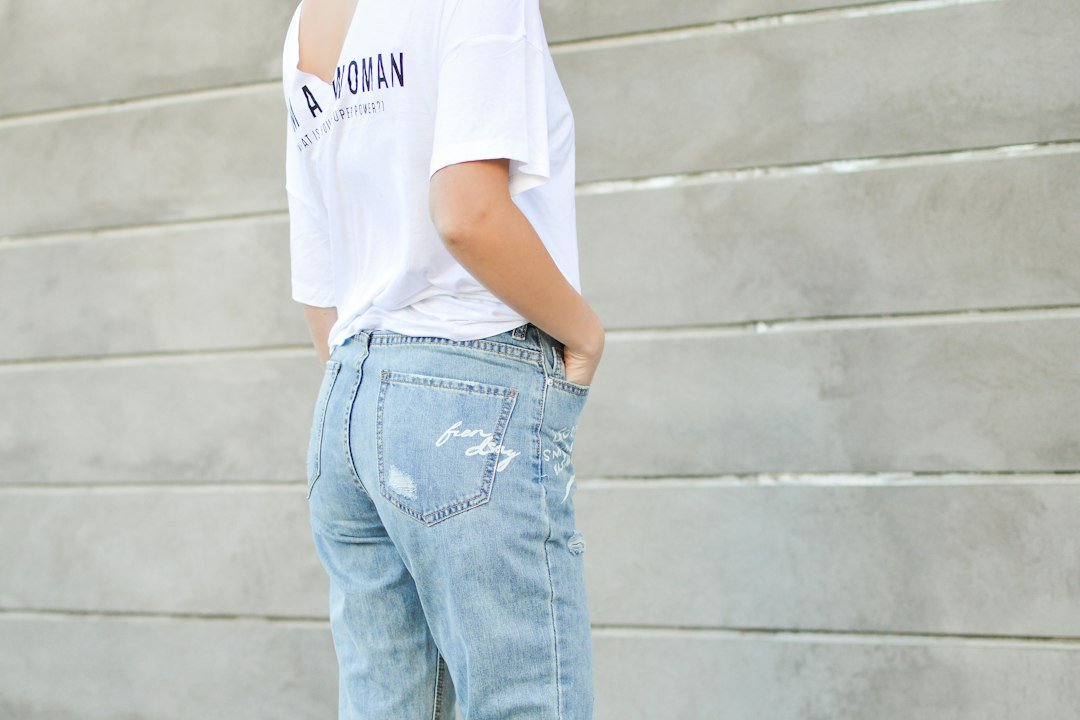
When an outfit is visually simple, garment proportions become easier to notice. That does not mean you need a particular body shape or an expensive tailoring routine. It means paying attention to where the tee ends, how the trousers fall and whether the clothes move comfortably together.
Start at the waistband. A tucked tee creates a visible boundary, while an untucked one produces a longer upper line. Try both. If the tuck bunches, adjust the fabric or choose a less bulky tee. If the untucked hem catches at the hips, a different length may be more practical.
Shoulder and sleeve placement also affect the result. A relaxed shoulder can feel easy, while a neater one may give a more defined outline. Neither is inherently more minimalist. Choose the version that supports the silhouette you like without creating restriction.
Look at the trouser hem with the actual shoes. Excess fabric that repeatedly catches underfoot is a practical issue, not a styling statement you have to accept. A cleaner hem can make a familiar outfit feel more considered without changing the whole wardrobe.
Texture can supply interest when colour and print are restrained. Smooth jersey beside denim, a soft knit beside tailored trousers or a matte jacket over a plain tee each creates variation. You do not need a visible logo to make a simple outfit feel complete.
Avoid equating minimalism with looking wealthy. Price does not guarantee a comfortable fit, useful fabric or a garment you will wear often. Assess construction, measurements, care requirements and how the piece connects to your existing clothes. Those details are more relevant than an aspirational label.
The waistband photograph illustrates one simple proportion choice. It is not a demand to tuck every top or wear a particular rise. Use the example to compare your own options, then keep the version that stays comfortable through sitting, walking and carrying your bag.
A good fit check should reduce attention to the outfit during the day. If you constantly adjust sleeves, hems or the waist, revise the combination. The appeal of a restrained look is partly the freedom to stop managing it once you leave home.
Add a quiet layer or collar when the day needs it
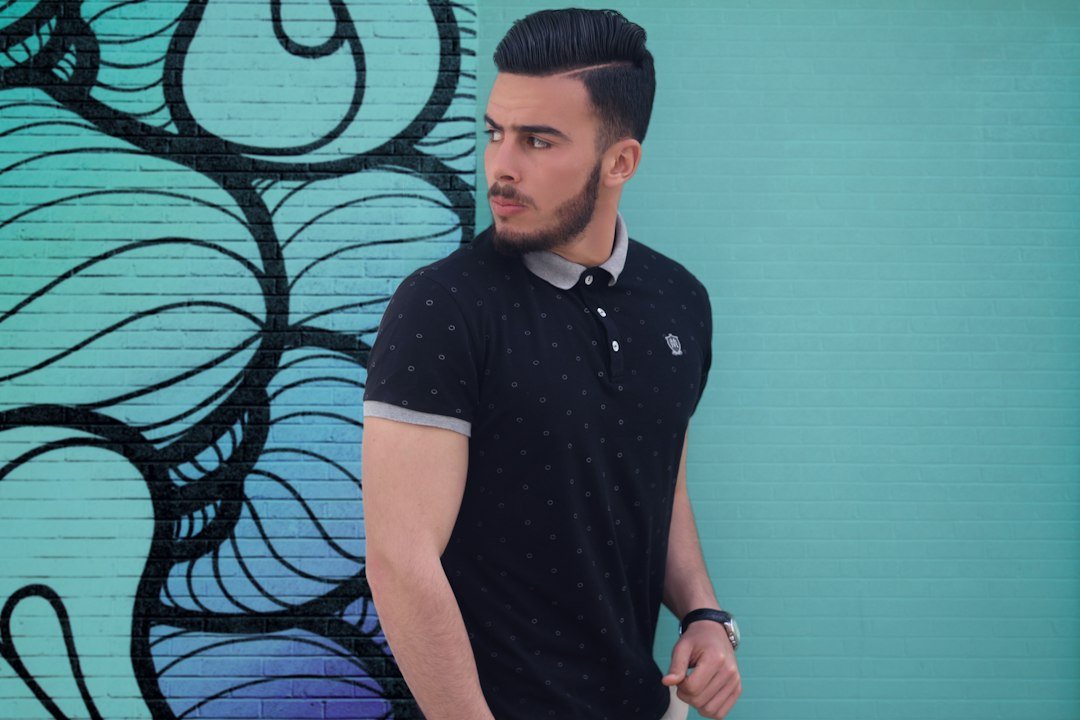
A simple outfit can gain structure through one useful layer or a collar. A polo, open shirt, understated jacket or relaxed blazer changes the outline without requiring a large print. Choose the addition according to the weather and occasion rather than adding it merely to make the outfit more complicated.
A polo offers a different neckline from a crew-neck tee. The collar can make the upper half feel more organised, while the overall garment remains casual. Check the placket and collar in ordinary movement. They should sit comfortably without needing repeated adjustment.
An open shirt can frame a plain tee and provide a light removable layer. Keep the shirt’s pattern or colour quiet if you want the base to remain restrained. If the shirt is more distinctive, let it become the one focal point and keep the other pieces simple.
A blazer creates a stronger contrast between casual and tailored clothing. Check it over the actual tee you intend to wear, particularly around the sleeves and shoulders. A jacket that looks good alone may feel bulky over a wide tee. The combination matters more than either garment in isolation.
For cooler conditions, a simple sweatshirt or knit can work. Choose enough room for the base layer without automatically sizing up several steps. A garment that is too large for your preferred outline may introduce more volume than you intended, while one that is too close can restrict movement.
The outer layer should be optional whenever possible. Make sure the base outfit still feels complete after you remove it. This is especially helpful when moving between outdoor warmth and cooler indoor spaces. A restrained wardrobe becomes more practical when its combinations can adapt.
Keep the colour relationship straightforward. You might repeat the trouser colour in the layer or use a clearly lighter top beneath a dark jacket. There is no need to make every item identical. Small differences in depth and texture can provide enough interest.
Before buying, test the new layer with several existing bases. A piece that improves only one carefully arranged outfit may be less useful than a quieter option that works across your week.
Build a personal uniform without buying a new identity
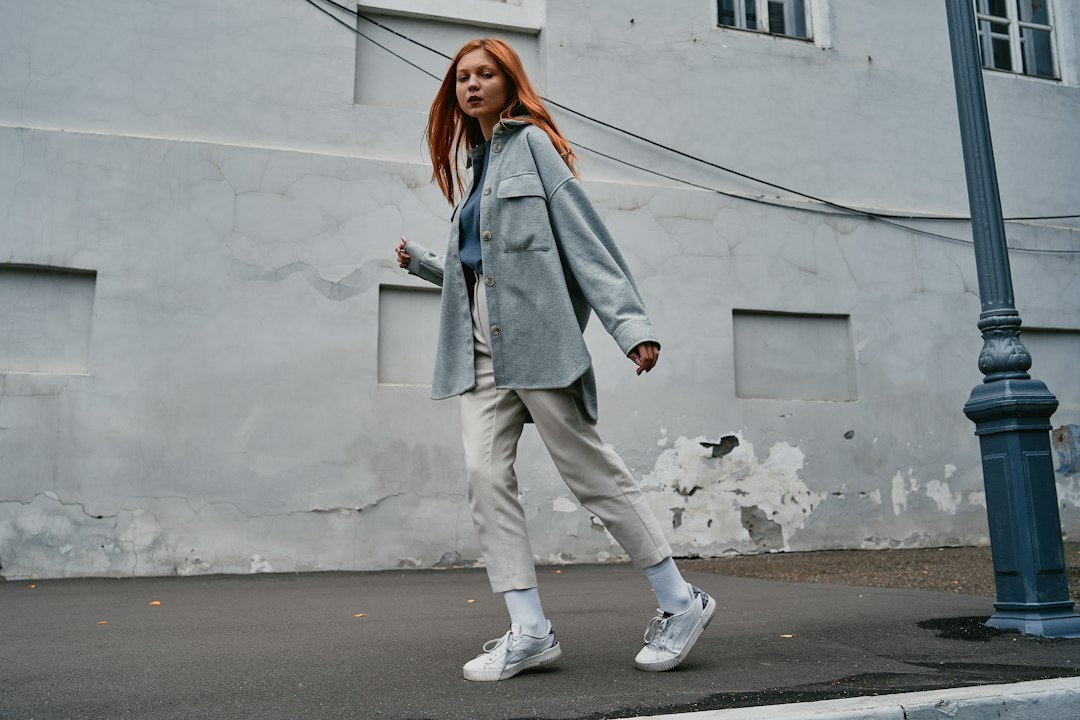
A personal uniform is a repeatable formula, not a requirement to wear the same outfit every day. You might rely on a plain tee, comfortable trousers and one outer layer, then vary the colour and texture. The benefit is reduced decision-making while retaining room for preference.
Begin with your real schedule. A wardrobe for casual work, walking and weekend errands will differ from one built around formal meetings or frequent events. Do not copy a minimalist capsule that ignores the situations you actually need to dress for.
List the combinations you already repeat happily. Note why they work: perhaps the tee length is easy, the trousers have useful pockets or the shoes suit your commute. These details provide better buying criteria than a broad desire for a more fashionable wardrobe.
Next, identify the gaps. You may need a second base tee for laundry rotation, a lighter layer for warm days or trousers that work with several tops. A focused purchase can improve the system without expanding it unnecessarily. Minimalism can include enough clothing for your practical needs.
Care and storage are part of the formula. Follow garment labels, repair small issues and keep frequently paired pieces easy to find. A simple outfit becomes less useful if one item is always waiting for a difficult cleaning process you cannot accommodate.
Do not discard colourful or detailed clothes merely because you are trying a quieter look. Keep them if you enjoy them. You can use restrained outfits on some days and more expressive ones on others. A trend should expand your choices rather than force a complete change of identity.
Review the formula after wearing it, not just after photographing it. Did you feel comfortable? Did the layers suit the temperature? Did the bag and pockets handle what you carried? These answers show whether the outfit is genuinely useful.
Over time, your version may move away from the original 1990s reference. That is fine. The lasting value is the habit of choosing a few compatible pieces deliberately and allowing ordinary basics to do their job without constant additions.
An outfit planner you can use this week
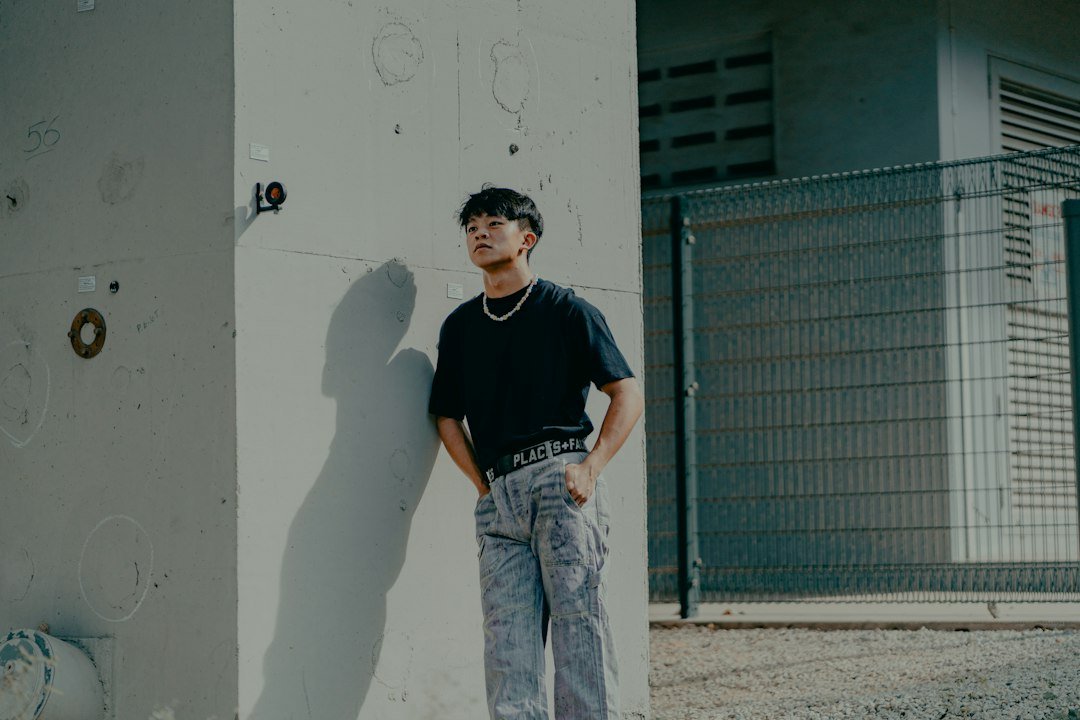
These combinations are suggested starting points. Substitute pieces you already own and adapt them to your dress code, comfort and weather.
| Situation | Outfit combination | How to make it work |
|---|---|---|
| Everyday neutral base | Black tee, blue jeans, familiar simple shoes | Focus on the tee neckline and jean hem before adding anything else. A quiet bag can complete the practical needs of the day. If the outfit already feels balanced, leave it simple rather than adding accessories just to make it look more styled. |
| Light top, dark bottom | White tee, dark trousers, neutral footwear | The contrast gives the outfit a clear structure. Check the top’s opacity and decide whether a tuck feels comfortable. Keep the footwear consistent with the setting and use a single useful layer if temperatures are likely to change. |
| Tonal grey outfit | Grey tee, charcoal trousers, darker shoes | Use texture and differences in depth to separate the pieces. An exact colour match is unnecessary. If the result feels too flat, add a lighter bag or outer layer rather than introducing several unrelated colours. |
| Collared variation | Plain polo, clean denim, simple trainers | The collar supplies a little structure without requiring a jacket. Check that it sits naturally and that the sleeves feel comfortable. A quiet colour combination lets the shape of the garments do most of the visual work. |
| Casual tailoring | Plain tee, relaxed blazer, comfortable trousers | Use this where the dress expectations permit. Check the tee and blazer together so the sleeves do not bunch. The combination should remain comfortable while seated, and the base should work if you remove the jacket indoors. |
| One small graphic | Subtle printed tee, plain jeans, restrained accessories | Let the print be the main detail. Keep the rest of the outfit quiet while testing the effect. This is a useful option if completely plain clothing feels too impersonal but you still want a limited visual palette. |
| Soft neutral look | Cream tee, deeper neutral bottoms, simple bag | Compare the shades in daylight and allow a clear difference in depth. Check pale fabrics for opacity. The bag should serve your day’s needs rather than exist solely to create a perfectly matched photograph. |
| Light layered outfit | Plain tee, open solid shirt, familiar denim | Use the shirt as a practical layer and keep the base complete on its own. A slightly different shade can create interest without a strong pattern. Check the shirt’s movement over the tee and choose a hem relationship you enjoy. |
Frequently asked questions about 90s minimalist outfits
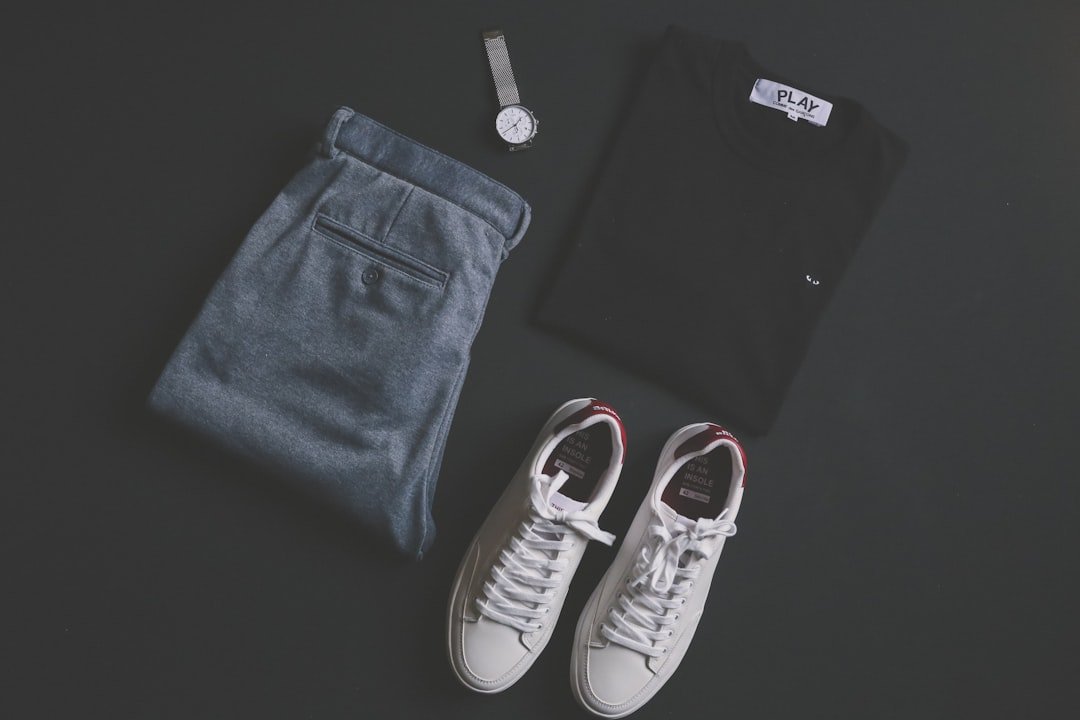
What are 90s minimalist outfits?
For this guide, they are restrained combinations of simple shapes, a limited palette and everyday basics inspired by one strand of 1990s fashion. The decade contained many other styles, so this is not a claim that everyone dressed the same way.
Do I need expensive basics?
No. Price does not guarantee fit or usefulness. Look at measurements, fabric information, construction and care needs, then check how the piece works with clothes you already own.
Can I wear colour in a minimalist outfit?
Yes. A limited palette can include blue, green, brown or another colour you enjoy. The idea is to make deliberate choices about contrast and detail, not to ban colour from your wardrobe.
Are oversized clothes minimalist?
They can be. Minimalism concerns the overall amount of visual detail, while oversized describes fit. Choose the silhouette you like and make sure the garments move comfortably together.
Can graphic tees fit the style?
A small or restrained graphic can be the outfit’s main detail. Keep supporting pieces simpler if you want the result to remain quiet. A larger graphic changes the mood but does not make the outfit wrong.
How many clothes should a minimalist wardrobe contain?
There is no universal number. Your routine, laundry schedule, climate and dress requirements determine what is practical. A smaller wardrobe is only useful if it still meets your actual needs.
Should I replace my existing wardrobe?
No. Start by editing combinations rather than discarding clothes. Try simpler pairings with what you own, identify specific gaps and buy only when a new piece adds a useful function.
More from this series: Tonal Dressing in 2026: How to Build Monochrome Casual Outfits · T-Shirt and Blazer Outfits: A Smart-Casual Styling Guide for 2026 · Autumn Layering Outfits in India: A Practical 2026 Style Guide
Keep exploring: Explore simple black-tee looks · Plan a practical capsule wardrobe · Try collared-top combinations
Build your version of the look
Explore the current collection and choose the fit and colour that work for your wardrobe.