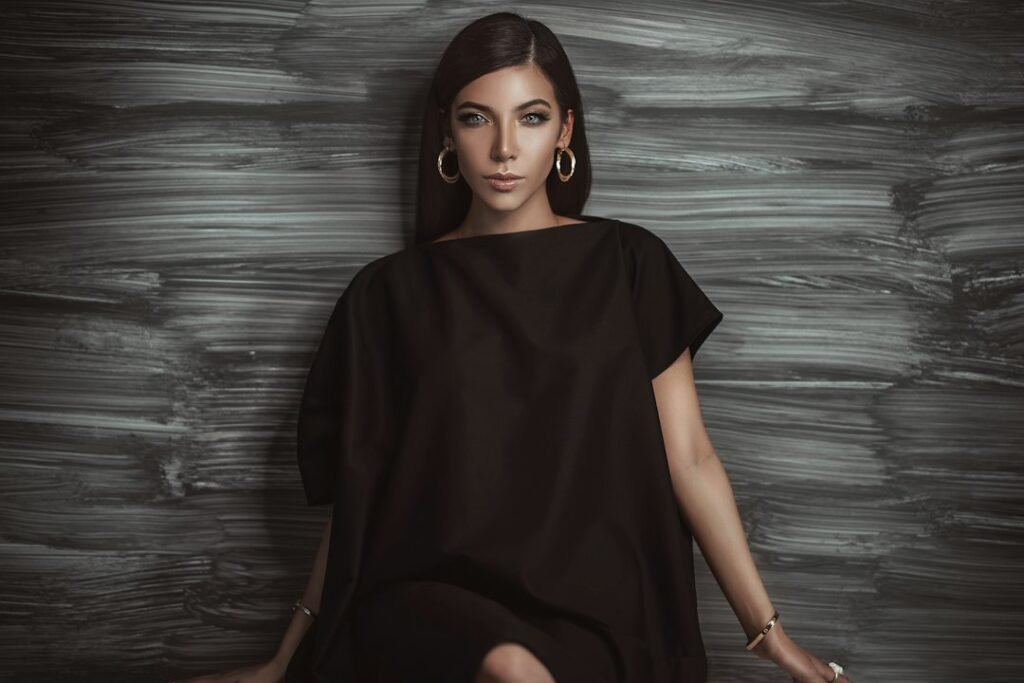
Tonal dressing means combining colours from the same family, often at different depths. A charcoal tee with black jeans is an easy example; a pale-blue top with deeper blue denim is another. The pieces do not need to be an exact match, and you do not need to buy a coordinated set.
The practical advantage is a wardrobe with fewer colour decisions. You can focus on fit, texture and the occasion while keeping the overall palette calm. This guide explains how to create that effect without making every outfit identical.
Quick answer: choose a colour family, use two or three related shades, and add contrast through fabric or shape. Start with something you already own. If the result feels flat, change the texture or brightness of one piece before adding several new colours.
Published 8 October 2026 · Namakool editorial
Trend context: Vogue identifies tonal dressing beyond head-to-toe black in its pre-fall report. The wardrobe exercises below are original, practical interpretations of that direction. Read Vogue’s 2026 tonal styling coverage.
In this guide: Understand tonal colour before trying to match everything · Build a dark base and give the fabric room to show · Use blue denim as an easy tonal experiment · Try softer neutrals through tees and simple separates · Make tonal outfits work through texture, movement and repetition · Outfit planner · FAQs
Understand tonal colour before trying to match everything
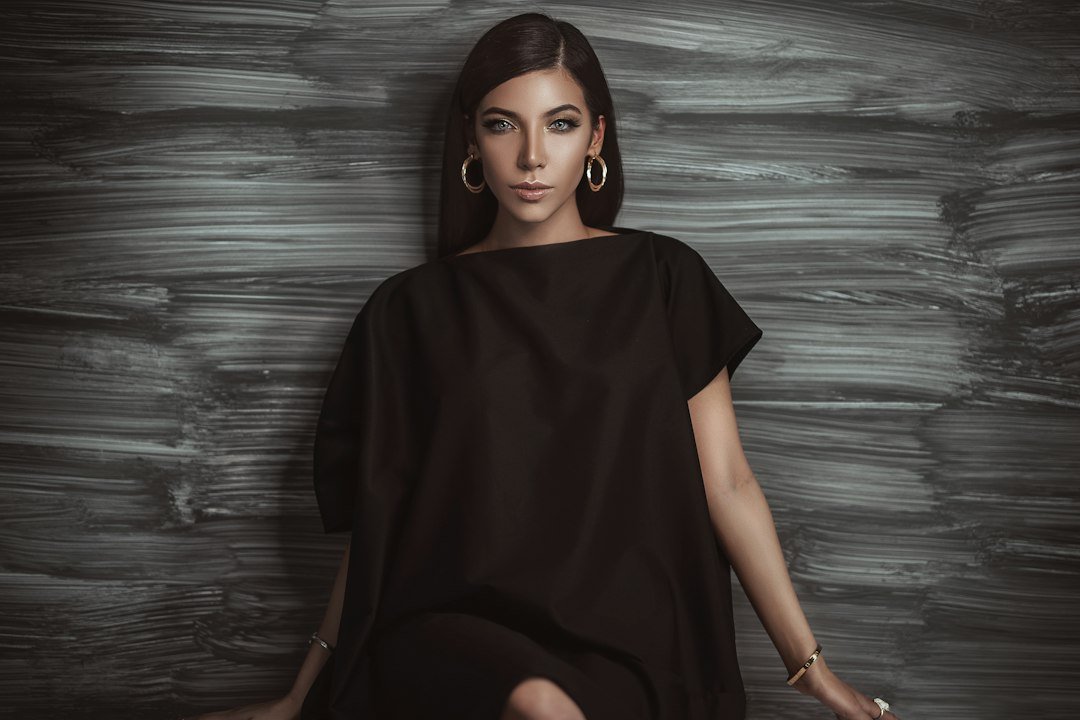
Monochrome and tonal are often used loosely in fashion conversation. For practical styling, think of monochrome as an outfit dominated by one colour and tonal as a combination of related shades. A completely black outfit may be monochrome, while charcoal, slate and black together can be treated as tonal. The terms are useful starting points rather than strict rules you have to pass.
Begin by laying garments next to each other in daylight. Two pieces labelled beige can have noticeably different undertones: one may lean yellow, another pink or grey. That difference is not automatically a problem. Decide whether they look pleasantly related or whether the near-match is distracting to you. Screens and product names cannot settle that question as reliably as seeing the actual garments together.
You can make the relationship clearer by changing the depth. A light top and much darker trousers usually look more deliberately contrasted than two almost identical shades. This is helpful when assembling outfits from different brands or pieces purchased years apart. Instead of chasing a perfect match, give each item a visible place in the colour story.
Black is not completely uniform either. A washed black tee can sit beside deep black trousers in an attractive way, but fading, lint and inconsistent care may create an effect you did not intend. Judge the garment in its current condition rather than assuming that everything with a black label will look the same.
Accessories can stay within the family or provide one quiet contrast. A black bag with a grey outfit does not break the idea. Neither does a neutral shoe with blue denim. If you want a strict one-colour look, you can pursue it, but it should remain a preference rather than an excuse to replace useful belongings.
The easiest first exercise is to select your most-worn trousers, then find two tops that share their general colour family. Try each with the same shoes. This keeps the experiment small and shows whether you prefer strong light-dark separation or a softer, closer tonal match.
Build a dark base and give the fabric room to show
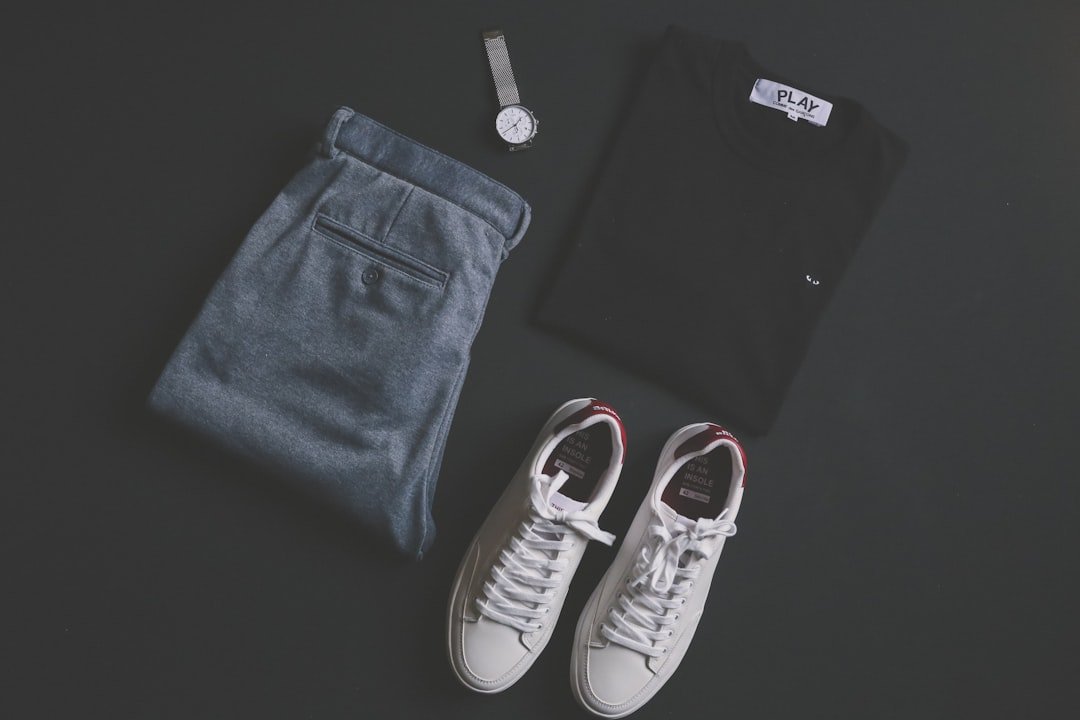
A dark tee and dark trousers form an accessible starting point because many people already own them. The challenge is to make the outfit feel considered without relying on a large contrast print. Fit, fabric surface and the amount of skin visible at the neckline or ankle can provide enough variation.
Try a smooth tee with a more textured bottom. Denim, a subtle twill or a softly brushed fabric can look different even when the colour is similar. This separation is especially useful in daylight, where the surfaces become easier to read. Avoid assuming that all-black must mean all the same material.
Check the outline of each garment. A wide tee falling over equally wide trousers creates a different shape from a shorter tee with relaxed trousers. Neither requires a particular body type. What matters is how much volume you enjoy and whether the pieces interfere with movement. If the outfit feels shapeless to you, adjust the hem or sleeve rather than immediately changing the colour.
Dark outfits also make small maintenance details more visible. Remove lint, check for deodorant marks and look at the neckline under natural light. A well-worn tee can still be a useful casual piece, but its condition should suit the occasion. Do not rely on a jacket to hide issues that become obvious the moment you take it off.
Footwear offers an easy way to control the mood. Dark shoes extend the colour story, while white or cream trainers introduce a clear endpoint. A coloured trainer can be the one accent if you want the outfit to feel less restrained. Choose according to the event and comfort, not a supposed rule that monochrome requires matching footwear.
For an evening outing, use the same base with a simple outer layer. If you choose a shiny jacket, keep other surfaces quieter. If everything is matte, one subtle metal accessory can add definition. The aim is an intentional amount of variation rather than an outfit overloaded with detail to compensate for a limited palette.
Find your next everyday favourite
Explore the current collection and choose the fit and colour that work for your wardrobe.
Use blue denim as an easy tonal experiment

Blue is a useful colour family for tonal dressing because it already appears in many casual wardrobes. Denim gives you a familiar starting point, while pale-blue, navy and washed-blue tops offer different levels of contrast. The accompanying light-blue look illustrates the general idea of related shades; denim is one way to adapt it.
Start with your actual jeans, not an idealised shade from a product photo. Medium-wash denim can contain several tones through fading and seams. A plain navy tee creates a calmer upper half, while a pale-blue tee makes the combination lighter. Both can work even when the colours are not a perfect match.
A denim shirt or jacket adds another layer of blue, but check weight and mobility. Two substantial denim garments may feel heavier than expected. A lighter shirt can create the same colour relationship with less bulk. If you wear a tee underneath, white gives obvious contrast while a blue base keeps the look more tonal.
Consider the scale of any print. A large white graphic on a navy tee changes the outfit from a quiet blue composition to a graphic-led look. That may be exactly what you want. If you are practising tonal dressing for the first time, a plain or small-print top makes the effect easier to see.
Shoes and belts do not need to be blue. Cream, black, grey and brown can each act as supporting neutrals. Test what you already own before buying a special accessory. A good tonal outfit should usually simplify dressing, not create a shopping list of rare matching items.
For repeat wear, save three variations around one pair of jeans: pale-blue top for daytime, navy top for a quieter look, and a blue shirt over a light base for layering. This gives you different outfits while keeping the central colour decision the same. Notice which one fits your routine, then build outward from that combination.
If you prefer brighter blues, use them in a single garment first. A vivid blue tee with familiar denim is easier to assess than buying several bright pieces at once. Let the result guide your next choice rather than assuming that a colour you like in isolation will suit every outfit.
Try softer neutrals through tees and simple separates

Cream, stone, taupe and soft pink-beige can create gentle tonal combinations, but they need a little attention to opacity and undertone. A pale outfit is not automatically more refined than a dark one. It simply makes different details visible, including fabric thickness, pocket outlines and the relationship between neighbouring shades.
Begin with one neutral you genuinely like. If you often reach for cream, build around cream rather than choosing a fashionable beige that feels unfamiliar. A slightly deeper trouser colour can give the top definition. A pale tee with a darker neutral outer layer is another way to keep the palette related without looking like a matching set.
Look at the garments against your usual surroundings and in ordinary daylight. Warm indoor lighting can make cream appear more yellow, while a screen may make stone look grey. You do not need a technical colour analysis to make a choice; simply assess whether the combination looks coherent to you in the places you wear it.
Texture helps prevent light outfits from appearing flat. A smooth tee with visible denim grain or gently textured trousers creates variety without another colour. If the fabric is delicate or easily creased, consider whether its maintenance suits your schedule. A beautiful combination that requires more attention than you can give it may remain unworn.
Practical details matter. Check pale trousers for transparency in strong light and make sure pockets sit smoothly. A bag with a rough or dark-dyed surface may affect light clothing through friction or transfer, so follow the bag and garment guidance. Choose outfits you can comfortably use rather than treating pale colours as something you must protect from every normal activity.
For a low-risk experiment, wear your neutral tee with a familiar bottom first, then add a related outer layer on another day. You can gradually move toward a more tonal outfit without replacing your entire wardrobe. This makes it easier to separate a colour preference from a fit problem.
If a combination feels washed out to you, add a darker shoe, belt or bag before abandoning it. A small area of contrast can define the outfit while leaving the softer palette intact.
Make tonal outfits work through texture, movement and repetition
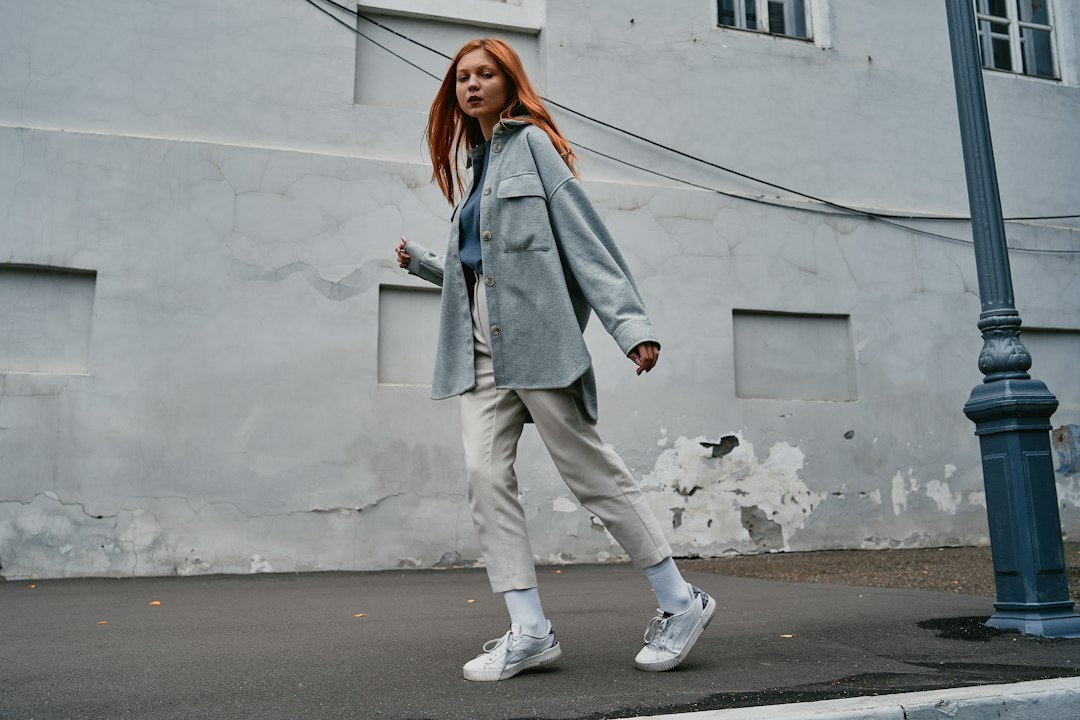
Tonal dressing becomes more interesting when you think beyond matching colours. A tailored layer over a soft tee creates a difference in structure. A smooth bag against textured fabric adds another quiet variation. These choices allow an outfit to feel complete without needing a bold print or several accent colours.
Test the outfit while moving. Similar colours can make the boundaries between garments less obvious, which means the overall silhouette becomes more important. Check where the tee ends, whether the jacket opens comfortably and how the trouser hem meets the shoe. You are not trying to make your body appear a particular way; you are choosing an outline that feels deliberate to you.
One useful method is to change only one element between wears. Keep the trousers and tee, then switch the shoes. On another day, keep the base and add a jacket. This shows which change actually improves the outfit rather than making several alterations and losing track of what worked.
If you enjoy accessories, give them a clear role. A structured bag can make a relaxed outfit feel more organised. A soft tote can make tailoring feel less formal. Jewellery can add a small bright point, but it does not have to match every buckle or fastening exactly. Consistency is helpful; perfection is unnecessary.
Plan storage so related colours are easy to find. You might group a few favourite combinations together or keep reference photographs on your phone. This is especially useful when subtle shades look similar folded in a drawer. A quick record saves you from re-solving the same pairing every morning.
When shopping, identify the missing function rather than simply buying another neutral. Perhaps you have plenty of grey tees but no comfortable dark trousers, or several cream tops but no suitable light layer. Choose the piece that connects existing clothes. Check measurements, composition, care instructions and returns before assuming it will work.
A successful tonal wardrobe still has variety. Different silhouettes, surfaces and occasions can share a colour family without becoming identical. The goal is a set of combinations you can wear repeatedly with confidence, not a rigid rule that prevents you from enjoying other colours whenever you want.
An outfit planner you can use this week
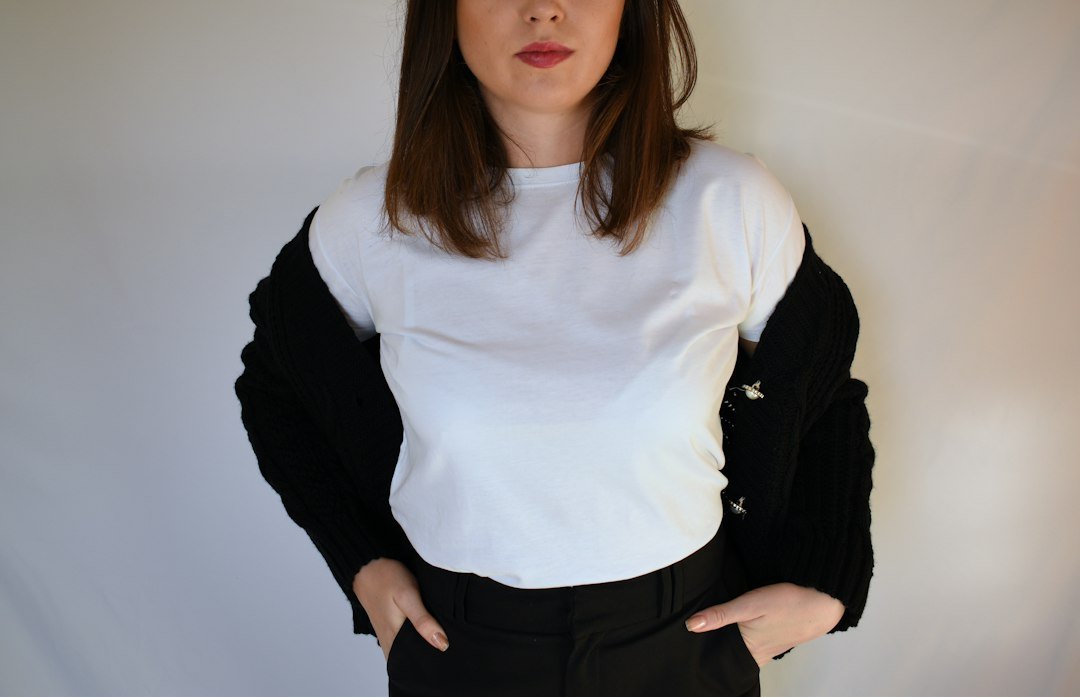
These combinations are suggested starting points. Substitute pieces you already own and adapt them to your dress code, comfort and weather.
| Situation | Outfit combination | How to make it work |
|---|---|---|
| Easy black base | Black tee, washed-black jeans, neutral trainers | Use the contrast between smooth jersey and denim to separate the pieces. Check the tee for lint and make sure the jean hem sits comfortably over the shoe. A lighter trainer can keep the outfit from feeling too visually heavy. |
| Blue weekend | Navy tee, medium-blue jeans, cream shoes | The darker top and lighter denim make the colour relationship obvious. Keep any print small if you want a quiet result. If your shoes are black rather than cream, use them; exact matching accessories are not necessary for the idea to work. |
| Soft neutral day | Cream tee, stone trousers, beige outer layer | Compare the pieces in daylight before deciding they clash. A small difference in warmth can be pleasant when the depths are distinct. Check opacity and pocket outlines, then choose a bag you can comfortably carry without worrying about the outfit all day. |
| Grey casual tailoring | Light-grey tee, charcoal trousers, grey jacket | Let the jacket and trousers have different textures or clearly different depths. If the combination feels too formal, use comfortable trainers. If it feels too relaxed for the occasion, choose a tidier neckline and a more structured shoe you already own. |
| Earthy casual outfit | Olive top, deeper olive bottoms, neutral footwear | Keep the shades visibly related rather than forcing an exact match between different fabrics. The outfit can remain simple with one useful bag. Check that pocket details do not add more visual bulk than you want around the waist and hips. |
| Dark evening outfit | Charcoal tee, black trousers, dark overshirt | The overshirt adds structure without requiring a formal jacket. Wear the combination open and closed to see which feels better. Make sure the base looks complete on its own, since you may want to remove the outer layer indoors. |
| Light travel combination | Pale-blue tee, blue-grey trousers, washable layer | Choose comfort and easy movement before colour precision. Sit in the complete outfit and test the waistband with your travel bag. A slightly different blue in the outer layer is acceptable if the overall impression remains calm and coordinated. |
| One-accent variation | Dark tonal base, one colourful shoe or bag | Keep the rest of the outfit within its colour family so the accent has a clear role. You do not need to repeat the accent several times. This is a useful bridge if you like tonal dressing but do not want to give up colour. |
Frequently asked questions about tonal dressing
Do tonal outfits have to match exactly?
No. Related shades can create a more interesting result than an exact match. Use clear differences in lightness or fabric texture when pieces come from different brands or seasons.
Is black and white tonal dressing?
It is a high-contrast neutral combination rather than a single-colour tonal look. You can still use black or white as supporting accents. Fashion terminology should help you make choices, not prevent you from wearing a combination you enjoy.
Can printed T-shirts work in a tonal outfit?
Yes. Choose a print that repeats the outfit’s main colour or keep the graphic relatively small. A large contrasting print will become the focal point, which creates a different but equally usable styling effect.
How do I stop an all-black outfit looking flat?
Vary surface, fit or structure. A smooth tee with textured trousers or a more defined jacket can create separation. You can also use a lighter shoe or a small accessory instead of adding several bright colours.
Which colour family is easiest to start with?
Start with the colour you already own most and enjoy wearing. Black, grey and blue often provide useful options, but the easiest family is the one that connects your existing clothes and suits your daily routine.
Do I need a matching co-ord set?
No. Separate pieces can achieve the same general effect and may be easier to rewear independently. A set is worthwhile only if you like the fit, fabric and usefulness of both items.
Can men and women use the same tonal principles?
Yes. Related shades, texture and proportion apply across wardrobes. Choose garments and silhouettes you enjoy rather than treating the colour method as tied to one gender or a specific body shape.
More from this series: 90s Minimalist Outfits in 2026: Simple Looks with Modern Basics · Relaxed Trousers and T-Shirt Outfits: A 2026 Everyday Style Guide · T-Shirt and Blazer Outfits: A Smart-Casual Styling Guide for 2026
Keep exploring: Explore black T-shirt combinations · Plan a versatile wardrobe · Keep printed basics in good condition
Build your version of the look
Explore the current collection and choose the fit and colour that work for your wardrobe.