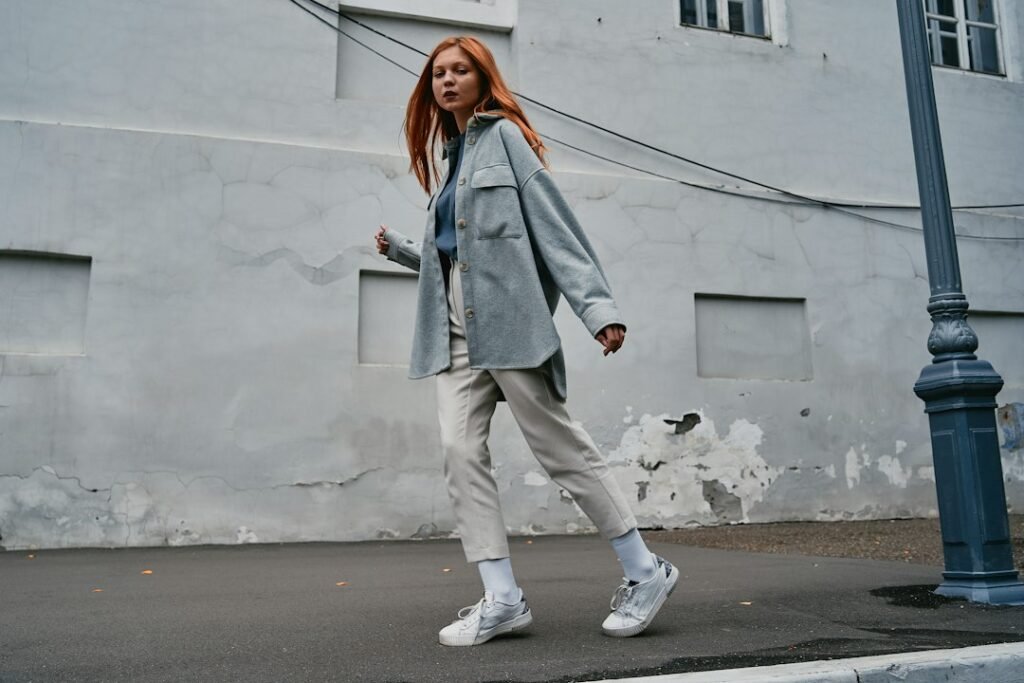
Sporty chic outfits combine the ease of sports-inspired clothing with something a little more polished. Think comfortable trousers with a neat tee and structured bag, or trainers with a simple skirt and lightweight jacket. You can use the idea without wearing a complete tracksuit or dressing as though you are going to exercise.
The most useful version is built around your actual day. Walking, commuting, working in a casual setting and meeting friends all create different needs. This guide shows how to balance comfort and presentation, with outfit combinations that can be adapted to pieces already in your wardrobe.
Quick answer: choose one sporty anchor, add one tidier element, and keep the rest uncomplicated. A relaxed tee, comfortable bottoms and clean trainers can be the base; a jacket, collar or structured bag supplies the contrast.
Published 8 October 2026 · Namakool editorial
Trend context: The Guardian’s report on Miu Miu’s spring 2027 show describes sportswear mixed with tailored pieces. This guide adapts that styling contrast for everyday use, rather than claiming runway clothing is necessary. Read The Guardian’s October 2026 Miu Miu report.
In this guide: Choose one relaxed piece to anchor the outfit · Add polish through shape rather than too many accessories · Use trainers and denim for an easy sporty mood · Experiment with a skirt while keeping the outfit practical · Keep colour, fit and the day’s purpose in balance · Outfit planner · FAQs
Choose one relaxed piece to anchor the outfit
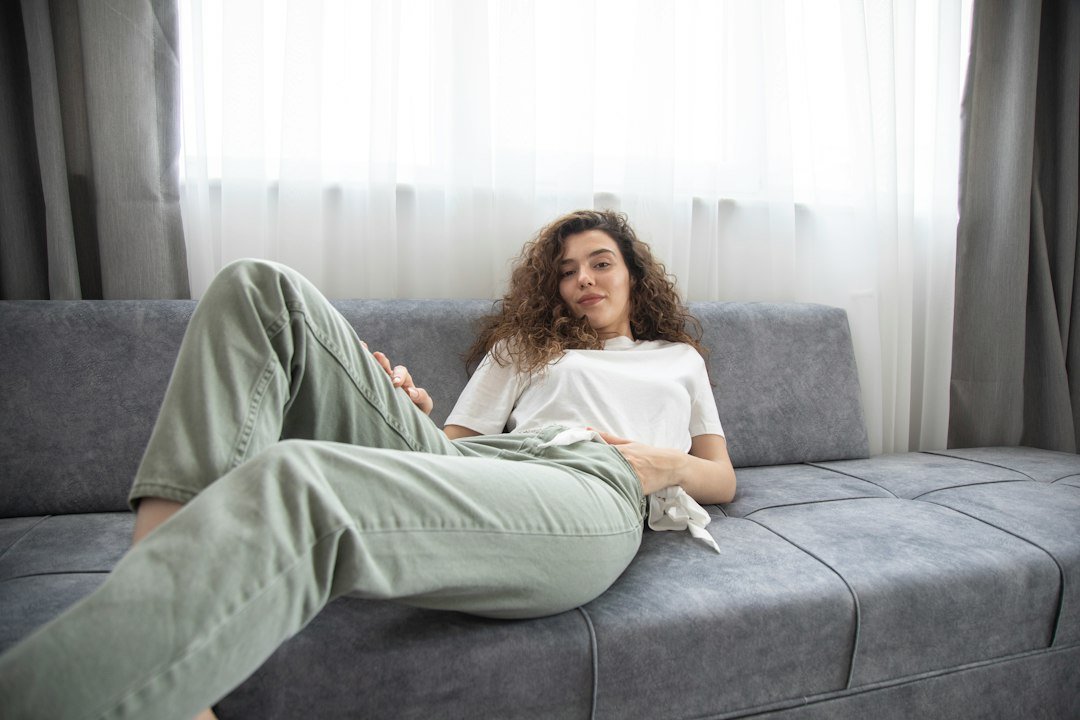
Start with the garment that gives you the comfort you want. It might be loose trousers, a soft tee, a sweatshirt or familiar trainers. You do not need all four at once. Choosing one anchor makes the outfit easier to balance and helps avoid the feeling that every item is competing to be the most casual piece.
If the anchor is a relaxed trouser, check its waistband while seated. A waistband that seems comfortable while standing can feel different after a commute. Make sure the pockets sit usefully and the fabric does not pull when you climb stairs. A sporty-looking item is not automatically comfortable; the actual construction and fit still matter.
If the anchor is an oversized tee, decide how much volume you want below it. Straight trousers can create a quieter outline, while fuller bottoms produce a more relaxed silhouette. A partial tuck may define the waist, but it is optional. Do not force a tuck that becomes uncomfortable or repeatedly comes loose.
Fabric affects the overall impression. A substantial cotton jersey, a lightweight woven trouser and a glossy sports fabric each reflect light and move differently. You can combine them, but try the pieces together before assuming that a colour match is enough. Two black items can still feel very different in formality.
The image’s tee and loose trousers illustrate a comfortable base rather than a claim that those exact clothes are performance sportswear. That distinction matters when shopping. Fashion pieces may borrow sports details without being designed for training, moisture management or a particular activity. Choose actual exercise clothing according to its stated purpose if you intend to work out.
Once the anchor is selected, add the simplest supporting pieces you own. You can then introduce a polished detail deliberately. This order keeps the outfit grounded in comfort and avoids buying an elaborate look that becomes impractical as soon as you leave the house.
Try wearing the base around home briefly before adding accessories. If you are already adjusting sleeves, waistbands or hems, fix that first. A good bag or jacket cannot solve an uncomfortable foundation.
Add polish through shape rather than too many accessories
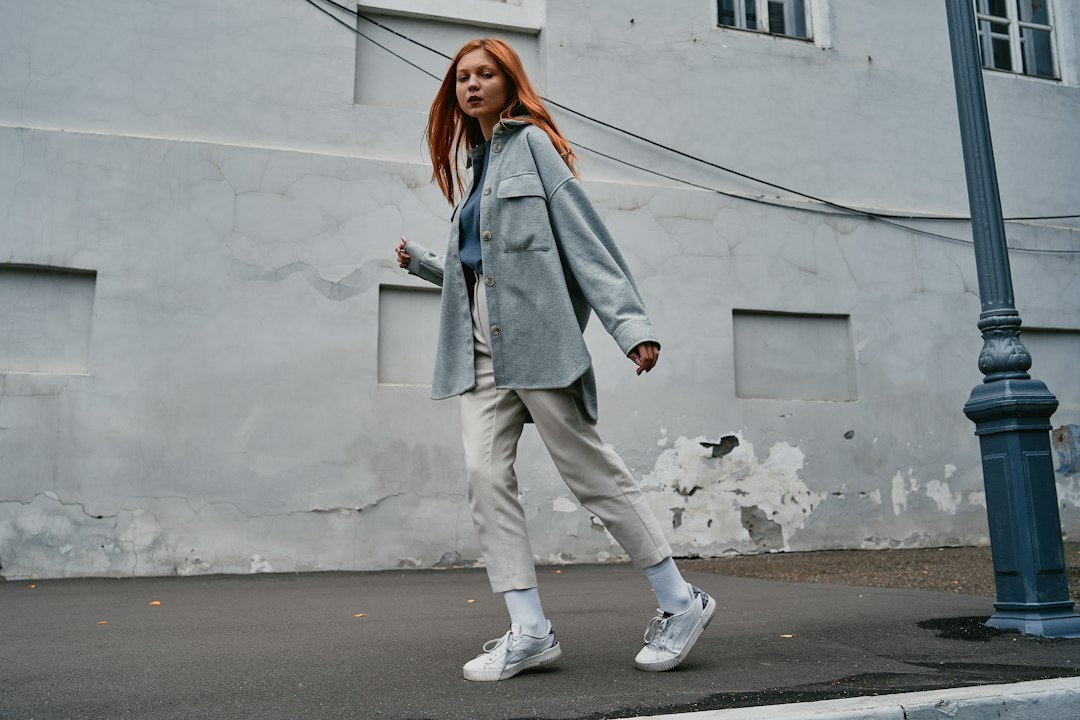
The chic part of sporty chic often comes from one clear change in structure. A blazer over a simple tee, a crisp shirt with relaxed trousers or a tidy bag with casual separates can be enough. You do not have to add heels, jewellery and a formal coat simultaneously to make the outfit feel intentional.
A lightweight blazer is one option, not a requirement. Check the shoulder and sleeve room over your actual tee. If the tee sleeve folds into the blazer armhole, choose a less wide base or a roomier jacket. A blazer that only works when you stand still will be frustrating for a day built around movement.
A collar can provide a similar sense of organisation with less layering. A polo or open shirt changes the neckline and frames the face. If you prefer this route, let the collar sit naturally instead of stacking several necklaces around it. The detail should make the outfit easier to wear, not create another thing to keep arranging.
A structured bag also changes the mood. A compact crossbody, simple shoulder bag or practical tote can each work, depending on what you carry. The useful question is whether the shape complements the relaxed clothing and whether the strap stays comfortable. An attractive but undersized bag is not a good choice for a day when you need a laptop or water bottle.
Keep accessories functional at first. Wear the watch you use, sunglasses appropriate for your surroundings and jewellery that does not catch on the clothing. Once the base is reliable, you can experiment with more decorative choices. This makes it easier to tell the difference between a styling detail you enjoy and one that merely complicates the outfit.
The example with a grey jacket and trainers shows that polish and comfort can coexist. It does not mean every workplace accepts the combination. Check the dress expectations of the venue or office before relying on a relaxed interpretation.
If the outfit starts to feel too formal, remove one polished element. If it feels too much like home wear for your plans, add one. That small adjustment is usually clearer than replacing the whole look.
Find your next everyday favourite
Explore the current collection and choose the fit and colour that work for your wardrobe.
Use trainers and denim for an easy sporty mood
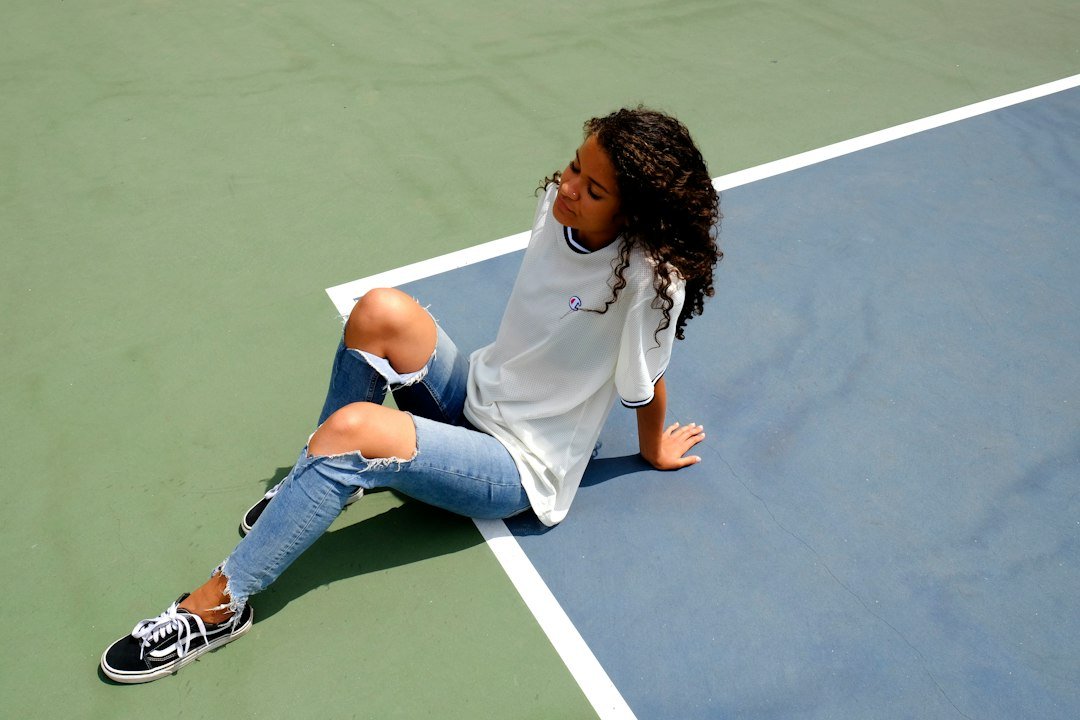
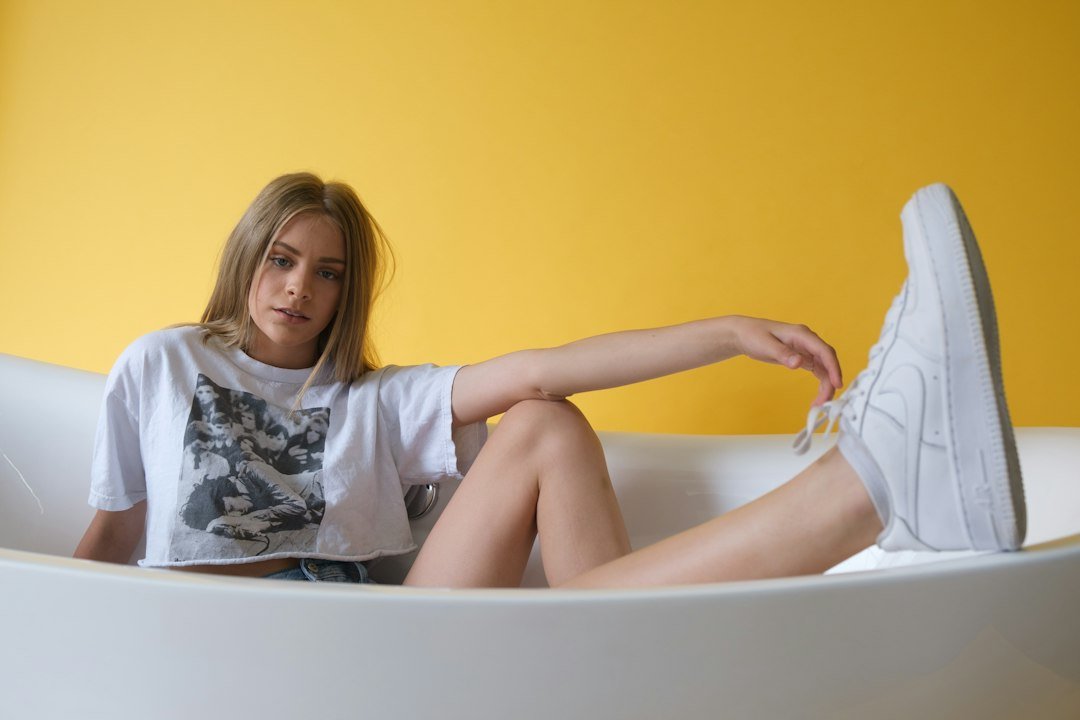
Trainers are a straightforward way to introduce a sporty note, especially when paired with familiar denim. The photograph shows a loose tee, jeans and casual shoes rather than specialist sports kit. You can borrow that relaxed combination and change the amount of polish through the bag, jacket or neckline.
Begin with shoes that already fit you well. A style trend is not a reason to tolerate rubbing, unstable footing or a shape that does not suit your feet. Try shoes with the socks you intend to wear and walk around before committing to a new pair. For this guide, comfort is a practical requirement, not a promised property of any particular design.
Consider the relationship between trouser hem and shoe. A very long, wide hem can hide a low-profile trainer or catch beneath the heel. A shorter hem can make the shoe more visible. Neither is universally better; check the combination while walking so the outfit functions beyond a still photograph.
Denim adds a familiar surface that can balance sporty footwear. A clean wash tends to feel quieter than heavy distressing, while a pale wash may look more relaxed. If your jeans already have strong fading or ripped details, keep the tee simpler when you want a more restrained result.
Colour repetition can bring the pieces together. A small white detail on a dark shoe can relate to a white tee, or a blue accent can echo denim. This is an option rather than a shopping rule. You do not need to buy a new tee for every trainer colour you own.
For a more polished variation, try the same tee and jeans with a light outer layer and a simpler bag. For a more casual version, use the tee alone. This is the advantage of a reliable base: a small change can adapt it to different plans.
Keep trainers reasonably clean and follow the manufacturer’s care guidance. Do not assume every shoe can go into a washing machine. Materials, adhesives and trims vary, and careless cleaning can change both appearance and fit.
Experiment with a skirt while keeping the outfit practical
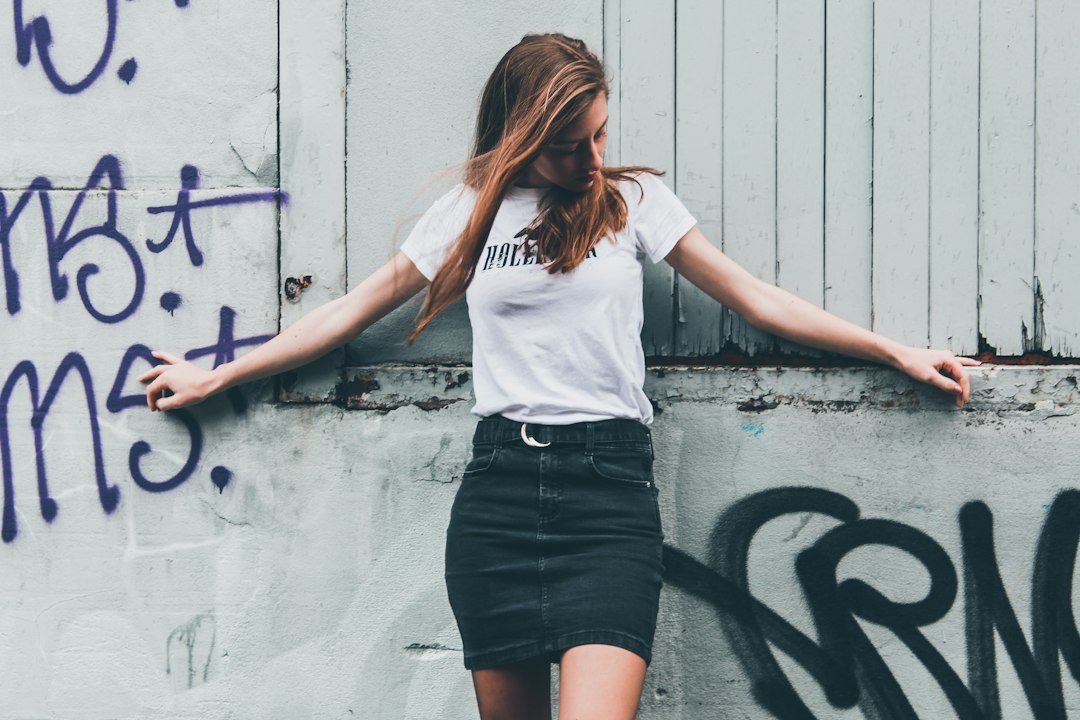
A tee and skirt offer another way to create sporty chic without relying on trousers. The tee provides ease, the skirt changes the silhouette, and trainers can keep the overall mood casual. The photo shows a white tee with a dark denim skirt; use it as an example of simple separates rather than a requirement to choose the same length.
Start with a skirt you can sit, walk and climb stairs in comfortably. Check any slit, fastening or waistband in motion. A narrow skirt may have a different stride allowance from an A-line or fuller one. The right choice depends on your day and preferences, not a rule that one shape is more fashionable.
The tee’s length affects how much of the waistband is visible. A full tuck can define the skirt, a partial tuck can feel more relaxed, and an untucked tee can create a longer silhouette. Try all three before deciding you need a new top. If fabric bunches under the waistband, a lighter or shorter tee may be more useful than a tighter tuck.
Trainers can be a practical finishing option, but they do not have to be oversized or brightly coloured. A familiar neutral pair lets you test the combination without changing too many elements at once. If you prefer flats or another comfortable shoe, you can still keep a sports-inspired detail elsewhere in the outfit.
A light jacket can add structure for cooler conditions. Check where its hem meets the skirt and tee. Several hems ending at slightly different points can look layered, but they can also feel busy. If you dislike the result, remove or adjust one layer rather than adding more accessories.
For an outing that includes both walking and sitting, carry your usual bag during the fitting check. A crossbody strap may pull a soft tee differently from a shoulder bag. Small practical tests help make the outfit feel like yours instead of a combination copied only for its photograph.
Treat the skirt version as one branch of the trend, not a separate wardrobe. The same tee, shoes and jacket can usually return to your trouser-based outfits, making each new piece work harder.
Keep colour, fit and the day’s purpose in balance
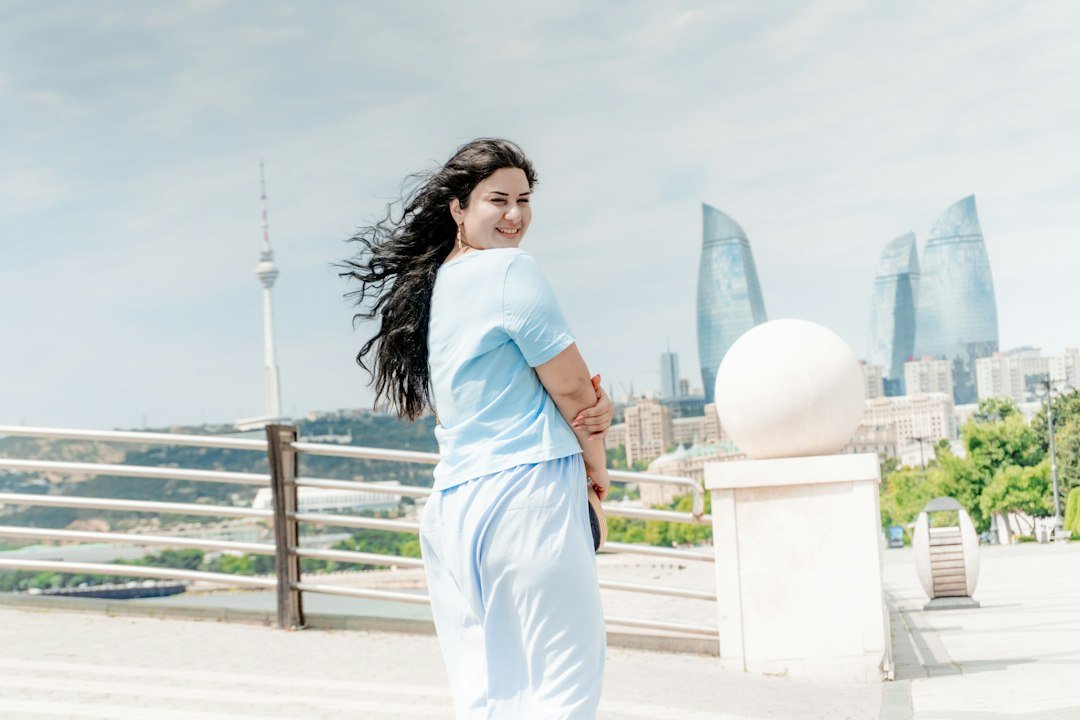
Sporty chic becomes easier when you limit the number of decisions in one outfit. Choose the sporty anchor, choose the tidier contrast, then settle on a manageable palette. Two main colours and one optional accent are a useful starting exercise, but they are not a universal rule.
A tonal combination can make casual pieces feel more coordinated. Pale blue with blue-grey, charcoal with black or cream with stone can each work. Pay attention to actual fabric colour rather than relying on names. Similar shades may have different undertones, and a deliberate light-dark contrast can be easier than a near-perfect match.
Check whether the outfit fits the setting. A look that suits errands or a café may not suit a formal office, ceremony or restaurant with a specific dress code. Sports-inspired clothing is versatile, but versatility does not mean suitable for every occasion. Keep a more formal option available when the invitation calls for it.
Think about the weather and the activity separately. A soft, heavy sweatshirt may be comfortable indoors and too warm during a long outdoor walk. A light tee might work outdoors but need a removable layer in a cool workspace. You do not have to dress for the coldest possible moment throughout the entire day.
Plan repeat wear by changing one component. Use the same relaxed trousers with a tee one day and a collared top another. Pair the same trainers with denim, a skirt and tailored trousers. This reveals which pieces genuinely connect your wardrobe instead of merely matching one saved image.
Before shopping, list the missing function. Perhaps you need a tee with a tidier neckline, a practical bag or trousers with better pocket placement. A specific problem leads to a more useful purchase than a vague aim to look sporty. Review measurements and product details, and avoid assuming that fashion language guarantees performance or durability.
Keep the final outfit simple enough that you can move without monitoring it. If every step requires a hem adjustment or every seat makes the waistband uncomfortable, revise the combination. The point of the style is to bring ease into everyday dressing while retaining a little structure and personal choice.
An outfit planner you can use this week
These combinations are suggested starting points. Substitute pieces you already own and adapt them to your dress code, comfort and weather.
| Situation | Outfit combination | How to make it work |
|---|---|---|
| Errands and coffee | Relaxed tee, straight trousers, trainers, simple tote | Let the trousers and shoes handle the practical work. Keep the tee comfortable at the neckline and make sure the tote carries what you actually need. A coordinated colour palette can make this very simple combination feel more intentional. |
| Casual office | Plain tee, relaxed tailored trousers, light blazer | Use this only where the dress code permits. The blazer supplies structure while the tee keeps the base easy. Check the sleeves together and sit in the trousers before deciding the look works for a full workday. |
| Weekend skirt outfit | Tee, denim skirt, comfortable trainers, small bag | Test stride and seated comfort in the skirt. Tuck the tee only if the waistband remains comfortable. Choose a bag that does not pull the tee out of place and keep the shoes appropriate for the amount of walking planned. |
| Travel day | Soft tee, comfortable trousers, removable layer | The outfit should work while seated and while carrying luggage. Keep pockets accessible and avoid a layer so bulky that it becomes awkward to carry. The polished detail can be as simple as a tidy neckline or coordinated bag. |
| Colour-focused outing | Neutral tee, blue or green bottoms, quiet trainers | Let the trouser colour be the statement. Choose a tee that supports it rather than competing with another large print. If you want a second accent, keep it small and use an accessory you already enjoy. |
| Cooler evening | Tee, light sweatshirt, jeans, simple trainers | Use the sweatshirt because you need the extra layer. Make sure the tee does not bunch underneath it. A neat bag or modest jewellery can add contrast without requiring you to change the comfortable base outfit. |
| Graphic-tee look | Printed tee, plain bottoms, structured bag | The print supplies personality, while the bag gives a clearer shape. Keep other patterns limited while you test the combination. If the graphic is large, check that straps and outer layers do not cut across the part you want visible. |
| Tonal relaxed look | Related-shade top and bottoms, neutral shoes | Use small differences in fabric texture to separate the pieces. The shades need not match exactly. Check the full outfit in ordinary light, and add a slightly darker bag only if you want a clearer focal point. |
Frequently asked questions about sporty chic outfits
What does sporty chic mean?
It is a styling mix of sports-inspired comfort and tidier everyday elements. You might combine trainers with tailoring or relaxed trousers with a structured bag. It does not require an entire tracksuit or specialist exercise clothing.
Can I wear sporty chic without joggers?
Yes. Jeans, skirts and relaxed tailored trousers can all work. Use a tee, trainers, cap or sports-inspired layer as the casual element, then balance it with the rest of the outfit.
Are fashion trainers suitable for exercise?
Not necessarily. A casual shoe may use sporty styling without being designed for your chosen activity. Select exercise footwear according to its stated purpose and your needs rather than assuming appearance indicates performance.
Do I need an oversized T-shirt?
No. A regular or relaxed fit can be just as useful. Choose enough room for movement and consider how the tee works with your bottoms and outer layer. Oversized is one silhouette, not a requirement.
Can I wear this style to work?
Only if it fits the workplace’s expectations. A blazer can make a tee outfit look tidier, but it does not make every casual garment appropriate. Consider your role, meetings and any explicit dress code.
How can I make the outfit look less like gym wear?
Change one element of structure: a collared top, tailored layer or simple structured bag can help. Keep the palette intentional and check garment condition. You do not need uncomfortable shoes to create the contrast.
What is the simplest first outfit?
Start with a comfortable tee, familiar trousers and clean trainers. Add one practical bag with a defined shape. Once the base works, experiment with a jacket, skirt or a more coordinated colour palette.
More from this series: Sneaker Outfit Ideas for 2026: Style T-Shirts, Jeans and Trousers · T-Shirt and Denim Skirt Outfits: Easy Styling Ideas for 2026 · Relaxed Trousers and T-Shirt Outfits: A 2026 Everyday Style Guide
Keep exploring: Plan comfortable travel outfits · Explore wide-leg denim combinations · Look after printed tees
Build your version of the look
Explore the current collection and choose the fit and colour that work for your wardrobe.