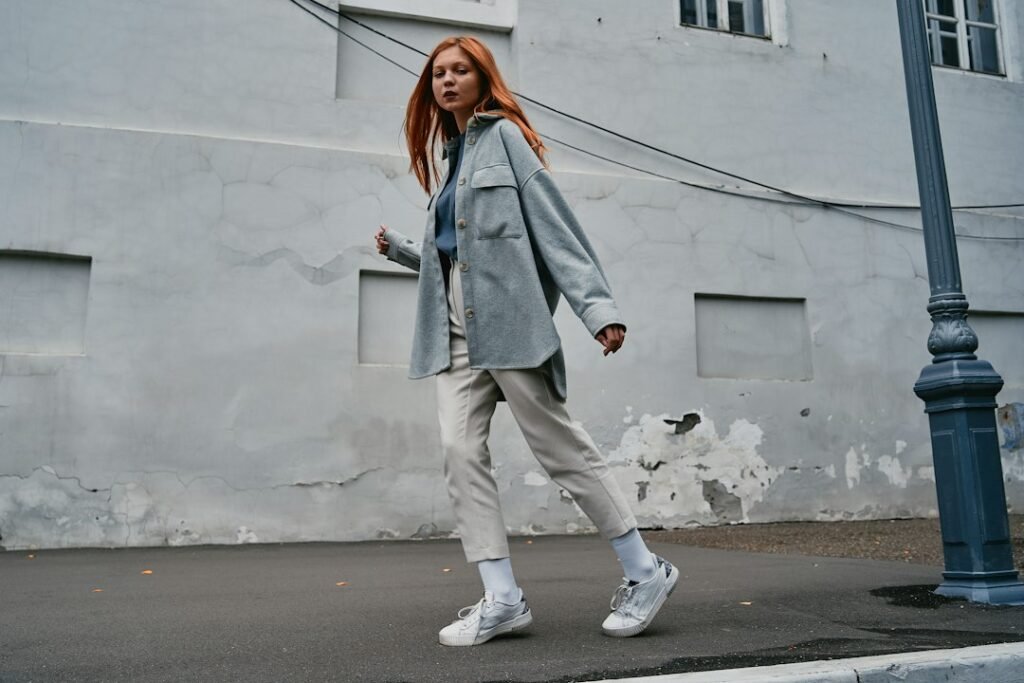
T-shirt and blazer outfits work when the two garments feel comfortable together and suit the occasion. The tee makes the outfit more relaxed; the blazer adds a clearer outline. The combination can work with jeans, trousers or a skirt, but it is not a substitute for formal clothing when an event specifically requires it.
You do not need a designer jacket or a completely new wardrobe to try the idea. Start with a blazer you can move in and a tee with a neckline you like. This guide explains how to balance the fit, choose supporting pieces and avoid the small problems that make a simple outfit difficult to wear.
Quick answer: choose a tee that sits smoothly under the jacket, keep the neckline tidy, and test the outfit with your actual bottoms and shoes. If the result feels bulky, change the sleeve or body fit of the tee before adding more accessories.
Published 8 October 2026 · Namakool editorial
Trend context: British Vogue includes simple single-breasted blazers in its discussion of returning 1990s jacket shapes. The fit checks and outfit combinations below are Namakool’s independent styling advice. Read British Vogue’s 2026 jacket report.
In this guide: Check the blazer over the T-shirt you will actually wear · Choose a plain or graphic tee with a clear role · Pair the upper layers with jeans or relaxed trousers · Use accessories to adjust the mood, not rescue the fit · Match the combination to the invitation and your routine · Outfit planner · FAQs
Check the blazer over the T-shirt you will actually wear
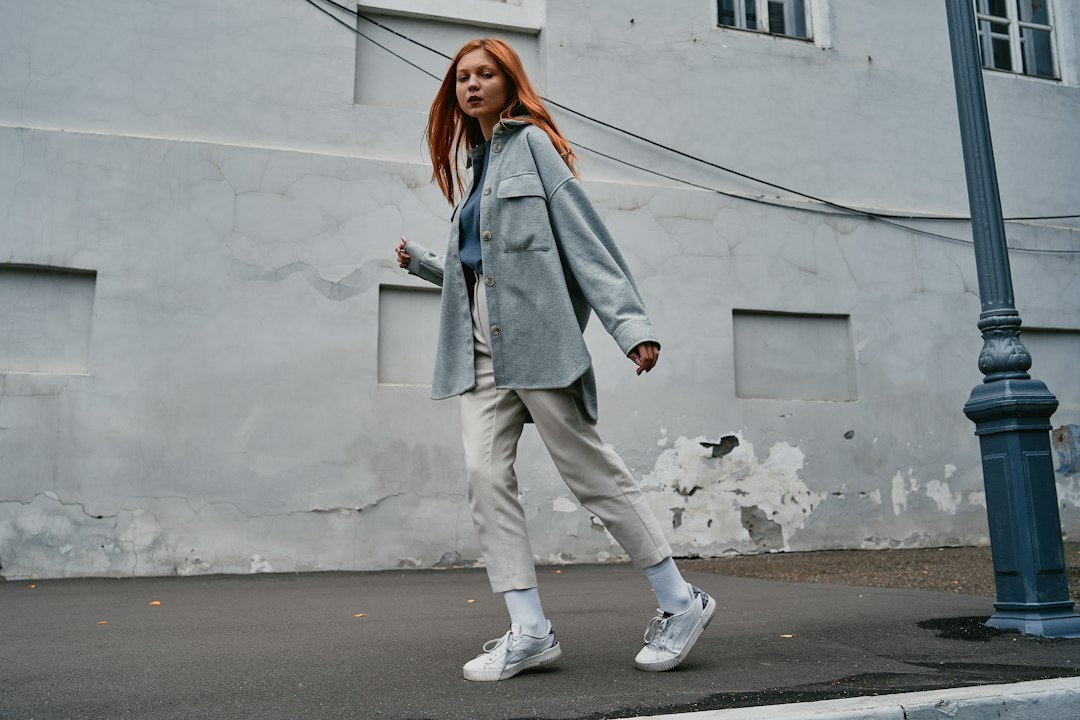
A blazer cannot be judged properly in isolation if you intend to wear it over a tee. Try the exact combination together. A jacket that feels comfortable over a thin fitting-room top may feel different over a substantial jersey tee, especially around the upper arms, shoulder blades and underarms.
Begin with ordinary movements. Bring both arms forward, reach gently upward and sit down. Notice whether the jacket pulls at the back or whether the tee sleeve rolls into the armhole. The aim is not to eliminate every fold; clothes naturally move. You are looking for persistent restriction or bunching that would bother you through the day.
The shoulder shape influences the effect. A softly structured jacket can feel relaxed, while a more defined shoulder gives a stronger outline. Neither is automatically better with a tee. Consider how you want the outfit to read and whether the jacket’s construction suits the rest of your wardrobe.
Length matters as a relationship. A longer blazer over relaxed trousers creates a different proportion from a shorter jacket over high-rise bottoms. Check where the jacket ends when you stand and sit. If the tee hangs below it, decide whether that visible layer looks intentional to you. You can adjust the tee length or tuck before assuming the blazer is wrong.
Try the blazer open and, if designed to close, fastened. You may mostly wear it open, but a comfortable closure can still be useful in cooler conditions. Do not rely on leaving it open to disguise a fit that otherwise restricts movement. Equally, a deliberately relaxed blazer does not need to fit like a close-cut formal suit.
Consider the lining and fabric weight. A heavier lined jacket can feel quite different from an unlined casual version. Read product information and choose according to your daily conditions. The word blazer does not tell you whether it will be comfortable during a warm commute.
Finally, carry your usual bag while wearing it. A shoulder strap can change how a jacket sits, and a backpack may create pressure across the sleeves. The best combination should survive your normal routine without constant rearrangement.
Choose a plain or graphic tee with a clear role
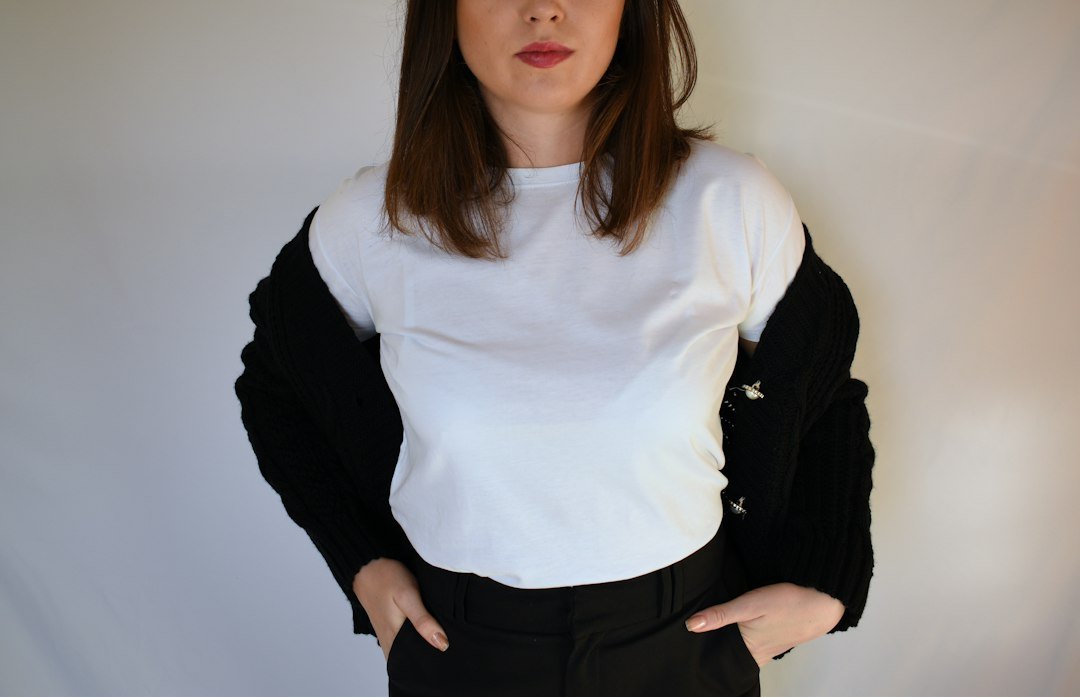
A plain tee is the easiest place to begin because it allows you to assess the jacket’s shape without a competing design. White, black, grey and soft neutrals each change the contrast. Choose the colour that works with your actual blazer rather than assuming white is always the correct answer.
The neckline should sit comfortably beneath the lapels. A crew neck creates a continuous base, while a more open neckline changes the amount of visible skin. You do not need a rule about one being universally smarter. Look at the relationship between the neck opening, lapel shape and any jewellery you normally wear.
Check the fabric surface in daylight. A tee that is very thin, heavily stretched or visibly worn may create a different impression from the one you want. That does not make it unusable; it may simply belong in a more casual outfit. Choose a base that you would be happy to wear without the blazer.
Graphic tees can work well, especially for social settings and creative dress codes. Consider where the jacket fronts fall across the print. A small central design might remain readable, while a wide graphic may disappear beneath the lapels. If you like the partial view, keep it; if it looks awkward, choose a different print placement.
Avoid assuming that a logo automatically makes an outfit more stylish or more polished. The graphic’s colour, scale and condition matter more than the name on it. A restrained print can add personality, while a large contrast design makes the outfit noticeably more casual.
Sleeve width is another practical detail. A tee with a very wide sleeve can bunch inside a narrower blazer. A closer sleeve may sit more smoothly, but it should not grip your arm. If you want an oversized tee, use a jacket with enough room to accommodate it rather than compressing the fabric.
Try a plain tee and a printed tee with the same jacket, trousers and shoes. This small comparison makes the effect clear. You may find that one suits work or dinner and the other is better for a relaxed weekend, allowing the blazer to serve more than one purpose.
Find your next everyday favourite
Explore the current collection and choose the fit and colour that work for your wardrobe.
Pair the upper layers with jeans or relaxed trousers
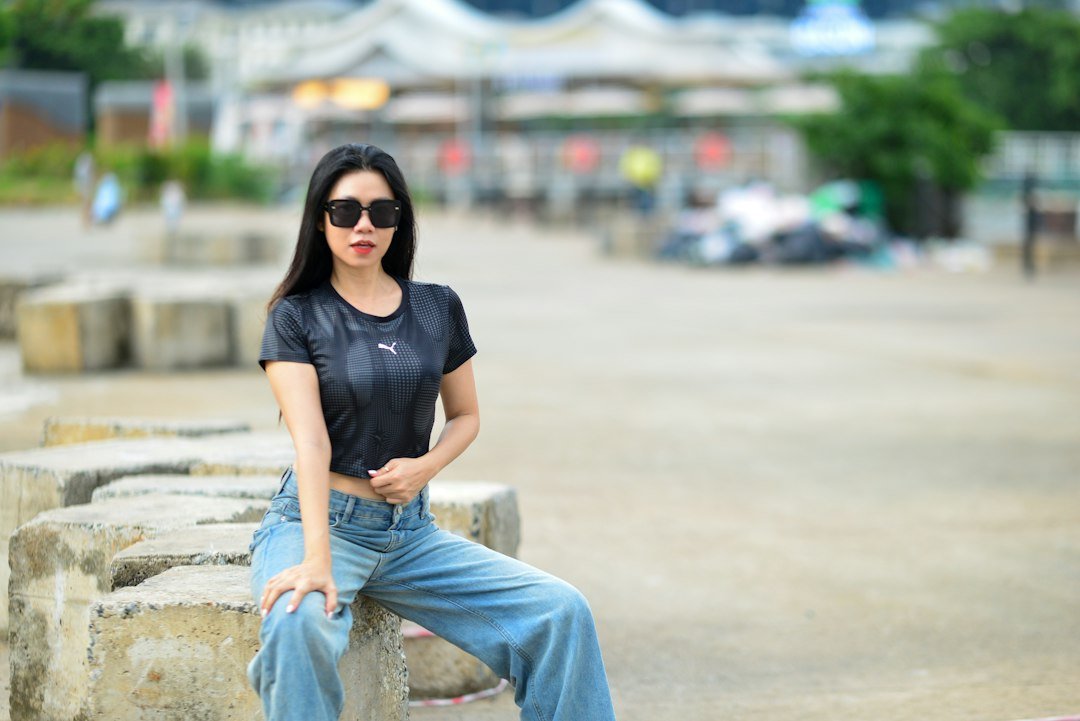
Bottoms determine how formal or casual the blazer-and-tee combination feels. Jeans usually keep the outfit relaxed, while trousers with a defined waistband and cleaner surface may make it feel more organised. The choice should reflect both the occasion and how you want to move throughout the day.
For a straightforward denim option, start with a wash you already wear often. Dark or minimally distressed jeans can create a quieter base. Faded or ripped jeans introduce more visual detail and a stronger casual mood. Neither is forbidden, but be deliberate about the effect rather than treating all denim as interchangeable.
Check the waistband when sitting. A blazer may make an outfit look polished while hiding an uncomfortable waist, but you will still feel it. If you plan to tuck the tee, leave enough room for the fabric. A bulky tuck can create pressure or a visible ridge, especially under a fitted jacket.
Relaxed trousers can balance a more defined blazer. Pay attention to the trouser length and how the fabric falls over your shoes. Excess material gathering at the floor can make the outfit difficult to walk in. Alteration may be useful, but first test the intended footwear so the hem is adjusted for the actual combination.
You can also use a skirt if that fits your wardrobe. Check the relationship between jacket length and skirt shape. A longer blazer may partially cover a shorter skirt, while a fuller skirt can create volume beneath the jacket. Move and sit in the combination before deciding whether the proportions feel right.
Colour does not have to match the blazer. A dark jacket with lighter bottoms creates separation; related shades create a calmer tonal result. If the jacket already has a strong check or texture, plainer bottoms can make the outfit easier to style.
Try three bottoms with one blazer and tee before shopping for another jacket. You may discover that a pair of trousers you rarely wear becomes useful in this context. That is a more practical wardrobe gain than buying several similar blazers without knowing how they will connect to your existing clothes.
Use accessories to adjust the mood, not rescue the fit
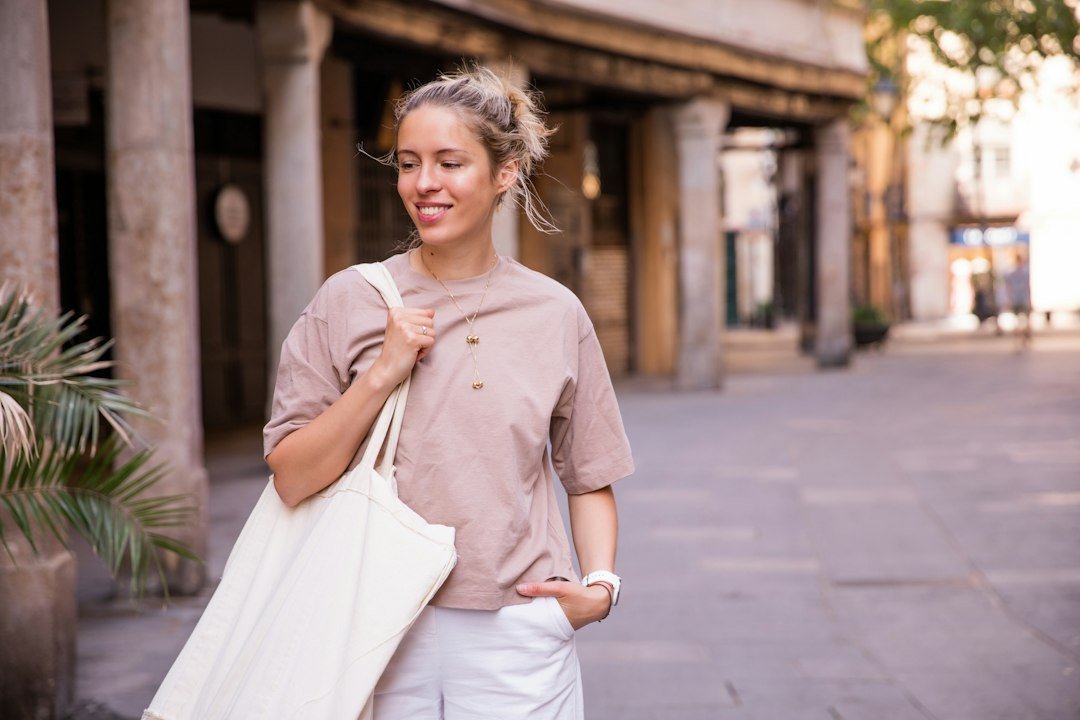
Accessories can move a tee-and-blazer outfit toward casual or polished, but they cannot repair an uncomfortable foundation. Finish the fitting checks first, then choose the bag, belt and shoes according to the day. This prevents the common problem of adding detail while the basic combination still feels wrong.
A tote makes the outfit practical for carrying more, while a compact bag can feel neater for a short outing. Choose the one that fits what you need. If your bag is heavy, test its strap over the blazer so you know whether the garment pulls or creases in a way that bothers you.
Footwear has a strong effect on the mood. Familiar trainers make the outfit more relaxed. A simple loafer or another tidier shoe can make it feel more dressed, provided it is comfortable for your route. You do not need to buy a special shoe just because a photograph presents one particular formula.
Belts are optional unless the trousers need one. If you use a belt, check the buckle beneath the tee and jacket. A very prominent buckle can become another focal point. That may suit your style, but a simple one is easier when you are still learning how the combination works.
Jewellery can remain minimal. A watch, small earrings or one necklace may be enough. If you wear a necklace, check how it sits against the tee neckline and whether it catches under the lapel. Choose pieces you can wear without thinking about them constantly.
Colour repetition is a useful option. A shoe or bag can echo a colour in the tee print or jacket, but exact matching is unnecessary. If the outfit already has several contrasts, use a quiet accessory. If everything is very restrained, one distinct detail can add personality.
Before leaving, take off one accessory and compare the result. Sometimes the outfit becomes clearer; sometimes you miss the detail. Either answer is useful. The exercise helps you distinguish deliberate styling from additions made simply because the look felt unfinished at first glance.
Match the combination to the invitation and your routine
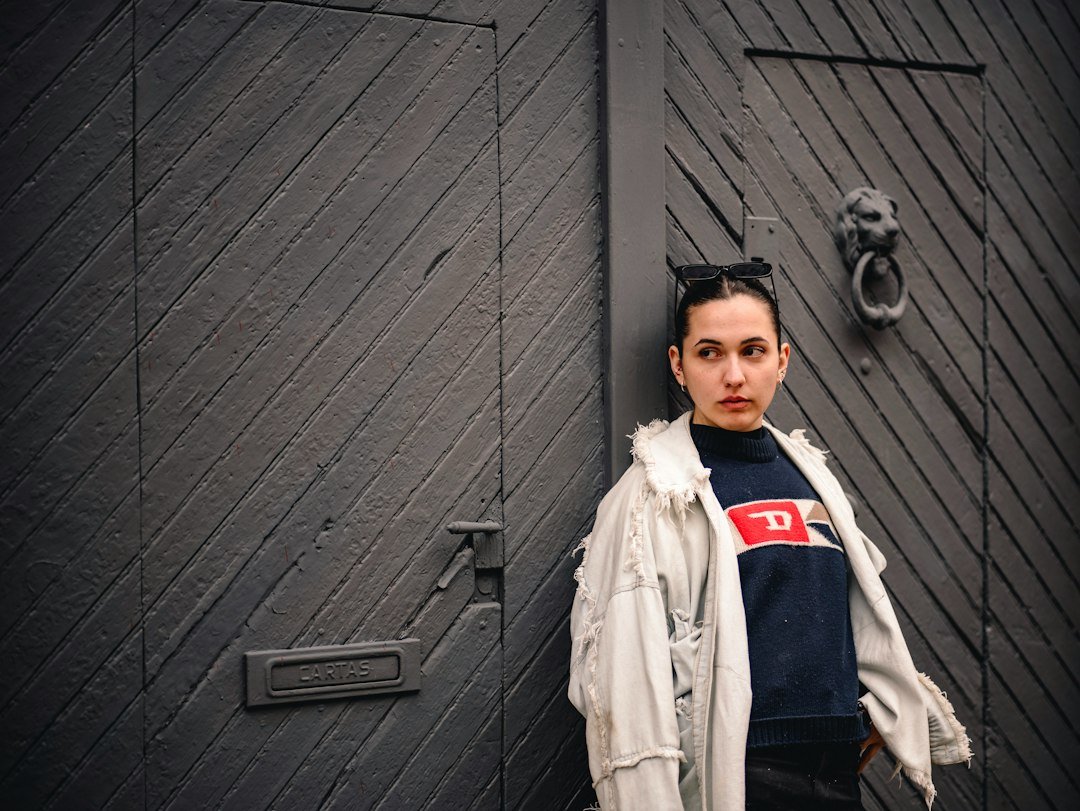
A T-shirt beneath a jacket is a flexible casual idea, but context matters. A restaurant, workplace, wedding-related event or business meeting may have expectations that go beyond whether the outfit looks neat. Read the invitation or ask the host when a specific dress code is unclear.
For a casual office, a plain tee with a tidy neckline and relaxed tailoring may be appropriate. For a formal meeting, a shirt may be required. Do not assume that adding a blazer automatically converts all casual clothing into business attire. The same principle applies to heavily printed tees, distressed denim and sports shoes.
For dinner or a social outing, you have more room to choose personality over restraint. A graphic tee, textured jacket or contrasting trousers can work if they suit the venue. The best outfit is one you can enjoy wearing, not one that leaves you worried about every fold.
Weather should guide the jacket weight. In warmer conditions, a lighter layer may be more useful than a substantial blazer. If you will spend much of the day outdoors, make sure the tee works without it and that you have a comfortable way to carry the jacket. Do not build an outfit that only looks complete while you are overheating.
Care requirements also matter. Tees and tailored jackets often need different treatment. Follow each label rather than putting everything through the same wash. Allow garments to air and dry appropriately, and use a suitable hanger for the jacket so the shoulder shape is supported.
When repeating the outfit, change one practical feature at a time. Use the same blazer and tee with jeans for a casual outing, then try trousers for a tidier one. This develops a reliable personal formula rather than a collection of disconnected looks.
Before buying another blazer, identify what the first one cannot do. Perhaps it is too warm, too structured or difficult to pair with your favourite tees. A clear gap helps you choose a different function instead of acquiring a second version of the same limitation.
An outfit planner you can use this week
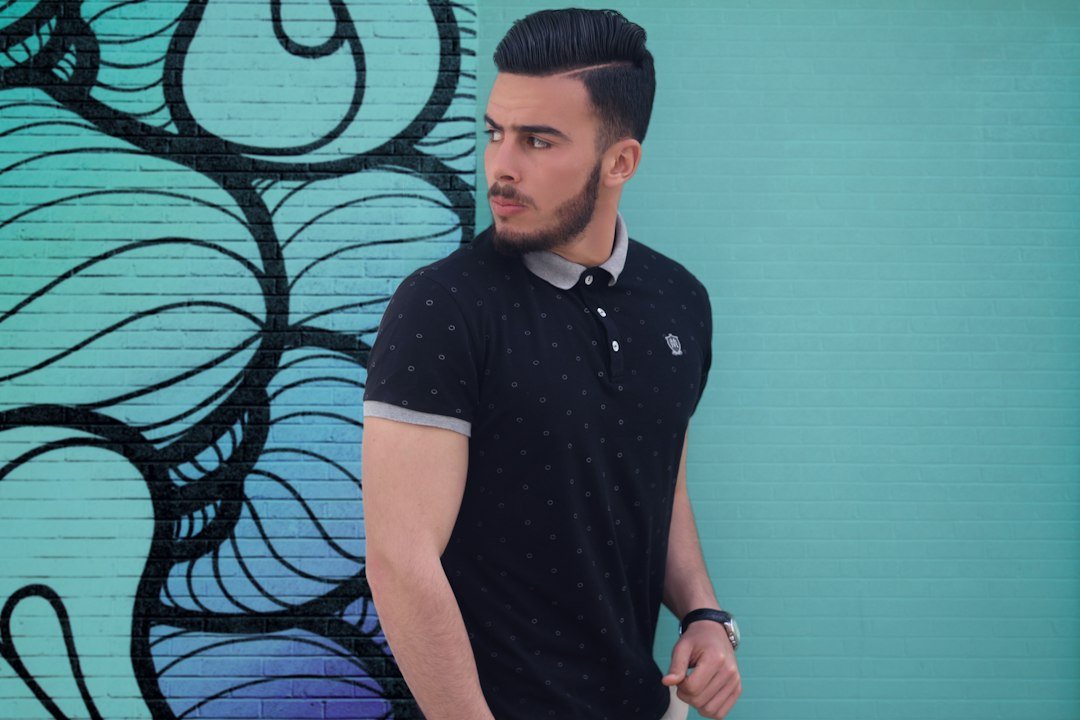
These combinations are suggested starting points. Substitute pieces you already own and adapt them to your dress code, comfort and weather.
| Situation | Outfit combination | How to make it work |
|---|---|---|
| First blazer-and-tee outfit | Plain white tee, dark blazer, familiar jeans | Use a tee that is opaque and comfortable on its own. The jeans can stay simple while you assess the upper layers. Check the sleeves together and walk around with your usual bag before deciding the combination is ready for a full day. |
| Quiet dark outfit | Black tee, charcoal blazer, dark trousers | Let differences in shade and surface separate the pieces. If the outfit feels flat, add a lighter shoe or modest accessory rather than several new colours. Make sure the tee neckline is visible enough to give the jacket a clear base. |
| Relaxed weekend | Small graphic tee, soft blazer, straight denim | Check where the lapels cross the graphic. Keep the print visible in a way you like, and let the jeans maintain the casual mood. Trainers can work if they suit your plans and remain comfortable for the walking involved. |
| Casual workplace | Plain tee, unstructured blazer, tidy trousers | Use only where the dress expectations allow. Test the outfit while seated at a desk and reaching forward. A clean neckline and well-fitting trousers matter more than adding a formal-looking accessory to an otherwise uncomfortable combination. |
| Light neutral look | Cream tee, beige blazer, deeper neutral trousers | Compare the actual shades in daylight. A clear difference in depth can look more intentional than an imperfect near-match. Check pale fabrics for opacity and choose a bag that supports the outfit without creating unnecessary visual competition. |
| Evening social plan | Dark tee, textured blazer, simple bottoms | Let the jacket texture be the main detail. Keep the tee and trousers relatively quiet, then choose footwear for the venue and route. If the jacket feels too warm indoors, the base should still look complete without it. |
| Skirt variation | Simple tee, comfortable skirt, relaxed blazer | Look at how the jacket hem interacts with the skirt and waistband. Try a loose tuck if it feels comfortable. Check movement and seated coverage, and avoid buying a new skirt before trying the jackets and tees you already own. |
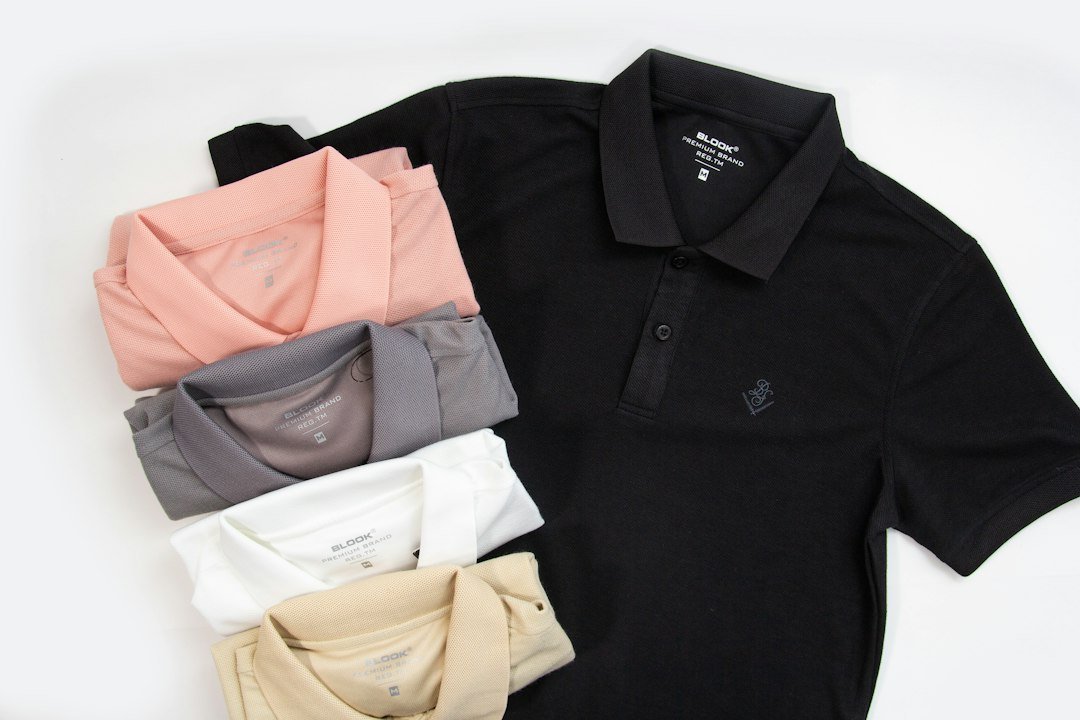
| Collared alternative | Polo, casual blazer, relaxed trousers | A polo changes the neckline and can offer a tidier alternative when a crew neck feels too casual. Check that the collar sits comfortably beneath the lapels. Keep the rest of the outfit simple so the two collar shapes do not feel crowded. |
Frequently asked questions about T-shirt and blazer outfits
Can I wear any T-shirt under a blazer?
Many tees can work, but sleeve width, fabric bulk, neckline and print placement affect the result. Try the actual garments together. A tee that works alone may bunch under a narrower jacket.
Should I tuck the T-shirt in?
Only if the result feels comfortable and suits the proportions. A tuck can clarify the waistband, while an untucked tee feels more relaxed. Check for bunching while seated instead of judging only a standing mirror view.
Are graphic tees suitable with blazers?
Yes, particularly for casual social settings. Choose the print scale and placement deliberately, and check whether the lapels hide the design awkwardly. A graphic usually makes the combination more casual than a plain tee.
Can I wear trainers with this outfit?
Yes when the setting permits. Use a pair that fits comfortably and works with the trouser hem. A blazer does not automatically make trainers acceptable in a formal dress code, so consider the venue.
Is this business formal?
Generally, a tee-and-blazer combination is a casual or smart-casual interpretation. If formal business clothing is required, follow that requirement. Do not assume the jacket alone changes the dress category of the whole outfit.
What if the blazer feels tight over my tee?
Try a less bulky tee or a roomier jacket cut. Check the shoulders, back and armholes in motion. Avoid choosing a combination that only feels acceptable with your arms held still.
Do the trousers need to match the blazer?
No. Jeans or contrasting trousers can be part of the appeal. Related shades produce a quieter look, while a clear contrast separates the pieces. Choose the combination that fits the occasion and your preferences.
More from this series: 90s Minimalist Outfits in 2026: Simple Looks with Modern Basics · Relaxed Trousers and T-Shirt Outfits: A 2026 Everyday Style Guide · Autumn Layering Outfits in India: A Practical 2026 Style Guide
Keep exploring: Try polo colour combinations · Build a black-tee base · Compare T-shirt fabric weights
Build your version of the look
Explore the current collection and choose the fit and colour that work for your wardrobe.