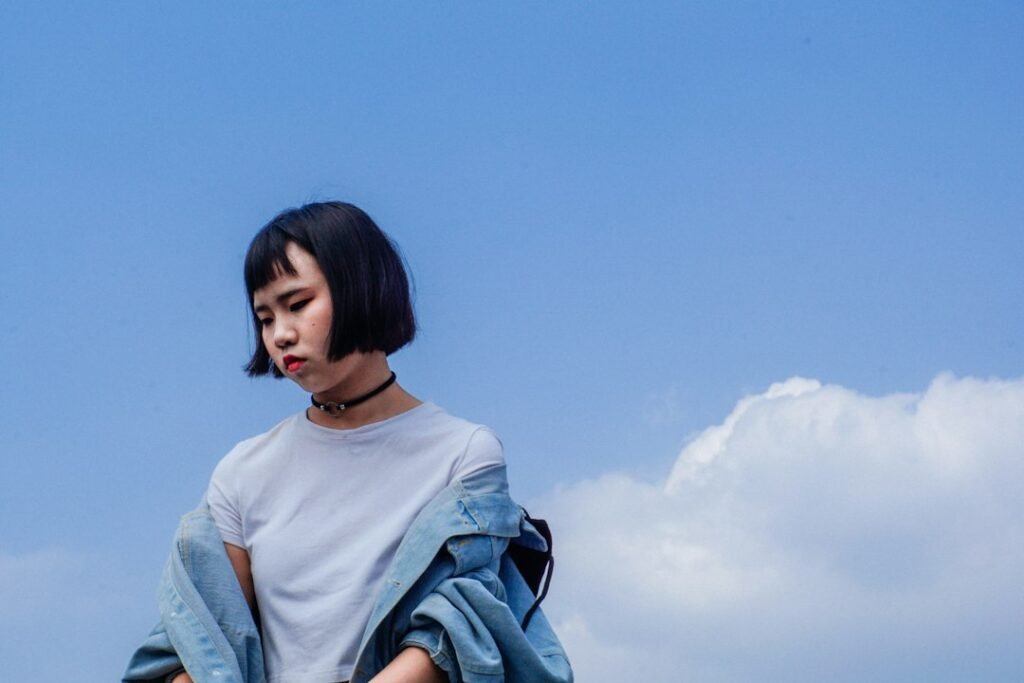
Denim-on-denim outfits combine two denim garments in one look, usually jeans with a denim shirt or jacket. The easiest approach is to separate the pieces with different washes and use a simple T-shirt as the base. Matching denim can also work, but it requires more attention to fit and the overall outline.
This guide focuses on practical combinations for everyday wear. You will learn how to compare washes, manage the weight of two denim layers and choose a tee that brings the outfit together. The advice works across men’s and women’s wardrobes and does not depend on a particular body shape.
Quick answer: start with darker jeans, a lighter denim outer layer and a plain tee. Check that both denim pieces allow comfortable movement. If the look feels too busy, reduce distressing, contrasting stitching or large graphics rather than assuming double denim is the problem.
Published 8 October 2026 · Namakool editorial
Trend context: Coach’s May 2026 styling guide treats double denim as an adaptable outfit direction. The combinations here are independent Namakool suggestions built around everyday tees and existing denim. Read Coach’s denim-on-denim guide.
In this guide: Compare the washes before deciding whether they match · Let the T-shirt separate the denim pieces · Balance jacket length with the shape of the jeans · Choose denim weight for the conditions you will wear it in · Finish the outfit with one clear supporting direction · Outfit planner · FAQs
Compare the washes before deciding whether they match
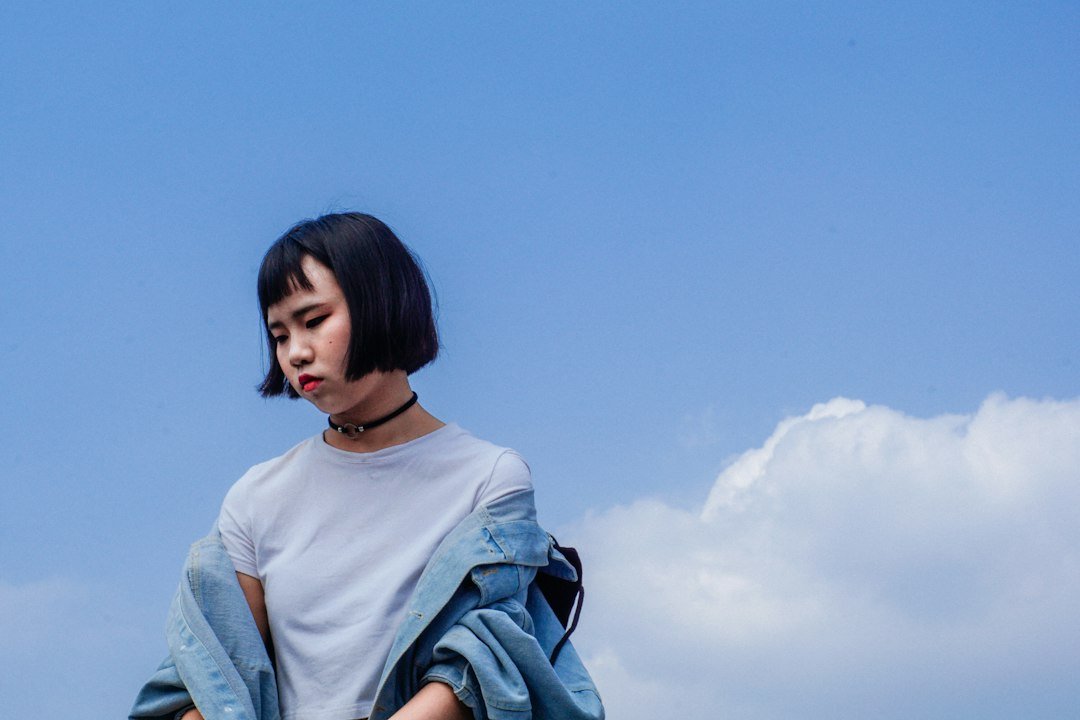
A denim wash contains more information than simply blue or black. Fading, grain, seams, contrast stitching and worn areas all affect how two pieces look together. Lay the garments side by side in daylight and assess the actual colours rather than relying on their product names.
The simplest first combination uses an obvious difference in depth. A lighter jacket over darker jeans gives the eye a clear boundary between the pieces. You can reverse that relationship with a dark shirt and lighter jeans. Either way, the contrast looks deliberate and avoids the pressure to find an exact match.
Matching washes can create a more continuous outfit. This works especially well when you like the proportions of both garments independently. However, two pieces that nearly match can look less intentional than two that clearly differ. If you are uncertain, put a plain contrasting tee between them and see whether that creates enough separation.
Black and blue denim are another useful pairing. Black jeans with a blue jacket often feel familiar because each item has a distinct role. A black denim jacket with blue jeans changes the emphasis. You do not need to add several other colours for the combination to feel complete.
Pay attention to distressing. A heavily faded jacket and heavily ripped jeans create a much more detailed outfit than clean denim pieces. That may suit a streetwear mood, but if you want a quieter look, let only one garment carry the worn effect. The other can provide a calmer surface.
Stitching can act like an accent colour. Strong contrast seams may become noticeable when repeated across both top and bottom. Use that detail deliberately rather than adding another busy print without considering the total effect. A plain tee often makes the seam pattern easier to appreciate.
Take a quick photograph from a normal distance. Close-up inspection can make tiny shade differences seem more important than they are in the complete outfit. If the overall combination looks coherent and you enjoy wearing it, there is no need to chase a technically perfect wash match.
Let the T-shirt separate the denim pieces
A T-shirt can make double denim easier by creating a clear area between the outer garment and jeans. White provides strong separation, black creates a darker centre, and a muted colour can connect with the denim more softly. Choose according to the effect you want rather than treating one colour as compulsory.
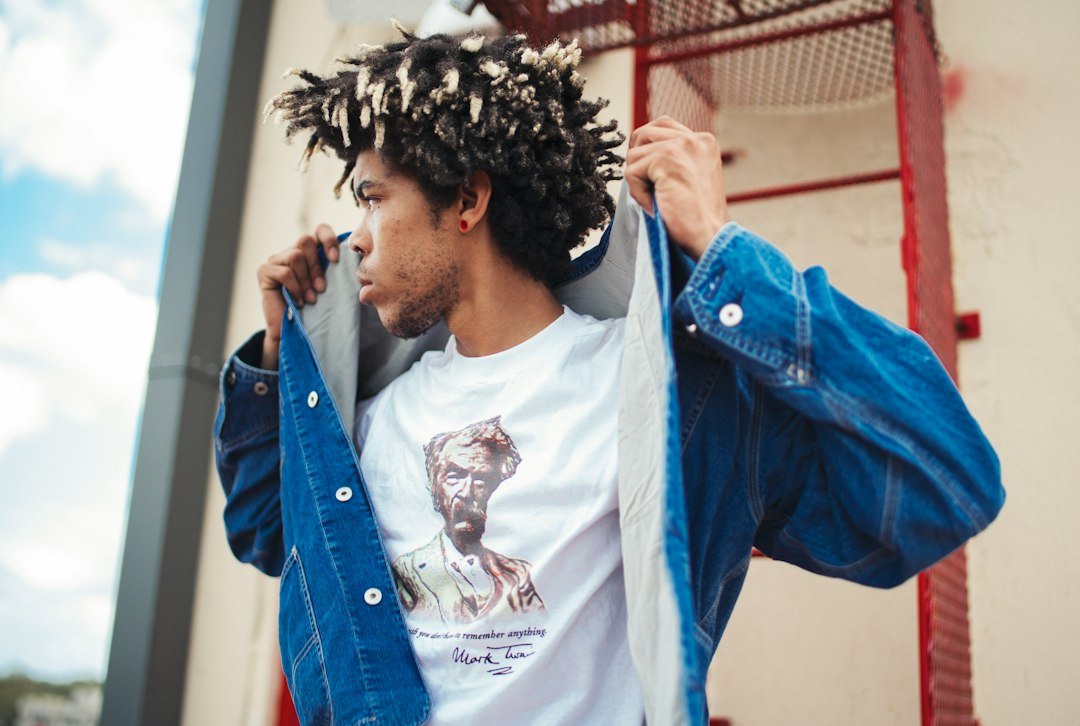
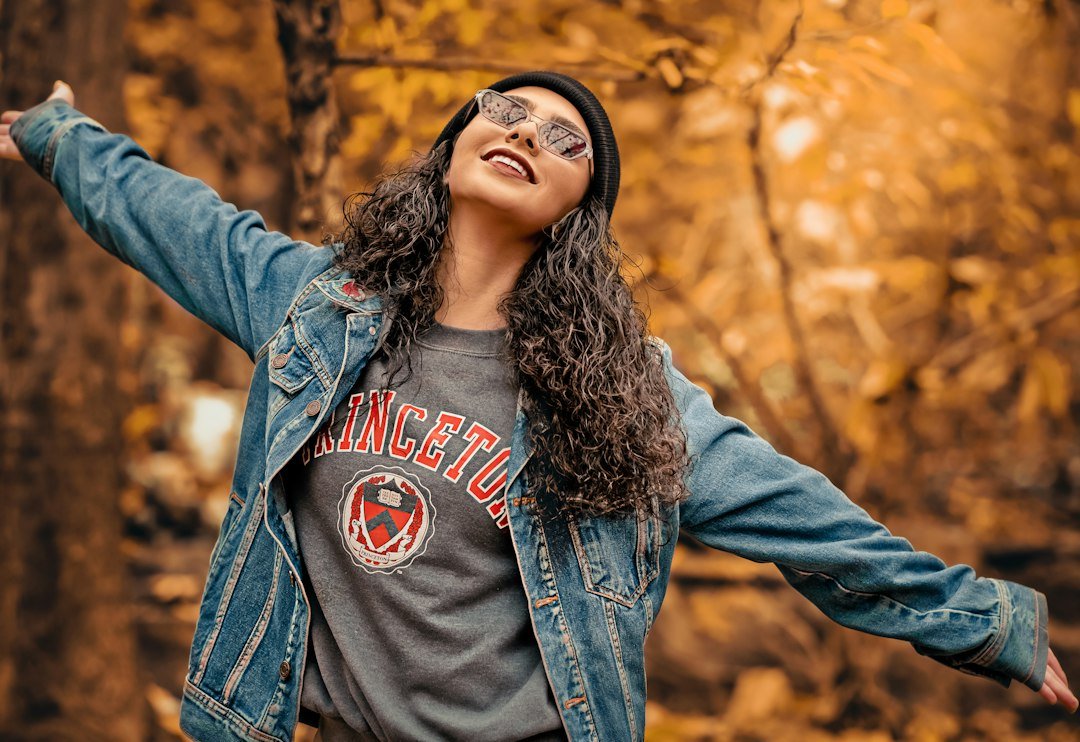
A plain tee is useful when both denim pieces already have visible seams, pockets or fading. It gives the outfit a place to rest. If the denim is simple, a graphic tee can add personality. The image demonstrates a printed tee beneath a blue outer layer, showing how the opening frames the design.
Check the print placement with the jacket open. A graphic that sits mostly beneath the lapels may be difficult to read. A large design can still work as a partial view, but make that choice intentionally. You may prefer a smaller print or a plain base if you keep adjusting the jacket to reveal it.
The tee’s hem also changes the proportions. A long tee below a short denim jacket adds a visible band of fabric. A tucked tee reveals the waistband and can make the jeans more prominent. Neither is universally better. Try both while moving and sitting, then keep the version that stays comfortable.
Fabric bulk matters because you are already wearing two denim garments. A substantial tee can create a strong shape, but it may also make the outfit warmer or more restrictive. A lighter base may be useful in mild conditions. Read the fabric details and judge the combination as a whole.
If you want colour, start with one muted shade. Olive, burgundy, soft pink or grey can each change the mood of blue denim without introducing another pattern. You do not need to own all of them. Test a tee already in your wardrobe and compare it with your usual white or black option.
The base should still work when the jacket comes off. This is especially important during warmer parts of the day. A complete tee-and-jeans outfit gives you flexibility and prevents the double-denim look from becoming something you have to keep wearing after it stops feeling comfortable.
Find your next everyday favourite
Explore the current collection and choose the fit and colour that work for your wardrobe.
Balance jacket length with the shape of the jeans
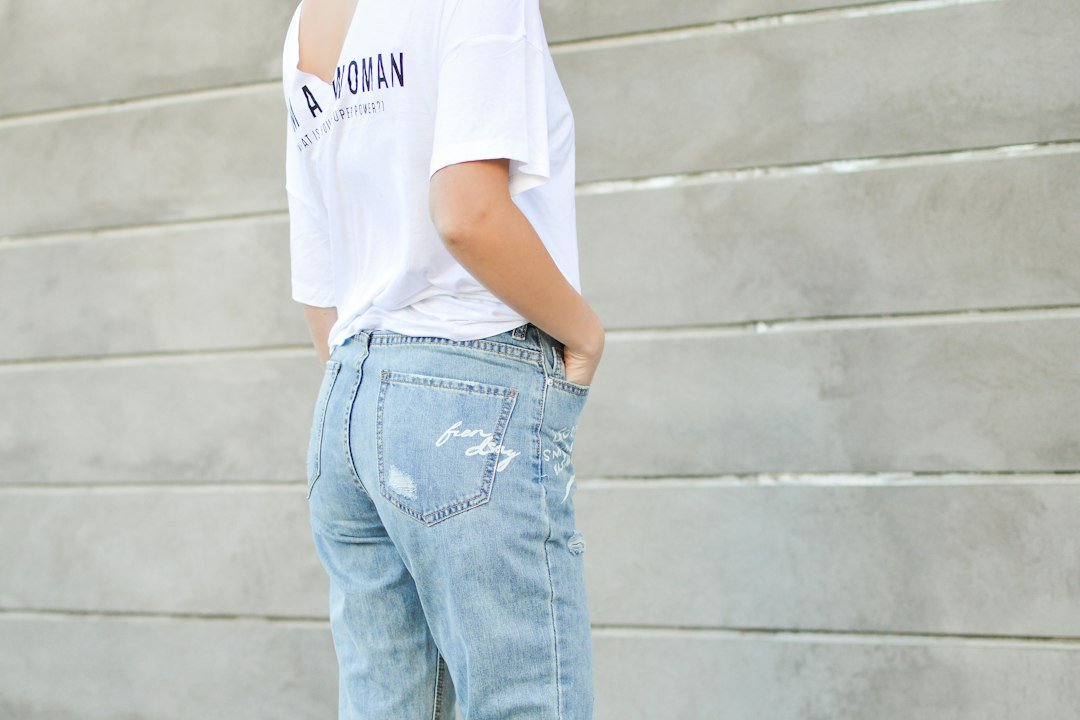
Double denim can look very different depending on where the outer layer ends and how the jeans fall. A compact jacket with fuller jeans creates one outline; a longer denim shirt with straight jeans creates another. Start with the shape you enjoy instead of searching for one supposedly correct proportion.
Try the jeans by themselves first. Check the waist, seat and leg movement. If they are uncomfortable before the jacket is added, the styling will not solve that. A reliable pair of jeans makes the rest of the outfit easier to assess because you are changing only the upper layer.
Then add the jacket or shirt and look at the waistband area. Several layers can gather here: tee, belt, jacket hem and jean pockets. If the area feels crowded, simplify one element. A smoother tuck, a shorter tee or a different jacket length may be enough.
Roomier jeans can work with a roomy jacket, but the resulting silhouette is deliberately relaxed. If you prefer a clearer boundary between top and bottom, use a shorter outer layer or a more visible waistband. This is a matter of personal outline, not a requirement to make your body appear smaller.
Slimmer jeans can create contrast with an oversized denim shirt. Check that the shirt still feels comfortable around the hips when fastened. If you mostly wear it open, assess the movement in that position too. A shirt that twists or catches as you walk may need a different cut.
Footwear changes how the jean hem behaves. A wider hem may fall differently over trainers than over a narrower shoe. Try the intended pair before altering the length. The hem should not repeatedly drag beneath the heel or catch under the sole.
For skirt-based double denim, the same relationships apply. A denim skirt and jacket can work with a tee between them, but check stride, seated comfort and how the jacket hem overlaps the skirt. The outfit should function in ordinary movement, not only in a front-facing photograph.
Choose denim weight for the conditions you will wear it in
Two denim pieces can feel more substantial than the outfit appears in a picture. Weight, lining, cut and the tee underneath all contribute to the experience. Before planning a full day in double denim, consider how much time you will spend outdoors and whether you can remove the upper layer easily.
A denim shirt can sometimes provide a lighter alternative to a jacket, but the label alone is not enough. Some shirts are substantial, and some jackets are relatively light. Look at fabric information where available and compare the garment with something you already find comfortable.
Mobility is particularly important when layering denim. A stiff jacket over a tee may feel different once you carry a backpack or reach forward. Test the upper back, elbows and shoulder area. You should not need to hold your arms in a particular position to keep the outfit comfortable.
Think about the layer-off version. If the day warms up, the tee and jeans should still work together. Consider how you will carry the jacket rather than assuming it can always be tied comfortably around your waist. A heavy garment may be awkward in a small bag.
Denim care varies. Follow the labels on the jacket and jeans rather than treating them as identical because they share a fabric category. Some dyes may transfer, especially when new or wet, so check care guidance before pairing dark denim with pale bags, upholstery or clothing. A precaution based on the garment label is more useful than a blanket rule.
Washing and wear can change the relationship between the two pieces. A matching set may fade at different rates if one item is worn and washed more often. That does not necessarily ruin the outfit; it may simply turn a matching look into a tonal one. Reassess the combination rather than assuming it must remain identical forever.
If your climate or routine makes two denim garments impractical, keep the colour idea with a lighter blue shirt. You can still enjoy a related palette without forcing a heavy outfit into conditions where it does not suit you. Styling should adapt to daily life, not the other way around.
Finish the outfit with one clear supporting direction
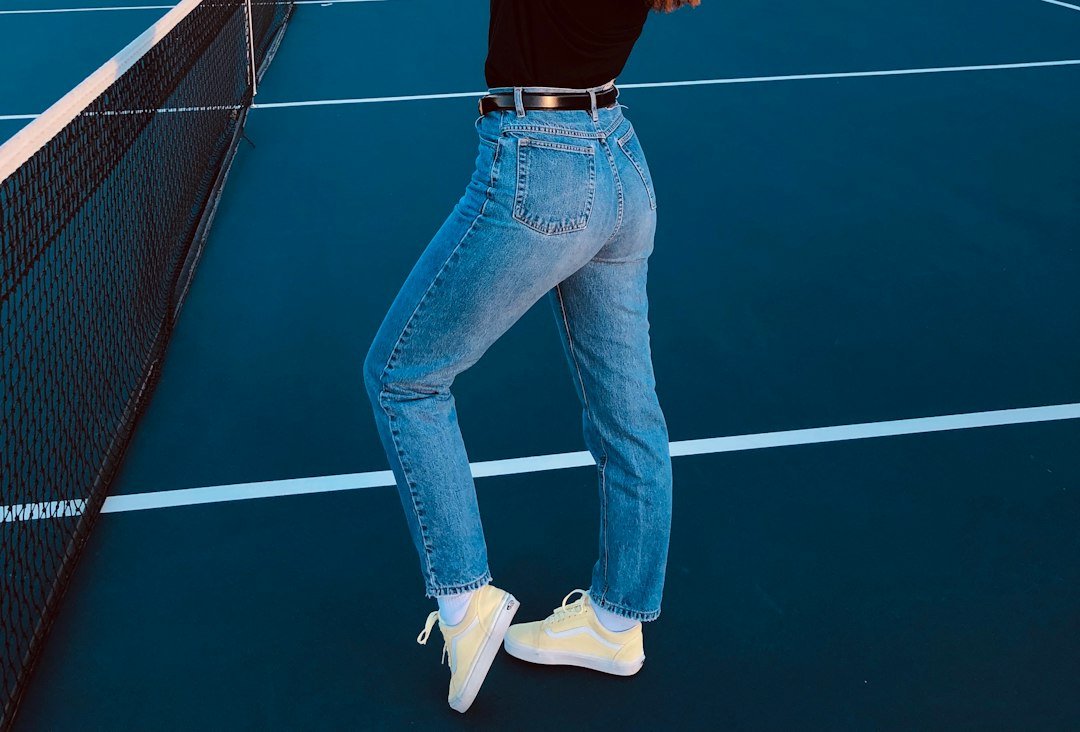
After choosing the denim and tee, decide whether the outfit should feel quiet, sporty or more expressive. This helps with shoes and accessories. A clear supporting direction is easier to manage than adding a different statement at every point.
For a quiet version, use simple footwear and a plain bag. Let the washes and fit carry the outfit. You may not need jewellery beyond what you normally wear. This is useful if the denim already has visible texture or if you prefer a low-effort daily uniform.
For a sporty version, trainers and a cap can work with the casual character of denim. Choose a cap that fits comfortably and a shoe suited to your activity. Sports-inspired appearance does not guarantee exercise performance, so keep actual training requirements separate from the styling decision.
For a more expressive outfit, choose one accent: a coloured tee, an interesting belt or a bag with a distinctive shape. You do not need all three. The denim itself already creates a repeated material story, so a single additional focal point can be enough.
Check hardware and pocket details. Metal buttons, zips, belt buckles and jewellery can accumulate visually. They do not have to match exactly, but notice whether the total feels coherent to you. If the outfit seems busy, remove an accessory before replacing a major garment.
Prepare for repeat wear by recording combinations that work. Note the washes, tee colour and shoe choice. A photograph can reveal that a jacket you rarely use looks good with a different pair of jeans. That discovery is often more valuable than buying another denim piece without testing what you own.
When shopping, identify the role you are missing. A lighter outer layer, darker jeans or a plain base tee each solves a different problem. Choose the item that improves several combinations, check its measurements and care needs, and avoid buying a full look solely because it appears coordinated in a product image.
Double denim is most successful when it feels like a natural extension of your existing wardrobe. The repeated fabric provides the theme; your own choices in colour, fit and accessories give the outfit its personality.
An outfit planner you can use this week

These combinations are suggested starting points. Substitute pieces you already own and adapt them to your dress code, comfort and weather.
| Situation | Outfit combination | How to make it work |
|---|---|---|
| First double-denim attempt | Light denim jacket, white tee, dark jeans | Use a clear wash contrast so the two denim pieces do not need to match precisely. Keep the tee plain while you assess the proportions. Test the outfit with the shoes you intend to wear, especially if the jeans have a wider hem. |
| Dark upper layer | Dark denim shirt, pale tee, medium-wash jeans | Wear the shirt open to create a visible light centre. Check that its hem does not catch at the hips and that the sleeves move comfortably over the tee. The darker top gives the outfit a different balance from the usual light-jacket formula. |
| Black and blue | Blue denim jacket, grey tee, black jeans | The black jeans separate the lower half without introducing a strong new colour. Use a quiet shoe if you want the denim to remain the main detail. A small accessory can add personality, but the combination does not need much decoration. |
| Graphic-led outfit | Clean denim jacket, printed tee, simple jeans | Let the graphic be visible through the jacket opening. Keep fading and distressing limited if the print is large. If the jacket hides the design awkwardly, change the tee or wear the layer differently rather than repeatedly pulling it into place. |
| Relaxed silhouette | Roomy denim shirt, plain tee, relaxed jeans | This creates a deliberately loose outline. Keep the hems manageable and make sure the garments do not interfere with one another at the waistband. A clearly visible shoe can define the bottom of the outfit without requiring a narrow jean leg. |
| Compact upper layer | Shorter denim jacket, tucked tee, fuller jeans | The shorter jacket gives the waistband more visibility. Tuck only as much fabric as feels comfortable, and sit down to check for pressure. The fuller jeans should allow an easy stride and should not drag beneath the shoes. |
| Skirt variation | Denim jacket, simple tee, denim skirt | Use contrasting washes if an exact match feels difficult. Check the jacket and skirt lengths together, then test seated comfort and walking. A plain tee can separate the denim pieces and make the overall outfit easier to read. |
| Warm-weather alternative | Light blue shirt, neutral tee, familiar jeans | If two denim garments feel too heavy, borrow the colour relationship with a lighter shirt. This is not technically double denim, but it is a practical adaptation. The outfit should still work when the shirt is removed during the warmest part of the day. |
Frequently asked questions about denim-on-denim outfits
Do denim-on-denim outfits need matching washes?
No. Different washes are often the simplest way to start. A clear light-dark contrast makes the pairing deliberate, while matching washes create a more continuous look that depends strongly on fit and proportion.
Which T-shirt colour is easiest with double denim?
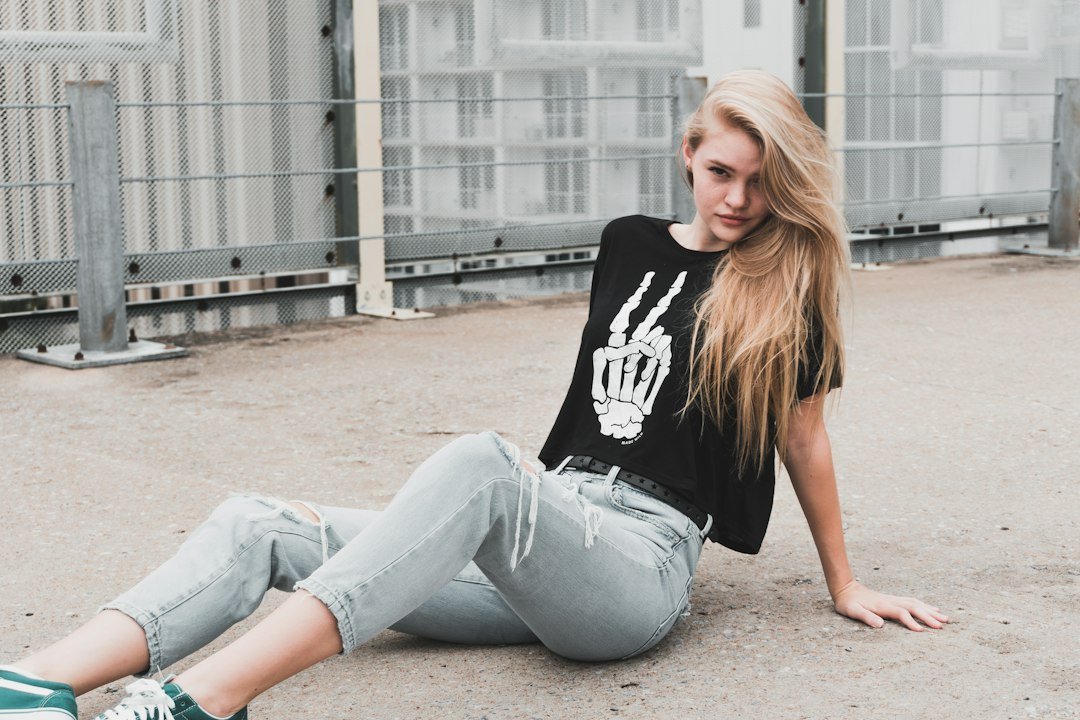
White, black and grey are straightforward starting points, but use a colour you already enjoy. A plain tee keeps attention on the denim. A graphic tee can work when you want a more expressive casual outfit.
Can I mix black and blue denim?
Yes. The contrast helps separate the garments and can make the combination easy to style. Keep the rest of the palette manageable while you decide how much detail you want.
Is double denim too warm for India?
It depends on the garments, conditions and your routine. A lighter denim shirt may feel different from a substantial jacket. Make sure the base outfit works alone and choose a removable layer when temperatures vary.
Can I wear a denim skirt with a denim jacket?
Yes. Compare the washes and check how the jacket length interacts with the skirt. Test sitting, walking and any slit or fastening so the outfit remains comfortable beyond a posed photograph.
What if the outfit looks too busy?
Reduce one source of detail: heavy fading, distressing, large graphics or prominent accessories. A plain tee and simpler footwear can make the same denim pieces feel more coordinated without buying replacements.
Should I wash both pieces together?
Follow each care label and consider colour-transfer guidance. Sharing the same fabric category does not mean the garments have identical washing needs. Keep the care routine appropriate for their dye, finish and construction.
More from this series: T-Shirt and Denim Skirt Outfits: Easy Styling Ideas for 2026 · How to Wear a Shirt Over a T-Shirt: Layering Ideas for 2026 · Sneaker Outfit Ideas for 2026: Style T-Shirts, Jeans and Trousers
Keep exploring: Explore wide-leg jeans styling · Choose a graphic-tee outfit · Understand base-layer fabric weight
Build your version of the look
Explore the current collection and choose the fit and colour that work for your wardrobe.