October 2026 · Hoodie fabric, buying and care guide for India
Hoodie GSM guide India: GSM means grams per square metre, a measurement of fabric mass per unit area. It can help compare otherwise similar cloth, but it is not a direct measurement of warmth, quality, breathability or whole-garment weight. Before selecting a hoodie for an Indian winter, consider fibre composition, inner finish, fit, care and your actual weather conditions.
Quick answer: Do not shop by GSM alone. A 320 GSM hoodie is not automatically the right choice for every person, climate or activity. Ask about construction, confirm size measurements and determine whether you need other layers for wind or cold. This guide explains why different fabrics with similar weight can feel different and how to evaluate available information without buying unnecessary clothing.
Hoodie GSM guide India: what does fabric GSM mean?
GSM means grams per square metre: the mass of fabric covering an area of one square metre. It measures cloth weight, not the weight of the complete finished hoodie. A garment with a hood, pockets, ribbing and a zip has several component pieces, so fabric GSM and total product weight are different measurements.
Suppose fabric is specified as 320 GSM. That means a square metre of the fabric is approximately 320 grams under the measurement method used. It does not mean the whole hoodie weighs 320 grams, nor does it state exactly how warm it is. Check the product listing for the precise number rather than inferring one from a photograph.
If two fabrics use a very similar fibre mix, knit structure and finishing, a higher GSM usually indicates a heavier material. Once other characteristics change, however, the comparison is incomplete. Start with GSM as one factual specification and ask what else the seller discloses.
Decision tip: When discussing this point with a retailer, request the relevant specification in writing and compare it against a garment you already own. A style name alone is not enough to establish technical properties. Treat descriptive photographs as inspiration only and do not infer material certification, a guaranteed temperature rating, or a product’s current stock from an editorial example.
How GSM is measured and why a finished hoodie differs
A fabric-weight test weighs a sample of a known area and expresses that weight relative to one square metre. A square metre is much bigger than many laboratory samples, so measurement involves scaling the measured weight to that standard area. The exact sample preparation and testing method affect consistency.
For illustration, a 10 cm by 10 cm swatch has an area of 0.01 m². If it weighs 3 grams, the implied areal weight is 300 grams per square metre, provided it is a representative, correctly prepared sample. The arithmetic is simple; accurate sampling and conditioning require care.
A finished hoodie includes seams, pocket fabric, drawcords and sometimes a zip or lining. Therefore a garment’s shipping weight is not a good replacement for GSM. This distinction can save confusion when comparing two suppliers or reviewing online descriptions.
Decision tip: When discussing this point with a retailer, request the relevant specification in writing and compare it against a garment you already own. A style name alone is not enough to establish technical properties. Treat descriptive photographs as inspiration only and do not infer material certification, a guaranteed temperature rating, or a product’s current stock from an editorial example.
A practical way to interpret lighter hoodie fabrics
Lighter fabrics can be appropriate for mild evenings, air-conditioned spaces or when you want to wear a top beneath another jacket. A lighter-weight garment may also fold more easily into a travel bag, although the actual feel still depends on its cut and construction.
Avoid imposing a single GSM threshold that always means summer or winter. The same fabric mass can behave differently with a loopback knit versus a tightly constructed blend. If a seller gives a fabric sample or a clear description of the inside surface, that information can matter more to your comfort than a category name such as lightweight hoodie.
For city commuting, select the entire outfit around the forecast: base layer, optional hoodie and a suitable outer garment when necessary. The hoodie may be a style layer rather than the garment providing most of the actual protection.
Decision tip: When discussing this point with a retailer, request the relevant specification in writing and compare it against a garment you already own. A style name alone is not enough to establish technical properties. Treat descriptive photographs as inspiration only and do not infer material certification, a guaranteed temperature rating, or a product’s current stock from an editorial example.
Midweight hoodies and everyday wear in India

A midweight option is often marketed for everyday use because it can provide a more substantial feel without the bulk of some heavy fleece garments. These are broad retail categories, not universal industry cutoffs. Two brands can describe the same GSM differently.
Check how the hoodie moves when you lift your arms, whether the hood pulls the neckline backward, and whether the cuffs fit comfortably. If you plan to wear a T-shirt beneath it, allow room for the additional fabric. A close fit in the showroom may become restrictive when layered.
People moving between a warm office and cooler outdoor conditions may prefer adjustable layers over one very heavy garment. A moderate hoodie can be useful in that system, but its suitability depends on conditions, activity level and personal temperature preference.
Decision tip: When discussing this point with a retailer, request the relevant specification in writing and compare it against a garment you already own. A style name alone is not enough to establish technical properties. Treat descriptive photographs as inspiration only and do not infer material certification, a guaranteed temperature rating, or a product’s current stock from an editorial example.
Heavier fleece does not equal a temperature rating

Heavier cloth often feels more substantial, yet warmth cannot be predicted from GSM alone. Air trapped in the fabric, the finish of the inside, wind exposure, moisture and how well the garment fits all affect thermal comfort. A higher number is not a guarantee of protection in winter.
Brushed fleece may feel soft and warm against the body while a different dense knit of comparable GSM feels smoother and less lofty. A product photograph cannot reveal that reliably. Ask whether the interior is brushed, loopback or another construction, and review the exact composition.
For very cold trips, think in terms of a whole layering system, not the label on one casual hoodie. General outdoor clothing guidance distinguishes moisture management, insulation and wind/rain protection; a fashion hoodie is not always designed to meet all three jobs.
Decision tip: When discussing this point with a retailer, request the relevant specification in writing and compare it against a garment you already own. A style name alone is not enough to establish technical properties. Treat descriptive photographs as inspiration only and do not infer material certification, a guaranteed temperature rating, or a product’s current stock from an editorial example.
Cotton-rich hoodies, polyester blends and fibre choices
Cotton, polyester and their blends can have different care needs, moisture behaviour, texture and drying characteristics. A cotton-rich hoodie may appeal to someone who likes a familiar hand feel, while a blend may be chosen for different performance or maintenance reasons.
No fibre ratio is automatically ideal for everyone. Product design, finishing and the intended activity also matter. If you need a specific percentage of cotton or polyester, read the exact composition in the current product listing. Do not assume every Namakool hoodie shares one fabric recipe.
For cold, wet outdoor activity, conventional cotton casual clothing may not be an appropriate moisture-management layer. Consider the conditions and purpose-designed options if necessary. For ordinary indoor casual wear, personal feel and laundering requirements may be more important.
Decision tip: When discussing this point with a retailer, request the relevant specification in writing and compare it against a garment you already own. A style name alone is not enough to establish technical properties. Treat descriptive photographs as inspiration only and do not infer material certification, a guaranteed temperature rating, or a product’s current stock from an editorial example.
Brushed fleece versus French terry or loopback
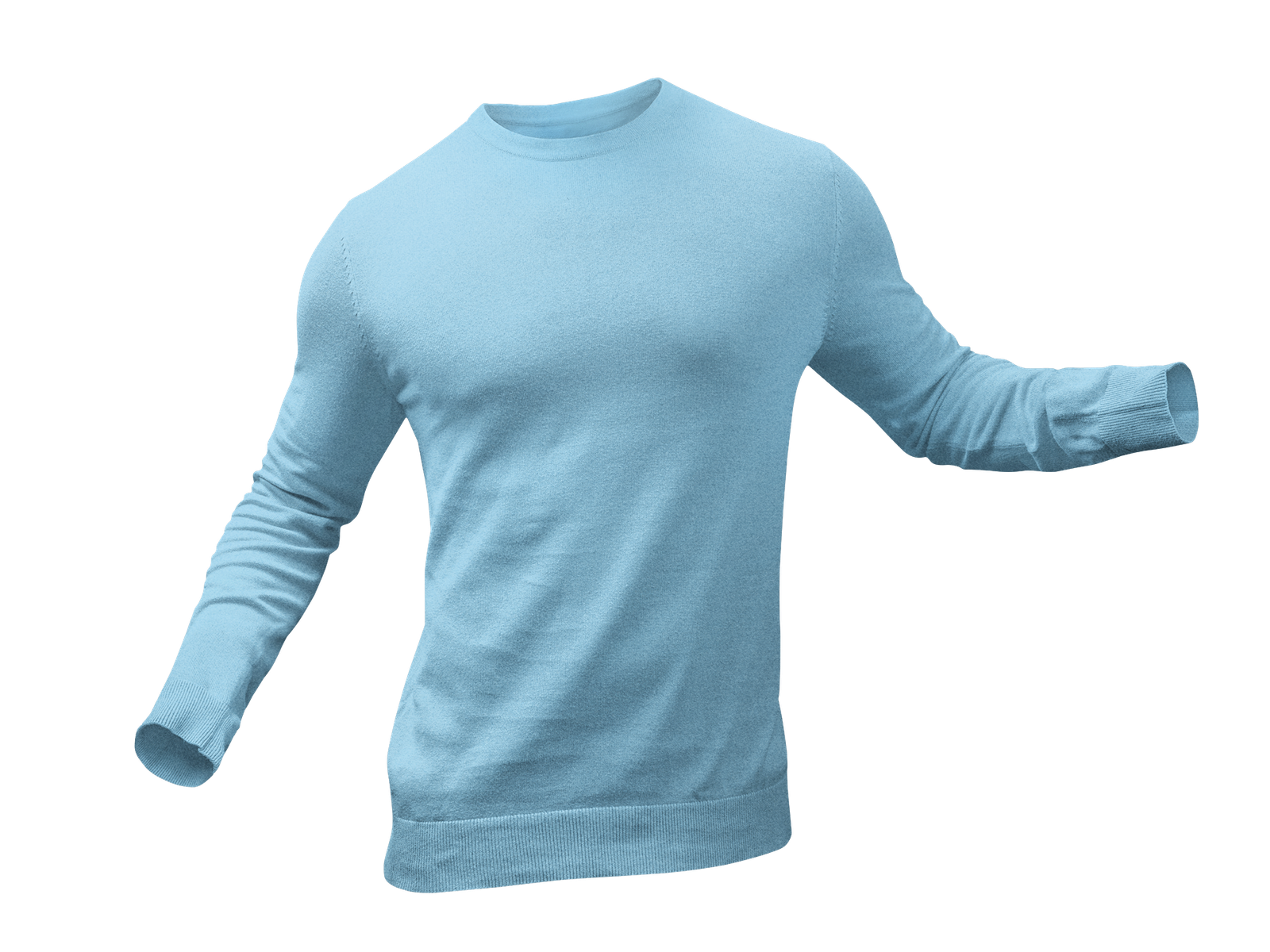
The inner surface can change how a hoodie feels more than an isolated GSM figure. Brushed fleece has fibres raised from the fabric surface, which can create a softer, loftier interior. French terry or loopback fabric often shows small loops on one side and may feel different against the skin.
These descriptions are general construction terms; a product may combine multiple materials or finishes. Compare the stated interior finish before deciding how the garment will fit a season. Do not infer the finish from the word premium or from a model wearing a hoodie in a snowy-looking background.
Care can also vary. Follow the garment label for wash temperature, drying and ironing rather than using the same instructions for all knit garments. Excessive heat may affect some fibres or printed areas, depending on their construction.
Decision tip: When discussing this point with a retailer, request the relevant specification in writing and compare it against a garment you already own. A style name alone is not enough to establish technical properties. Treat descriptive photographs as inspiration only and do not infer material certification, a guaranteed temperature rating, or a product’s current stock from an editorial example.
Pullover, zip hoodie and oversized cuts: GSM is not the fit

A pullover hoodie, zip hoodie and oversized hoodie describe garment design rather than a single fabric weight. Two styles may use the same fabric but feel different because of openings, hood construction, pocket placement and the amount of space around the body.
A roomy cut can accommodate an extra T-shirt or light middle layer, but that does not automatically make it warmer than a closer-fitting garment. A zip opening can make ventilation easier when you transition indoors. Confirm the actual design of a product instead of expecting all these features in one listing.
Compare body length, width, sleeve and shoulder measurements with a garment you already own. It is better to know how the pattern is intended to fit than to select a size based only on a marketing label like winter premium.
Decision tip: When discussing this point with a retailer, request the relevant specification in writing and compare it against a garment you already own. A style name alone is not enough to establish technical properties. Treat descriptive photographs as inspiration only and do not infer material certification, a guaranteed temperature rating, or a product’s current stock from an editorial example.
Hoodies and real Indian winter conditions

India’s winter varies dramatically. A mild afternoon in a coastal city might call for a T-shirt only, while an early-morning commute in Chandigarh, Delhi or other northern areas may justify more layers. Travel to higher elevations can require a more protective system altogether.
The relevant question is the expected temperature, wind, moisture and length of time outdoors. A thick-looking hoodie might feel fine on a short walk but provide inadequate wind or rain protection. Check a location-specific forecast close to your actual journey and adjust clothing accordingly.
A simple casual layering approach might include a base top and hoodie for milder conditions, with a suitable jacket added when necessary. In harsher weather, purpose-designed insulation and outerwear should take priority over fashionable appearance.
Decision tip: When discussing this point with a retailer, request the relevant specification in writing and compare it against a garment you already own. A style name alone is not enough to establish technical properties. Treat descriptive photographs as inspiration only and do not infer material certification, a guaranteed temperature rating, or a product’s current stock from an editorial example.
How to compare 280, 320 and 400 GSM without guessing
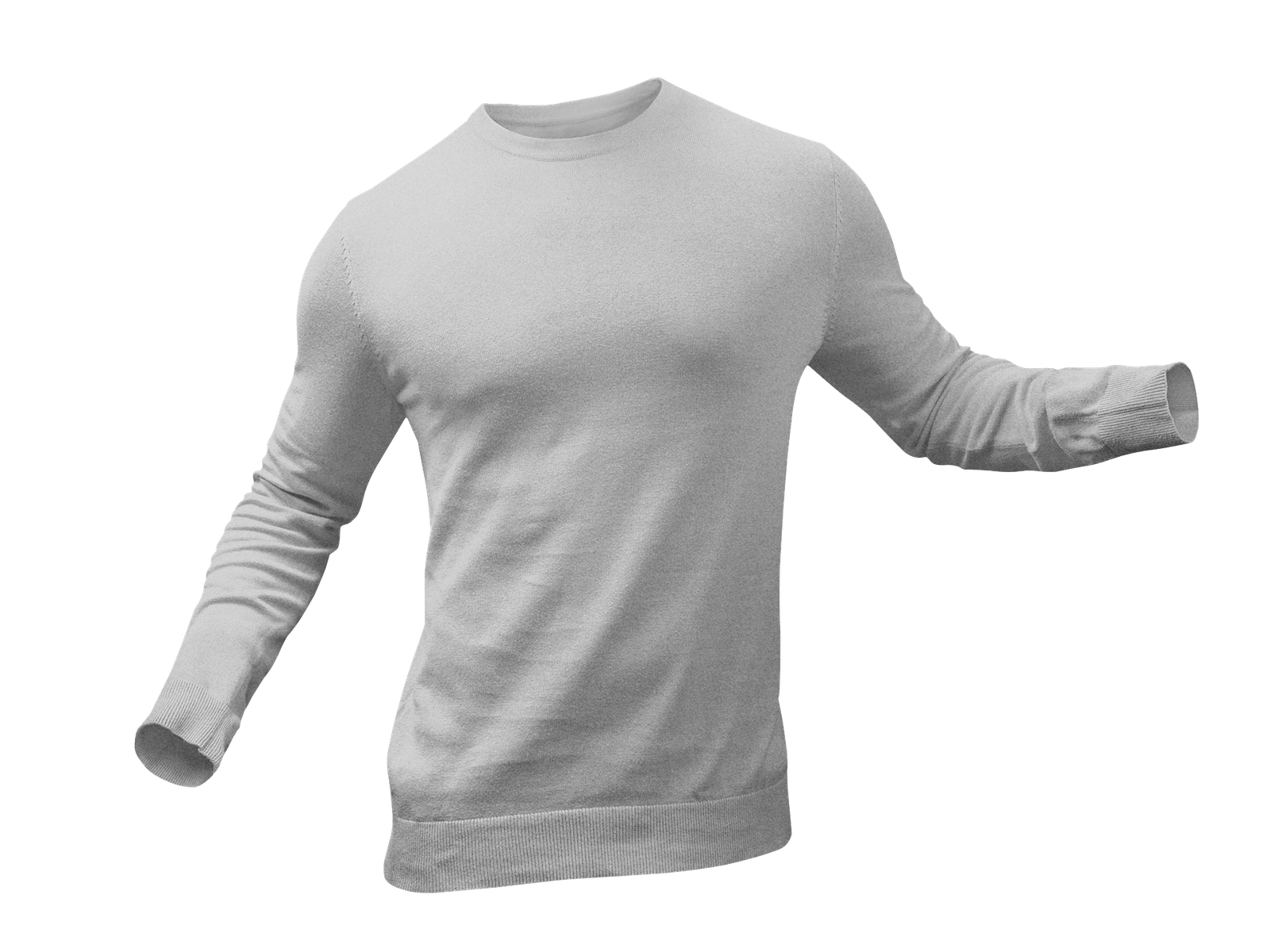
Compare actual Namakool hoodie listings
The specifications below are taken from the linked product descriptions. They are listing specifications, not independent laboratory measurements. GSM compares fabric mass per square metre; it does not establish a temperature rating.
| Product | Listed fabric | Listed GSM | Fit and buying consideration |
|---|---|---|---|
| Women’s white plain hoodie | 100% cotton | 320 GSM | Compare product measurements with your own hoodie; do not assume an oversized cut. |
| Women’s royal blue plain hoodie | 100% cotton | 320 GSM | A different colour at the same listed fabric weight; colour does not indicate warmth. |
| Men’s oversized white hoodie | 100% cotton | 400 GSM | Listed as oversized; compare body and sleeve measurements before selecting a size. |
What this comparison can tell you: the men’s example has a higher listed fabric mass per area. It does not prove that it is warmer, more breathable or better quality than the women’s examples. These are different cuts, not a controlled fabric test. The descriptions reviewed do not establish a brushed-fleece or loopback finish, so ask for confirmation if that matters to you.
Shop by listed fabric weight
View 320 GSM women’s white hoodie View 320 GSM women’s royal blue hoodie View 400 GSM men’s oversized hoodie
Check current sizes, prices and availability on each product page. Use the garment’s care label and confirm the inner finish before purchase. For outfit examples, explore T-shirt-under-hoodie layering and women’s winter streetwear.
If a seller supplies numbers such as 280, 320 or 400 GSM, treat them as weights of fabric samples, not as universal labels for comfort temperatures. Within nearly identical fibre and knit constructions, the higher number indicates more fabric mass for the same area.
A 400 GSM brushed fleece is not necessarily a better purchase than a 320 GSM fabric for someone who needs a less bulky daily commute layer. Likewise, a 280 GSM smooth fabric may feel different from a loopback knit. Ask about composition, finish, construction, care and cut alongside GSM.
Avoid purchasing solely because the number is largest. Consider whether you can wear the hoodie in more than one setting, whether it fits beneath outerwear and whether it will be practical to clean and dry at home.
Decision tip: When discussing this point with a retailer, request the relevant specification in writing and compare it against a garment you already own. A style name alone is not enough to establish technical properties. Treat descriptive photographs as inspiration only and do not infer material certification, a guaranteed temperature rating, or a product’s current stock from an editorial example.
Sizing, shrinkage and washing considerations

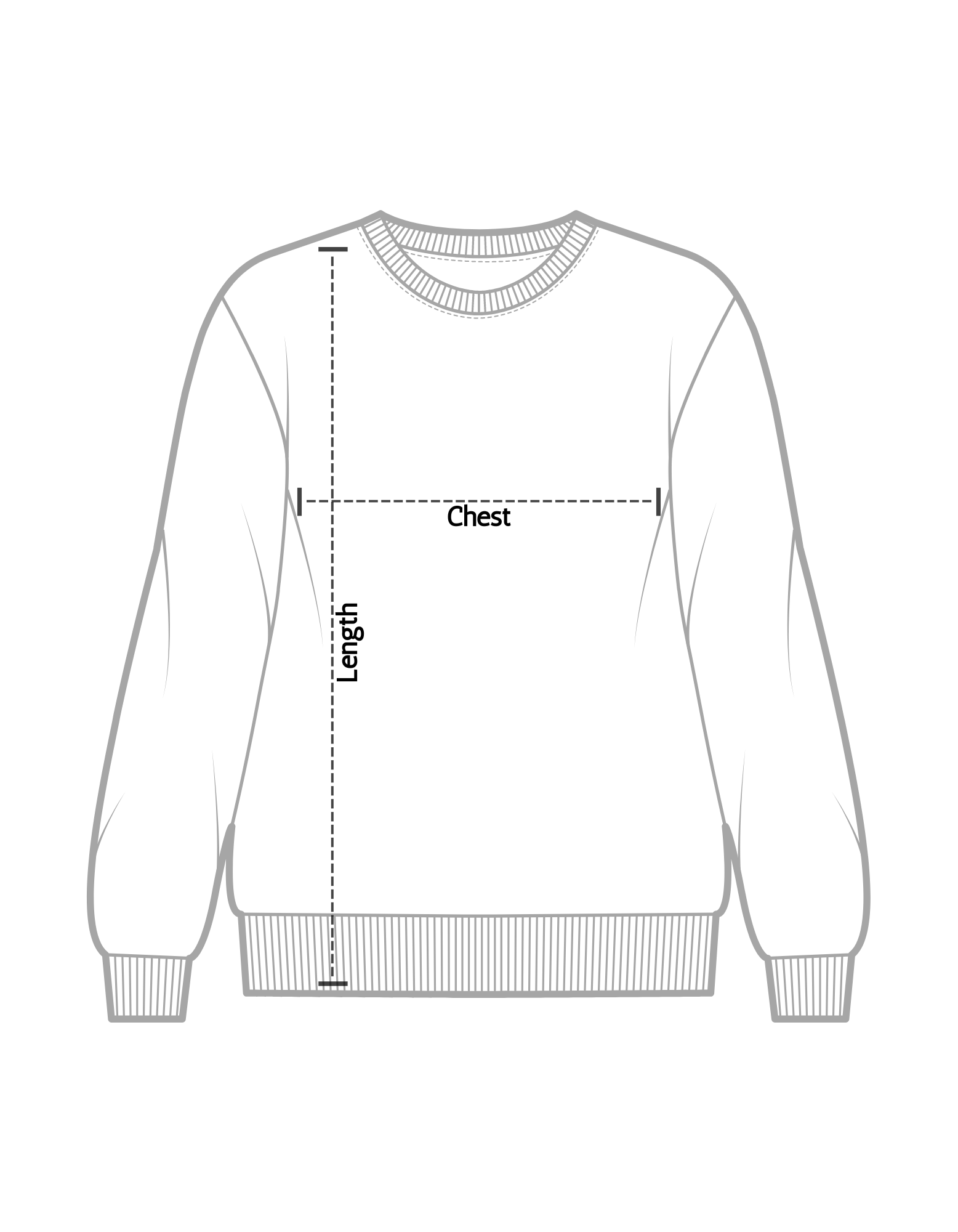
Fabric weight and garment size are separate specifications. A fabric with higher GSM does not tell you whether the garment runs wide, long or tight around the upper arms. Compare each product’s listed measurements with a hoodie you already like.
Shrinkage or other wash changes depend on fibre type, production processes and laundering, not just GSM. Do not make promises that cotton always shrinks a fixed percentage or polyester never changes shape. Follow the item’s care label and ask the seller about pre-shrinking if the information matters.
For a first purchase, check current stock, colour, size and any washing guidance. Product mock-ups and visual measurement diagrams can help with orientation but should not substitute for exact numbers on the product page.
Decision tip: When discussing this point with a retailer, request the relevant specification in writing and compare it against a garment you already own. A style name alone is not enough to establish technical properties. Treat descriptive photographs as inspiration only and do not infer material certification, a guaranteed temperature rating, or a product’s current stock from an editorial example.
Hoodie buying checklist: value beyond a high GSM number
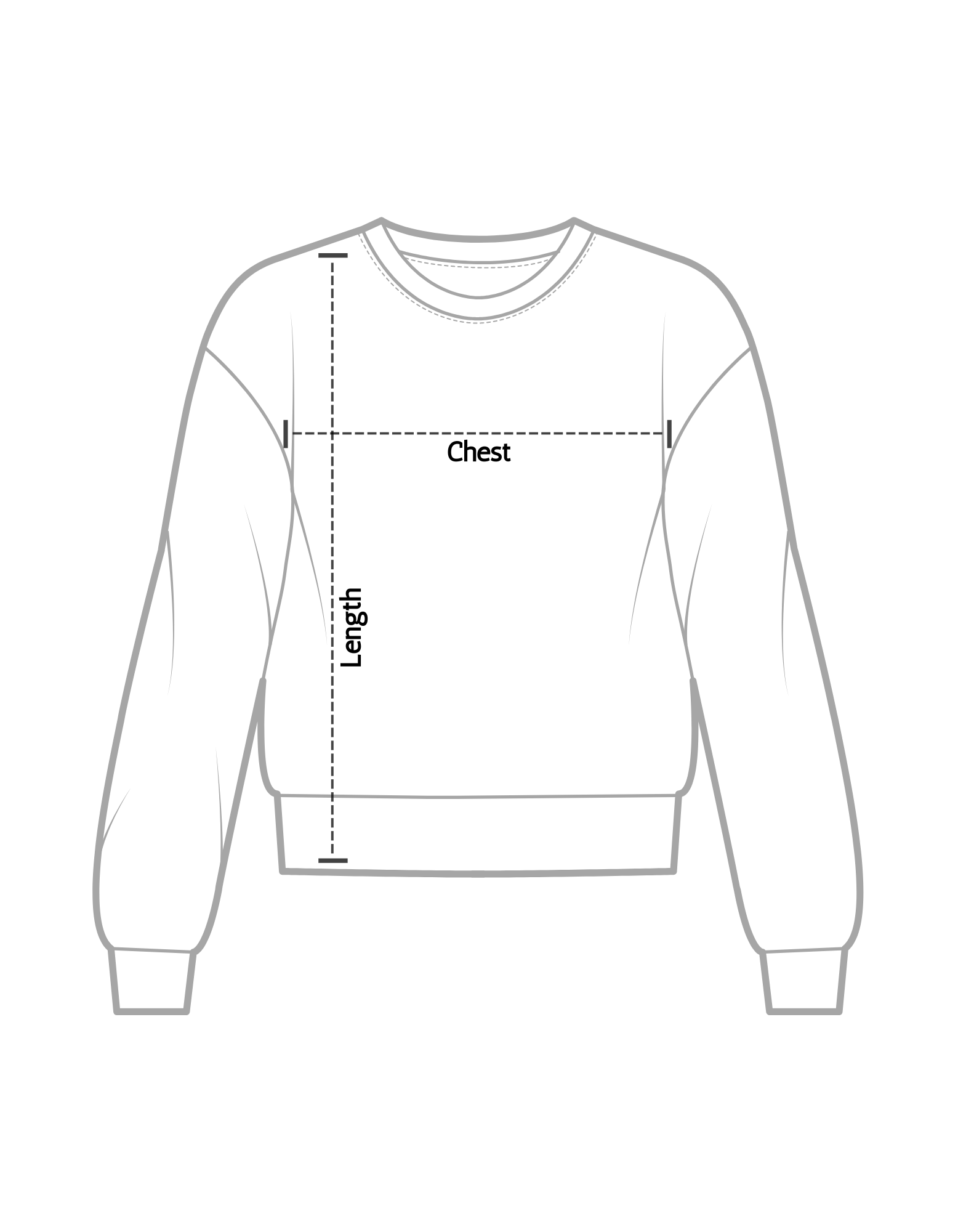
Before buying, write down how you will use the hoodie: travel, college, indoor casual wear, daily commuting or colder outdoor activity. Then look for the features relevant to that purpose. Composition, knit structure, inner finish, garment measurements and care all deserve attention.
Check pocket construction, zip versus pullover design, hood size and whether sleeve cuffs sit comfortably. If you will layer a T-shirt beneath the hoodie, ensure the armholes have enough space. If it must fit under a jacket, verify the shoulder and hood bulk.
Compare prices only for items that meet your needs; a heavy fabric that is impractical to wear or care for is not automatically better value. Read the current Namakool listing for actual fabric and inventory details instead of assuming every example in this article is available.
Decision tip: When discussing this point with a retailer, request the relevant specification in writing and compare it against a garment you already own. A style name alone is not enough to establish technical properties. Treat descriptive photographs as inspiration only and do not infer material certification, a guaranteed temperature rating, or a product’s current stock from an editorial example.
Hoodie GSM questions answered

Does 320 GSM mean a hoodie weighs 320 grams?
No. It means fabric mass per square metre. The whole hoodie can weigh more or less depending on pattern dimensions and components.
Is 400 GSM always warmer than 300 GSM?
Not necessarily. Under similar construction it may be more substantial, but fibre mix, surface finish, loft, wind and layering influence warmth.
What is French terry or loopback?
A knit construction with looped yarns on one side. It can feel different from a brushed fleece interior, even at a similar fabric weight.
Should I buy the highest GSM for a North Indian winter?
No universal number guarantees comfort. Use weather, activity, actual composition and protective outer layers as needed.
Is an oversized hoodie necessarily thicker?
No. Oversized describes shape and fit, not fabric weight.
What if a Namakool product page does not show GSM?
Do not guess from photos. Review the available fabric and sizing details and ask customer support if a specific measurement is important.
Can I use a hoodie as rain protection?
Only if the exact garment is designed and specified for it. Typical fashion hoodies should not be assumed waterproof.
Can GSM predict shrinkage?
No. Material, finishing and laundering are important; follow the care label.
Compare Namakool Winter Styles
Choose by size, fabric description and the conditions in which you will wear the item.
Further reading: T-shirt GSM guide, hoodie versus sweatshirt, men’s hoodie fit and styling, and winter streetwear outfit ideas. For independent information, see REI’s layering guide and a 2026 hoodie GSM explanation.
Related outfit ideas: See how to wear a T-shirt beneath a hoodie and women’s winter streetwear looks.