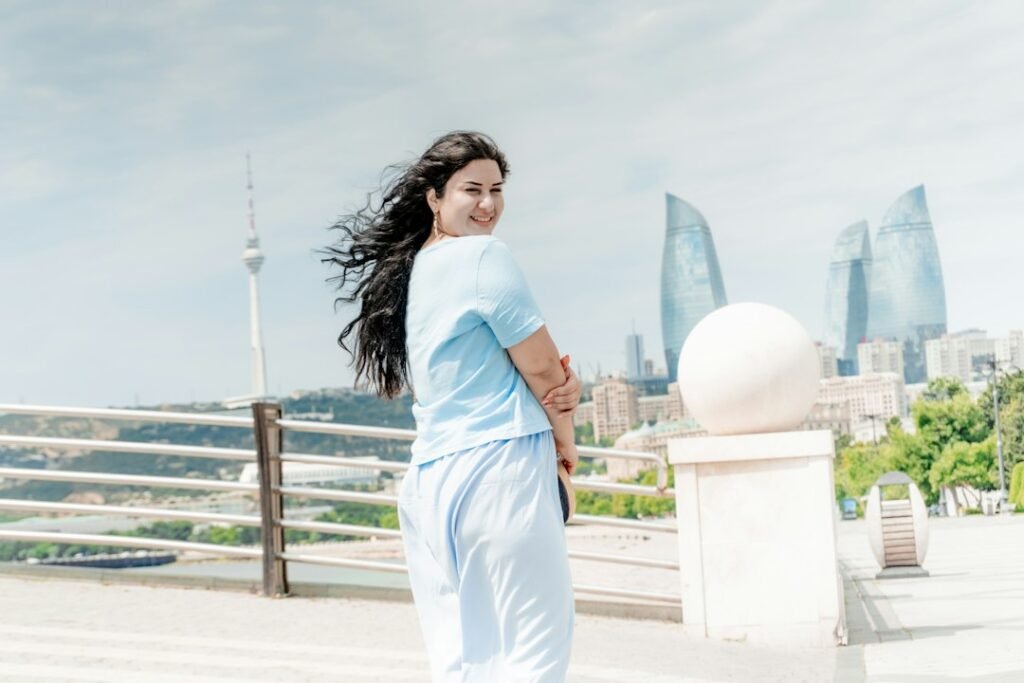
Namakool Fashion & Buying Guide · October 2026
dry fit vs cotton t shirt is the focus of this guide. Instead of giving generic promises about every garment in a category, the article explains fabric choice by activity and truthful product specifications rather than fabric marketing claims. You will find ten specific decisions or outfits with practical fit notes, colour combinations, layering checks and shopping considerations for India. Images are illustrative garment references, not proof that a complete matching outfit is in stock.
Quick answer: Choose the garment that suits your routine, verify its exact dimensions and material description, and first try it with clothing you already own. For layering, consider both the indoor outfit and any protective outer clothing needed for the real forecast. The best result is comfortable, repeatable and appropriate to the occasion.
1. What dry-fit actually means on a product label
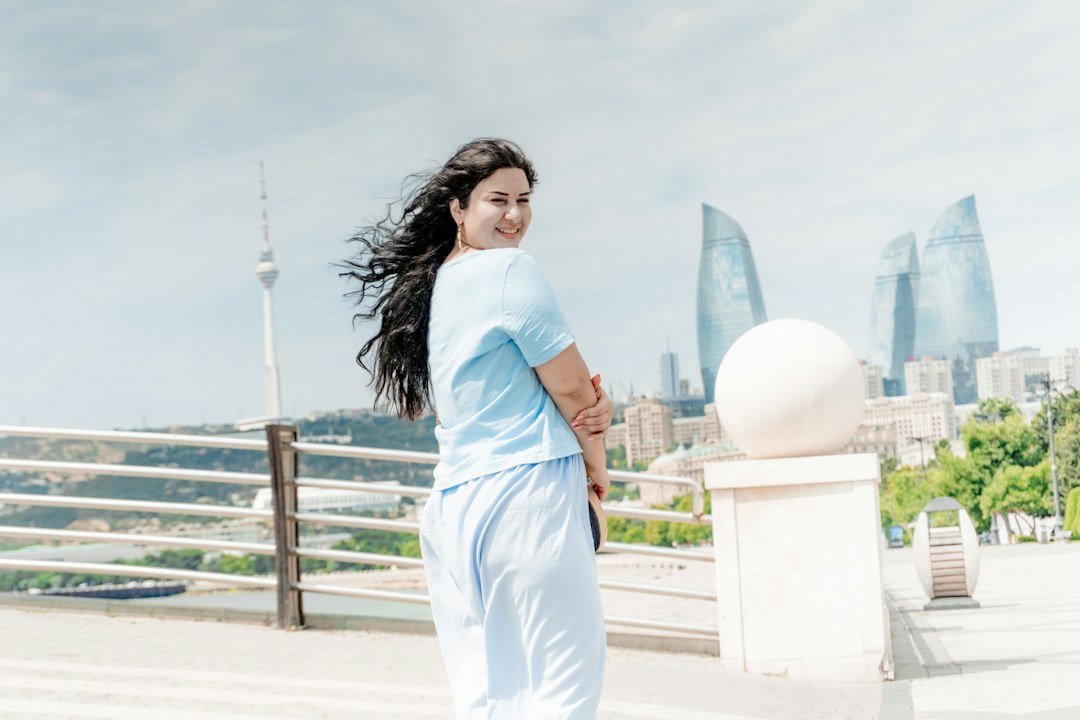
The essential idea: Dry-fit is a marketing and descriptive phrase, not one single fibre composition. Products may use polyester or blends, and the way a material manages moisture depends on construction and finishing. The decision becomes easier when you think about the full outfit instead of the individual product. Check both the look you want and the activity you are actually dressing for. A useful wardrobe makes it easy to repeat the core combination with another pair of trousers or a different removable layer.
Where it helps: Always read the exact fibre mix and any substantiated performance information. A label alone cannot prove rapid drying or sweat management for every garment. In real life, your plans may involve sitting, carrying a backpack, moving between rooms or getting home after dark. Those practical movements should guide your choice at least as much as the colour or silhouette in an image. The same outfit can behave differently after several hours of wear.
Common mistake to avoid: Do not assume that every synthetic tee is identical or that every product marketed as dry-fit has measured performance. Before buying, compare product information with garments you know fit. Do not treat the photo as technical proof of warmth, moisture performance or durability. Check a measured size guide if the chosen cut is deliberately loose or has unusual sleeves.
Alternative to try: Compare the actual fabric label, care instructions and available product specifications. Begin with pieces you already own and change one detail at a time. A simple adjustment to the base tee, trouser colour, hood shape or outer layer can create variety without unnecessary shopping. If your original choice is unsuitable for the climate or venue, adjust the practical requirement first.
Proportions and daily comfort: Keep the full outfit visible when judging the silhouette. A roomy top can change where the waistline appears, while the same trousers may look more structured with a closer-fitting top. Use measurements rather than only size letters. Check how the hem, waistband and shoes work together, especially if you will be walking or sitting for several hours. This makes it easier to judge whether the intended style actually works with your everyday footwear, activity and preferred fit.
Product and care check: Consider washing and repeated use. Prints, fleece-like surfaces, knitted fabrics and trims may call for different handling. Follow the garment label rather than guessing based on the category name. An easy-care piece that fits your routine can be more valuable than a visually striking purchase you rarely wear. Review the listing carefully before assuming a garment offers any particular technical benefit.
Easy styling rule: Use one alternate outfit formula before adding a new product to your cart. Replace blue jeans with dark chinos, trade a printed tee for plain clothing, or change a loose hoodie for a regular cut. The visual result can change without requiring a full new wardrobe, which makes the styling advice more sustainable as a habit. If you enjoy the result, save the combination as a repeatable outfit rather than treating it as a one-time photo look.
2. How cotton feels in ordinary daily wear
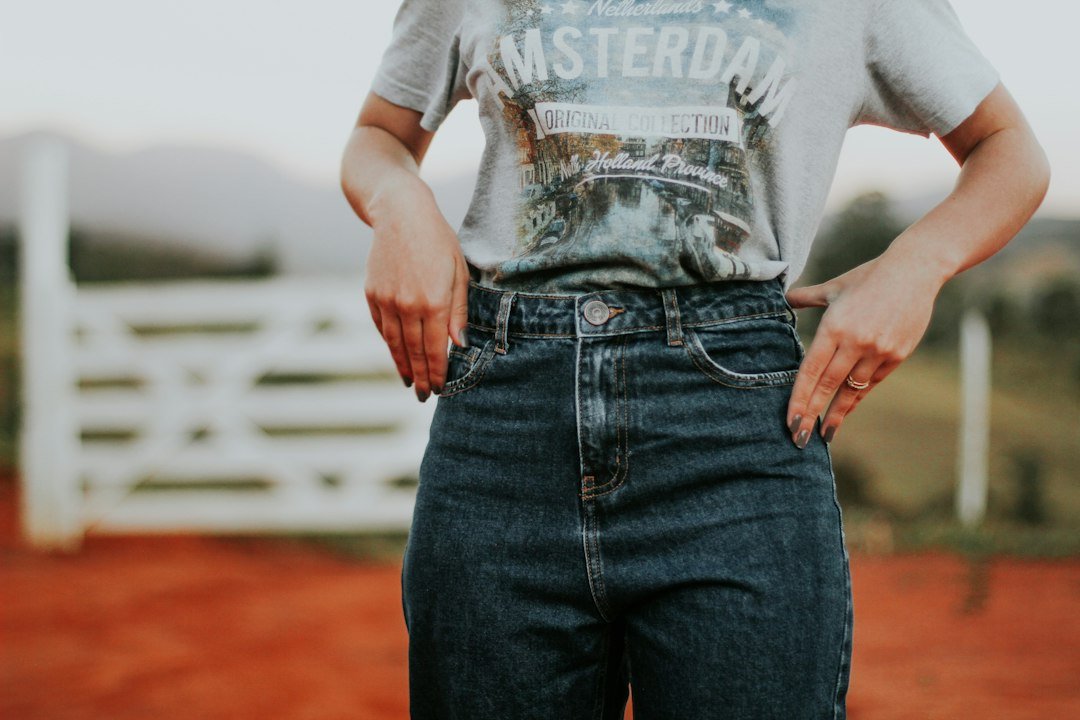
The essential idea: Cotton T-shirts are often chosen for their familiar hand feel, but comfort differs with weight, knit construction and climate. The word cotton does not settle questions of softness or thickness. The decision becomes easier when you think about the full outfit instead of the individual product. Check both the look you want and the activity you are actually dressing for. A useful wardrobe makes it easy to repeat the core combination with another pair of trousers or a different removable layer.
Where it helps: For casual errands, consider how the tee feels while seated, walking and under a bag strap. In real life, your plans may involve sitting, carrying a backpack, moving between rooms or getting home after dark. Those practical movements should guide your choice at least as much as the colour or silhouette in an image. The same outfit can behave differently after several hours of wear.
Common mistake to avoid: Cotton may retain moisture during heavy sweating, making some garments slow to feel dry in certain conditions. Before buying, compare product information with garments you know fit. Do not treat the photo as technical proof of warmth, moisture performance or durability. Check a measured size guide if the chosen cut is deliberately loose or has unusual sleeves.
Alternative to try: Choose a comfortable regular or relaxed fit according to your routine. Begin with pieces you already own and change one detail at a time. A simple adjustment to the base tee, trouser colour, hood shape or outer layer can create variety without unnecessary shopping. If your original choice is unsuitable for the climate or venue, adjust the practical requirement first.
Proportions and daily comfort: Think about the outfit in more than one setting. A combination that works for a photograph might feel inconvenient on public transport, in a classroom or while carrying a bag. Try the clothing during normal movement and decide whether the cuffs, pocket access and neckline remain comfortable. Small practical adjustments often matter more than buying new accessories. This makes it easier to judge whether the intended style actually works with your everyday footwear, activity and preferred fit.
Product and care check: Use the size guide for the particular product. Regular, loose and oversized are not uniform measurements across brands, and choosing a larger standard garment does not always reproduce an intentionally relaxed design. For pants, waist, rise, pocket placement and inseam affect the outfit as much as the top does. Review the listing carefully before assuming a garment offers any particular technical benefit.
Easy styling rule: Fabric weight is only one factor in feel and climate suitability. Construction, finishing, fibre blend and actual conditions all matter; GSM is not a guaranteed temperature rating. Do not rely on a casual fashion layer as technical protection for cold or rain unless the product has suitable verified specifications. If you enjoy the result, save the combination as a repeatable outfit rather than treating it as a one-time photo look.
3. Gym exercise and changing moisture levels

The essential idea: During a workout, the useful question is how fabric behaves as you sweat and move. A purpose-designed performance top may help manage moisture, but results depend on the specific fabric. The decision becomes easier when you think about the full outfit instead of the individual product. Check both the look you want and the activity you are actually dressing for. A useful wardrobe makes it easy to repeat the core combination with another pair of trousers or a different removable layer.
Where it helps: Check movement at the shoulders, chest and sleeves rather than relying on a loose size label. Test mobility for your actual activity. In real life, your plans may involve sitting, carrying a backpack, moving between rooms or getting home after dark. Those practical movements should guide your choice at least as much as the colour or silhouette in an image. The same outfit can behave differently after several hours of wear.
Common mistake to avoid: Neither cotton nor dry-fit guarantees breathability or rapid drying without more information. Before buying, compare product information with garments you know fit. Do not treat the photo as technical proof of warmth, moisture performance or durability. Check a measured size guide if the chosen cut is deliberately loose or has unusual sleeves.
Alternative to try: Keep a spare clean tee for a long training session or travel home if needed. Begin with pieces you already own and change one detail at a time. A simple adjustment to the base tee, trouser colour, hood shape or outer layer can create variety without unnecessary shopping. If your original choice is unsuitable for the climate or venue, adjust the practical requirement first.
Proportions and daily comfort: Build around a single point of visual interest. That might be the hoodie colour, the print on a tee, the shape of cargos or the contrast between the top and trousers. Keeping everything equally prominent is not always necessary. Two or three coordinated shades can produce a useful, repeatable wardrobe without requiring every item to match. This makes it easier to judge whether the intended style actually works with your everyday footwear, activity and preferred fit.
Product and care check: Check prices, colour options, stock and returns or exchange conditions on the live listing before buying, especially for a date-specific event. Photographs in a styling guide may be illustrative; not every shoe, trouser or accessory shown is necessarily sold by Namakool. Shop for the garment you have verified rather than an assumed complete set. Review the listing carefully before assuming a garment offers any particular technical benefit.
Easy styling rule: A balanced outfit does not need identical colours. Light and dark versions of the same shade, or one neutral with a stronger accent, often create enough distinction. If an item has prominent details, make the rest simpler. Personal preference and comfort should determine the result rather than a rule about how different body shapes must dress. If you enjoy the result, save the combination as a repeatable outfit rather than treating it as a one-time photo look.
4. Travel days in humid Indian weather

The essential idea: For a humid journey, consider ease of washing, drying time and how the tee feels over several hours. These practical questions may differ between garments even within the same fibre family. The decision becomes easier when you think about the full outfit instead of the individual product. Check both the look you want and the activity you are actually dressing for. A useful wardrobe makes it easy to repeat the core combination with another pair of trousers or a different removable layer.
Where it helps: An extra base tee can be more useful than choosing a colour only because it appears sporty. In real life, your plans may involve sitting, carrying a backpack, moving between rooms or getting home after dark. Those practical movements should guide your choice at least as much as the colour or silhouette in an image. The same outfit can behave differently after several hours of wear.
Common mistake to avoid: Technical-sounding terms do not replace product construction or user experience. Before buying, compare product information with garments you know fit. Do not treat the photo as technical proof of warmth, moisture performance or durability. Check a measured size guide if the chosen cut is deliberately loose or has unusual sleeves.
Alternative to try: Pair either tee with trousers that remain comfortable while seated. Begin with pieces you already own and change one detail at a time. A simple adjustment to the base tee, trouser colour, hood shape or outer layer can create variety without unnecessary shopping. If your original choice is unsuitable for the climate or venue, adjust the practical requirement first.
Proportions and daily comfort: Layering gives flexibility when temperatures change, but the garments must fit together. A thick hood may crowd the neckline of a coat, and two tight sleeves can restrict your arms. Try the complete set rather than assuming each item fits because it is comfortable alone. Use weather-appropriate protection when the actual forecast requires it. This makes it easier to judge whether the intended style actually works with your everyday footwear, activity and preferred fit.
Product and care check: Read the actual garment composition, measurements and care directions before ordering. A fashionable silhouette does not establish whether fabric is suitable for heavy sweating, cold weather or wind. Marketing descriptions and a model photograph cannot substitute for product specifications, particularly when the garment is intended for travel or regular active use. Review the listing carefully before assuming a garment offers any particular technical benefit.
Easy styling rule: Choose footwear for the route you will actually take. Clean casual shoes can work with jeans, chinos or cargos, but the fit should be appropriate for walking, stairs and transport. Pay attention to trouser hem length: the same bottom may look and feel different with bulkier shoes or a flat pair. If you enjoy the result, save the combination as a repeatable outfit rather than treating it as a one-time photo look.
5. Office-casual and college clothing
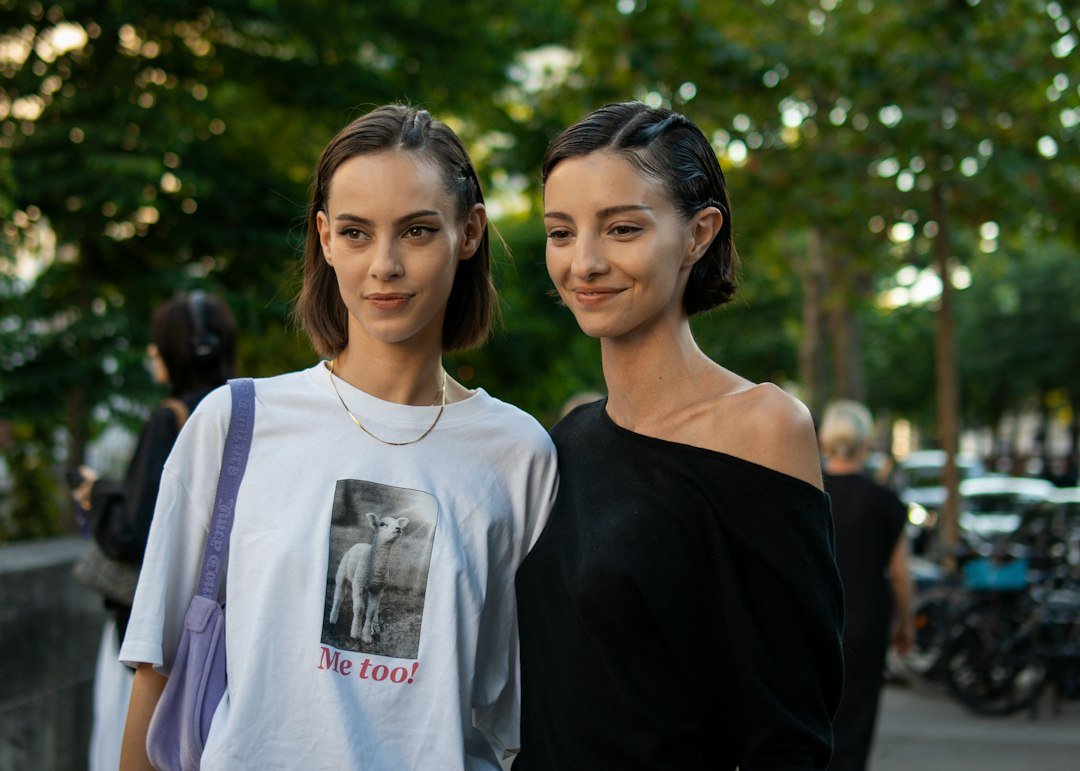
The essential idea: Many classrooms and informal workplaces favour plain tees or collared polos; the fabric choice is secondary to local dress rules and a tidy fit. The decision becomes easier when you think about the full outfit instead of the individual product. Check both the look you want and the activity you are actually dressing for. A useful wardrobe makes it easy to repeat the core combination with another pair of trousers or a different removable layer.
Where it helps: A plain neutral cotton tee may work in an informal setting, while a smooth performance tee may suit other routines. In real life, your plans may involve sitting, carrying a backpack, moving between rooms or getting home after dark. Those practical movements should guide your choice at least as much as the colour or silhouette in an image. The same outfit can behave differently after several hours of wear.
Common mistake to avoid: Do not assume every technical fabric appearance is appropriate for a particular workplace. Before buying, compare product information with garments you know fit. Do not treat the photo as technical proof of warmth, moisture performance or durability. Check a measured size guide if the chosen cut is deliberately loose or has unusual sleeves.
Alternative to try: When a polo is required, choose a polo instead of relying on the fibre label of a round-neck T-shirt. Begin with pieces you already own and change one detail at a time. A simple adjustment to the base tee, trouser colour, hood shape or outer layer can create variety without unnecessary shopping. If your original choice is unsuitable for the climate or venue, adjust the practical requirement first.
Proportions and daily comfort: Practical style starts with clothes you genuinely enjoy wearing. A new top may create a different impression when you change only the bottom or outer layer. Ask whether the item works with at least two garments you own, and whether you can care for it using your normal routine. Repeatability matters more than a single perfect outfit photograph. This makes it easier to judge whether the intended style actually works with your everyday footwear, activity and preferred fit.
Product and care check: Some clothes appear very different in studio lighting compared with outdoor daylight. Use the shade stated on the product page and compare multiple photographs when available. Think about whether you already own trousers in the right colour family. You can often recreate a similar contrast without finding the exact item shown in an editorial image. Review the listing carefully before assuming a garment offers any particular technical benefit.
Easy styling rule: An indoor outfit should be useful on its own. When the jacket comes off, the base tee or top needs to feel comfortable and fit the occasion. Think through the full day instead of only the first minutes outside. That simple test can stop you buying extra layers that work poorly together. If you enjoy the result, save the combination as a repeatable outfit rather than treating it as a one-time photo look.
6. Fabric weight, knit and opacity
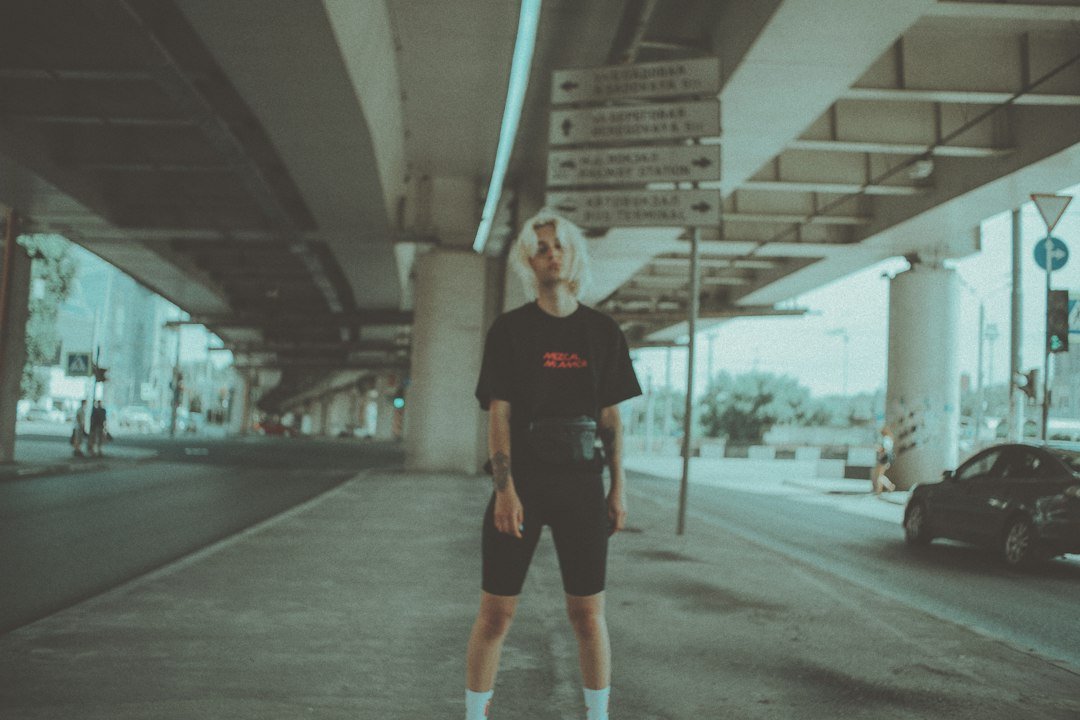
The essential idea: A lightweight tee and a heavyweight tee can both be made with cotton or synthetic fibres. GSM states fabric mass per area, not a universal comfort rating. The decision becomes easier when you think about the full outfit instead of the individual product. Check both the look you want and the activity you are actually dressing for. A useful wardrobe makes it easy to repeat the core combination with another pair of trousers or a different removable layer.
Where it helps: Compare opacity, surface feel, thickness and drape in the garment you are actually considering. In real life, your plans may involve sitting, carrying a backpack, moving between rooms or getting home after dark. Those practical movements should guide your choice at least as much as the colour or silhouette in an image. The same outfit can behave differently after several hours of wear.
Common mistake to avoid: Avoid promises that a higher GSM always means better quality or cooler wear. Before buying, compare product information with garments you know fit. Do not treat the photo as technical proof of warmth, moisture performance or durability. Check a measured size guide if the chosen cut is deliberately loose or has unusual sleeves.
Alternative to try: Use fabric descriptions and photographs together, not either one alone. Begin with pieces you already own and change one detail at a time. A simple adjustment to the base tee, trouser colour, hood shape or outer layer can create variety without unnecessary shopping. If your original choice is unsuitable for the climate or venue, adjust the practical requirement first.
Proportions and daily comfort: Keep the full outfit visible when judging the silhouette. A roomy top can change where the waistline appears, while the same trousers may look more structured with a closer-fitting top. Use measurements rather than only size letters. Check how the hem, waistband and shoes work together, especially if you will be walking or sitting for several hours. This makes it easier to judge whether the intended style actually works with your everyday footwear, activity and preferred fit.
Product and care check: Consider washing and repeated use. Prints, fleece-like surfaces, knitted fabrics and trims may call for different handling. Follow the garment label rather than guessing based on the category name. An easy-care piece that fits your routine can be more valuable than a visually striking purchase you rarely wear. Review the listing carefully before assuming a garment offers any particular technical benefit.
Easy styling rule: Use one alternate outfit formula before adding a new product to your cart. Replace blue jeans with dark chinos, trade a printed tee for plain clothing, or change a loose hoodie for a regular cut. The visual result can change without requiring a full new wardrobe, which makes the styling advice more sustainable as a habit. If you enjoy the result, save the combination as a repeatable outfit rather than treating it as a one-time photo look.
7. Odour, washing and everyday maintenance

The essential idea: Different garments can develop odour or stains with wear, but laundering behaviour depends on fibre, finish, activity and care methods. Follow the label and avoid blanket claims about entire categories. The decision becomes easier when you think about the full outfit instead of the individual product. Check both the look you want and the activity you are actually dressing for. A useful wardrobe makes it easy to repeat the core combination with another pair of trousers or a different removable layer.
Where it helps: If you wear a tee frequently, choose one you can clean and dry using your normal facilities. In real life, your plans may involve sitting, carrying a backpack, moving between rooms or getting home after dark. Those practical movements should guide your choice at least as much as the colour or silhouette in an image. The same outfit can behave differently after several hours of wear.
Common mistake to avoid: Do not apply high heat or chemical treatments without checking the garment instructions. Before buying, compare product information with garments you know fit. Do not treat the photo as technical proof of warmth, moisture performance or durability. Check a measured size guide if the chosen cut is deliberately loose or has unusual sleeves.
Alternative to try: Buying fewer easy-care T-shirts can be more practical than buying many specialised variants. Begin with pieces you already own and change one detail at a time. A simple adjustment to the base tee, trouser colour, hood shape or outer layer can create variety without unnecessary shopping. If your original choice is unsuitable for the climate or venue, adjust the practical requirement first.
Proportions and daily comfort: Think about the outfit in more than one setting. A combination that works for a photograph might feel inconvenient on public transport, in a classroom or while carrying a bag. Try the clothing during normal movement and decide whether the cuffs, pocket access and neckline remain comfortable. Small practical adjustments often matter more than buying new accessories. This makes it easier to judge whether the intended style actually works with your everyday footwear, activity and preferred fit.
Product and care check: Use the size guide for the particular product. Regular, loose and oversized are not uniform measurements across brands, and choosing a larger standard garment does not always reproduce an intentionally relaxed design. For pants, waist, rise, pocket placement and inseam affect the outfit as much as the top does. Review the listing carefully before assuming a garment offers any particular technical benefit.
Easy styling rule: Fabric weight is only one factor in feel and climate suitability. Construction, finishing, fibre blend and actual conditions all matter; GSM is not a guaranteed temperature rating. Do not rely on a casual fashion layer as technical protection for cold or rain unless the product has suitable verified specifications. If you enjoy the result, save the combination as a repeatable outfit rather than treating it as a one-time photo look.
8. Prints, embroidery and customisation
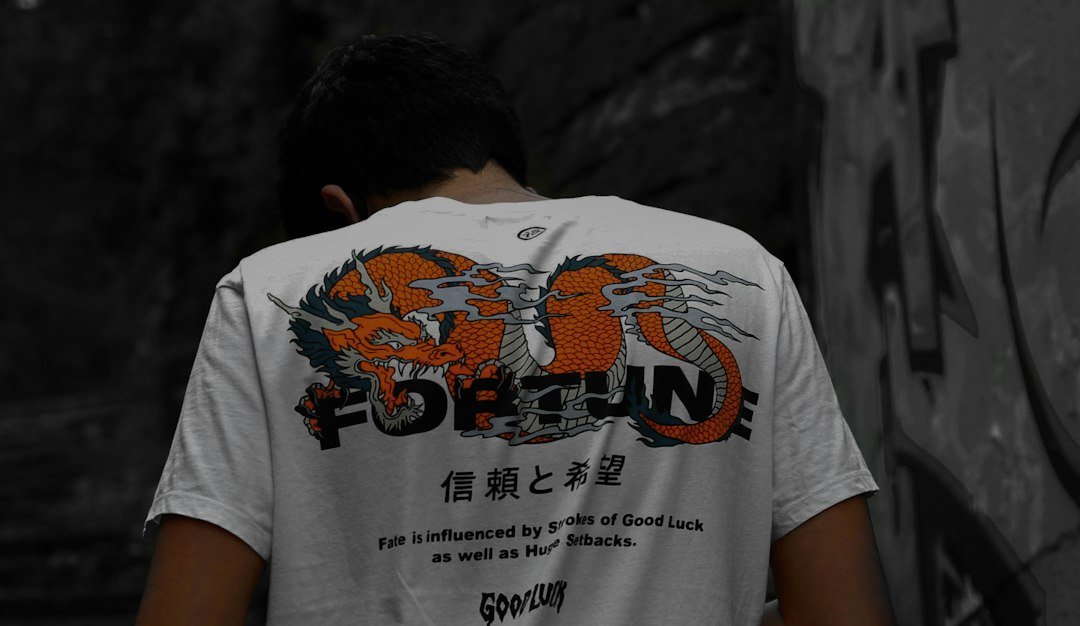
The essential idea: Printed and embroidered T-shirts need appropriate care. The compatibility of a decoration with a particular fabric or finish is a technical production question, not something the customer can infer from a photograph. The decision becomes easier when you think about the full outfit instead of the individual product. Check both the look you want and the activity you are actually dressing for. A useful wardrobe makes it easy to repeat the core combination with another pair of trousers or a different removable layer.
Where it helps: If ordering branded uniforms or custom garments, ask for material and printing specifications and a sample when appropriate. In real life, your plans may involve sitting, carrying a backpack, moving between rooms or getting home after dark. Those practical movements should guide your choice at least as much as the colour or silhouette in an image. The same outfit can behave differently after several hours of wear.
Common mistake to avoid: Not every decoration method or design works equally on every fabric. Before buying, compare product information with garments you know fit. Do not treat the photo as technical proof of warmth, moisture performance or durability. Check a measured size guide if the chosen cut is deliberately loose or has unusual sleeves.
Alternative to try: Keep the intended care routine in mind when choosing a custom design. Begin with pieces you already own and change one detail at a time. A simple adjustment to the base tee, trouser colour, hood shape or outer layer can create variety without unnecessary shopping. If your original choice is unsuitable for the climate or venue, adjust the practical requirement first.
Proportions and daily comfort: Build around a single point of visual interest. That might be the hoodie colour, the print on a tee, the shape of cargos or the contrast between the top and trousers. Keeping everything equally prominent is not always necessary. Two or three coordinated shades can produce a useful, repeatable wardrobe without requiring every item to match. This makes it easier to judge whether the intended style actually works with your everyday footwear, activity and preferred fit.
Product and care check: Check prices, colour options, stock and returns or exchange conditions on the live listing before buying, especially for a date-specific event. Photographs in a styling guide may be illustrative; not every shoe, trouser or accessory shown is necessarily sold by Namakool. Shop for the garment you have verified rather than an assumed complete set. Review the listing carefully before assuming a garment offers any particular technical benefit.
Easy styling rule: A balanced outfit does not need identical colours. Light and dark versions of the same shade, or one neutral with a stronger accent, often create enough distinction. If an item has prominent details, make the rest simpler. Personal preference and comfort should determine the result rather than a rule about how different body shapes must dress. If you enjoy the result, save the combination as a repeatable outfit rather than treating it as a one-time photo look.
9. Choosing the correct size for movement

The essential idea: A regular-fit tee and an oversized tee can feel very different during running, training or casual wear. Compare chest, shoulder, arm opening and body length with clothes you know. The decision becomes easier when you think about the full outfit instead of the individual product. Check both the look you want and the activity you are actually dressing for. A useful wardrobe makes it easy to repeat the core combination with another pair of trousers or a different removable layer.
Where it helps: During exercise, ensure hems and sleeves do not interfere with movement or equipment. In real life, your plans may involve sitting, carrying a backpack, moving between rooms or getting home after dark. Those practical movements should guide your choice at least as much as the colour or silhouette in an image. The same outfit can behave differently after several hours of wear.
Common mistake to avoid: An oversized streetwear garment should not be marketed as purpose-made sportswear without appropriate evidence. Before buying, compare product information with garments you know fit. Do not treat the photo as technical proof of warmth, moisture performance or durability. Check a measured size guide if the chosen cut is deliberately loose or has unusual sleeves.
Alternative to try: Try the fit most appropriate to your activity and preferences. Begin with pieces you already own and change one detail at a time. A simple adjustment to the base tee, trouser colour, hood shape or outer layer can create variety without unnecessary shopping. If your original choice is unsuitable for the climate or venue, adjust the practical requirement first.
Proportions and daily comfort: Layering gives flexibility when temperatures change, but the garments must fit together. A thick hood may crowd the neckline of a coat, and two tight sleeves can restrict your arms. Try the complete set rather than assuming each item fits because it is comfortable alone. Use weather-appropriate protection when the actual forecast requires it. This makes it easier to judge whether the intended style actually works with your everyday footwear, activity and preferred fit.
Product and care check: Read the actual garment composition, measurements and care directions before ordering. A fashionable silhouette does not establish whether fabric is suitable for heavy sweating, cold weather or wind. Marketing descriptions and a model photograph cannot substitute for product specifications, particularly when the garment is intended for travel or regular active use. Review the listing carefully before assuming a garment offers any particular technical benefit.
Easy styling rule: Choose footwear for the route you will actually take. Clean casual shoes can work with jeans, chinos or cargos, but the fit should be appropriate for walking, stairs and transport. Pay attention to trouser hem length: the same bottom may look and feel different with bulkier shoes or a flat pair. If you enjoy the result, save the combination as a repeatable outfit rather than treating it as a one-time photo look.
10. Which one should you buy? A decision matrix

The essential idea: For low-intensity daily wear, choose primarily by comfort, fit, care and preference. For sweat-intensive activity, compare documented fabric performance and comfort. For travel, consider drying and packing needs. The decision becomes easier when you think about the full outfit instead of the individual product. Check both the look you want and the activity you are actually dressing for. A useful wardrobe makes it easy to repeat the core combination with another pair of trousers or a different removable layer.
Where it helps: If you only need a casual tee for weekends, do not pay extra solely for a marketing term. In real life, your plans may involve sitting, carrying a backpack, moving between rooms or getting home after dark. Those practical movements should guide your choice at least as much as the colour or silhouette in an image. The same outfit can behave differently after several hours of wear.
Common mistake to avoid: Performance varies by product; this article cannot certify every item sold under a category. Before buying, compare product information with garments you know fit. Do not treat the photo as technical proof of warmth, moisture performance or durability. Check a measured size guide if the chosen cut is deliberately loose or has unusual sleeves.
Alternative to try: Check live specifications and buy what serves your actual routine. Begin with pieces you already own and change one detail at a time. A simple adjustment to the base tee, trouser colour, hood shape or outer layer can create variety without unnecessary shopping. If your original choice is unsuitable for the climate or venue, adjust the practical requirement first.
Proportions and daily comfort: Practical style starts with clothes you genuinely enjoy wearing. A new top may create a different impression when you change only the bottom or outer layer. Ask whether the item works with at least two garments you own, and whether you can care for it using your normal routine. Repeatability matters more than a single perfect outfit photograph. This makes it easier to judge whether the intended style actually works with your everyday footwear, activity and preferred fit.
Product and care check: Some clothes appear very different in studio lighting compared with outdoor daylight. Use the shade stated on the product page and compare multiple photographs when available. Think about whether you already own trousers in the right colour family. You can often recreate a similar contrast without finding the exact item shown in an editorial image. Review the listing carefully before assuming a garment offers any particular technical benefit.
Easy styling rule: An indoor outfit should be useful on its own. When the jacket comes off, the base tee or top needs to feel comfortable and fit the occasion. Think through the full day instead of only the first minutes outside. That simple test can stop you buying extra layers that work poorly together. If you enjoy the result, save the combination as a repeatable outfit rather than treating it as a one-time photo look.
How to shop for dry fit vs cotton t shirt without fit mistakes
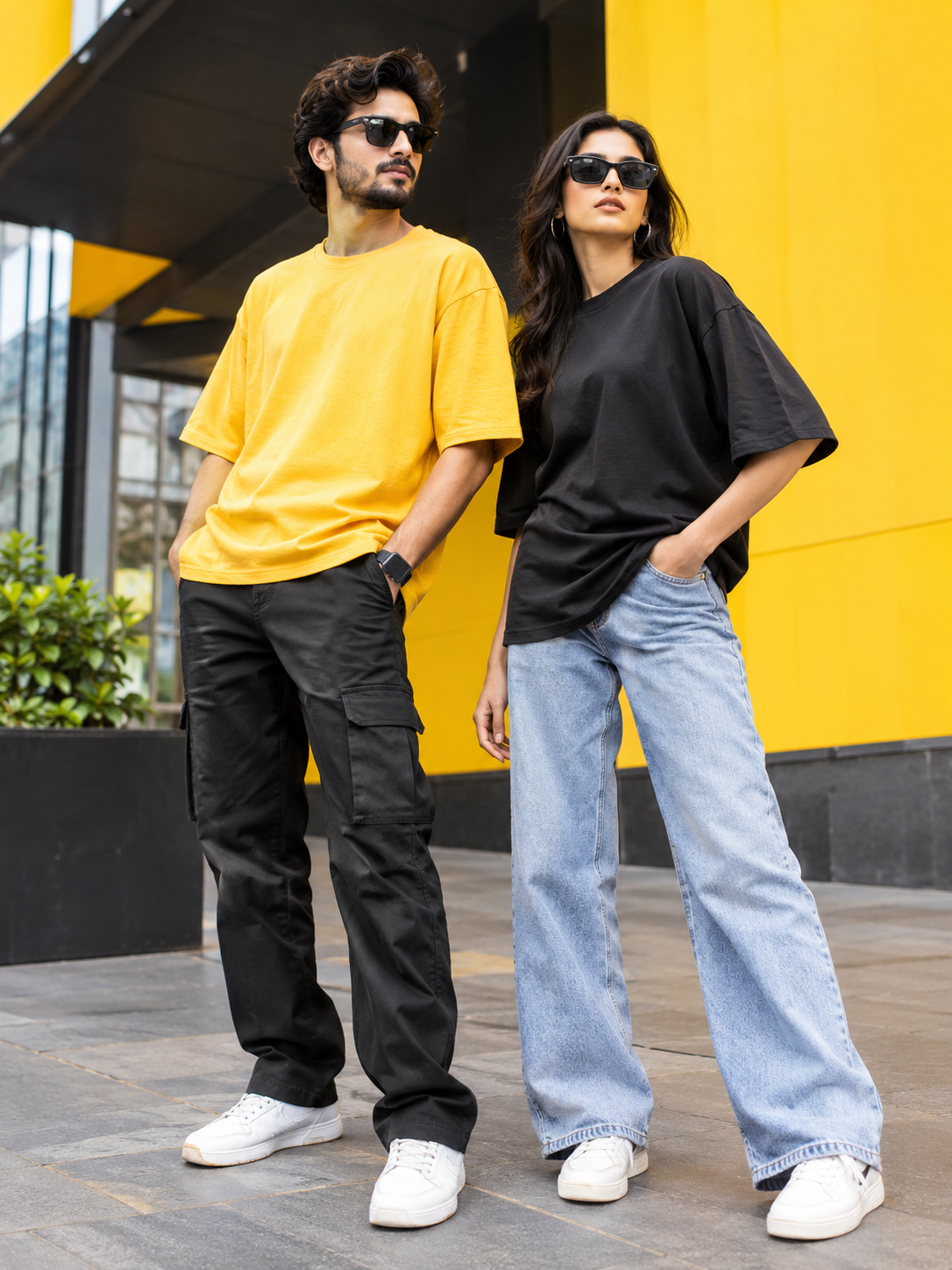
Start with wardrobe context. Identify the garments you wear most often and the occasions they serve. If you are choosing a hoodie, the decision may be about whether it should open quickly or provide a continuous front. If you are choosing a T-shirt, the decision may be about sleeve length, fabric composition, or the way a print behaves under a jacket. When the purpose is clear, you can ignore unrelated trends and focus on a garment that is genuinely useful.
Measure rather than guess. Use a well-fitting top to check chest width, shoulders, sleeve length and overall length against the listed size chart. A deliberately oversized pattern may have different proportions from a larger regular-fit garment. If choosing cargos or jeans, check rise, inseam, waist and how the hem sits with your footwear. An outfit that looks balanced while standing can feel uncomfortable in a chair, car or classroom if the measurements are wrong.
Consider fabric and climate honestly. Product photographs are not technical test reports. A heavier-looking garment may not provide the warmth or weather protection you expect, and a fabric name alone does not prove how it will manage moisture. Fibre type, fabric structure, lining, fit, finish, wind and humidity all influence comfort. Check available product information, especially when shopping for exercise, travel or an Indian winter trip where conditions can vary significantly.
Think about care and repeat wear. Read each garment’s washing directions, including any notes about prints, trims or fasteners. Match the clothing to your laundry routine, rather than assuming that a popular colour or finish is automatically easy to maintain. Decide whether the new top could work with two bottoms you already own. A practical garment often creates several useful looks and avoids the expense of purchasing complete new outfits for each occasion.
Check before checkout. Confirm actual stock, colours, sizes, price, delivery timing and relevant returns or exchanges terms. Images in this article may show one garment from a larger outfit or a product reference that does not exactly match the text. Use the product listing as the authority for the item’s features. Styling should help you shop more thoughtfully, not blur the difference between inspiration and a specific product specification.
FAQs about dry fit vs cotton t shirt
How do I find the best size?
Measure a similar garment you already own and compare chest, shoulders, sleeves and length with the exact product’s size chart.
Do these outfits require all new clothes?
No. Begin with tops and bottoms you already wear. Change one layer or colour to create additional combinations before purchasing.
Are the images complete outfits sold by Namakool?
Not necessarily. Photos illustrate garments and colour ideas. Product availability, materials and sizes are defined by the live listing.
Is a thick-looking hoodie enough for winter?
Not automatically. Choose insulation and weather protection based on actual local conditions and product specifications.
Are fashion trends the same as buying advice?
No. A trend can inspire a look, but fit, comfort, fabric, care, stock and occasion should guide purchases.
What is the easiest way to coordinate colours?
Choose one main colour and use two supporting neutral shades. Existing trousers and shoes are useful starting points.
Which T-shirt fabric should I buy?
Consider the specific fabric composition, your activity, the feel you prefer and the product’s documented care or performance details.
Can I repeat these looks for college or work?
Often, but use your institution’s or workplace’s actual dress expectations and plan layers for the weather.
Related shopping and learning: Explore Namakool wardrobe basics, more casual tops and a related outfit guide. For independent context, read this layering or fashion industry reference. The inspiration here does not certify a specific garment’s performance or availability.