Namakool India fashion and apparel guide · October 2026
V neck vs round neck T shirt men is the focus of this guide. Rather than presenting a generic list of trends, the sections explain a practical comparison of two familiar T-shirt necklines with distinct buying decisions, real-world styling examples and practical checks that can be applied in India. Exact product pricing, materials and sizes should be verified on current listings; images illustrate styles and garments rather than certifying complete outfits or manufacturing results.
Quick answer: Consider fit, the activity you are dressing for, fabric construction, repeat wear and the pieces already in your wardrobe. For customised clothing, evaluate the artwork, garment and sample together. For size questions, use the specific retailer’s measuring conventions. These steps are usually more reliable than choosing only by a photograph, an unverified performance claim or a trend label.
1. What changes between a V-neck and a round neck
What matters: A round-neck tee has a continuous curved opening, while a V-neck forms a point at the front. Both can be plain, printed, slim or relaxed; the neckline does not determine the fabric or body fit. The difference is most noticeable near the face and collarbone, particularly when an overshirt is open.
A practical example: Compare both necklines in the same colour, fabric weight and cut if possible. That isolates the neckline rather than the other features of the T-shirt. Think about the specific garment or occasion involved rather than applying the idea to every product with the same label. A suitable choice will make sense during real movement, repeat wear and the normal care process, not just as a styled photograph.
What to avoid: Avoid assuming one neckline is universally smarter or better for a particular body shape. The product listing or supplier’s documented specifications should resolve any uncertainty that affects your purchase, especially when choosing a new fit or production method.
Fit, shopping and wardrobe context: Before making a purchase, compare the relevant garment measurements with a piece you already own. Size names and photographs cannot confirm the way an item will feel while sitting, walking or layering. A practical outfit needs to suit the actual setting, including your commute, activities and any dress expectations. If there is a choice between recreating a photograph exactly and choosing a more comfortable combination, prioritize the one you can rewear regularly. This matters for a practical comparison of two familiar T-shirt necklines because the best decision can change when you compare an actual T-shirt, trouser, hoodie or customisation sample against the image that inspired the idea.
2. Choosing a neckline depth you will actually wear
What matters: Not every V-neck is equally deep. A shallow V can look close to a standard round neck, while a deeper cut exposes more of the upper chest. Select the style that feels comfortable and matches your preferred coverage. Round-necks also vary in width and collar height, so use actual product pictures.
A practical example: When browsing online, look at front views and the stated neckline rather than treating the word V-neck as a precise measurement. Think about the specific garment or occasion involved rather than applying the idea to every product with the same label. A suitable choice will make sense during real movement, repeat wear and the normal care process, not just as a styled photograph.
What to avoid: A model photograph does not guarantee where the collar will fall on you. The product listing or supplier’s documented specifications should resolve any uncertainty that affects your purchase, especially when choosing a new fit or production method.
Fit, shopping and wardrobe context: Consider the whole item, not just the visible colour or headline price. Read material composition, finishing details, care instructions and the available size chart. A garment may look substantial in a photo but its weather suitability depends on construction and conditions. For a special event or bulk purchase, checking delivery and returns or approval procedures is more useful than relying on a promise implied by a styling image. This matters for a practical comparison of two familiar T-shirt necklines because the best decision can change when you compare an actual T-shirt, trouser, hoodie or customisation sample against the image that inspired the idea.
3. Round neck as an everyday wardrobe basic
What matters: A plain round-neck tee is familiar because the continuous collar works beneath many hoodies, bomber jackets and casual overshirts. It can be a useful base when the layer on top provides the detail. However, construction matters: a stretched-out collar or poor size choice can make the outfit feel untidy.
A practical example: Try white, navy or black with jeans you already own and assess the tee with the outer layer open and closed. Think about the specific garment or occasion involved rather than applying the idea to every product with the same label. A suitable choice will make sense during real movement, repeat wear and the normal care process, not just as a styled photograph.
What to avoid: Do not choose round neck solely because it is common; personal preference still matters. The product listing or supplier’s documented specifications should resolve any uncertainty that affects your purchase, especially when choosing a new fit or production method.
Fit, shopping and wardrobe context: Try a second version using clothing already in your wardrobe. Change only one element such as the trouser colour, the base layer, an overshirt or the neckline. That experiment reveals whether a new garment will actually create more outfit combinations or merely duplicate something you own. It also helps keep the advice practical for Indian cities with very different indoor and outdoor temperatures. This matters for a practical comparison of two familiar T-shirt necklines because the best decision can change when you compare an actual T-shirt, trouser, hoodie or customisation sample against the image that inspired the idea.
4. V-neck with dark jeans for casual weekends

What matters: A V-neck with straight indigo or dark charcoal jeans keeps the outfit uncomplicated, letting the neckline provide a small visual difference. The tee can be worn on its own during mild weather or under an open shirt for more coverage. Choose the hem length based on how you normally wear your jeans.
A practical example: Pair one V-neck with two existing bottoms before deciding whether a new colour would add value. Think about the specific garment or occasion involved rather than applying the idea to every product with the same label. A suitable choice will make sense during real movement, repeat wear and the normal care process, not just as a styled photograph.
What to avoid: Avoid describing a deeper V as inherently more formal; dress codes depend on the setting. The product listing or supplier’s documented specifications should resolve any uncertainty that affects your purchase, especially when choosing a new fit or production method.
Fit, shopping and wardrobe context: Comfort depends on proportions, movement and personal preference, not on a universal rule about body type. Look at the sleeves, hem and shoulder line during ordinary activity and check whether a bag strap or outer jacket changes the fit. For bottoms, think about the waistband, rise, pocket access and hem length. An outfit that looks good when standing still can be inconvenient after a long commute. This matters for a practical comparison of two familiar T-shirt necklines because the best decision can change when you compare an actual T-shirt, trouser, hoodie or customisation sample against the image that inspired the idea.
5. Under an open shirt or overshirt

What matters: An open checked or plain shirt frames the neckline. A round neck creates a visible curved collar line, while a V creates a lower point of interest. Either can work when the base garment lies flat and the overshirt has enough room through the shoulders and sleeves. Keep the trouser styling fairly simple if the outer shirt has a pattern.
A practical example: Try the layered outfit seated, since the shirt hem and tee length can shift when you move. Think about the specific garment or occasion involved rather than applying the idea to every product with the same label. A suitable choice will make sense during real movement, repeat wear and the normal care process, not just as a styled photograph.
What to avoid: A woven overshirt is not necessarily sufficient protection for very cold or windy weather. The product listing or supplier’s documented specifications should resolve any uncertainty that affects your purchase, especially when choosing a new fit or production method.
Fit, shopping and wardrobe context: Treat product descriptions as information to check, not reasons to assume performance. Words such as premium, heavy, quick-drying and durable can refer to different attributes. Where a functional claim matters, ask what it means for the specific item. Review a sample if possible and avoid concluding that all clothes with the same fibre label, print technology or silhouette will behave identically. This matters for a practical comparison of two familiar T-shirt necklines because the best decision can change when you compare an actual T-shirt, trouser, hoodie or customisation sample against the image that inspired the idea.
6. Office casual, college and dinner outfits

What matters: For a relaxed college day, both cuts may be suitable. A round neck with tailored-looking trousers can feel minimalist, while a shallow V with dark denim can work for an informal dinner. Neither belongs in a formal workplace automatically; some offices require collared shirts or uniforms. A polo is a distinct option when a collar is preferred.
A practical example: Check the actual event or workplace expectations rather than interpreting casual as a universal dress code. Think about the specific garment or occasion involved rather than applying the idea to every product with the same label. A suitable choice will make sense during real movement, repeat wear and the normal care process, not just as a styled photograph.
What to avoid: Avoid buying a T-shirt for a formal occasion without confirming it is acceptable. The product listing or supplier’s documented specifications should resolve any uncertainty that affects your purchase, especially when choosing a new fit or production method.
Fit, shopping and wardrobe context: Colour decisions become easier when the garment will pair with more than one existing bottom or layer. Neutrals such as cream, black, navy, grey and brown may be helpful, but there is no obligation to buy them. Compare colours in available photos and consider that lighting and screens can alter their appearance. A sensible wardrobe reflects personal use rather than an artificially perfect matching set. This matters for a practical comparison of two familiar T-shirt necklines because the best decision can change when you compare an actual T-shirt, trouser, hoodie or customisation sample against the image that inspired the idea.
7. How a hoodie sits over each neckline

What matters: A T-shirt worn under a hoodie may be mostly hidden, but collar height can affect comfort when layers gather near the neck. A standard round neck often shows a small arc above the hoodie opening. A V-neck can leave more space at the front, although individual cuts differ. Try the tee with the hoodie you already own.
A practical example: Check that the undershirt does not pull through the sleeves or bunch near the waist. Think about the specific garment or occasion involved rather than applying the idea to every product with the same label. A suitable choice will make sense during real movement, repeat wear and the normal care process, not just as a styled photograph.
What to avoid: Neckline shape does not prove warmth, breathability or any technical fabric benefit. The product listing or supplier’s documented specifications should resolve any uncertainty that affects your purchase, especially when choosing a new fit or production method.
Fit, shopping and wardrobe context: Good styling also includes how a garment is cared for after several wears. Check the wash label and any instructions for prints, trim or fabric finishes. Avoid assuming one decorating method or garment type automatically has a longer lifespan. Fabric construction, use and maintenance all influence wear. If a piece needs special treatment, decide whether that care routine fits your everyday life before ordering. This matters for a practical comparison of two familiar T-shirt necklines because the best decision can change when you compare an actual T-shirt, trouser, hoodie or customisation sample against the image that inspired the idea.
8. Selecting T-shirt colours for repeat wear
What matters: Black, white, navy, charcoal and olive can be useful if they coordinate with the rest of your wardrobe. A V-neck in one colour can look different from a round neck in the same shade, but it is unnecessary to buy duplicates of every style. If you prefer graphics, think about whether the collar and print compete for attention.
A practical example: Test the potential top with jeans and one other pair of trousers before ordering. Think about the specific garment or occasion involved rather than applying the idea to every product with the same label. A suitable choice will make sense during real movement, repeat wear and the normal care process, not just as a styled photograph.
What to avoid: Colour appearance may change under studio lights and phone displays. The product listing or supplier’s documented specifications should resolve any uncertainty that affects your purchase, especially when choosing a new fit or production method.
Fit, shopping and wardrobe context: Think about what happens when a layer is removed or when the activity changes. A base tee can remain comfortable indoors, a hoodie can be packed for the afternoon, or a polo can be worn in a different setting with another bottom. Buying a garment that adapts well can be more useful than buying a complete outfit designed for one photo. Check actual climate and the venue’s requirements. This matters for a practical comparison of two familiar T-shirt necklines because the best decision can change when you compare an actual T-shirt, trouser, hoodie or customisation sample against the image that inspired the idea.
9. Checking neckline shape after washing
What matters: Neck bands, seam finishing and care methods affect how a T-shirt retains its appearance. Neither neckline is automatically more durable because of its shape. Inspect the product description and follow the care label, particularly if the garment includes printed decoration or delicate surface finishes.
A practical example: Look at how the neckline lies flat when the garment is new and avoid unsupported heat or wash settings. Think about the specific garment or occasion involved rather than applying the idea to every product with the same label. A suitable choice will make sense during real movement, repeat wear and the normal care process, not just as a styled photograph.
What to avoid: Do not infer long-term durability from a single product photograph. The product listing or supplier’s documented specifications should resolve any uncertainty that affects your purchase, especially when choosing a new fit or production method.
Fit, shopping and wardrobe context: Do not infer garment size, material behaviour or colour from one model photograph. Compare multiple product views, a stated size guide and the product’s written details. In high-volume or branded apparel purchases, approve the exact garment and decoration sample before production when feasible. In personal shopping, measuring a favourite item can reduce uncertainty, though it cannot guarantee perfect fit. This matters for a practical comparison of two familiar T-shirt necklines because the best decision can change when you compare an actual T-shirt, trouser, hoodie or customisation sample against the image that inspired the idea.
10. Which one should you buy first?
What matters: If you want a very familiar base for layering, a plain round-neck is an easy starting point. If you enjoy a slightly different opening at the front, try a V-neck with your existing jeans and overshirt. The final decision should follow fit, fabric feel, maintenance, personal coverage preference and the number of outfits you can actually create.
A practical example: Compare the chest, shoulder, sleeve and body measurements of both garments before purchase. Think about the specific garment or occasion involved rather than applying the idea to every product with the same label. A suitable choice will make sense during real movement, repeat wear and the normal care process, not just as a styled photograph.
What to avoid: No neckline solves an ill-fitting garment, and you do not need both if one already serves your wardrobe. The product listing or supplier’s documented specifications should resolve any uncertainty that affects your purchase, especially when choosing a new fit or production method.
Fit, shopping and wardrobe context: The most useful conclusion is one you can act on. Write down the garment type, preferred fit, two possible outfit pairings and any unresolved questions about fabric, size or production. Check those points against the product listing or supplier quote. If everything fits your routine, the purchase has a clear purpose; if not, keep using what you have while evaluating another option. This matters for a practical comparison of two familiar T-shirt necklines because the best decision can change when you compare an actual T-shirt, trouser, hoodie or customisation sample against the image that inspired the idea.
Before you buy: measurements, fabric and real-world use
First decide what you need the garment to do. For everyday styling, the key questions may be whether it coordinates with existing trousers, whether the shoulder and sleeve shape are comfortable, and whether the fabric is suitable for the season. For a corporate event or repeated group order, consistency, approval samples and logo placement may matter more. Separate those practical requirements from the look of a catalogue photograph.
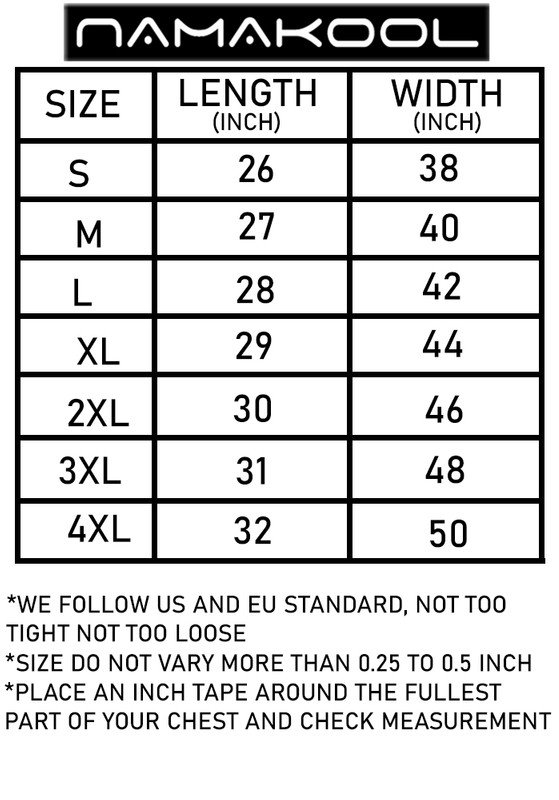
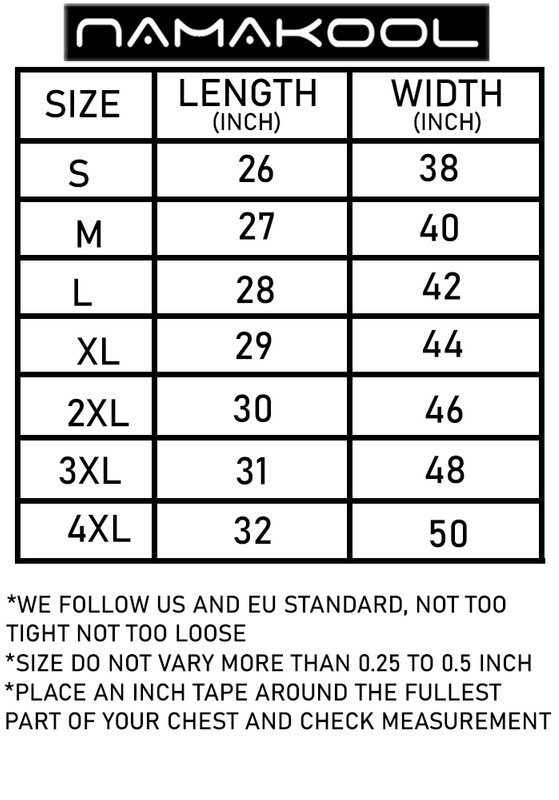
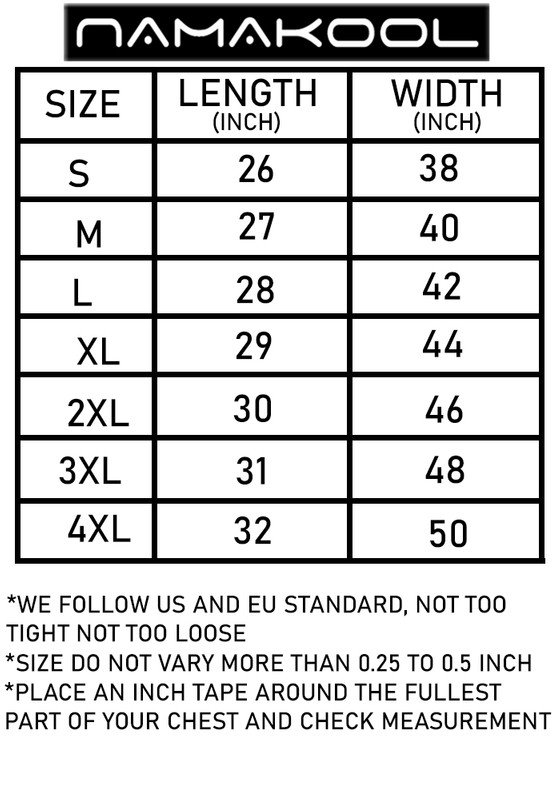
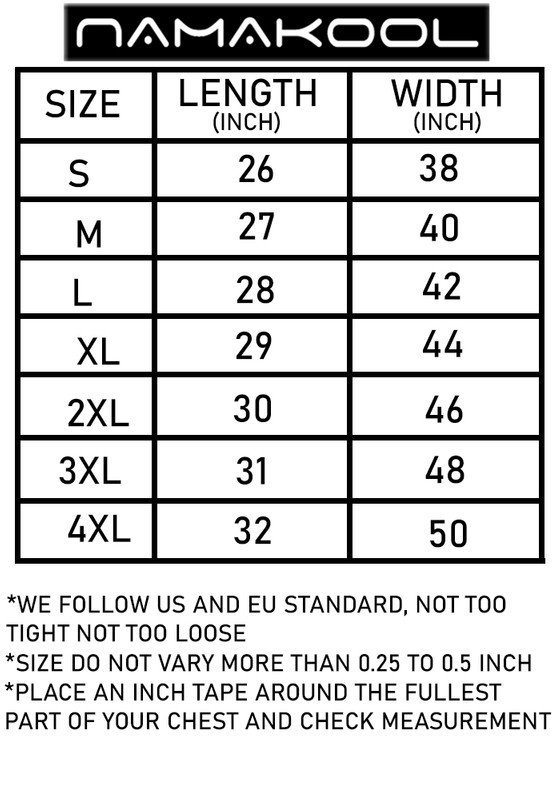
Use measurable information wherever possible. Compare the garment’s chest width, shoulder points, length and sleeves against a piece you already like. Trousers need an appropriate waist, rise and inseam, while a planned overshirt or jacket needs sufficient room over the base. If a size chart provides body dimensions rather than flat garment dimensions, follow that convention and avoid comparing incompatible numbers. When uncertain, refer to the specific listing or ask for a clarification.
Read the fibre composition and care label instead of treating fabric weight or a descriptive name as proof of quality. Cotton, polyester and blends can differ by construction and finish; even garments sharing a fibre label need not feel or perform alike. For cold or wet journeys, casual fashion layers should not be mistaken for protective technical clothing. Choose additional appropriate insulation or weather protection based on the actual forecast.
Finally, account for repeat use. Consider whether a new item adds two or three useful combinations to your existing wardrobe, or whether a bulk design can be produced consistently on all required sizes and colours. Check stock, price, size availability, delivery conditions and the relevant returns or sample-approval terms. Planning these details before ordering reduces uncertainty and makes the finished clothing more likely to meet the original purpose.
Frequently asked questions about V neck vs round neck T shirt men

How do I choose the correct size?
Measure a garment you enjoy wearing, check the exact product’s size chart and make sure you are comparing garment measurements with garment measurements, or body measurements with the stated body-size method.
Do I need every item shown in the photographs?
No. The pictures are product or outfit references. Start with clothes you own and check the retailer’s live product listings for exact inventory and materials.
Is one fit or fabric always best?
No. The preferred cut and material depend on your activity, comfort, climate and the specific product construction. Size labels and broad fabric names do not settle every detail.
How can I create more outfits without buying much?
Choose one versatile top or bottom and pair it with two or three existing garments. A change of outer layer, shoes or trouser colour often creates a useful alternative.
Do these clothes work for Indian winter?
It depends on local temperatures, wind and outdoor activity. Casual tees or hoodies cannot automatically replace suitable weather-protective outerwear.
Where can I find current prices and stock?
Use the Namakool product listing or bulk-order enquiry route. Published editorial styling advice is not a real-time stock or price quotation.
What should I check before an event or bulk order?
Review current sizes, colours, fabric information, delivery expectations, approval samples where appropriate and relevant returns or order terms.
Does Rank Math scoring guarantee Google rankings?
No. Useful unique content, search intent, indexability, competition, internal linking and technical performance all matter. A score is not a traffic guarantee.
Related Namakool reading: garment basics, fit and styling guidance, and another relevant fashion guide. For independent technical context, see this apparel industry or measuring reference. General tips are not a substitute for the current product specification or a supplier’s written quote.