polo T shirt fit guide men is an everyday shopping question, and a confident answer starts with the garment’s real details rather than marketing labels. A polo should allow easy movement while keeping its collar, sleeves and hem comfortable for the way you dress. Sizing letters alone can be misleading because regular, slim and relaxed patterns are not identical. This guide shows how to check a men's polo using a garment you already own and how to choose its fit for Indian offices, college, travel and weekends.
At Namakool, we recommend comparing the size chart, material description, care instructions and current product availability before ordering. Start with men’s top wear or women’s clothing, and use the examples below as a practical guide rather than fixed rules.
Start with the type of polo fit
Slim-fit polos sit closer to the torso, regular fits allow familiar ease, and relaxed fits create a looser outline. Different brands define these words differently. The product measurements are more dependable than the label alone.
Everyday example: A fitted polo may suit an untucked look with chinos, while a relaxed polo may work better with wide trousers. Neither option is universally more flattering.
How to use this advice: Lay a well-fitting polo flat on a smooth surface and record its chest width, shoulder span, body length and sleeve opening. Compare those measurements with the specific product chart instead of assuming your usual letter size is universal. Notice that collar construction and fabric stretch can change how a polo feels when worn. An easy movement test is to reach across your body, sit down and turn your head without the neckline pulling. Think about a full day rather than a five-minute fitting: commuting, sitting, walking and changing temperature can reveal details a catalogue pose hides.
What to check before deciding: A useful comparison includes three questions: what changes physically, what changes visually, and what changes in maintenance? Answer those separately before judging the option. For start with the type of polo fit, read the exact garment specification and be clear whether you are comparing appearance, comfort, construction or aftercare. Product photographs, fabric labels and measurements complement one another; none should be treated as the entire story. If a detail is not disclosed, do not assume it is present. This is especially important when comparing different garment types, printing finishes and online fit descriptions.
Find the shoulder seam position
For many traditional polos, the shoulder seam sits close to the natural shoulder edge, although dropped shoulders are intentional on some designs. A seam too far in can restrict movement, while an unexpectedly low seam can change the intended silhouette.
Everyday example: Compare the seam position with an existing polo you like. If the product is explicitly relaxed-fit, do not judge it using a slim-fit standard.
How to use this advice: Lay a well-fitting polo flat on a smooth surface and record its chest width, shoulder span, body length and sleeve opening. Compare those measurements with the specific product chart instead of assuming your usual letter size is universal. Notice that collar construction and fabric stretch can change how a polo feels when worn. An easy movement test is to reach across your body, sit down and turn your head without the neckline pulling. If you are buying online, place the product chart next to a garment you already own. Note what you want to improve and what already works; changing several variables at once makes comparison harder.
What to check before deciding: There is rarely one correct answer for everyone. A student, a commuter, an office worker and a traveller may value different details, so choose for the place you will actually wear it. For find the shoulder seam position, read the exact garment specification and be clear whether you are comparing appearance, comfort, construction or aftercare. Product photographs, fabric labels and measurements complement one another; none should be treated as the entire story. If a detail is not disclosed, do not assume it is present. This is especially important when comparing different garment types, printing finishes and online fit descriptions.
Check chest ease rather than guessing
Measure the shirt flat across the chest and compare it with an existing garment. Allow enough room for movement and the fabric's expected stretch. Do not confuse the flat garment width with your body circumference.
Everyday example: If a polo pulls across the chest while sitting, it may be too close-fitting for your preference. If it balloons at the sides, review the pattern and size chart.
How to use this advice: Lay a well-fitting polo flat on a smooth surface and record its chest width, shoulder span, body length and sleeve opening. Compare those measurements with the specific product chart instead of assuming your usual letter size is universal. Notice that collar construction and fabric stretch can change how a polo feels when worn. An easy movement test is to reach across your body, sit down and turn your head without the neckline pulling. Consider care and repeat wear before deciding. An item that looks good in a picture may not suit your laundry routine, layering needs or preferred silhouettes.
What to check before deciding: Do not treat a trend name, product colour or a single measurement as a promise. Reading the complete listing helps distinguish the intended look from a feature the product does not claim. For check chest ease rather than guessing, read the exact garment specification and be clear whether you are comparing appearance, comfort, construction or aftercare. Product photographs, fabric labels and measurements complement one another; none should be treated as the entire story. If a detail is not disclosed, do not assume it is present. This is especially important when comparing different garment types, printing finishes and online fit descriptions.
Look at the sleeve length and opening
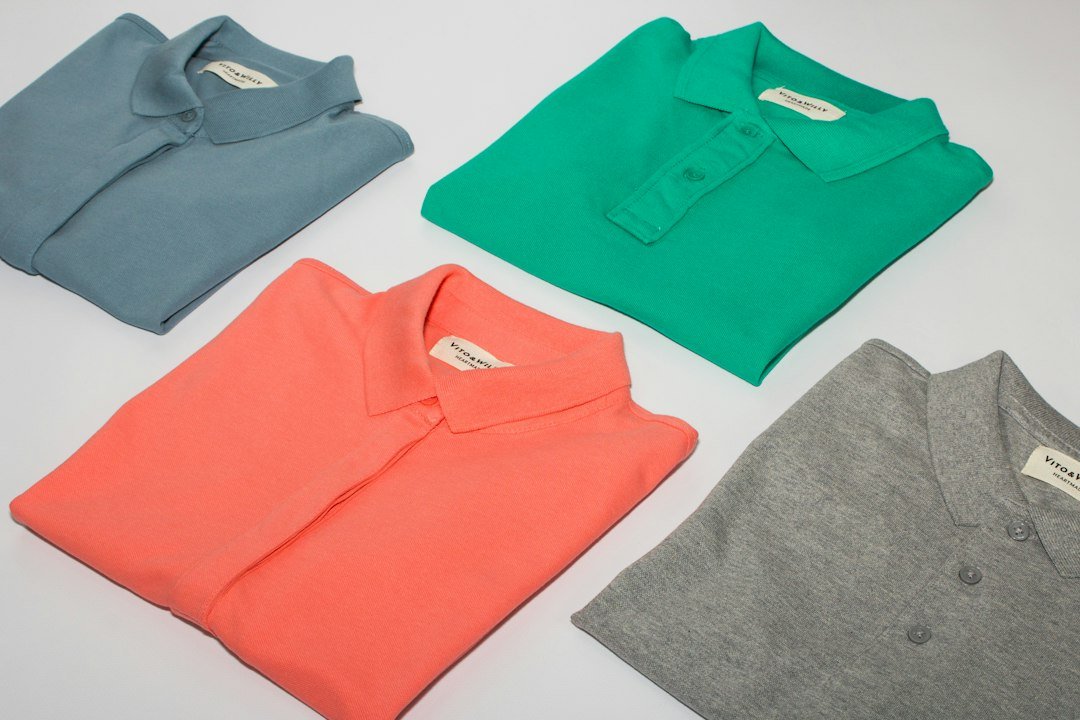
Sleeve lengths vary from short, fitted openings to longer relaxed sleeves. A narrow ribbed cuff may feel snug even if the chest fits. The right choice depends on comfort and desired shape, not a universal arm-length rule.
Everyday example: For a neat smart-casual polo, test whether the sleeve sits comfortably during a full arm movement. For a relaxed streetwear polo, a wider opening can be intentional.
How to use this advice: Lay a well-fitting polo flat on a smooth surface and record its chest width, shoulder span, body length and sleeve opening. Compare those measurements with the specific product chart instead of assuming your usual letter size is universal. Notice that collar construction and fabric stretch can change how a polo feels when worn. An easy movement test is to reach across your body, sit down and turn your head without the neckline pulling. Think about a full day rather than a five-minute fitting: commuting, sitting, walking and changing temperature can reveal details a catalogue pose hides.
What to check before deciding: A simple decision method is to compare the option you already use with the new one, note the specific improvement you seek, and avoid paying attention to details that will not matter in your day. For look at the sleeve length and opening, read the exact garment specification and be clear whether you are comparing appearance, comfort, construction or aftercare. Product photographs, fabric labels and measurements complement one another; none should be treated as the entire story. If a detail is not disclosed, do not assume it is present. This is especially important when comparing different garment types, printing finishes and online fit descriptions.
Choose the right body length
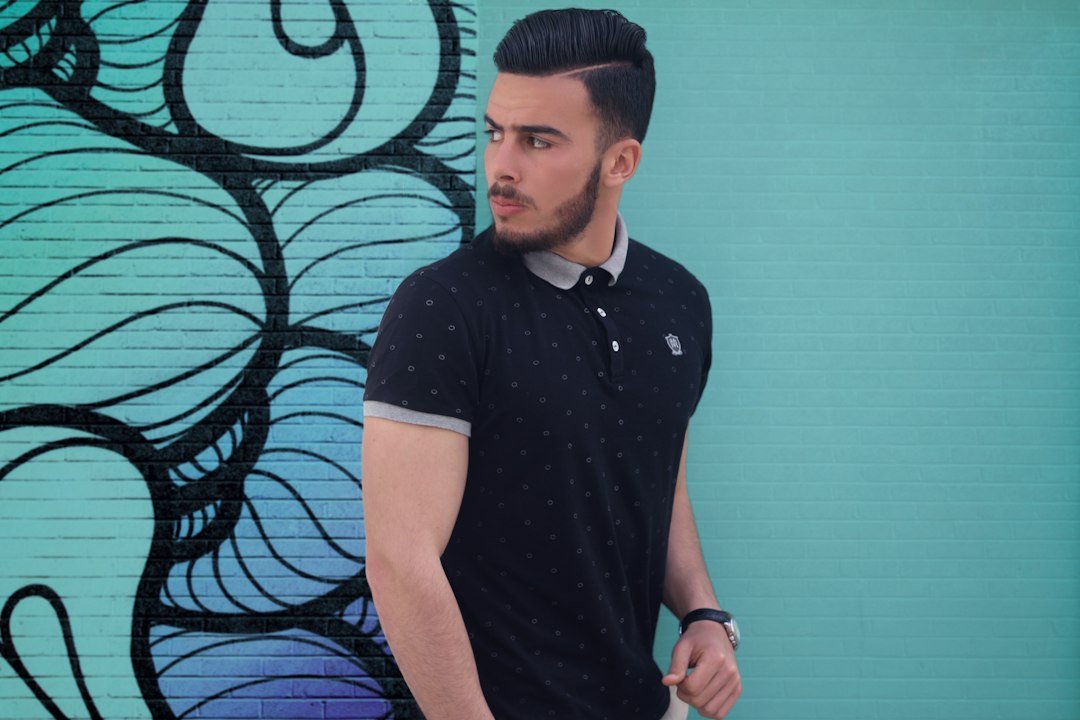
Hem length affects whether a polo works tucked, untucked or partly tucked. A hem that rises too much when you move may be inconvenient, while excessive length can change proportions with shorter jackets.
Everyday example: Try the polo with your normal trousers and shoes. Check its length while standing and seated rather than making a decision from a single mirror pose.
How to use this advice: Lay a well-fitting polo flat on a smooth surface and record its chest width, shoulder span, body length and sleeve opening. Compare those measurements with the specific product chart instead of assuming your usual letter size is universal. Notice that collar construction and fabric stretch can change how a polo feels when worn. An easy movement test is to reach across your body, sit down and turn your head without the neckline pulling. If you are buying online, place the product chart next to a garment you already own. Note what you want to improve and what already works; changing several variables at once makes comparison harder.
What to check before deciding: A useful comparison includes three questions: what changes physically, what changes visually, and what changes in maintenance? Answer those separately before judging the option. For choose the right body length, read the exact garment specification and be clear whether you are comparing appearance, comfort, construction or aftercare. Product photographs, fabric labels and measurements complement one another; none should be treated as the entire story. If a detail is not disclosed, do not assume it is present. This is especially important when comparing different garment types, printing finishes and online fit descriptions.
Collar shape and button placket
Collars can be soft or structured; plackets vary in depth and button spacing. A collar that curls or crowds the neckline may not feel right for long wear. Fabric construction can affect how the collar holds its shape.
Everyday example: For office casualwear, compare a flat collar with a softer sporty one. Leave buttons open only to the level comfortable for your setting and preference.
How to use this advice: Lay a well-fitting polo flat on a smooth surface and record its chest width, shoulder span, body length and sleeve opening. Compare those measurements with the specific product chart instead of assuming your usual letter size is universal. Notice that collar construction and fabric stretch can change how a polo feels when worn. An easy movement test is to reach across your body, sit down and turn your head without the neckline pulling. Consider care and repeat wear before deciding. An item that looks good in a picture may not suit your laundry routine, layering needs or preferred silhouettes.
What to check before deciding: There is rarely one correct answer for everyone. A student, a commuter, an office worker and a traveller may value different details, so choose for the place you will actually wear it. For collar shape and button placket, read the exact garment specification and be clear whether you are comparing appearance, comfort, construction or aftercare. Product photographs, fabric labels and measurements complement one another; none should be treated as the entire story. If a detail is not disclosed, do not assume it is present. This is especially important when comparing different garment types, printing finishes and online fit descriptions.
Related Namakool guide: explore this comparison and its buying checks. For the practical meaning of laundry symbols, see the official GINETEX care-symbol reference. Specific garment care labels always take priority.
Cotton, blends and stretch

Fabric composition affects drape, recovery and how a polo moves. Cotton, polyester blends and stretch mixes each have different trade-offs. The fibre label cannot alone tell you the exact feel or fit.
Everyday example: A textured pique polo may drape differently from a smoother jersey polo, even when the labelled sizes match. Review the garment dimensions and product photos.
How to use this advice: Lay a well-fitting polo flat on a smooth surface and record its chest width, shoulder span, body length and sleeve opening. Compare those measurements with the specific product chart instead of assuming your usual letter size is universal. Notice that collar construction and fabric stretch can change how a polo feels when worn. An easy movement test is to reach across your body, sit down and turn your head without the neckline pulling. Think about a full day rather than a five-minute fitting: commuting, sitting, walking and changing temperature can reveal details a catalogue pose hides.
What to check before deciding: Do not treat a trend name, product colour or a single measurement as a promise. Reading the complete listing helps distinguish the intended look from a feature the product does not claim. For cotton, blends and stretch, read the exact garment specification and be clear whether you are comparing appearance, comfort, construction or aftercare. Product photographs, fabric labels and measurements complement one another; none should be treated as the entire story. If a detail is not disclosed, do not assume it is present. This is especially important when comparing different garment types, printing finishes and online fit descriptions.
Should you tuck in a polo?

Tucking depends on hem shape, length, trousers and occasion. A tucked polo can look more structured with chinos, while an untucked polo can suit casual denim. Some hems are not designed to stay tucked under movement.
Everyday example: For a casual meeting, try a tucked navy polo with neutral chinos. For a weekend lunch, an untucked polo with straight jeans can feel less formal.
How to use this advice: Lay a well-fitting polo flat on a smooth surface and record its chest width, shoulder span, body length and sleeve opening. Compare those measurements with the specific product chart instead of assuming your usual letter size is universal. Notice that collar construction and fabric stretch can change how a polo feels when worn. An easy movement test is to reach across your body, sit down and turn your head without the neckline pulling. If you are buying online, place the product chart next to a garment you already own. Note what you want to improve and what already works; changing several variables at once makes comparison harder.
What to check before deciding: A simple decision method is to compare the option you already use with the new one, note the specific improvement you seek, and avoid paying attention to details that will not matter in your day. For should you tuck in a polo?, read the exact garment specification and be clear whether you are comparing appearance, comfort, construction or aftercare. Product photographs, fabric labels and measurements complement one another; none should be treated as the entire story. If a detail is not disclosed, do not assume it is present. This is especially important when comparing different garment types, printing finishes and online fit descriptions.
Polo colour and outfit proportions

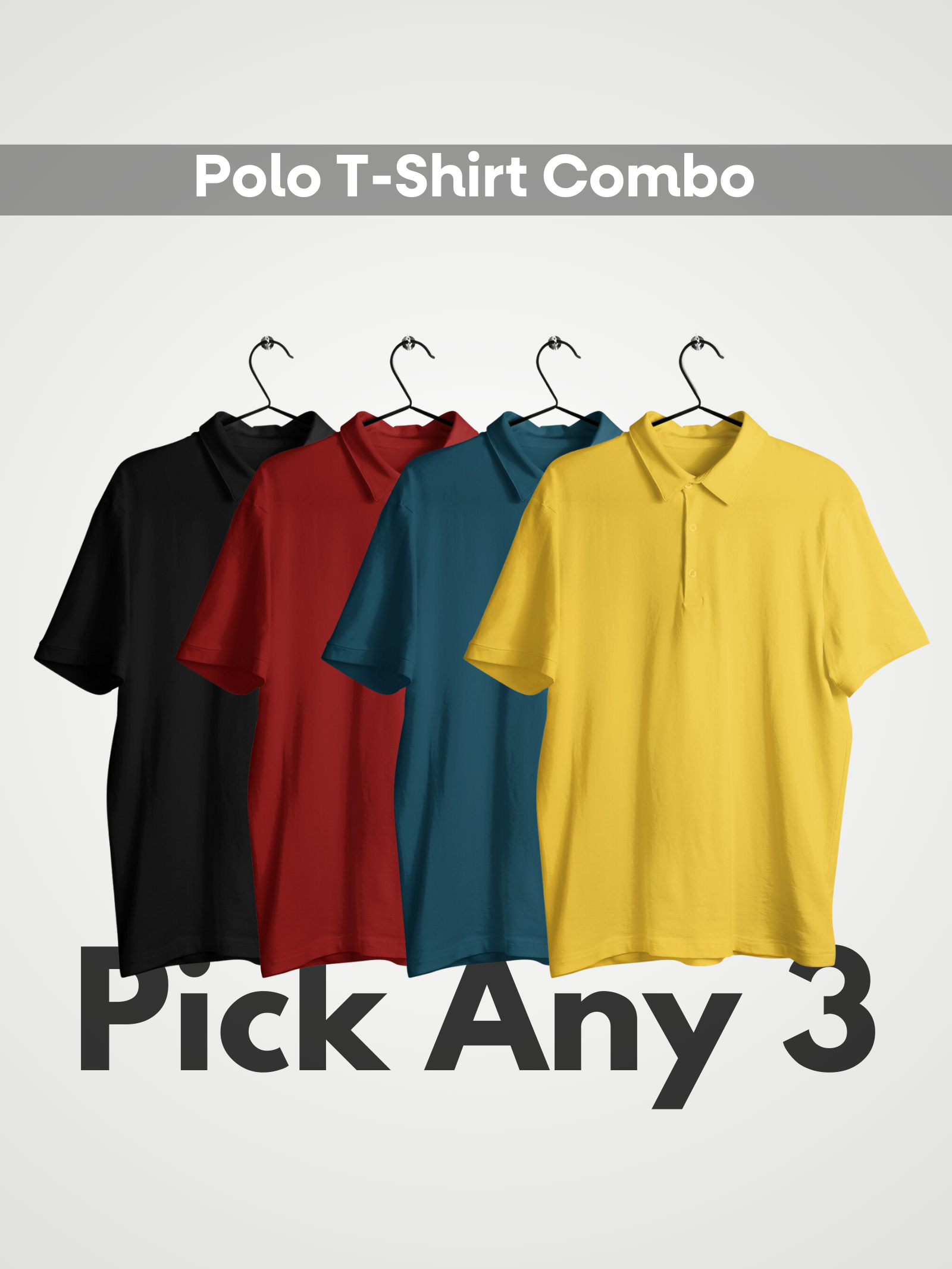
Neutral polos such as black, white, grey and navy are versatile, while deeper red, green or brown can add variety. Keep trouser width and shoe style balanced with the polo's volume.
Everyday example: A polo in coffee brown works well with stone trousers. A dark blue polo can pair with light denim. Outfit examples are suggestions, not rigid rules.
How to use this advice: Lay a well-fitting polo flat on a smooth surface and record its chest width, shoulder span, body length and sleeve opening. Compare those measurements with the specific product chart instead of assuming your usual letter size is universal. Notice that collar construction and fabric stretch can change how a polo feels when worn. An easy movement test is to reach across your body, sit down and turn your head without the neckline pulling. Consider care and repeat wear before deciding. An item that looks good in a picture may not suit your laundry routine, layering needs or preferred silhouettes.
What to check before deciding: A useful comparison includes three questions: what changes physically, what changes visually, and what changes in maintenance? Answer those separately before judging the option. For polo colour and outfit proportions, read the exact garment specification and be clear whether you are comparing appearance, comfort, construction or aftercare. Product photographs, fabric labels and measurements complement one another; none should be treated as the entire story. If a detail is not disclosed, do not assume it is present. This is especially important when comparing different garment types, printing finishes and online fit descriptions.
Online size chart comparison

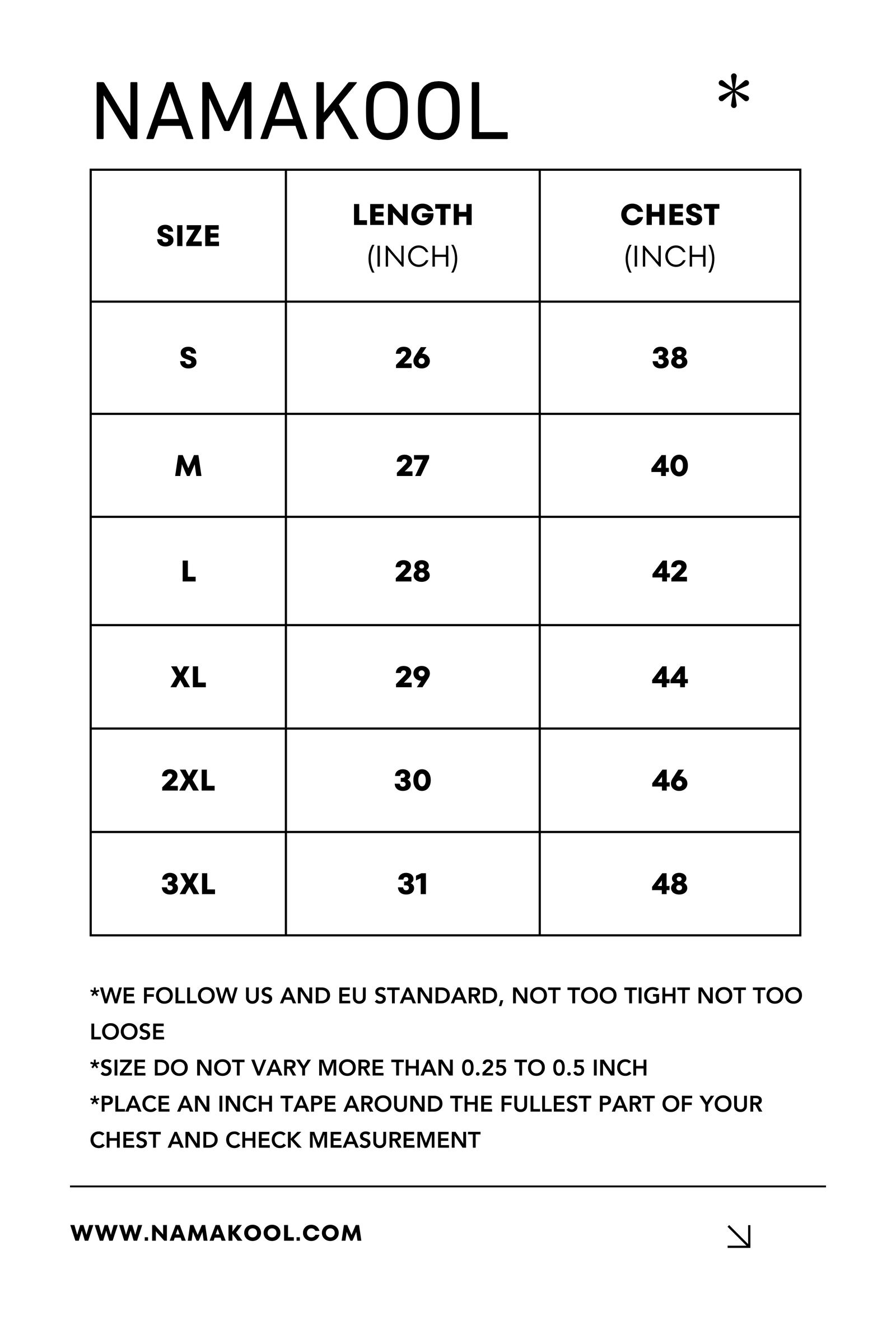
Check whether the chart provides garment measurements or body measurements, and note the units. Do not assume all centimetres and inches are presented consistently. Compare at least chest and length, then check shoulder and sleeve.
Everyday example: If you are between sizes, decide whether you prefer fitted or relaxed wear and read the return conditions. Do not automatically size up without checking the actual cut.
How to use this advice: Lay a well-fitting polo flat on a smooth surface and record its chest width, shoulder span, body length and sleeve opening. Compare those measurements with the specific product chart instead of assuming your usual letter size is universal. Notice that collar construction and fabric stretch can change how a polo feels when worn. An easy movement test is to reach across your body, sit down and turn your head without the neckline pulling. Think about a full day rather than a five-minute fitting: commuting, sitting, walking and changing temperature can reveal details a catalogue pose hides.
What to check before deciding: There is rarely one correct answer for everyone. A student, a commuter, an office worker and a traveller may value different details, so choose for the place you will actually wear it. For online size chart comparison, read the exact garment specification and be clear whether you are comparing appearance, comfort, construction or aftercare. Product photographs, fabric labels and measurements complement one another; none should be treated as the entire story. If a detail is not disclosed, do not assume it is present. This is especially important when comparing different garment types, printing finishes and online fit descriptions.
Care that helps a polo keep its shape
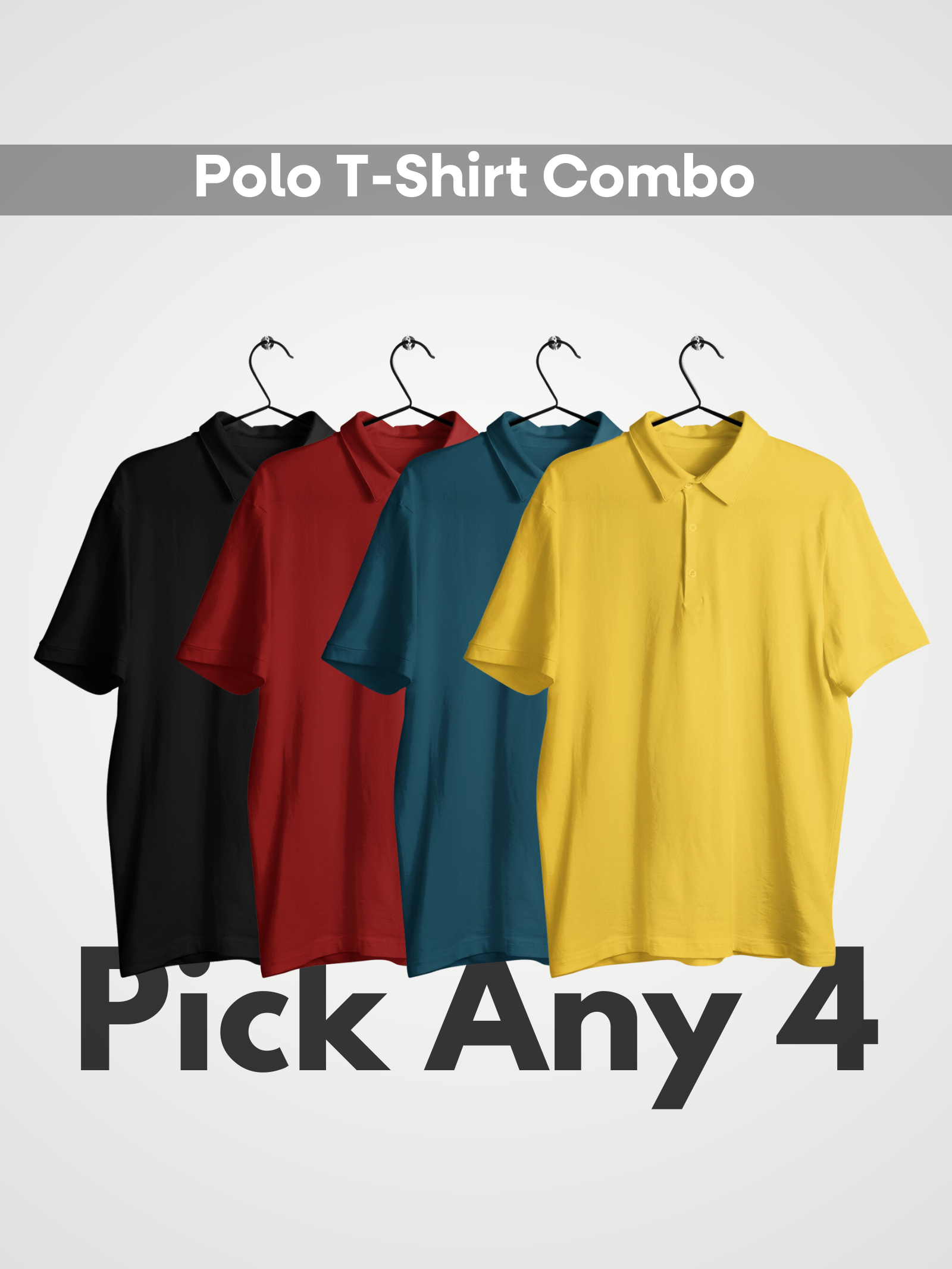
Follow the label for washing, drying and ironing. Handle collars and cuffs gently and avoid unnecessary heat when the garment instructions warn against it. Dry the polo as directed to reduce unwanted distortion.
Everyday example: After laundering, lay the collar neatly and check that buttons and placket sit flat. Avoid hanging a very heavy wet knit by one narrow point if care directions suggest otherwise.
How to use this advice: Lay a well-fitting polo flat on a smooth surface and record its chest width, shoulder span, body length and sleeve opening. Compare those measurements with the specific product chart instead of assuming your usual letter size is universal. Notice that collar construction and fabric stretch can change how a polo feels when worn. An easy movement test is to reach across your body, sit down and turn your head without the neckline pulling. If you are buying online, place the product chart next to a garment you already own. Note what you want to improve and what already works; changing several variables at once makes comparison harder.
What to check before deciding: Do not treat a trend name, product colour or a single measurement as a promise. Reading the complete listing helps distinguish the intended look from a feature the product does not claim. For care that helps a polo keep its shape, read the exact garment specification and be clear whether you are comparing appearance, comfort, construction or aftercare. Product photographs, fabric labels and measurements complement one another; none should be treated as the entire story. If a detail is not disclosed, do not assume it is present. This is especially important when comparing different garment types, printing finishes and online fit descriptions.
Frequently asked questions about men's polo fit
Should a polo be tight? It should allow comfortable movement. Is slim fit smaller? It often sits closer, but measurements vary. Can a polo be worn with jeans? Yes. Where should the hem finish? It depends on design and styling. Are all cotton polos alike? No.
Everyday example: Start with your own garment measurements and review the exact Namakool product page. Do not select solely from a size letter or model photograph.
How to use this advice: Lay a well-fitting polo flat on a smooth surface and record its chest width, shoulder span, body length and sleeve opening. Compare those measurements with the specific product chart instead of assuming your usual letter size is universal. Notice that collar construction and fabric stretch can change how a polo feels when worn. An easy movement test is to reach across your body, sit down and turn your head without the neckline pulling. Consider care and repeat wear before deciding. An item that looks good in a picture may not suit your laundry routine, layering needs or preferred silhouettes.
What to check before deciding: A simple decision method is to compare the option you already use with the new one, note the specific improvement you seek, and avoid paying attention to details that will not matter in your day. For frequently asked questions about men's polo fit, read the exact garment specification and be clear whether you are comparing appearance, comfort, construction or aftercare. Product photographs, fabric labels and measurements complement one another; none should be treated as the entire story. If a detail is not disclosed, do not assume it is present. This is especially important when comparing different garment types, printing finishes and online fit descriptions.
More helpful reading: another Namakool fit and styling guide. For background on textile materials and production research, explore Textile Exchange. Independent educational resources provide context, not product-specific guarantees.
Ready to compare options? Browse MEN, WOMEN and the Namakool shop. Compare product images, sizes, prices, current stock and stated return information before placing an order.