
how to wash printed T shirts is an everyday shopping question, and a confident answer starts with the garment’s real details rather than marketing labels. Printed T-shirts can be everyday favourites, but poor laundering habits can shorten the life of the design and fabric. There is no single washing method safe for every decoration: ink type, transfer method, fibre content and care label all matter. This guide explains a cautious, practical routine that helps reduce unnecessary friction, high-heat exposure and rough handling.
At Namakool, we recommend comparing the size chart, material description, care instructions and current product availability before ordering. Start with men’s top wear or women’s clothing, and use the examples below as a practical guide rather than fixed rules.
Read the care label before the first wash

Different printers may specify different curing conditions and waiting periods after decoration. Do not wash a newly customised shirt early if its maker advises curing time. The care label sets the baseline for water temperature, cycle and drying.
Everyday example: Keep the receipt or product page care instructions for reference. A photo of the tag can be useful if the shirt later needs stain treatment or the print begins to change.
How to use this advice: The safest first step is always the garment's own care label and any printer-supplied instructions. When those instructions allow washing, favour a process that avoids unnecessary rubbing and overheating. Check the print before and after each cycle, including edges and flexible areas near seams. If a design starts lifting, do not assume more heat or stronger detergent will repair it. Prevention is usually more reliable than a home fix. Think about a full day rather than a five-minute fitting: commuting, sitting, walking and changing temperature can reveal details a catalogue pose hides.
What to check before deciding: A useful comparison includes three questions: what changes physically, what changes visually, and what changes in maintenance? Answer those separately before judging the option. For read the care label before the first wash, read the exact garment specification and be clear whether you are comparing appearance, comfort, construction or aftercare. Product photographs, fabric labels and measurements complement one another; none should be treated as the entire story. If a detail is not disclosed, do not assume it is present. This is especially important when comparing different garment types, printing finishes and online fit descriptions.
Turn the shirt inside out

Turning a graphic tee inside out can reduce direct contact between its visible print and other garments in the drum. It is not a guarantee against damage, but it is a simple precaution when the care instructions permit machine washing.
Everyday example: Close zips or hooks on other garments and avoid mixing a printed shirt with abrasive items. A laundry bag can help reduce snagging where appropriate.
How to use this advice: The safest first step is always the garment's own care label and any printer-supplied instructions. When those instructions allow washing, favour a process that avoids unnecessary rubbing and overheating. Check the print before and after each cycle, including edges and flexible areas near seams. If a design starts lifting, do not assume more heat or stronger detergent will repair it. Prevention is usually more reliable than a home fix. If you are buying online, place the product chart next to a garment you already own. Note what you want to improve and what already works; changing several variables at once makes comparison harder.
What to check before deciding: There is rarely one correct answer for everyone. A student, a commuter, an office worker and a traveller may value different details, so choose for the place you will actually wear it. For turn the shirt inside out, read the exact garment specification and be clear whether you are comparing appearance, comfort, construction or aftercare. Product photographs, fabric labels and measurements complement one another; none should be treated as the entire story. If a detail is not disclosed, do not assume it is present. This is especially important when comparing different garment types, printing finishes and online fit descriptions.
Choose a gentle wash setting
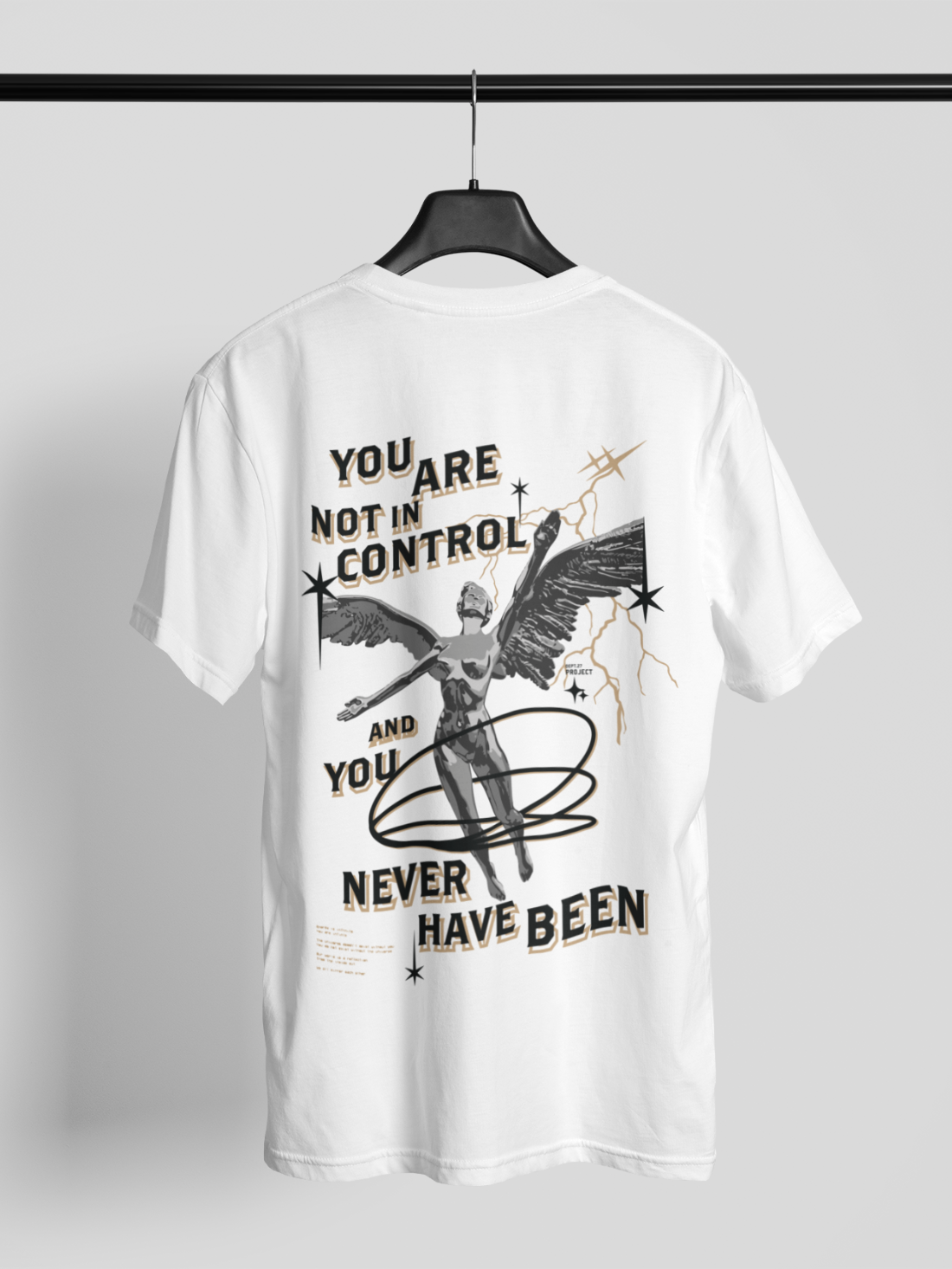
Mechanical movement and rubbing can stress some decorations. A gentle cycle, sensible load size and suitable water temperature often reduce unnecessary wear. Follow the specific maximum shown on the care label instead of using one temperature for every shirt.
Everyday example: A machine packed tightly with heavy jeans can rub a print more than a lightly loaded cycle. Sort by fabric type as well as colour when practical.
How to use this advice: The safest first step is always the garment's own care label and any printer-supplied instructions. When those instructions allow washing, favour a process that avoids unnecessary rubbing and overheating. Check the print before and after each cycle, including edges and flexible areas near seams. If a design starts lifting, do not assume more heat or stronger detergent will repair it. Prevention is usually more reliable than a home fix. Consider care and repeat wear before deciding. An item that looks good in a picture may not suit your laundry routine, layering needs or preferred silhouettes.
What to check before deciding: Do not treat a trend name, product colour or a single measurement as a promise. Reading the complete listing helps distinguish the intended look from a feature the product does not claim. For choose a gentle wash setting, read the exact garment specification and be clear whether you are comparing appearance, comfort, construction or aftercare. Product photographs, fabric labels and measurements complement one another; none should be treated as the entire story. If a detail is not disclosed, do not assume it is present. This is especially important when comparing different garment types, printing finishes and online fit descriptions.
Use detergent carefully
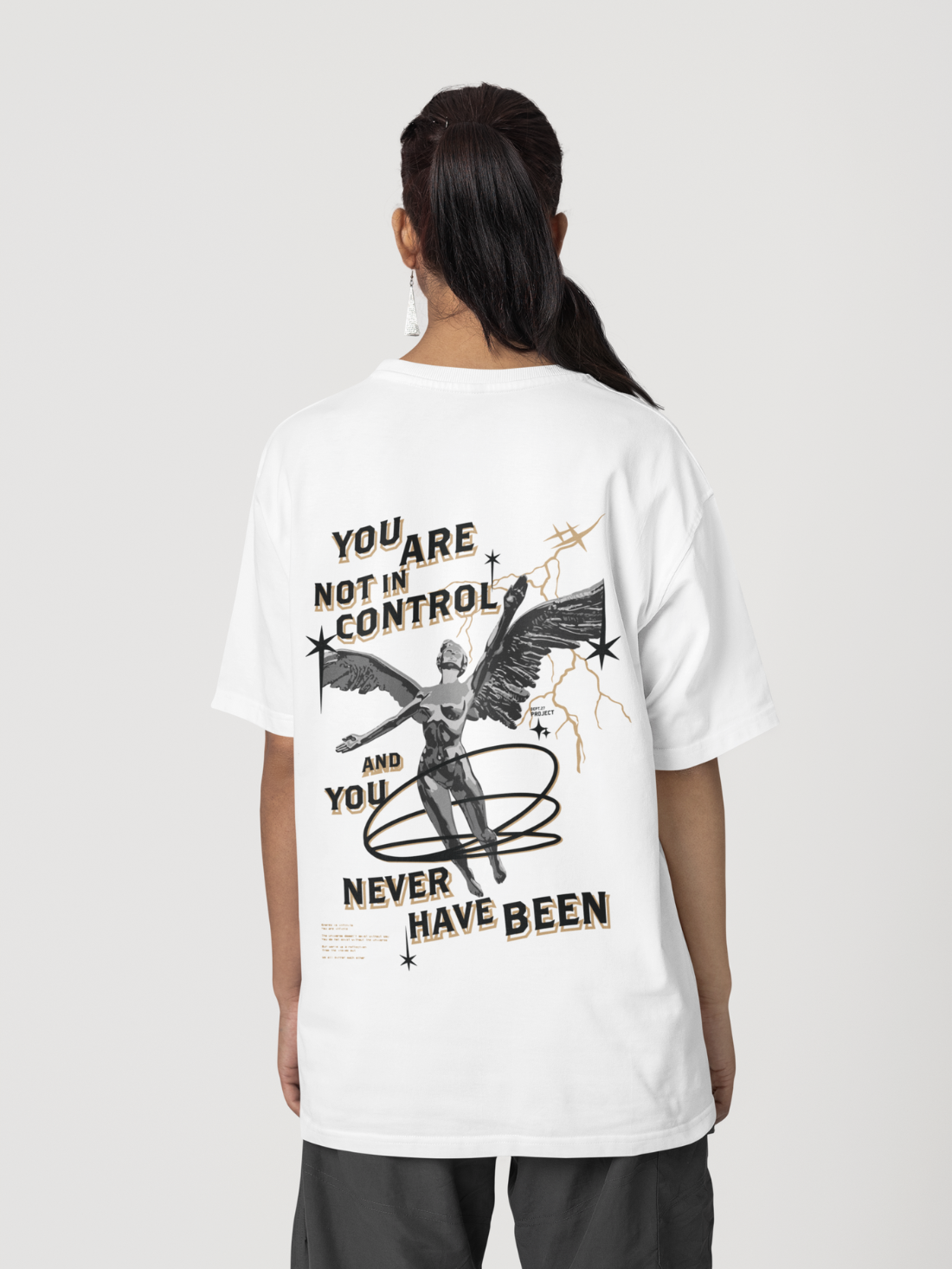
Choose a detergent suitable for the garment colour and fabric. More detergent is not automatically better; residue and poor rinsing can affect comfort. Avoid adding bleach or aggressive stain products unless the label explicitly allows the treatment.
Everyday example: If the printed area is brightly coloured, check whether your stain remover is compatible before applying it near the design. Test in an inconspicuous area when the manufacturer permits it.
How to use this advice: The safest first step is always the garment's own care label and any printer-supplied instructions. When those instructions allow washing, favour a process that avoids unnecessary rubbing and overheating. Check the print before and after each cycle, including edges and flexible areas near seams. If a design starts lifting, do not assume more heat or stronger detergent will repair it. Prevention is usually more reliable than a home fix. Think about a full day rather than a five-minute fitting: commuting, sitting, walking and changing temperature can reveal details a catalogue pose hides.
What to check before deciding: A simple decision method is to compare the option you already use with the new one, note the specific improvement you seek, and avoid paying attention to details that will not matter in your day. For use detergent carefully, read the exact garment specification and be clear whether you are comparing appearance, comfort, construction or aftercare. Product photographs, fabric labels and measurements complement one another; none should be treated as the entire story. If a detail is not disclosed, do not assume it is present. This is especially important when comparing different garment types, printing finishes and online fit descriptions.
Avoid direct scrubbing on the graphic
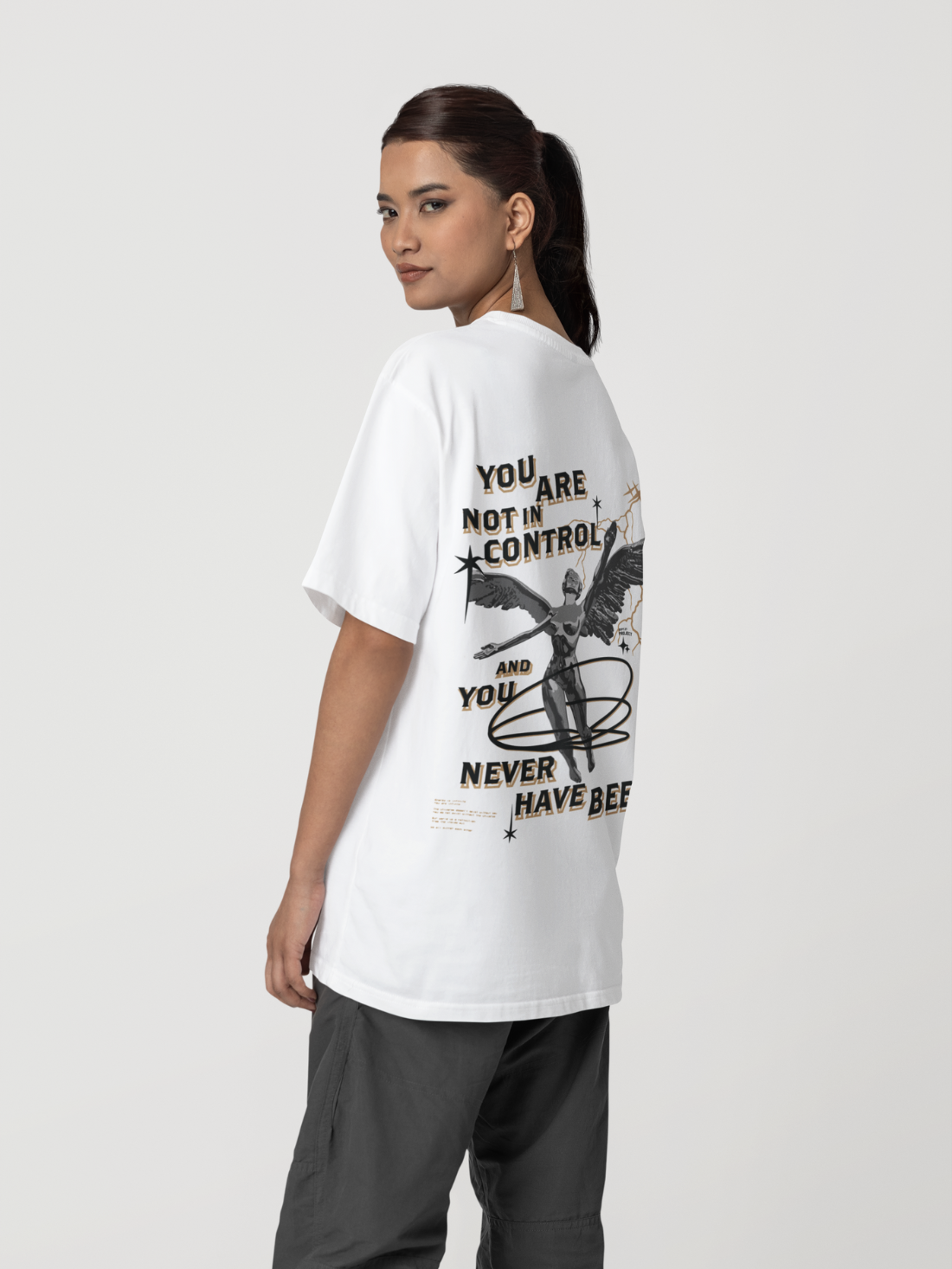
Hard brushes, rough hand-scrubbing and repeated twisting can damage some print surfaces. Treat spills by gently blotting and following the fabric's care directions. Do not assume a stubborn stain requires strong physical pressure.
Everyday example: For a small food spill, first lift excess material carefully. Work on the surrounding fabric rather than attacking the design with a stiff brush.
How to use this advice: The safest first step is always the garment's own care label and any printer-supplied instructions. When those instructions allow washing, favour a process that avoids unnecessary rubbing and overheating. Check the print before and after each cycle, including edges and flexible areas near seams. If a design starts lifting, do not assume more heat or stronger detergent will repair it. Prevention is usually more reliable than a home fix. If you are buying online, place the product chart next to a garment you already own. Note what you want to improve and what already works; changing several variables at once makes comparison harder.
What to check before deciding: A useful comparison includes three questions: what changes physically, what changes visually, and what changes in maintenance? Answer those separately before judging the option. For avoid direct scrubbing on the graphic, read the exact garment specification and be clear whether you are comparing appearance, comfort, construction or aftercare. Product photographs, fabric labels and measurements complement one another; none should be treated as the entire story. If a detail is not disclosed, do not assume it is present. This is especially important when comparing different garment types, printing finishes and online fit descriptions.
Wash similar colours together

Dyes may bleed or transfer, particularly in some new or dark garments. Sorting darks, whites and bright colours helps reduce cross-staining. Colour-catcher products may help in some settings but do not replace correct sorting.
Everyday example: A white printed tee should not be treated exactly like a black one when washing with other clothing. Follow any wash-separately instruction on the tag.
How to use this advice: The safest first step is always the garment's own care label and any printer-supplied instructions. When those instructions allow washing, favour a process that avoids unnecessary rubbing and overheating. Check the print before and after each cycle, including edges and flexible areas near seams. If a design starts lifting, do not assume more heat or stronger detergent will repair it. Prevention is usually more reliable than a home fix. Consider care and repeat wear before deciding. An item that looks good in a picture may not suit your laundry routine, layering needs or preferred silhouettes.
What to check before deciding: There is rarely one correct answer for everyone. A student, a commuter, an office worker and a traveller may value different details, so choose for the place you will actually wear it. For wash similar colours together, read the exact garment specification and be clear whether you are comparing appearance, comfort, construction or aftercare. Product photographs, fabric labels and measurements complement one another; none should be treated as the entire story. If a detail is not disclosed, do not assume it is present. This is especially important when comparing different garment types, printing finishes and online fit descriptions.
Related Namakool guide: explore this comparison and its buying checks. For the practical meaning of laundry symbols, see the official GINETEX care-symbol reference. Specific garment care labels always take priority.
Dry with the print in mind

High temperatures can be hard on certain transfers and inks. Where the label permits it, gentle air drying away from prolonged harsh sun can be a cautious option. If tumble drying is allowed, use the setting directed by the garment maker.
Everyday example: Place the shirt so that the design is not sharply creased while drying. Do not leave it damp in a packed laundry basket.
How to use this advice: The safest first step is always the garment's own care label and any printer-supplied instructions. When those instructions allow washing, favour a process that avoids unnecessary rubbing and overheating. Check the print before and after each cycle, including edges and flexible areas near seams. If a design starts lifting, do not assume more heat or stronger detergent will repair it. Prevention is usually more reliable than a home fix. Think about a full day rather than a five-minute fitting: commuting, sitting, walking and changing temperature can reveal details a catalogue pose hides.
What to check before deciding: Do not treat a trend name, product colour or a single measurement as a promise. Reading the complete listing helps distinguish the intended look from a feature the product does not claim. For dry with the print in mind, read the exact garment specification and be clear whether you are comparing appearance, comfort, construction or aftercare. Product photographs, fabric labels and measurements complement one another; none should be treated as the entire story. If a detail is not disclosed, do not assume it is present. This is especially important when comparing different garment types, printing finishes and online fit descriptions.
Ironing a graphic T-shirt

Never place a hot iron directly on a print unless the maker explicitly permits it. Some coatings and transfers are heat-sensitive. If ironing is allowed, follow the specified temperature, work inside out or use a protective cloth when advised.
Everyday example: A print may look flat after washing but still be vulnerable to direct heat. Check symbols for the whole garment, and do not improvise a hotter setting to remove wrinkles quickly.
How to use this advice: The safest first step is always the garment's own care label and any printer-supplied instructions. When those instructions allow washing, favour a process that avoids unnecessary rubbing and overheating. Check the print before and after each cycle, including edges and flexible areas near seams. If a design starts lifting, do not assume more heat or stronger detergent will repair it. Prevention is usually more reliable than a home fix. If you are buying online, place the product chart next to a garment you already own. Note what you want to improve and what already works; changing several variables at once makes comparison harder.
What to check before deciding: A simple decision method is to compare the option you already use with the new one, note the specific improvement you seek, and avoid paying attention to details that will not matter in your day. For ironing a graphic t-shirt, read the exact garment specification and be clear whether you are comparing appearance, comfort, construction or aftercare. Product photographs, fabric labels and measurements complement one another; none should be treated as the entire story. If a detail is not disclosed, do not assume it is present. This is especially important when comparing different garment types, printing finishes and online fit descriptions.
DTF, DTG and screen-print care differences

Decorations are not identical. DTF transfers, DTG ink and screen printing involve different materials and processes; the exact production method and curing determine care needs. Ask the seller for the proper aftercare rather than applying one universal rule.
Everyday example: A printed design that feels like a film may react differently to bending than a soft-hand ink print. Handle each according to its documented care guidance.
How to use this advice: The safest first step is always the garment's own care label and any printer-supplied instructions. When those instructions allow washing, favour a process that avoids unnecessary rubbing and overheating. Check the print before and after each cycle, including edges and flexible areas near seams. If a design starts lifting, do not assume more heat or stronger detergent will repair it. Prevention is usually more reliable than a home fix. Consider care and repeat wear before deciding. An item that looks good in a picture may not suit your laundry routine, layering needs or preferred silhouettes.
What to check before deciding: A useful comparison includes three questions: what changes physically, what changes visually, and what changes in maintenance? Answer those separately before judging the option. For dtf, dtg and screen-print care differences, read the exact garment specification and be clear whether you are comparing appearance, comfort, construction or aftercare. Product photographs, fabric labels and measurements complement one another; none should be treated as the entire story. If a detail is not disclosed, do not assume it is present. This is especially important when comparing different garment types, printing finishes and online fit descriptions.
How to minimise shrinking and twisting

Fabric construction and finishing affect dimensional stability. Excess heat, aggressive cycles and unsuitable drying can make fit changes more noticeable. Measure the shirt before laundering if fit is critical, and reshape gently where the care label allows.
Everyday example: Check shoulder seams and the side seam after the first wash. If the shirt twists or shortens dramatically despite proper care, document it and contact the retailer.
How to use this advice: The safest first step is always the garment's own care label and any printer-supplied instructions. When those instructions allow washing, favour a process that avoids unnecessary rubbing and overheating. Check the print before and after each cycle, including edges and flexible areas near seams. If a design starts lifting, do not assume more heat or stronger detergent will repair it. Prevention is usually more reliable than a home fix. Think about a full day rather than a five-minute fitting: commuting, sitting, walking and changing temperature can reveal details a catalogue pose hides.
What to check before deciding: There is rarely one correct answer for everyone. A student, a commuter, an office worker and a traveller may value different details, so choose for the place you will actually wear it. For how to minimise shrinking and twisting, read the exact garment specification and be clear whether you are comparing appearance, comfort, construction or aftercare. Product photographs, fabric labels and measurements complement one another; none should be treated as the entire story. If a detail is not disclosed, do not assume it is present. This is especially important when comparing different garment types, printing finishes and online fit descriptions.
Storage and long-term print protection

Store clothing clean and completely dry. Avoid folding repeatedly along a thick raised print if it creates a hard crease; some garments may store better on a hanger. Protect from damp storage and direct prolonged light.
Everyday example: Rotate favourites rather than wearing the same shirt every day. Normal wear still occurs, but good washing and storage habits help avoid unnecessary stress.
How to use this advice: The safest first step is always the garment's own care label and any printer-supplied instructions. When those instructions allow washing, favour a process that avoids unnecessary rubbing and overheating. Check the print before and after each cycle, including edges and flexible areas near seams. If a design starts lifting, do not assume more heat or stronger detergent will repair it. Prevention is usually more reliable than a home fix. If you are buying online, place the product chart next to a garment you already own. Note what you want to improve and what already works; changing several variables at once makes comparison harder.
What to check before deciding: Do not treat a trend name, product colour or a single measurement as a promise. Reading the complete listing helps distinguish the intended look from a feature the product does not claim. For storage and long-term print protection, read the exact garment specification and be clear whether you are comparing appearance, comfort, construction or aftercare. Product photographs, fabric labels and measurements complement one another; none should be treated as the entire story. If a detail is not disclosed, do not assume it is present. This is especially important when comparing different garment types, printing finishes and online fit descriptions.
Frequently asked questions about printed T-shirts

Can all graphic tees go in the dryer? Only if their label allows it. Does cold water guarantee no fading? No. Should a print be ironed? Follow product-specific instructions. Can cracking be repaired? Results vary, and home heat can worsen damage. Do prints last forever? No finish is immune to wear.
Everyday example: The washing temperature or drying technique that works for one tee may not be suitable for another. Check the fibre, decoration type and care label together.
How to use this advice: The safest first step is always the garment's own care label and any printer-supplied instructions. When those instructions allow washing, favour a process that avoids unnecessary rubbing and overheating. Check the print before and after each cycle, including edges and flexible areas near seams. If a design starts lifting, do not assume more heat or stronger detergent will repair it. Prevention is usually more reliable than a home fix. Consider care and repeat wear before deciding. An item that looks good in a picture may not suit your laundry routine, layering needs or preferred silhouettes.
What to check before deciding: A simple decision method is to compare the option you already use with the new one, note the specific improvement you seek, and avoid paying attention to details that will not matter in your day. For frequently asked questions about printed t-shirts, read the exact garment specification and be clear whether you are comparing appearance, comfort, construction or aftercare. Product photographs, fabric labels and measurements complement one another; none should be treated as the entire story. If a detail is not disclosed, do not assume it is present. This is especially important when comparing different garment types, printing finishes and online fit descriptions.
More helpful reading: another Namakool fit and styling guide. For background on textile materials and production research, explore Textile Exchange. Independent educational resources provide context, not product-specific guarantees.
Ready to compare options? Browse MEN, WOMEN and the Namakool shop. Compare product images, sizes, prices, current stock and stated return information before placing an order.