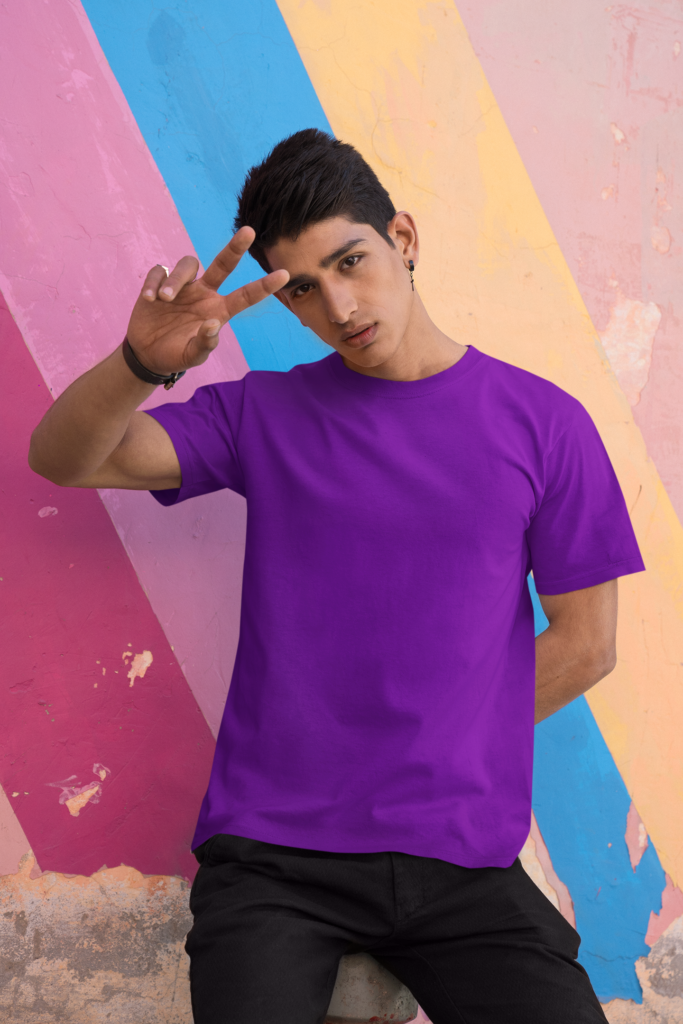
Purple T-shirt outfits for men do not need complicated styling. A purple tee with black jeans, charcoal trousers or light neutral bottoms already gives you a clear combination. The useful decisions are how strong a shade you want, how the garment fits and which existing clothes support it.
Rich purple appears in Who What Wear’s autumn 2026 capsule-colour coverage. This guide applies that wider interest to everyday casual clothes. It is not a claim that every purple tee matches a designer shade, or that lavender and deep violet create the same effect.
The photographs show existing Namakool colour and garment references. Product availability, fabric details and measurements should be checked in the current listing. Start by testing the combinations with what you own, then choose a new piece only when you can picture using it regularly.
Purple and dark trousers: the easiest first outfit
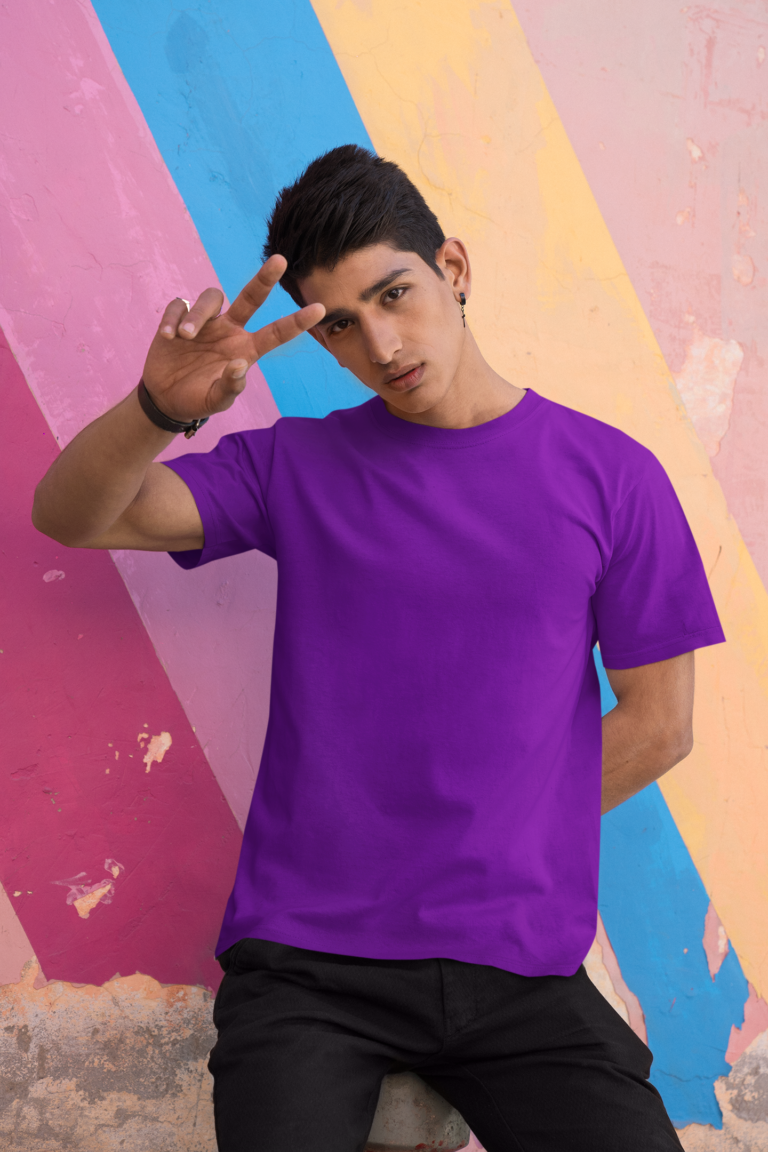
Purple with black or charcoal is a useful first outfit because the top provides the main colour. You can keep your usual trousers, shoes and bag while trying something new near the face. That makes the experiment easier to judge: if the outfit feels different, you know the colour is doing most of the work rather than several unfamiliar pieces at once.
Begin with the depth of purple you enjoy. A strong violet, a darker plum and a pale lilac do not behave identically beside black. Compare the product with your own clothes in normal light if possible. Online, look at more than one image and read the selected colour name. A bright background or screen setting can change how saturated the garment appears.
A plain crew neck keeps the upper part of the outfit simple. Check that the neckline sits comfortably and that the shoulders allow your usual movement. The colour may attract your attention first, but an awkward fit will affect whether you reach for the tee again. Compare the measurements with a garment you already like instead of choosing a size only by habit.
Try straight jeans for a familiar casual look. Charcoal trousers can give a slightly quieter result, while black denim creates a clearer division from the purple. A loose trouser and relaxed tee can work together, but inspect the hem lengths. You may prefer a shorter top, a small tuck or simply the extra volume. These are choices, not rules about one correct silhouette.
For shoes, begin with white, grey or black if those are already in your wardrobe. Brown may work too, depending on the rest of the outfit. You do not need a purple accessory to prove the combination is intentional. Repeating a colour can be interesting, but a single purple garment already creates a focal point.
A good first test is a normal outing rather than a special event. Wear the tee for lunch, errands or a relaxed evening and notice what feels easy. If the colour works but you keep pulling at the hem, address the garment shape. If the shape works but the purple feels too intense, try a different depth next time. Separating those observations keeps you from rejecting an entire colour family because one particular tee did not suit your routine.
Purple with cream or beige: a lighter contrast
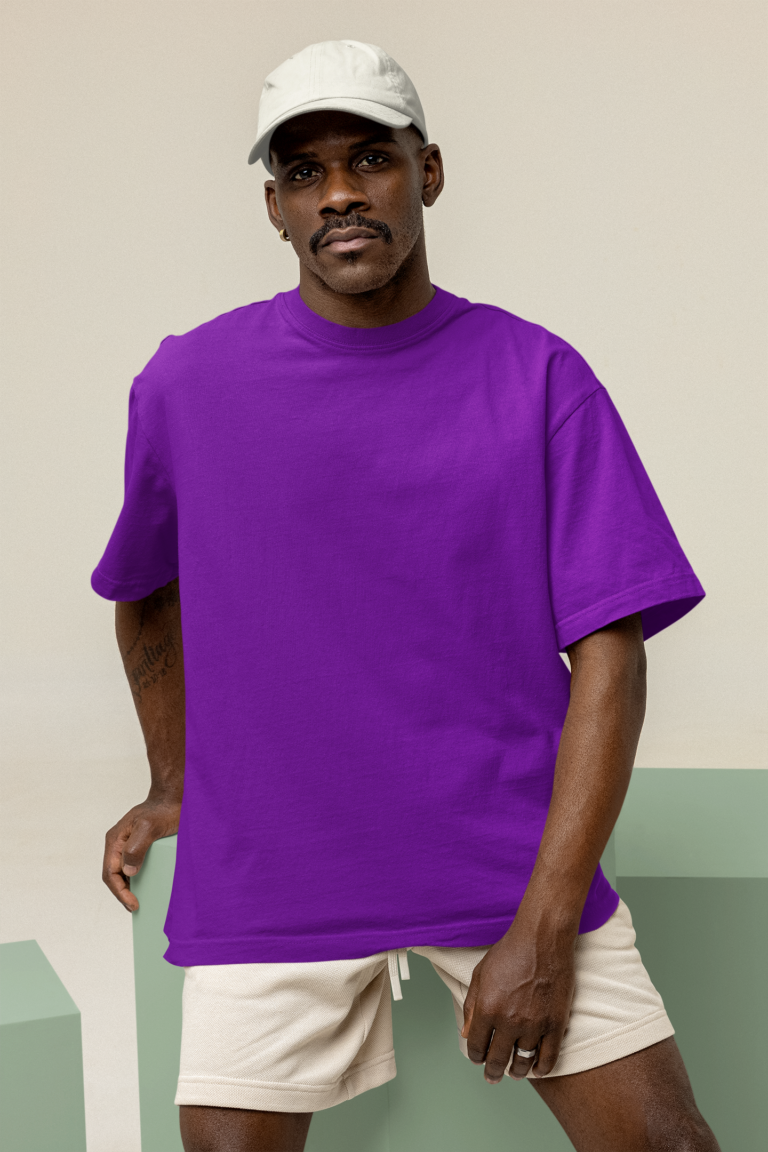
Light neutral bottoms give purple a different mood from black. Cream, beige or stone can make the colour feel more open and relaxed. The reference shows shorts, but the same relationship can work with trousers. Choose the garment that fits your day and weather rather than treating the photograph as a complete shopping list.
With shorts, compare the tee length against the visible leg opening. A roomy top can cover much of the shorts, which may create the loose shape you want or may feel too long. Try the outfit seated and walking. If the overlap bothers you, a different top length can be more useful than making the chest or sleeves tighter.
With beige trousers, keep the footwear simple at first. Off-white trainers create a light finish, while brown shoes can warm the palette. If you use black shoes regularly, test them before deciding you need another pair. A practical outfit should make use of familiar pieces where possible, especially when the top is already the new element.
Cream and bright white are worth comparing separately. Bright white creates a sharper contrast, while cream can feel softer beside a saturated purple. Neither choice is objectively better. Use the actual shade of your trousers or shoes as the starting point, and do not worry if every light neutral in the outfit is not identical.
For an extra layer, a light shirt can frame the purple without hiding it completely. Make sure it has enough room over the tee’s shoulders and sleeves. If the inner garment is especially loose, the outer layer may need a different cut. A colour combination can be attractive while the physical layering remains uncomfortable, so test both.
Light clothing is not practical for every activity. If pale trousers are inconvenient, keep dark bottoms and use a lighter shirt or bag instead. You can preserve the general contrast without buying a garment you will hesitate to wear. The aim is a useful translation of the idea into your life.
For a weekend away, try the purple tee with one light bottom and one dark bottom before packing. If both work with the same shoes and outer layer, you have a flexible piece. If every version requires a different accessory, simplify. A strong colour is most valuable when it adds several easy combinations rather than creating a separate outfit that only works under ideal conditions.
Make the look your own
Explore everyday tees, polos and casual layers at Namakool.
Choose the neckline, fabric and fit before the final shade
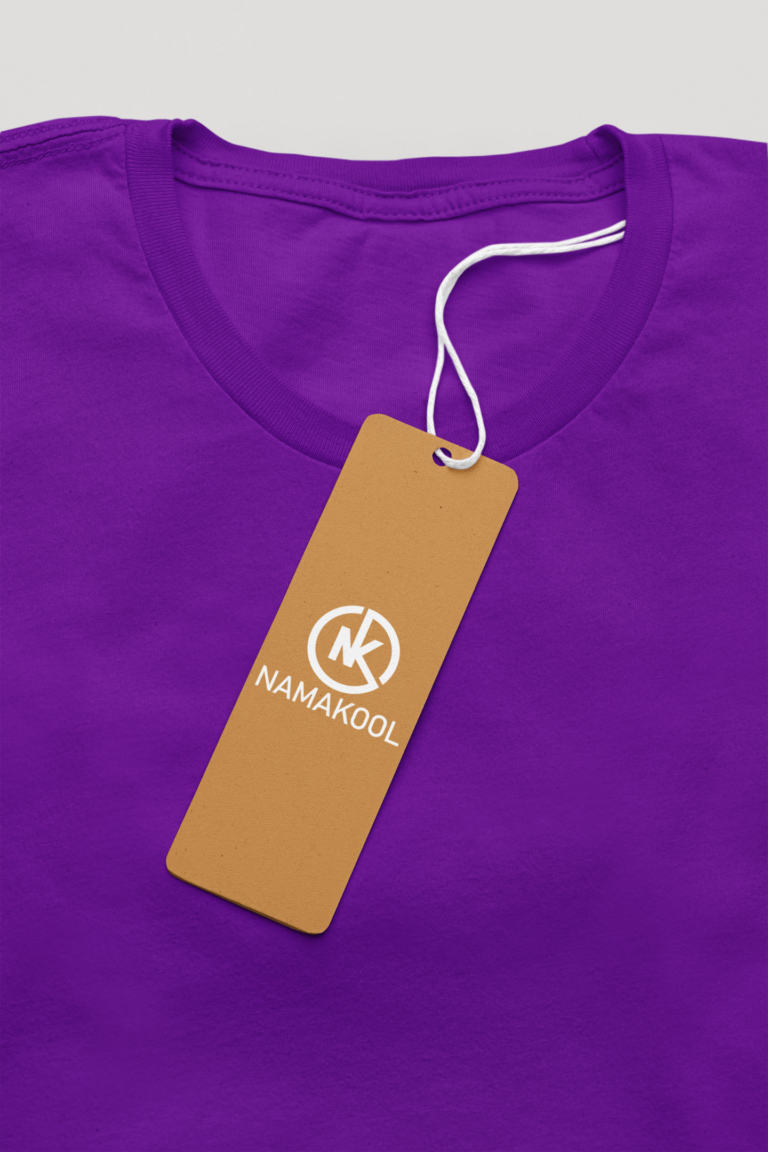
A close-up image reminds you that a T-shirt is more than a block of colour. The neckline, fabric surface, seams and overall shape affect how it feels and looks. A purple tee that photographs beautifully may still be unsuitable if the collar is uncomfortable or the length does not work with your trousers. Use colour as one part of the decision.
Compare the neckline with a tee you already enjoy. Some crew necks sit closer to the neck, while others have a wider opening. Think about whether you will wear the garment alone or under an open shirt. A neckline that looks good as a standalone top may appear differently beneath another layer, so consider both uses if both matter to you.
Read the fabric composition and any available weight information. Do not infer softness, breathability or warmth from a photograph. The same colour can appear in different materials and constructions. Your local temperature and daily activities should guide the garment choice separately from the seasonal colour inspiration.
Use measurements where possible. Chest width, body length and sleeve information help you compare the listing with a familiar tee. An oversized label might mean extra width, extra length or both, depending on the brand. If you want a relaxed shape without a long hem, look for that combination specifically rather than simply moving up a size.
Consider how the fabric behaves when tucked. A heavier or roomier tee may bunch at the waist, while another may sit neatly. If you plan to wear it untucked, check where the hem falls relative to the waistband and pockets. Neither method is required for purple; the most useful choice is the one that remains comfortable through a normal day.
Colour accuracy has limits online. Lighting, editing and your screen can all shift the appearance. Compare several product views and confirm the selected option before checkout. If you need to coordinate with a specific existing item, ask the seller when the images leave uncertainty. A colour name alone is not an exact specification.
Finally, review the care instructions and return terms. Choose a garment that fits your actual laundry routine and gives you enough information to make a sensible purchase. A useful purple tee should not require an entirely new set of habits just to remain wearable. The closer the fit, material and care requirements are to what you already know works, the easier it is to enjoy the new colour with confidence.
Purple versus royal blue: choose an accent with a clear role
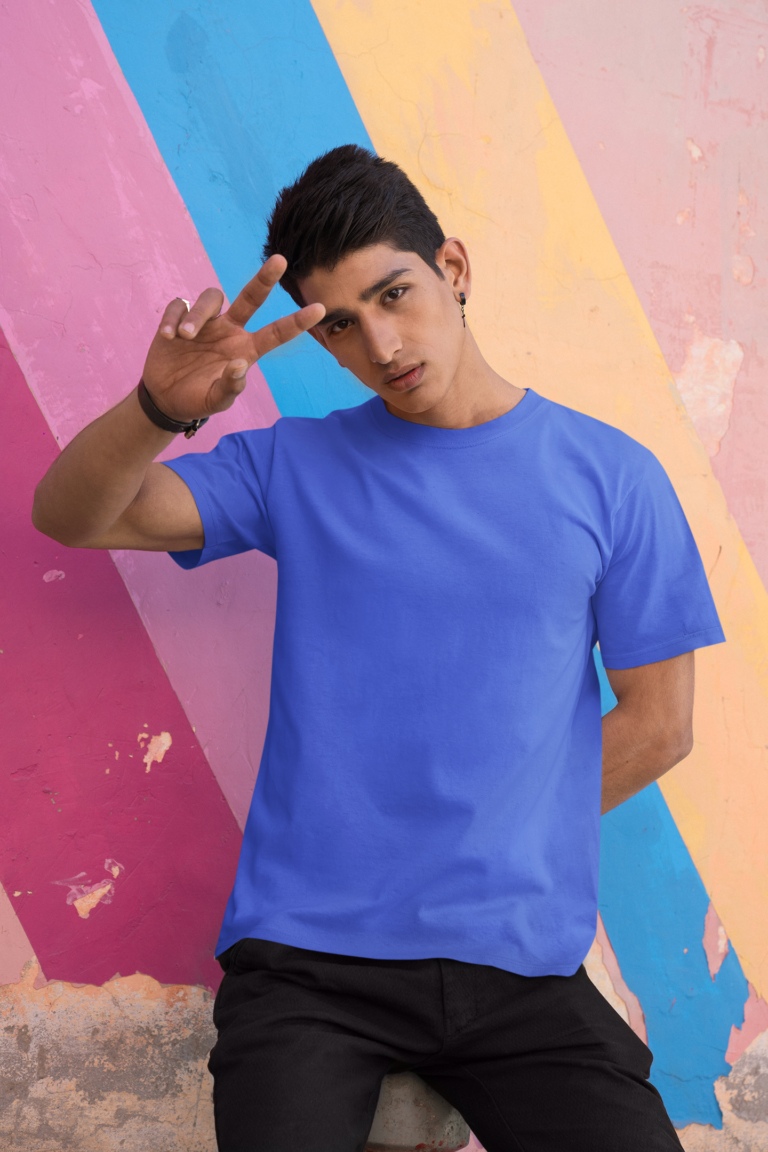
Purple and royal blue can both act as strong accents, but you do not need to buy both immediately. Compare what each would do in your wardrobe. If you already own several blue tops, purple may add a more noticeable change. If you are moving away from neutrals for the first time, blue may feel more familiar. Neither is the universally safer or more stylish choice.
The image in this section shows blue as an alternative, not a purple product. Use that distinction when shopping: colour families can be described loosely, but the actual garment is what you will wear. A blue with a violet cast may look close to purple in one photograph and clearly blue in another. Check the full listing and the selected shade.
Lay out the same trousers and shoes with each possible top. Black jeans, beige trousers and grey bottoms make useful test pieces because they can support both colours. This comparison helps you see whether the new purchase adds variety or mostly duplicates a role already filled. A wardrobe becomes more useful through different combinations, not simply a larger number of colours.
You can wear purple and blue together if you enjoy a stronger palette, but begin with clear differences in depth or area. A purple tee beneath a dark navy shirt is easier to assess than two equally bright large surfaces. Try the pieces before adding another accent. Fit, texture and proportion affect the result as much as the colour relationship.
For a quieter approach, keep purple as the only bright element and use navy in the lower half or an outer layer. View the combination in daylight to make sure you like the separation. If it feels too close or too dark, introduce a neutral instead. You do not need to force a pairing just because both colours appear in seasonal coverage.
Plan around frequency of wear. If a purple tee would be worn once a month while a blue one would fit several days each week, that may guide your first choice. On the other hand, one occasional accent can be worthwhile if it gives you enjoyment without requiring other purchases. Be honest about the role rather than pretending every item must serve every occasion.
The practical goal is a colour you understand how to wear. Once you have several reliable purple combinations, another accent becomes easier to evaluate. Until then, repeat the successful outfit and learn from it. Familiarity often does more for confidence than chasing the next shade before the first one has become part of your routine.
Make a small colour rotation without buying a new wardrobe
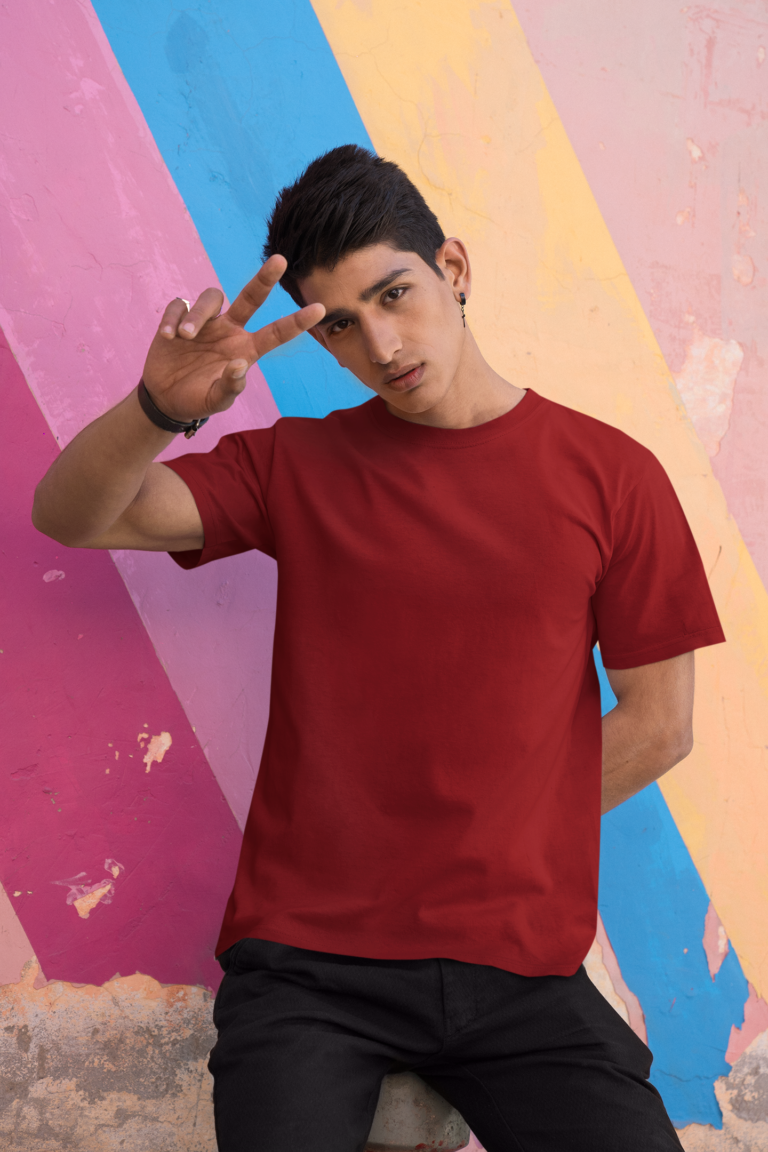
A small colour rotation can give you variety while keeping dressing simple. Purple might be your stronger accent, maroon a deeper alternative and a neutral tee the everyday base. The maroon reference here illustrates that second role. It is not necessary to own every colour, and the right group depends on the bottoms and layers you already wear.
Start with a written plan for three actual occasions. For a casual day, pair purple with black jeans. For a relaxed lunch, use the same tee with beige trousers. For a cooler evening, add an existing neutral shirt or jacket. This tests one garment across settings before you expand the wardrobe. If the plan works without new shoes or bags, the colour is already doing useful work.
Next, identify whether another top solves a different need. A maroon polo may add a collar for a setting that permits smart casual clothing, while another crew-neck tee in a nearly identical fit may simply offer colour variety. Both can be valid, but they are different reasons to buy. Naming the role makes the decision clearer.
Avoid exact-match assumptions across fabrics. A purple tee and purple hoodie may not form a coordinated set even when the colour names match. If you want a tonal outfit, compare them together. If you prefer an easy contrast, use neutral bottoms and let the two purple garments serve separate days. A matching set is not required to make the colour feel intentional.
Review what you already own before checkout. You may discover that a grey overshirt, dark jeans and familiar trainers provide all the supporting pieces you need. The missing item could be just one tee in a comfortable cut. A trend should help you see new uses for your wardrobe, not automatically turn into a list of replacements.
After wearing the new colour, note which outfit required the least adjustment and felt most natural. That is the combination worth repeating. If another version looked good but felt inconvenient, identify the practical issue—perhaps the trousers, footwear or layer—rather than blaming the colour. Refine one detail at a time.
When you eventually add another shade, use the same process. Compare it with existing clothes, check fit and material, and confirm current listing details. A compact wardrobe with a few clear colour roles can feel more varied than a crowded one full of unrelated purchases. Purple earns its place when you can enjoy it on an ordinary day, not only when every surrounding piece has been bought specifically to match it.
Frequently asked questions
Can men wear purple T-shirts casually?
Yes. Start with jeans or trousers you already wear and let the purple tee be the main colour. The shade is not restricted to a particular gender, age or occasion. Fit and comfort determine how useful the garment will be.
What colours go well with purple?
Black, charcoal, grey, cream and beige are useful starting points. Navy and brown can also work depending on the exact shades. Compare the actual garments together rather than relying only on colour names.
Is lavender the same as purple?
Lavender is a lighter shade within the broader purple family. It creates a different level of contrast from a rich purple or dark plum. Choose according to the effect you want and inspect the product images carefully.
Do I need matching purple shoes?
No. Neutral shoes are enough for many combinations. Start with footwear suited to your plans and check the trouser hem with it on. Matching accessories are optional, not a requirement for wearing a coloured tee.
Should I buy a regular or oversized fit?
Choose the dimensions that work with your body and existing bottoms. Compare chest width, length and sleeves where available. An oversized label does not describe every aspect of the fit, and sizing up is not always the same as choosing a deliberately relaxed cut.
More Namakool style guides
Make the look your own
Explore everyday tees, polos and casual layers at Namakool.