Purple and lavender outfits for women can be built from simple pieces: a coloured tee, familiar jeans, a skirt or comfortable trousers. The first choice is the amount of colour you want. Rich purple creates a stronger focal point; lavender gives a lighter contrast. They belong to a related family but do not produce the same outfit.
Purple is part of the palette discussed in Who What Wear’s autumn 2026 colour coverage. The practical combinations below are Namakool’s styling suggestions, including softer alternatives rather than a claim that every shade has the same trend status.
The pictures are colour references from existing Namakool media. Some sections show the neutral that can support your purple piece, and captions identify it clearly. Check current product listings for availability, fabric and measurements. You can try the ideas with clothes already in your wardrobe before buying anything new.
Rich purple: start with denim and a comfortable silhouette
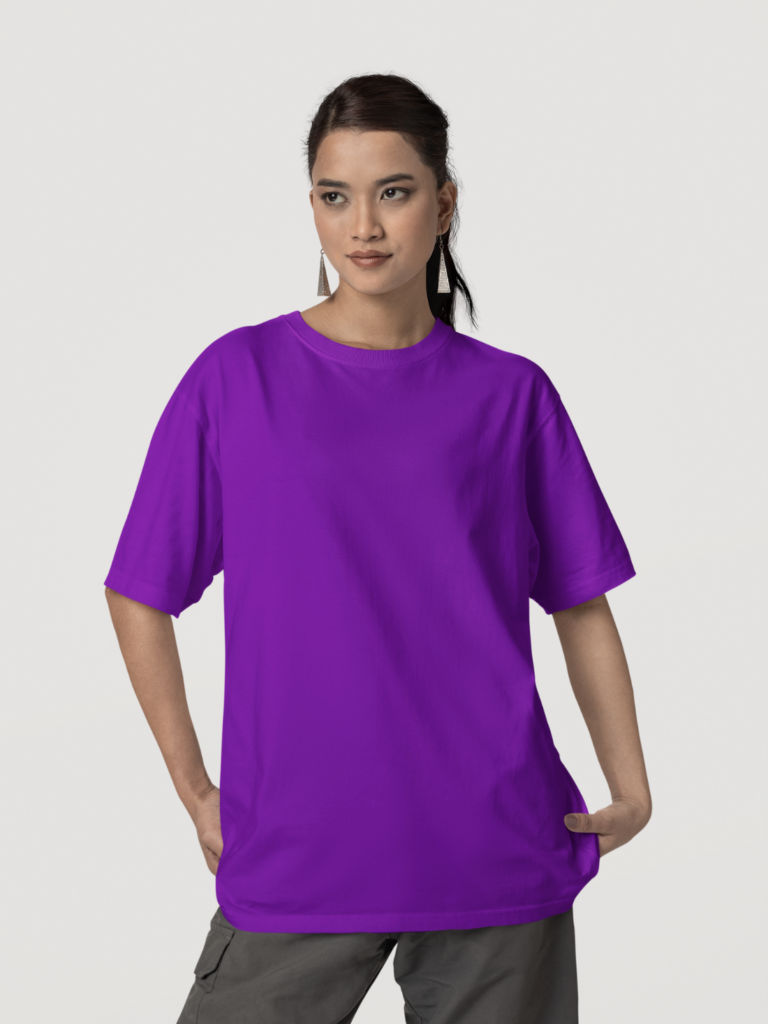
A rich purple tee can make familiar denim feel different without changing the shape of your whole wardrobe. Start with jeans you already enjoy wearing. Dark denim gives a contained combination, while a lighter wash creates more contrast. You do not need a particular jean trend to make the colour work; the useful pair is the one that fits your day.
Try the tee loose before deciding whether to tuck it. A relaxed hem can work well with straight or wider jeans, while a small front tuck may reveal the waistband if you prefer more definition. The result depends on the tee’s length and fabric. A thick or very roomy top may bunch differently from a lighter one, so judge the actual garments together.
For a skirt outfit, begin with a plain denim or black skirt. Choose the length and shape that allow you to walk and sit comfortably. A straight skirt and a loose tee create a different outline from a full skirt and shorter top. Neither is universally better. Compare the whole silhouette instead of applying a rule that one body type must wear a particular combination.
Keep the shoes practical. Trainers can make the outfit casual, while flats or another comfortable pair may suit a different plan. Do not buy purple shoes simply because the top is purple. Neutral footwear already connects with many denim outfits and leaves the colour near your face as the main point of interest.
If you want a layer, try a simple shirt or jacket that fits comfortably over the tee. Check the sleeves and shoulders, then move your arms. A purple top can look good beneath an outer layer but still feel awkward if the fabrics bunch. The layering decision should account for room and temperature as well as colour.
Wear the first combination on an ordinary day before planning a more elaborate version. Notice whether you enjoy the intensity of the shade and whether the garment stays comfortable. If the colour feels strong, show less of it beneath an open layer rather than abandoning it immediately. If the fit is the issue, address the fit. Separating those observations makes it easier to choose the next outfit with confidence.
You can also photograph the tee beside two different jean washes in the same light. This simple comparison often reveals which pairing you prefer more clearly than scrolling through many unrelated inspiration pictures. Use your own wardrobe as the reference point and let the trend provide an idea, not an instruction to replace everything.
Lavender: use a lighter shade without making the outfit fussy
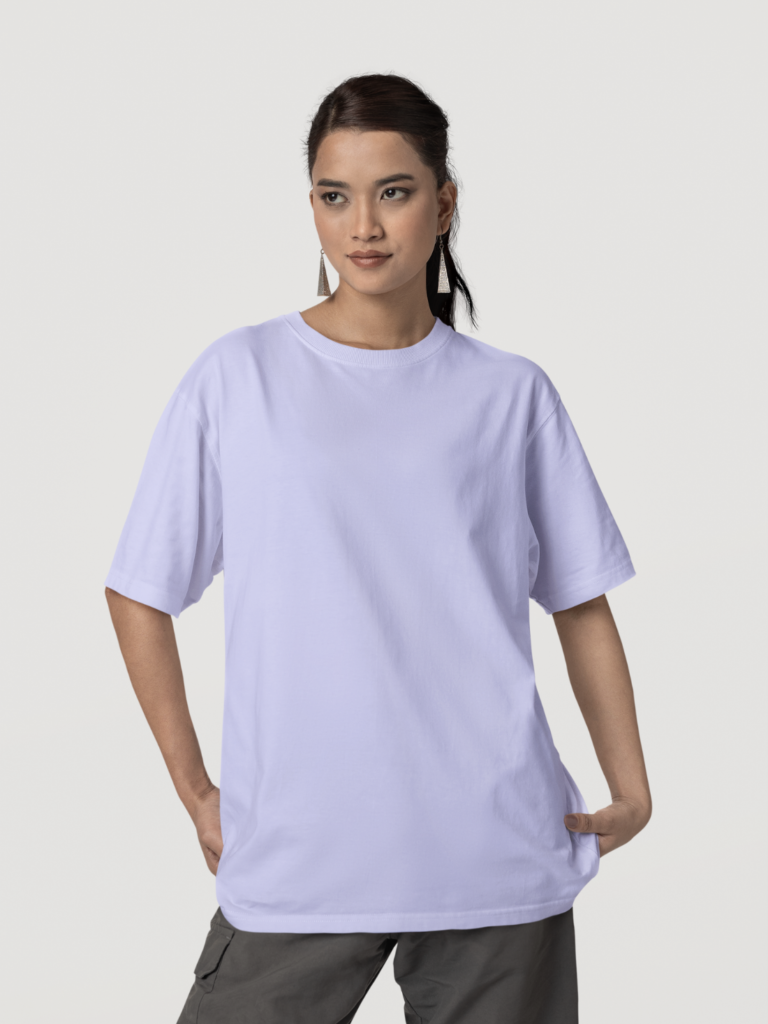
Lavender offers a softer alternative when rich purple feels more intense than you want. It can work with everyday jeans, grey trousers and pale neutrals without requiring a delicate or highly dressed-up outfit. A simple round-neck tee keeps the colour easy to wear, especially if you already rely on casual basics.
Try lavender with grey jeans for a quiet combination. Black trousers provide stronger contrast, while cream or off-white bottoms make the outfit lighter. These are starting points rather than fixed rules. Compare the exact lavender with the garments you own, because some versions look cooler or more muted than others in normal light.
A denim skirt can also support lavender. Choose the shape according to your plans, then adjust the tee length if needed. If both the top and skirt have a lot of volume, you may like the relaxed outline or prefer a clearer waistband. A different tuck or shorter top can change that balance without requiring a tighter outfit.
For layering, washed denim can provide a familiar texture beside the pastel. A grey or navy outer layer creates a different mood. Try the layer open and closed if you expect to wear it both ways. You should still feel comfortable when it comes off, so make sure the tee has the coverage and fit you want on its own.
Pastel colour does not tell you anything definite about fabric weight or opacity. Read the composition and inspect the product information. A pale tee may look different under strong daylight than in a studio image. Choose a garment whose coverage suits you rather than assuming that every item in the same shade will behave alike.
Keep accessories straightforward at first. A bag you already use and comfortable shoes may be all you need. If the outfit feels unfinished, identify why before adding something. The issue might be the trouser length or an awkward neckline rather than a missing necklace or matching bag. Small shape adjustments can matter more than extra details.
Lavender can be part of a darker seasonal outfit as well as a light one. Wearing it under a charcoal jacket or with dark jeans is a practical way to keep a pastel in rotation when your other clothes become heavier. Choose the actual layers for the weather, and let the colour remain a personal preference rather than a rule about which month it belongs to.
Make the look your own
Explore everyday tees, polos and casual layers at Namakool.
White and cream: create space around a purple accent
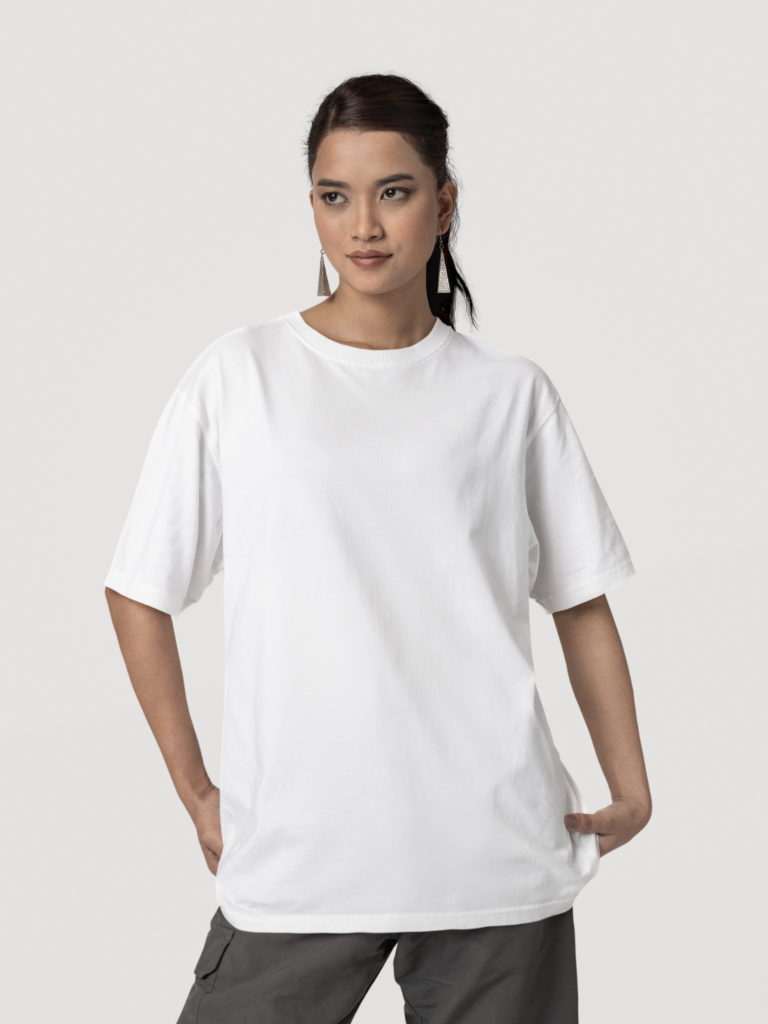
White and cream can support purple in several ways: as trousers beneath a purple top, as an open shirt around it, or as a tee beneath a purple layer. The image here shows a white basic, not a purple product. It illustrates the neutral side of the combination so you can think beyond buying a single coloured top.
Begin by deciding where the purple will sit. If it is the tee, use light bottoms or a light outer layer for contrast. If it is a cardigan, shirt or jacket you already own, a plain white tee can keep the centre simple. You do not need to repeat the purple elsewhere unless you enjoy that effect.
Compare bright white with cream separately. White can create a sharper division, while cream may give a warmer impression. Product names are not always exact, so look at the actual pieces together. A garment labelled off-white may lean differently from another with the same description. The combination should look good to you in the lighting where you will wear it.
For a light trouser outfit, consider practicality as well as appearance. If your commute or activities make pale bottoms inconvenient, use the light shade near the neckline or in footwear instead. There is no need to buy trousers you will hesitate to wear. A useful styling idea can move the same colour relationship to another part of the outfit.
Pay attention to coverage and texture. A white tee may need a different fabric or construction from a darker one to give the appearance you prefer. Read the listing and check the fit independently from the colour. When layering, make sure the white neckline sits comfortably beneath the purple garment rather than bunching or competing with another collar.
If you wear a white tee with a purple skirt or trousers, keep the first version simple. Let the lower garment provide the main colour and use familiar shoes. A tucked or untucked finish can both work depending on length and volume. Check the side view and how the waistband feels when you sit; comfort will determine whether the outfit gets repeated.
This combination can also help build a small wardrobe. One white basic may support purple, lavender and several other colours you own. Its value comes from those repeated uses, not from being called an essential. Choose the exact fit and care requirements that work for your routine so it remains a useful partner rather than another unworn item.
Grey: build a quieter outfit with clear proportions
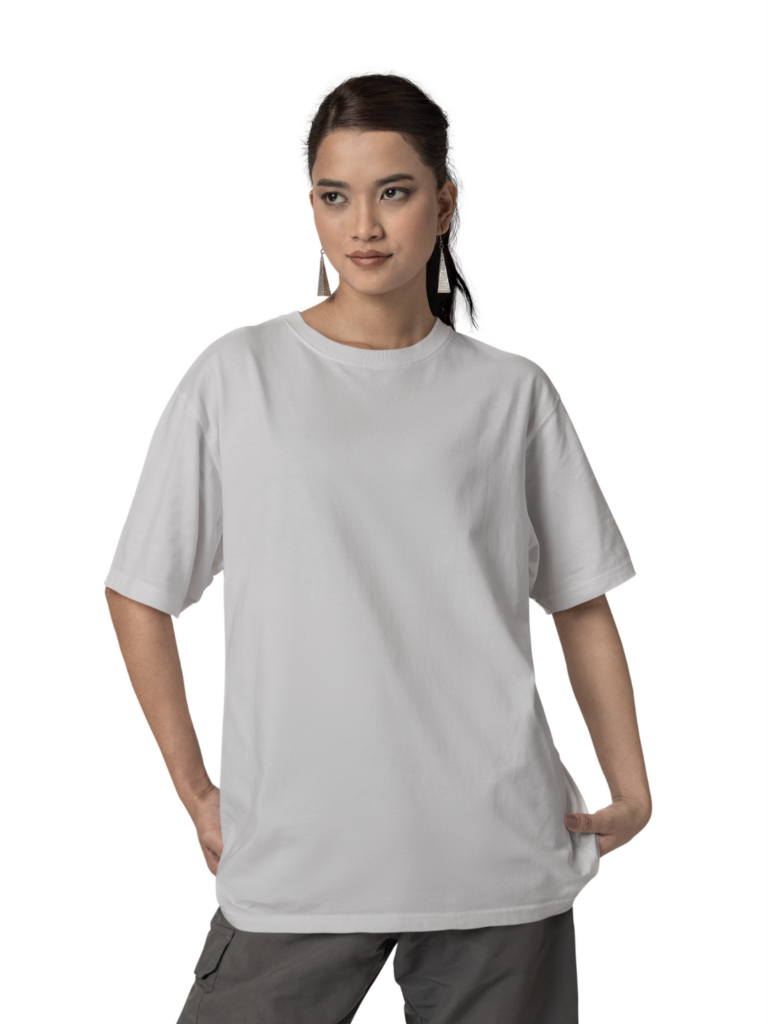
Grey can make a purple-based outfit feel less sharp than black and less bright than white. It is useful when you want the colour to be present without dominating every part of the look. The reference shows a grey tee, which could sit beneath a purple layer; grey trousers or a grey jacket can provide the same supporting role in a different position.
Try a lavender top with medium-grey trousers for a quiet combination. A rich purple tee with charcoal bottoms gives more contrast while staying within a contained palette. Compare the actual shades rather than assuming all greys are interchangeable. A light mixed grey and a dark solid charcoal will change the outfit in different ways.
Texture can add interest when the colours are restrained. Denim, a smooth tee and a softly textured outer layer create variation without another print. Make sure the fabrics sit comfortably together. A thick inner tee can make a close jacket pull, while a very loose top may bunch beneath a narrow cardigan. Fit still matters even when the colour pairing looks easy.
If you prefer skirts, a grey skirt with a purple tee offers another option. Choose the skirt shape for movement and comfort, then check the top’s hem. A slight tuck can reveal the waistband, but it is not compulsory. You can also use a shorter tee or leave a relaxed outline if that feels more natural.
For shoes and bags, begin with the items already used in your grey outfits. Black, white, navy or brown may each work depending on the rest of the palette. Do not add a new accessory just to match a small purple detail. First assess whether the outfit already feels complete when you are wearing it normally.
A grey base is especially helpful when testing an unfamiliar purple. It gives you a quieter surrounding colour so you can judge the top itself. If the shade feels too strong, try a lighter purple or show a smaller amount under a layer. If it feels too pale, increase the contrast with darker grey rather than changing every garment.
Think of the combination as a repeatable formula rather than one fixed outfit: purple family plus grey, with proportions chosen for the day. That formula can work with jeans, trousers, skirts or layers you already own. The flexibility is what makes it useful, and it allows you to enjoy seasonal colour without building a separate wardrobe around every new shade.
Black: add contrast and plan your weekly combinations
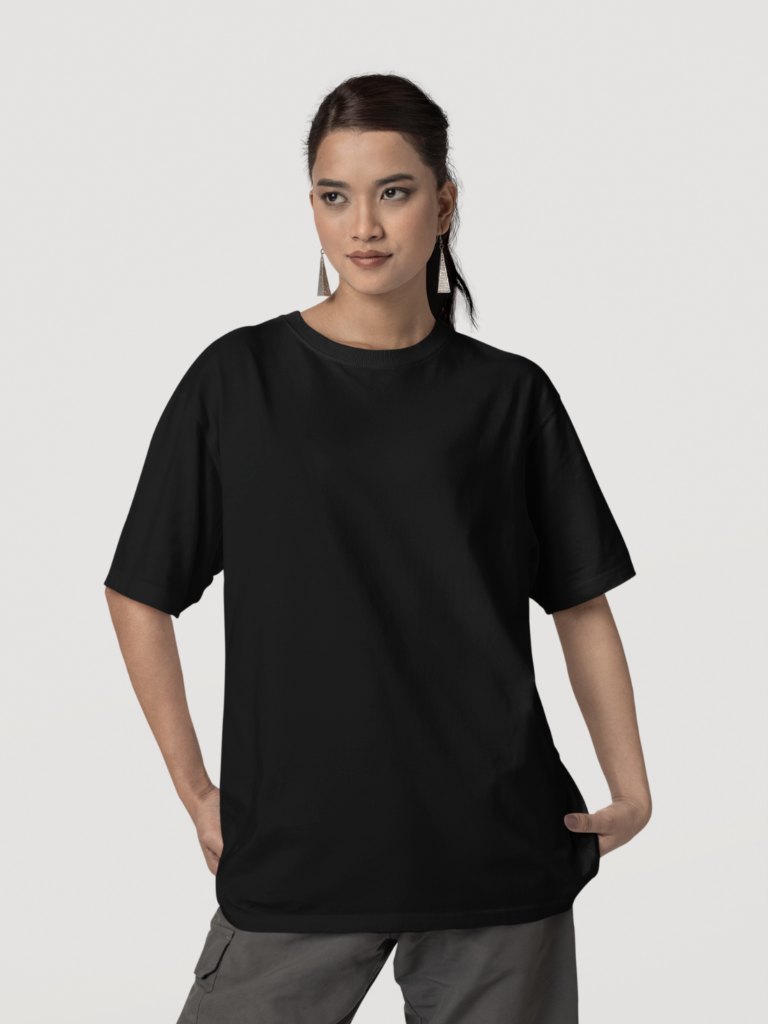
Black provides a strong base for purple and lavender. A rich purple top with black trousers creates a clear focal point, while lavender against black gives a more pronounced light-dark contrast. The black tee pictured here can also sit beneath a purple outer layer. Choose where you want the colour before deciding which garment to buy.
For a relaxed evening, try a purple tee with black jeans and your usual comfortable shoes. Add a jacket only if the conditions require it. For a softer daytime outfit, swap the rich purple for lavender while keeping the same bottoms. This is a useful way to compare two moods without changing the rest of the outfit.
If you prefer an all-black base, a purple shirt or cardigan can become the accent. Check the outer layer’s length and sleeve room over the tee. A garment that looks good open may feel different when buttoned, so test both if both matter. You should also like the black base when the coloured layer comes off.
Plan a small rotation rather than buying several near-identical purple tops. You might use one rich-purple tee with dark jeans, one lavender tee with grey trousers and an existing neutral top beneath a purple layer. These are examples, not a required shopping list. If one tee already makes several outfits, you may not need another garment at all.
Before ordering, compare measurements with a familiar top and review the current listing. Confirm the selected colour, material, size and return information. The article’s images are references from the media collection, not a guarantee of availability. A good colour choice still needs a useful fit and fabric to become part of your week.
After wearing the combinations, identify the one you reach for most easily. Keep that formula and vary only a small detail when you want a change. You might switch the trousers, add an open shirt or choose a different shoe for the activity. Repeating a successful combination helps the new colour feel natural instead of leaving it reserved for a special occasion.
A practical three-outfit test can make the decision clearer: rich purple with black denim, lavender with grey trousers, and white beneath a purple layer you already own. If each uses familiar shoes and a useful bag, the palette is working. If a combination needs several additional purchases, simplify it. The purpose of exploring purple and lavender is to create more enjoyable ways to get dressed, not to make every morning more complicated.
Frequently asked questions
What is the difference between purple and lavender outfits?
Rich purple usually creates a stronger colour focal point, while lavender offers a lighter contrast. The exact effect depends on the shade and surrounding clothes. Compare the actual garments rather than treating every member of the colour family as identical.
Can I wear lavender with black?
Yes. The contrast can make the pale colour clearer. Try it with black jeans, trousers or a skirt and use the shoes that suit your plans. You do not need matching lavender accessories.
Which neutral should I try first?
Start with the neutral you already wear most often. Black gives stronger contrast, grey can feel quieter, and white or cream creates a lighter combination. Existing clothes are a better first test than buying a new neutral for one coloured top.
Do purple outfits need to be fitted?
No. Regular, relaxed and oversized shapes can all work. Check hem length, sleeve room and the relationship with your bottoms. A comfortable silhouette matters more than a rule about how a particular colour should fit.
Can these colours work beyond summer?
Yes. Use layers and fabrics suited to the actual temperature. A pastel is not restricted to warm weather, and a deep purple is not automatically warm. Separate the colour choice from the practical garment choice.
More Namakool style guides
Make the look your own
Explore everyday tees, polos and casual layers at Namakool.