Red and coral outfits for women can add colour without requiring a dramatic change in clothing shape. Start with a tee you enjoy wearing, then build around familiar jeans, trousers or a skirt. Red gives a stronger accent; coral brings a warmer pink-orange direction. The shade you prefer and the clothes you own matter more than following one exact formula.
Red appears in InStyle’s current fall styling coverage. Coral is included here as a wearable alternative, not as an identical colour or a claim of equal trend popularity. The practical outfit suggestions are intended to help you use the palette in everyday life.
The images are existing Namakool colour references. Some sections show a supporting shade or an alternative, identified in the caption. Check each current product listing for availability, measurements and fabric details rather than treating a media image as a stock promise.
Bright red: make a familiar outfit feel different
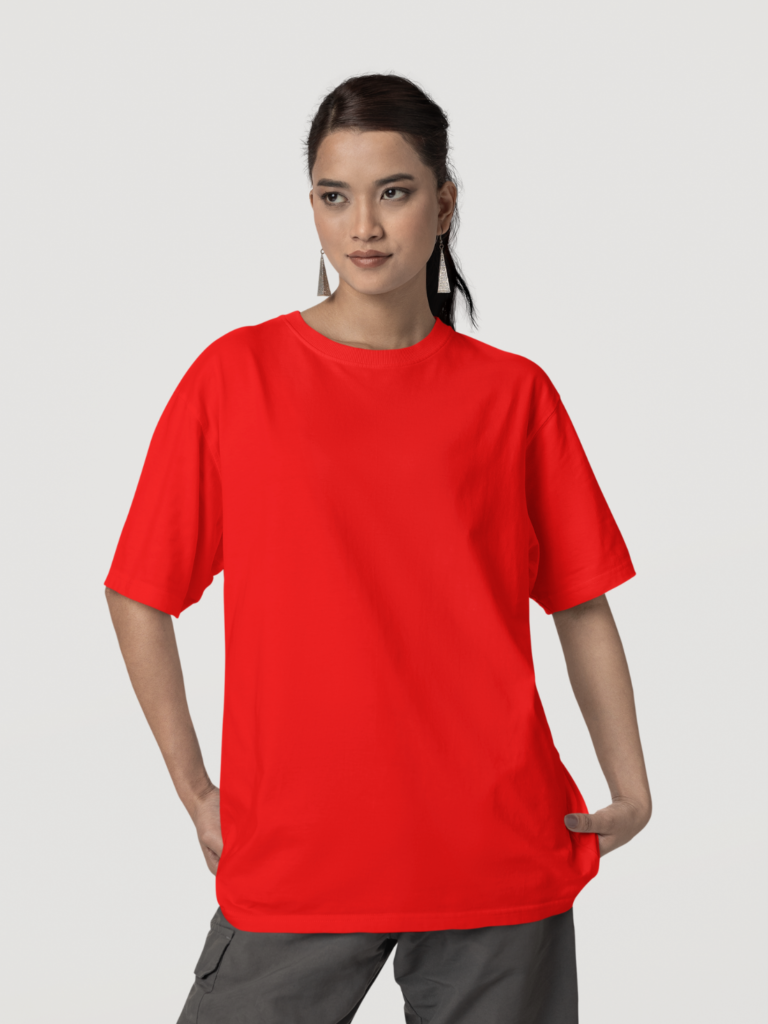
A bright red tee can change the mood of ordinary jeans quickly. Keep the first outfit simple so you can see whether you enjoy the colour itself. Your usual denim, comfortable shoes and everyday bag are enough. You do not need red lipstick, red footwear or another matching accessory to make the top look deliberate.
Choose the jeans according to your preferred shape. Straight, relaxed and wider legs can each work with red. The useful comparison is between the tee’s hem and the trouser rise, not between a colour and an assumed body type. Try the top loose, then experiment with a small tuck if the fabric sits comfortably. Keep the version that does not need constant adjustment.
A denim skirt provides another familiar base. Decide on skirt length and movement first, then bring in the red tee. A straight skirt may work with a roomier top, while a fuller skirt might lead you to prefer a shorter hem. Those are options to compare, not rules. Sit and walk in the outfit before deciding whether the proportions work for your day.
If a full red top feels intense, show less of it beneath an open shirt or jacket. The visible panel becomes an accent rather than the whole upper half of the outfit. Choose an outer layer with enough shoulder and sleeve room. A colour combination is not successful if the clothes pull or bunch whenever you move.
Consider the exact red rather than just its name. A warmer tomato shade and a cooler cherry shade can look different with the same denim. Studio lighting and screen settings may also change the appearance. Inspect several product photographs, confirm the selected option and avoid assuming that two garments called red will match each other.
For an easy evening version, keep the top and change only the bottom or outer layer. Charcoal trousers, a simple jacket and suitable shoes can give a different mood from daytime denim. Follow the setting’s dress expectations; the colour itself does not make a tee formal. A useful garment should fit several realistic combinations, not depend on one carefully planned occasion.
After wearing red for a normal day, note whether the shade, fit or styling felt unfamiliar. Those are different issues. If you liked the colour but disliked the neckline, choose a better neckline next time. If the garment felt good but the shade was stronger than you wanted, try a smaller visible area or a deeper red before replacing the entire outfit.
Coral: use a warmer pink-orange accent
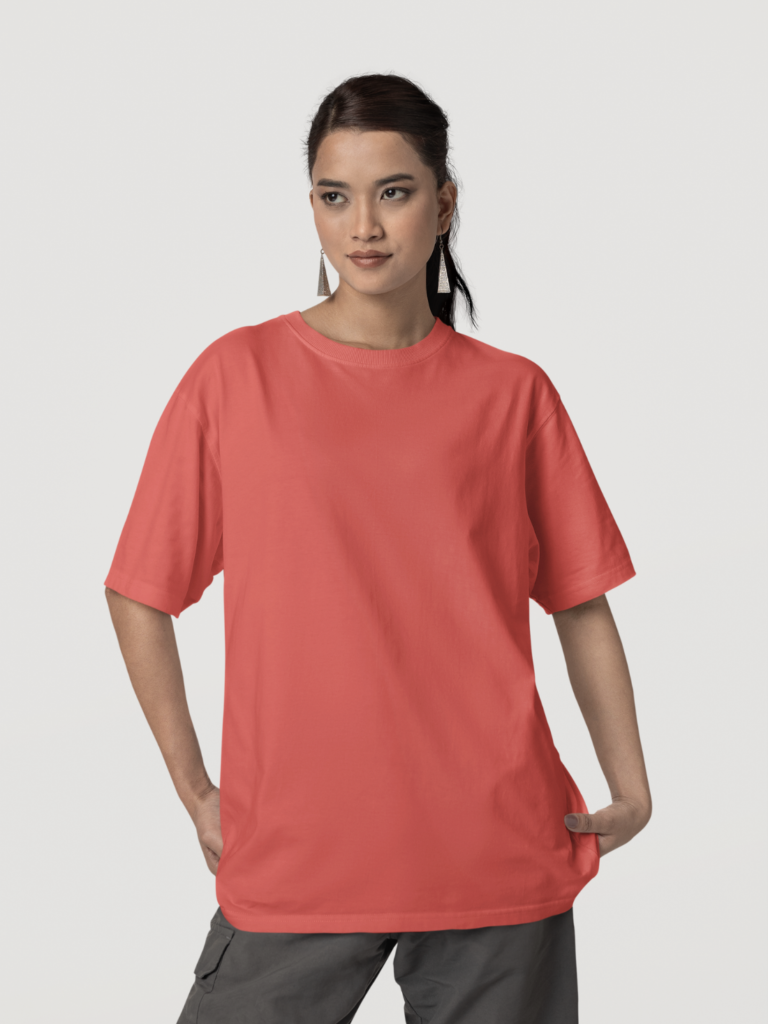
Coral offers a warm colour option between pink and orange. It can feel softer than a very bright red while still giving an outfit a clear focal point. Coral and peach are not interchangeable names, and different sellers may use coral for shades that lean more pink or more orange. Judge the actual garment before planning a match.
Start with faded blue denim if you want an uncomplicated casual outfit. The familiar jeans help the warm top feel easy to wear. For a darker base, try navy trousers. Light grey gives another option when you want the palette quieter. Use the bottoms that suit your activities rather than buying a new pair solely because of a colour suggestion.
A coral tee can work with a skirt in the same way it works with jeans: first choose a comfortable shape, then check the hem relationship. A plain skirt makes the colour easier to judge. If you enjoy a pattern, try it with the coral top before adding further details. You may already have enough interest without a statement bag or several accessories.
White or cream can lighten the outfit, but compare them separately. A bright white outer shirt creates a sharper contrast, while cream can make the combination feel warmer. You can move that light colour into footwear or a bag if an extra layer would be uncomfortable. Styling should remain practical for the temperature and the amount of walking involved.
Check the top’s fabric and coverage independently from the shade. A warm-looking coral does not tell you whether the material is light, thick or comfortable in your climate. Read the composition and size information. If the tee is meant to be worn alone, make sure its neckline and opacity meet your preference in ordinary lighting.
For a small travel wardrobe, test coral with both a light and a dark bottom. Use the same shoes and bag if possible. This shows whether the colour adds useful variety or requires its own set of supporting items. A top that makes two or three easy outfits is more practical than one that looks good only with pieces you do not own.
Do not force coral into a colour category that does not help you. You can simply choose the shade because it looks good with your clothes and feels enjoyable to wear. Seasonal inspiration can introduce the idea, while your own wardrobe decides how it becomes useful. Keep the successful combination and vary one detail at a time when you want a different mood.
Make the look your own
Explore everyday tees, polos and casual layers at Namakool.
Maroon: choose depth when bright red feels too strong
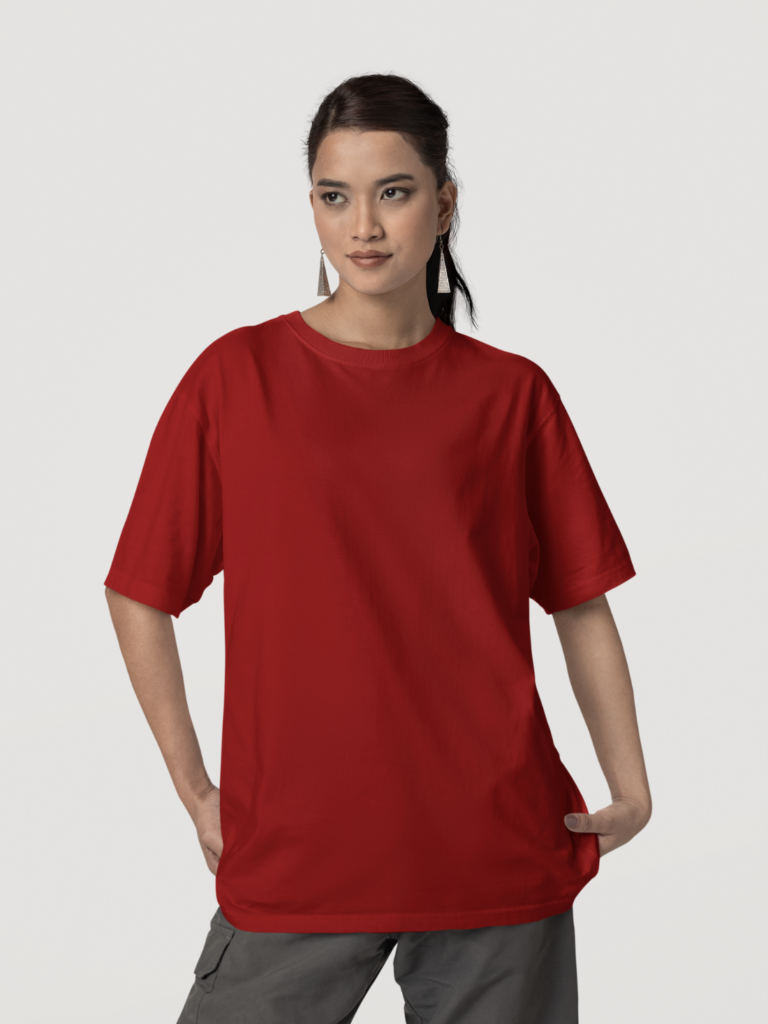
Maroon gives you a deeper red-family option without the same brightness as the red tee above. It can be useful if you want richness near the face but prefer the rest of the outfit quiet. Burgundy, wine and maroon are related descriptions, not exact guarantees of one shade. Compare the garment with your own clothes before assuming it will behave like a reference.
Pair maroon with grey trousers for a contained palette. Beige bottoms introduce a lighter, warmer contrast, while dark denim keeps the outfit familiar. Black is another option, especially if it already dominates your wardrobe. You can make the combination lighter with shoes or an open layer rather than replacing the trousers.
For a skirt outfit, consider a plain denim or neutral skirt first. The deeper top can provide enough colour on its own. If you want to tuck the tee, check how the fabric sits at the waistband and whether it remains comfortable while seated. A relaxed untucked shape can work as well when the lengths feel right.
Maroon can also be a useful layer colour. If you own a cardigan, shirt or hoodie in a similar family, a neutral tee underneath may create more combinations than another maroon base. Do not assume the two reds will match exactly. If their difference feels awkward, wear them on separate days and connect each with familiar neutrals.
A deeper shade can suggest an autumn palette visually, but the actual garment still needs to suit the weather. Choose fabric and layers according to the conditions. A maroon tee can be useful on a warm afternoon, while a heavier layer may suit a cool evening. The colour does not determine the warmth.
Compare red, coral and maroon as different roles rather than three compulsory purchases. Red may be your strongest accent, coral a warmer casual choice and maroon a deeper option for darker outfits. You might need only one. Look at which bottoms and outer layers you already own, then select the shade that creates the most outfits you want to wear.
If you are unsure, use a simple test: choose one pair of jeans and one pair of trousers, then imagine each shade with both. Keep footwear and bag unchanged. This removes distractions and shows which colour integrates naturally. The best first purchase is often the one that feels useful immediately, not the shade with the most exciting description in a trend article.
Baby pink: compare a softer palette before buying
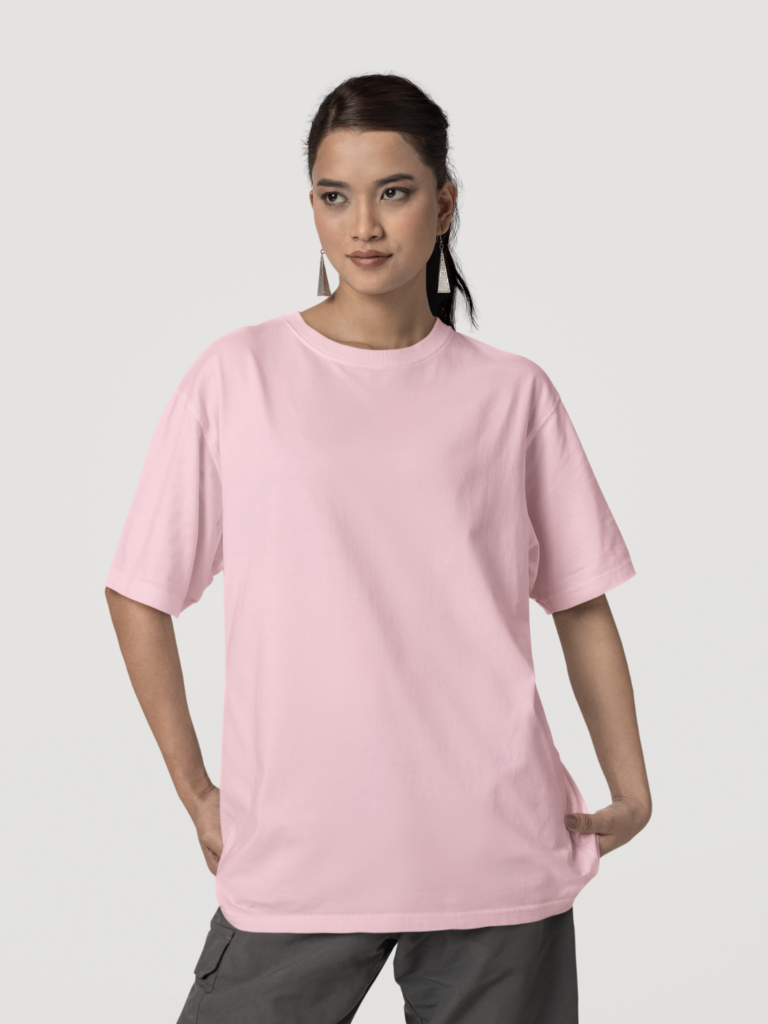
Baby pink is a useful comparison when you like the warmth of a red-family outfit but want less intensity. It creates a different result from coral, even when both look soft in a product image. The pink reference here is included as an alternative, not as a substitute photograph for red. Keeping the names clear helps you choose the garment you actually want.
Try pink with the same navy or grey bottoms you considered for coral. You may find that one shade feels more natural with your existing shoes and outer layers. There is no need to decide which colour is universally more flattering. The useful question is which version you enjoy wearing and can repeat without extra purchases.
You can also combine red and pink if you like a stronger colour statement. Start with a clear difference in area or depth, such as a pink tee beneath a red layer you already own. Keep the trousers and shoes simple while you assess the combination. Two colours can work together without matching, but you should not feel obliged to wear them together just because they share a family.
For a quieter approach, let pink and red serve different days in a small wardrobe. A pink tee may suit a soft daytime outfit, while a red top provides a stronger option. The same jeans can support both. This creates variety through one change instead of requiring separate complete outfits.
Check the pale fabric’s coverage and finish. A light colour in a product photograph does not reveal every aspect of the garment. Read the listing, compare measurements and consider the underlayers you normally wear. Comfort and opacity preferences are personal, so choose the construction that supports yours rather than assuming all pastel tees behave identically.
Keep accessories familiar during the comparison. A different shoe, bag and necklace can make it hard to tell whether you prefer the colour or the whole new styling. Try the shades with the same supporting pieces first. Then adjust one detail if needed. This makes shopping decisions clearer and helps avoid purchases based only on a highly styled photograph.
If you already own a pink top, it can help you test the rest of the outfit before adding red or coral. Build the combination with familiar bottoms and a useful layer, then consider how the stronger colour would change it. You may discover that the wardrobe needs no new item, or that one carefully chosen tee would add exactly the variety you wanted.
White and cream: make a repeatable outfit plan
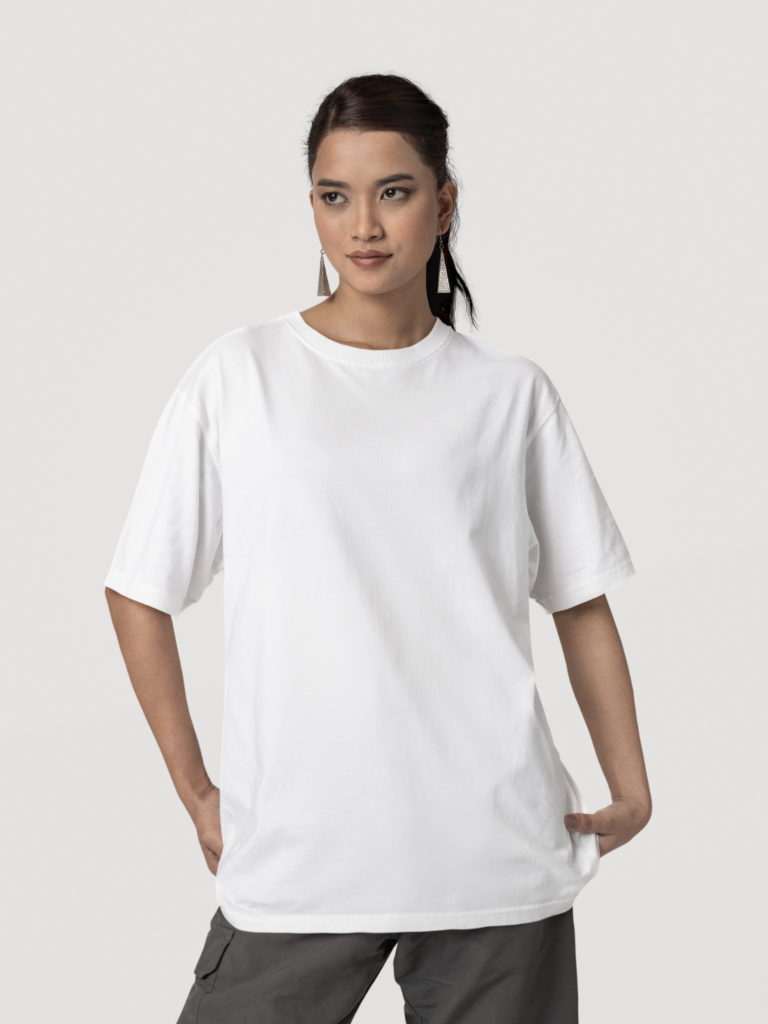
White and cream can connect a red or coral piece to the rest of your wardrobe. A white tee can sit beneath a coloured shirt, while light trousers can support a red top. The reference shows the neutral side of that relationship. Decide where you want the accent before choosing which garment to buy.
For an easy first outfit, use a red tee with denim and familiar trainers. For a second, try coral with navy trousers. For a third, wear a white tee beneath an existing red or maroon layer. These are practical examples rather than a requirement to own three new tops. If one tee already works with two bottoms and a layer, it may be enough.
Compare white and cream in the context of your shoes and outerwear. Bright white can create a clearer separation from warm coral, while cream can feel softer. You do not need every pale neutral to match perfectly, but you should like the way the pieces look together. View them in daylight instead of relying only on colour names.
A white base also helps when the coloured garment is patterned. Keep the central tee plain so you can assess the pattern without adding another competing detail. If the outfit feels too busy, simplify one element rather than assuming red itself is difficult. Often the issue is the amount of pattern or the proportions, not the colour family.
Before ordering anything, compare its measurements with a top you already like. Check chest width, length and sleeve information where provided. Think about whether the garment will be tucked, worn loose or layered. A colour that works beautifully can still be an unhelpful purchase if its shape does not suit the way you dress.
Review the care instructions and selected colour option on the current listing. Product images from the media collection do not confirm today’s stock, price or fabric. Avoid relying on an old reference when the actual product details differ. The purchase should be based on the current item, while the article supplies the styling idea.
After wearing the combinations, note which one felt easiest. Repeat that formula and change only a small detail when you want variety. You might switch from jeans to trousers, add a light layer or use different shoes for the activity. A reliable formula is more valuable than a wardrobe full of colours that require constant planning.
A useful final check is whether the new top works with your usual bag and outer layer. Those items appear in real life even when they are absent from inspiration pictures. If the full outfit remains comfortable and coherent with them included, you have a combination worth keeping. Let red or coral add enjoyment to your routine rather than making the routine depend on a perfect set of matching accessories.
Frequently asked questions
Is coral the same as peach or pink?
No. Coral generally sits between pink and orange, but sellers use the name for different shades. Peach and baby pink can create noticeably different outfits. Inspect the actual product and several photographs rather than relying on a broad colour label.
What bottoms work with a red T-shirt?
Blue denim, charcoal trousers, black bottoms and neutral skirts are useful starting points. Choose the shape you already enjoy wearing. The tee’s length and fabric matter as much as the colour combination.
Can I wear red and pink together?
Yes, if you enjoy the result. Begin with a clear difference in area or depth and keep the rest of the outfit simple while you compare it. You can also use the colours on separate days with the same neutral bottoms.
Is maroon easier to wear than bright red?
Some people prefer its deeper appearance, but it is a matter of preference rather than a universal rule. Compare both with your own trousers and layers. A darker colour still needs a comfortable fit and useful fabric.
Do I need red shoes or a matching bag?
No. Familiar neutral accessories can support the outfit. Start with items suited to your day, then decide whether any additional detail is needed. Exact matching is optional and often less important than comfort and proportions.
Can these outfits work in cooler weather?
Yes. Add layers appropriate to the actual temperature, making sure the sleeves and shoulders have room. A warm-looking colour is not evidence of a warm fabric, so read the garment information separately from the styling advice.
More Namakool style guides
Make the look your own
Explore everyday tees, polos and casual layers at Namakool.