Blue and green outfits for women can range from a bright royal-blue tee to a quiet olive layer. You do not have to wear both colours together. Start by choosing whether you want a strong accent, a deeper shade or a light contrast, then use the jeans, trousers and skirts you already own as the base.
Blue-green colour is receiving current fashion attention, including The Times of India’s October coverage of aqua. This guide includes related wardrobe options and dependable greens, not a claim that petrol blue, olive and aqua are identical or equally trending.
The pictures show existing Namakool colour references. Each caption identifies the shade illustrated. Current product availability, fabric, measurements and price should be checked on the individual listing. The outfit ideas are starting points you can adapt to your own comfort, activities and weather.
Royal blue: a strong accent with quiet supporting pieces
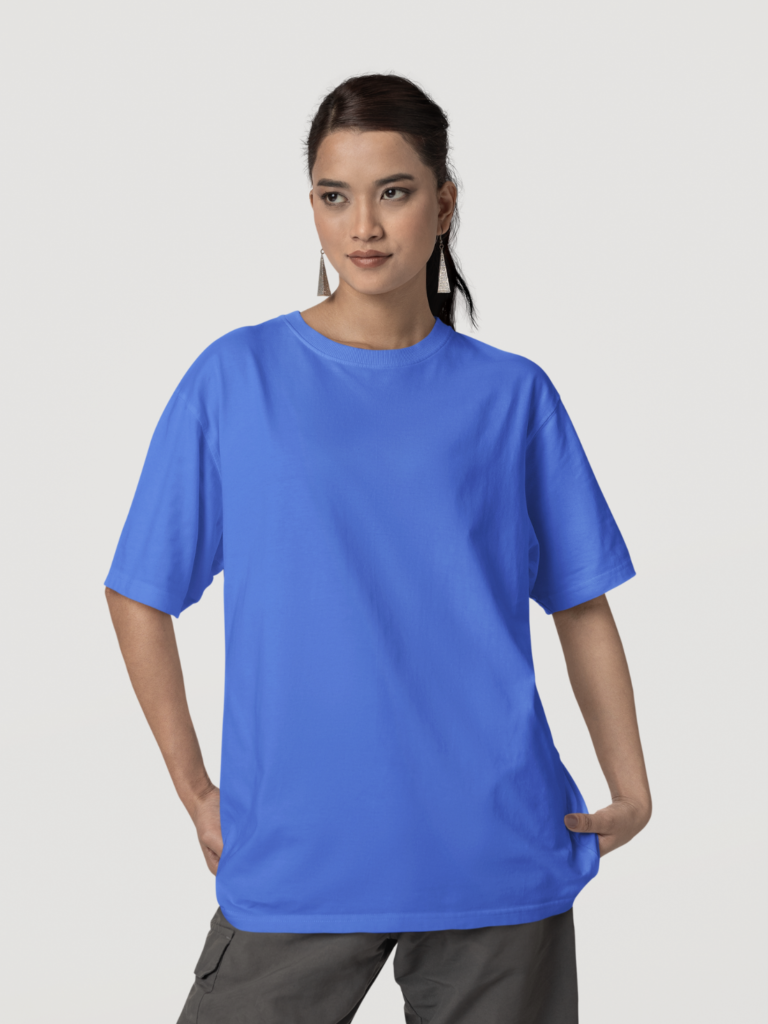
Royal blue is useful when you want the top to become the main colour in an outfit. A plain tee lets you try that effect without adding a pattern or unusual neckline. Keep the first combination familiar: jeans you enjoy, comfortable shoes and your everyday bag. This makes it easier to judge the colour rather than a whole set of new pieces.
Black trousers create a clear contrast, while cream or off-white bottoms give a lighter result. Grey offers another option if you want the blue to remain noticeable without the sharpest light-dark division. Compare the actual garments together. A colour chart cannot fully show the effect of different fabrics, finishes and proportions.
With blue denim, decide whether you want separation or a tonal look. A dark indigo jean can sit clearly apart from a bright top, while a lighter wash creates another kind of contrast. Two almost-matching blues may feel deliberate or slightly awkward depending on your preference. Look at the combination in daylight before assuming it works because both pieces are blue.
If you wear skirts, start with a plain denim or neutral one. Choose the skirt shape according to movement and comfort, then check the tee hem. A small tuck can show the waistband if you want it, while a relaxed untucked shape can be equally useful. The colour does not require a particular silhouette.
A neutral outer layer can reduce the visible area of blue when you prefer a quieter outfit. Check that it fits over the tee’s shoulders and sleeves. You should still like the outfit when the layer comes off, so choose a top with the coverage and neckline you want independently. A successful layered outfit works in more than one state.
Keep footwear practical rather than searching for an exact blue match. Neutral shoes can support the outfit, and the trouser or skirt hem should work with their shape. If the combination feels unfinished, check proportions before adding accessories. A different hem length may solve the issue more effectively than another colour.
Once you have worn the tee through a normal day, decide whether the shade deserves more space in your wardrobe. You might enjoy it as a single accent rather than a colour repeated across several garments. That is a useful role. A strong blue does not need to become a full wardrobe theme to be a successful seasonal update.
Petrol blue: explore a deeper blue-green direction
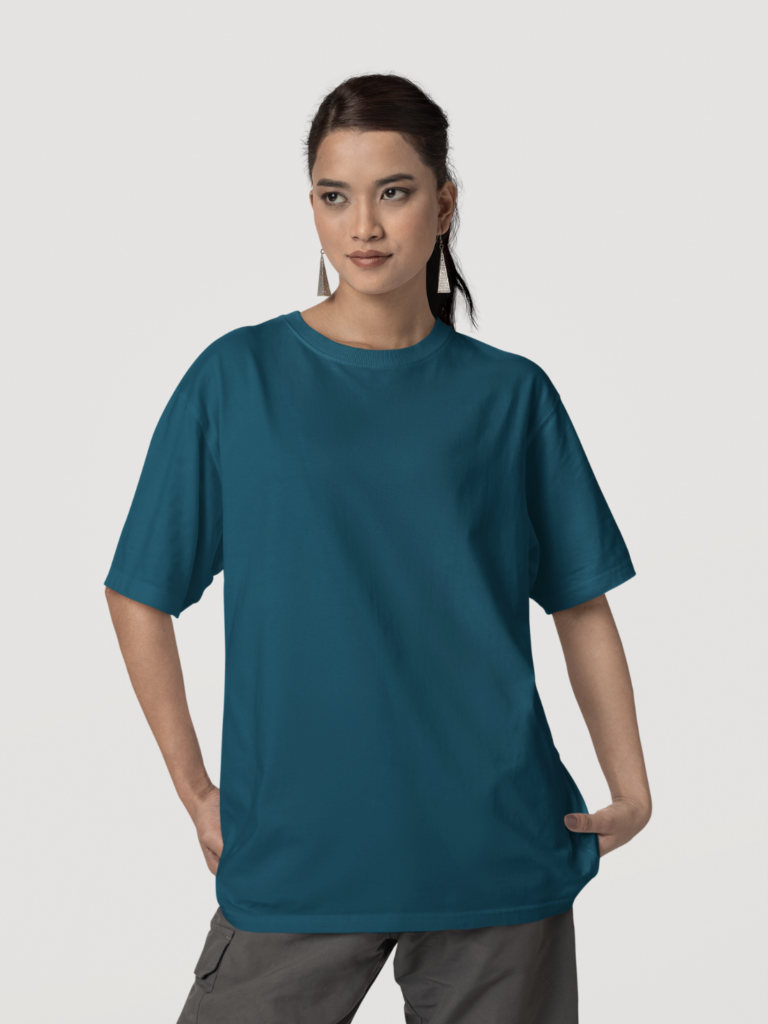
Petrol blue gives you a deeper option between straightforward blue and green. It is distinct from pale aqua or bright turquoise, even though all can be discussed within a broader blue-green family. That distinction matters when shopping: a product name should help identify the shade, not promise a match to every trend reference.
Try petrol blue with light stone trousers for a clear contrast. Dark jeans give a more familiar casual combination, while grey bottoms can keep the palette quieter. Use the supporting colour you already wear most often. A new tee becomes useful more easily when it works with familiar clothes instead of requiring a complete outfit purchase.
For a skirt combination, consider a plain neutral or denim skirt first. The deeper top can provide enough colour on its own. Check how the tee’s hem interacts with the waistband and any volume in the skirt. If the outfit feels too heavy visually, you might prefer a shorter top or lighter shoe rather than a different colour.
A white or cream outer shirt can frame the petrol blue, but compare those neutrals separately. White creates a sharper division; cream may feel warmer. If you do not need another layer, put the lighter element in footwear or a bag instead. Styling should not add unnecessary fabric just to copy a colour arrangement.
Pay attention to product photography. Blue-green shades can appear more blue on one screen and more green on another. Inspect several images and read the selected colour option. If you are coordinating with an existing garment for a specific purpose, ask the seller when the photographs are unclear. An exact match cannot be assumed from similar names.
Petrol blue can also be part of a deeper outfit with navy or charcoal. Compare the garments in daylight to see whether you like the separation. If the colours look too close for your preference, introduce a clearer neutral contrast. There is no need to force a sophisticated-looking combination if it feels indistinct or uncomfortable to you.
Treat this shade as a possible bridge between your blues and greens, not as a compulsory new purchase. If it works with both the jeans and trousers you own, it may add useful variety. If it needs several supporting items, another blue or green might integrate more easily. The best choice is the one that makes everyday dressing simpler while giving you a colour you enjoy.
Make the look your own
Explore everyday tees, polos and casual layers at Namakool.
Olive green: an earthy base for denim and relaxed trousers
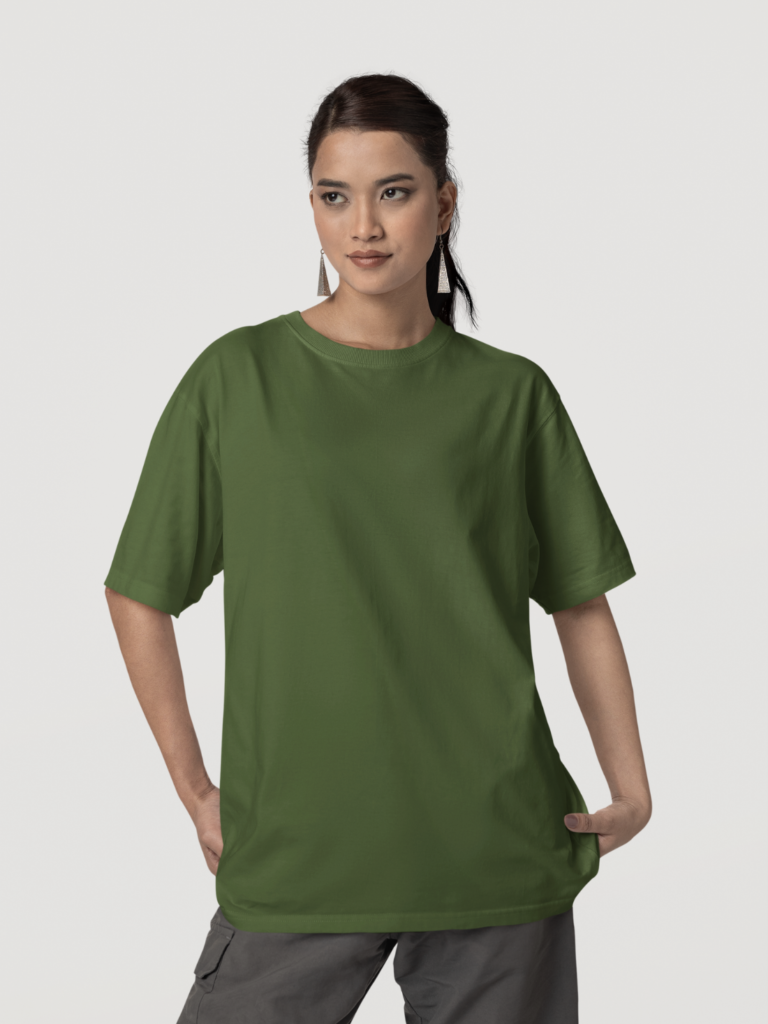
Olive green is a useful choice when you want colour without a very bright effect. It can connect with black, beige, denim and other familiar wardrobe pieces. A plain olive tee does not require a utility-themed outfit; you can use it with ordinary jeans or a simple skirt and let the shade provide the change.
For a straightforward look, pair olive with black straight-leg trousers and comfortable trainers. Beige bottoms create a warmer contrast, while blue denim keeps the outfit casual. The exact shade of olive matters: some versions lean browner, others greener. Compare the actual product with your existing clothes rather than assuming every olive behaves identically.
If you like cargo trousers, choose them because the pockets, fabric and fit suit your day. You do not need cargos simply because the top is green. A roomy tee and wide cargo can create a relaxed silhouette, but check how their volumes overlap. A shorter top or different tuck may change the balance without making the outfit tight.
A denim skirt offers another easy partner. Select a length that lets you move comfortably, then assess the tee hem while sitting and walking. If the top catches at the waistband, the issue may be fabric or length rather than colour. Make the practical adjustment that solves it instead of adding accessories to distract from an uncomfortable fit.
For layering, a white shirt, dark denim jacket or neutral overshirt can each create a different mood. Try the layer with the actual tee underneath. A garment that fits over a slim top may pull over a relaxed one. Check the shoulders, sleeves and back, especially if you expect to carry a bag or spend time seated.
Olive and other greens can form a tonal outfit, but two products with the same broad label may not match. You can choose a clear difference in depth or keep one green garment with neutral surroundings. Exact matching is optional. If you do want a coordinated set, compare the actual fabrics and confirm the selected colour rather than relying only on a name.
A practical wardrobe test is to make an olive outfit for two different days using the same shoes. One might use jeans, another beige trousers or a skirt. If both combinations feel easy, the colour has a clear role. If one requires a new bag, jacket and shoe, simplify it. The aim is to get more use from a well-chosen shade, not to turn a basic tee into a complicated styling project.
Bottle green: choose a rich shade with a simple outline
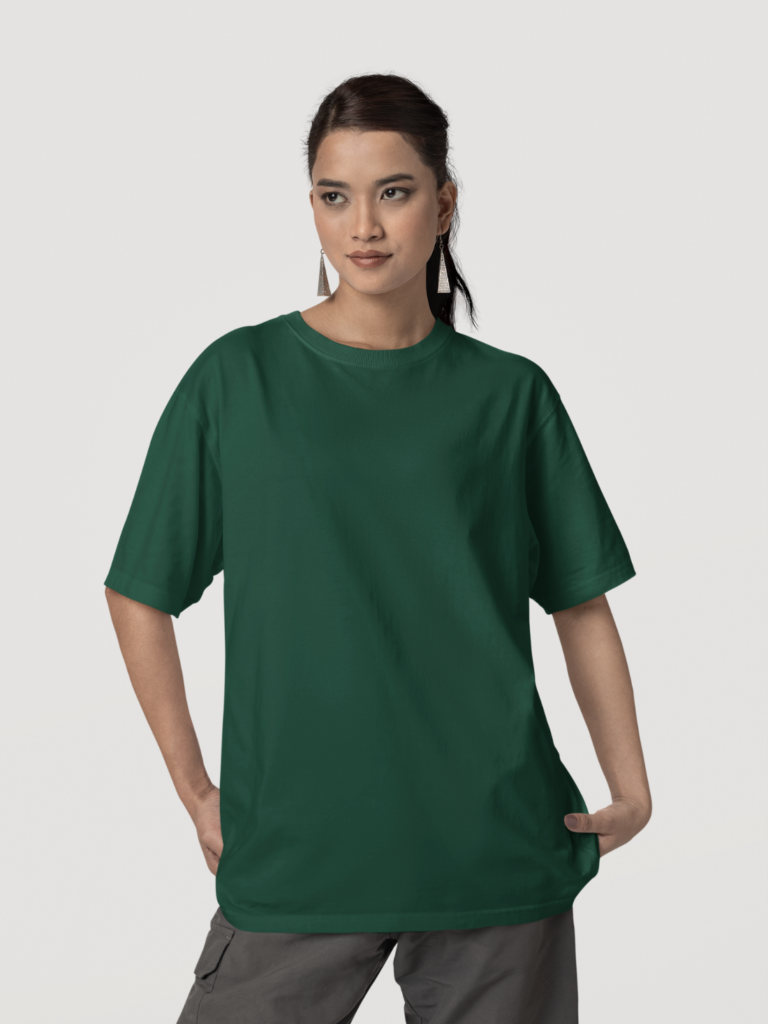
Bottle green gives a deeper, more saturated direction than many olive shades. It can work as a colour alternative when you often choose navy or black. A plain round neckline keeps the focus on the shade, while the garment’s fit decides whether the outfit feels neat, relaxed or oversized.
Try bottle green with off-white trousers for contrast. Charcoal gives a darker combination, and blue denim provides a familiar casual base. Start with the bottom you already wear most often so you can judge the new top clearly. You do not need green footwear or a matching bag to make the outfit coherent.
With a skirt, compare the amount of volume above and below the waist. A loose tee with a straight skirt creates a different outline from the same tee with a full skirt. Both may work, but the hem length becomes important. Try the garment untucked and then adjust only if you want a clearer waistband.
Bottle green can also sit beneath a neutral layer. A cream shirt makes the outfit lighter, while charcoal or navy creates a deeper palette. Check how the two shades separate in normal light. If they feel too close, use a clearer contrast instead of assuming that a subtle pairing is automatically more stylish.
A darker colour does not guarantee better coverage or a heavier fabric. Read the listing’s material information and inspect the garment details. The same shade can appear in tees, polos and hoodies with very different uses. Choose the garment type for your local conditions and routine, then choose the colour within that practical decision.
If you are comparing bottle green with petrol blue, lay each beside the same trousers and shoes. One may connect better with your existing clothes, or they may serve different roles. You do not need both simply because they are appealing in isolation. A useful comparison includes the whole outfit and how often you would wear it.
For a small rotation, bottle green can be the deeper accent alongside a lighter blue tee and a neutral basic. That gives different moods without requiring a new set of bottoms. Try those combinations before purchasing more colours. The wardrobe becomes more flexible when the pieces work together, not merely when each one looks attractive on its own.
Before ordering, confirm the selected shade and size, compare measurements and review care instructions. The image here is a media reference, not a guarantee of current stock. A rich green can become a regular favourite when the fit and fabric suit your life; without those details, even a beautiful colour may stay at the back of the wardrobe.
Sky blue: lighten the palette and plan repeatable outfits
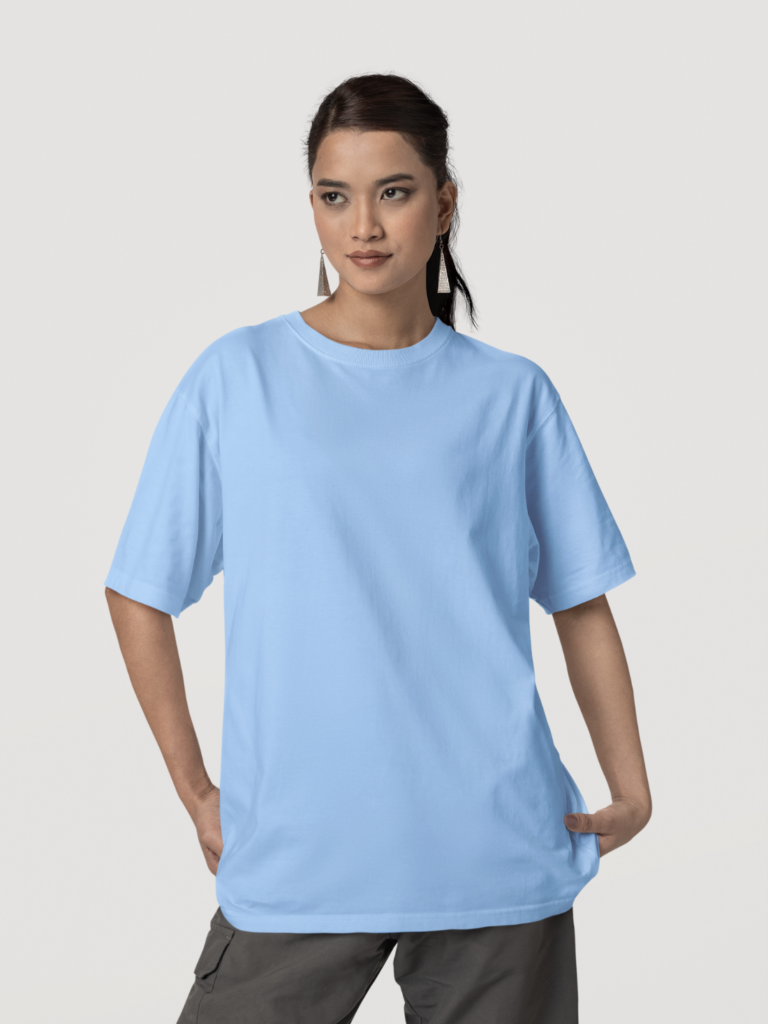
Sky blue offers a lighter option when royal blue feels too strong and the deeper shades feel too dark. It can work with the same jeans and trousers used elsewhere in this guide, making it a useful comparison rather than a completely separate wardrobe direction. Check the exact shade, since sky blue, baby blue and aqua are not interchangeable labels.
Pair a sky-blue tee with dark denim for clear separation between the two blues. White or cream trousers create a lighter outfit, while charcoal keeps the bottom practical and quiet. A navy outer layer can add depth without needing an exact colour match. Compare the pieces together in daylight before deciding which relationship you prefer.
For a skirt outfit, begin with denim or a plain neutral. The light top can make the outfit feel different from the same skirt worn with bottle green or petrol blue. This is a good way to create variety through one change. Keep the shoes and bag familiar while you assess the colour, then adjust details only if there is a reason.
Pale colour does not make a garment suitable only for summer. You can wear sky blue beneath a warmer layer when the conditions require it. Equally, a deep green tee may work on a warm day if the fabric and fit are appropriate. Separate the visual palette from the practical questions of warmth, coverage and comfort.
Build a three-outfit plan using actual clothes: sky blue with dark jeans, olive with beige trousers, and petrol blue beneath a light shirt. These are examples rather than a shopping list. If you own only one coloured tee, test it with multiple bottoms first. One versatile item may be more valuable than several shades with no clear supporting pieces.
Think about your ordinary accessories when planning. A bag large enough for work or college and shoes suitable for walking will appear in real life even if they are missing from inspiration photographs. Include them in the test. An outfit that works only after replacing all those practical items may be less useful than a slightly simpler combination.
Before making the final purchase, compare the new colour with at least two bottoms and one outer layer you already own. Read the current listing for measurements, material and availability. If the information is unclear, ask the seller rather than making assumptions from an attractive image. This keeps the decision grounded in the actual garment.
After wearing the colour, note which combination felt most natural. Repeat that formula and vary one element when you want a change. You can enjoy blue and green as a flexible palette without owning every shade or mixing them all at once. The goal is a group of outfits that feels personal, comfortable and easy to use across ordinary days.
Frequently asked questions
Can I wear blue and green together?
Yes, if you enjoy the combination. Start with clear differences in depth or area, such as a green tee with dark blue denim, and keep the rest simple. You can also use the colours on separate days with the same neutral pieces.
Is petrol blue the same as aqua?
No. Petrol blue is usually a deeper blue-green, while aqua is commonly lighter or brighter. Sellers may use names differently, so inspect the actual listing and several photographs rather than expecting an exact match from the label.
Which green should I try first?
Compare olive and bottle green with your existing clothes. Olive can provide an earthy direction, while bottle green gives a deeper, richer block of colour. The better first choice is the one you can use in several comfortable outfits.
Can blue tops work with blue jeans?
Yes. Choose either a clear difference in wash and depth or a tonal combination you like. View the actual garments together. Two items both called blue are not automatically a coordinated set.
Do pale blue tees need different care?
Follow the individual garment’s care label rather than assuming all pale colours have one routine. Check sorting, washing and drying guidance on the actual item. Fabric and construction matter as well as colour.
How many new colours should I buy?
Start with one or two that fill a useful role. Try each with existing trousers, skirts, shoes and layers before adding more. A small palette that works together is usually easier to wear than several unrelated colour purchases.
More Namakool style guides
Make the look your own
Explore everyday tees, polos and casual layers at Namakool.