A colourful capsule wardrobe for women is a small group of clothes that can be mixed into several useful outfits. It does not need to be all beige, all black or completely neutral. You can include lavender, pink, mint or blue, provided each colour works with pieces you enjoy wearing.
Who What Wear’s autumn 2026 capsule-colour feature includes both stronger and softer shades. This guide takes that idea into everyday outfit planning, using pastel alternatives and dependable basics rather than claiming every illustrated colour has the same trend status.
The images below are existing Namakool colour references, not a required shopping list. Begin with clothes you own, use the examples to identify a useful gap, and confirm current product details before buying. A capsule succeeds when it supports your actual week—not when it reaches a fixed number of items or looks perfect in a flat-lay photograph.
Choose lavender as one accent, not the start of a shopping list
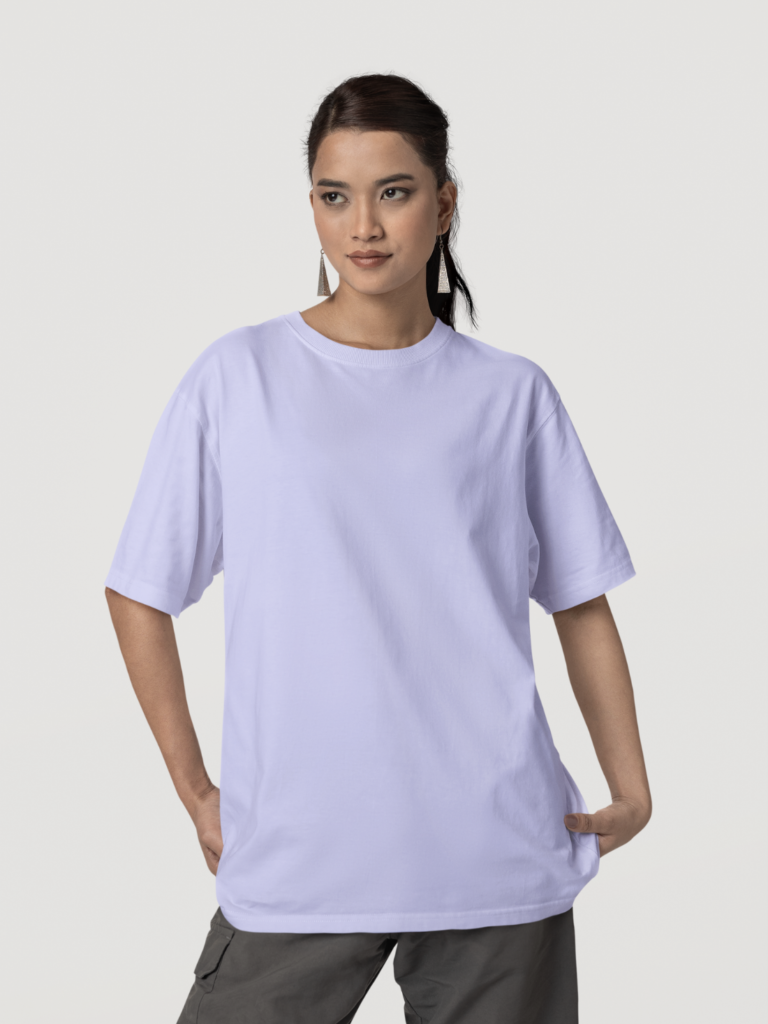
Start with one colour you genuinely enjoy rather than several shades that happen to appear in trend coverage. Lavender is one possible accent: it can sit beside grey, black, cream and denim in different ways. If it is not your preference, use another colour and follow the same planning process. The method matters more than copying the example.
Take out the trousers, jeans or skirts you wear most often. Try the coloured top with at least two of them before considering another purchase. Include the shoes and bag you normally use. This shows whether the colour belongs in your real wardrobe rather than only in an imagined outfit made from pieces you do not own.
Write down the successful combinations. For example, lavender with dark jeans may work for a casual outing, while the same top with grey trousers suits another day. A layer can change the temperature range without changing the base outfit. You are looking for repeated usefulness, not a different complete look for every occasion.
Pay attention to fit during this exercise. If the top needs constant adjustment with every bottom, the problem may be length, neckline or fabric rather than the colour. A capsule relies on garments you are happy to repeat, so comfort is a central requirement. Do not keep an awkward item simply because its shade fits the planned palette.
Avoid buying a matching accessory immediately. Your existing neutral shoes or bag may already support the accent. If something feels missing, identify whether it is a practical need or only a detail from an inspiration image. A useful bag that carries your daily essentials matters more than a smaller one purchased solely to repeat lavender.
Set a clear role for the accent. It may be a casual tee you wear weekly, a layer used on cooler evenings or a top for a particular kind of outing. Naming the role makes it easier to evaluate another similar item. If both would serve exactly the same purpose, decide whether you need the duplication before ordering.
Finally, leave room for your preference to change after wearing the colour. You may discover that lavender works best as a small visible area beneath a darker layer, or that you love it as the main top. Both observations help refine the capsule. Let use guide the next step rather than buying the whole palette before you have learned which combinations feel natural.
Add pink only if it creates a different useful option
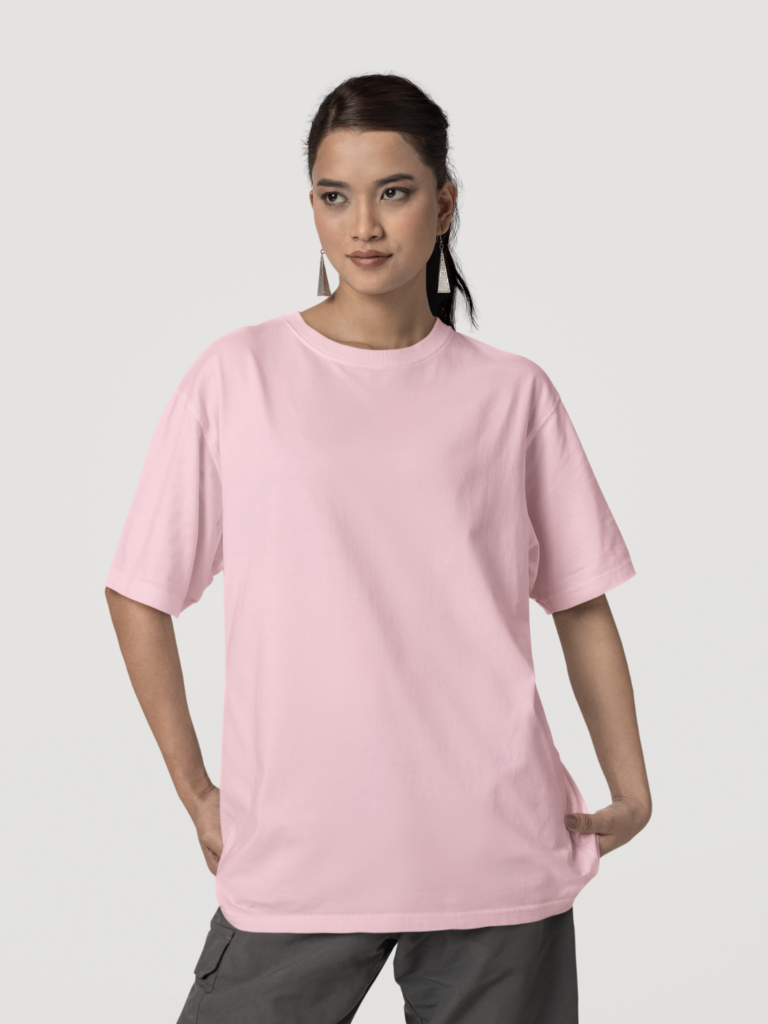
A second colour should do something useful, even if that usefulness is simply giving you a mood you enjoy. Baby pink can provide a warmer-looking pastel alternative to lavender. Before adding it, test whether it works with the same bottoms and layers. If it needs an entirely separate support system, decide whether that fits your idea of a small wardrobe.
Keep the comparison controlled. Use the same jeans, shoes and bag with both tops so you can see what the colour changes. Then try the same grey or navy trousers. This is more informative than comparing two fully styled photographs where every garment differs. You may find that one shade integrates much more easily than the other.
Think about the occasions you actually repeat. A work-from-home day, a commute, college, errands and a relaxed lunch may each have different practical needs. The capsule should cover those needs first. There is little benefit in owning several delicate-looking tops if your everyday routine calls for different coverage, movement or care.
Check fabric and opacity separately from the pastel shade. A pale colour can appear differently in strong daylight than in a studio picture. Read the listing and choose the construction that gives the coverage you prefer. A capsule item must feel comfortable enough to wear repeatedly, not only photograph well when carefully arranged.
You can keep pink and lavender on separate days rather than combining them. A colourful capsule does not require every coloured item to be worn with every other one. It is enough if each connects with the shared neutral pieces. This allows variety without making the outfit combinations harder to manage.
If you like the two pastels together, start with unequal areas, such as one top and a small accessory or an open layer you already own. Keep the rest simple while judging the result. Do not buy extra pieces purely to complete a colour-blocking idea before testing whether you enjoy it in practice.
A useful purchase question is: “What will I wear this with next week?” Answer using named items from your wardrobe, not future purchases. If you can describe two comfortable outfits immediately, the second colour may have a clear place. If the answer depends on new trousers, shoes and a jacket, pause and simplify. A compact wardrobe should reduce the number of decisions and dependencies involved in getting dressed.
You may also decide that one pastel is enough. That is not an incomplete capsule. A small wardrobe can include one accent and several repeatable neutral combinations. The right amount of colour is the amount you enjoy using, not a target set by a seasonal list.
Make the look your own
Explore everyday tees, polos and casual layers at Namakool.
Use mint to test whether your palette needs another direction
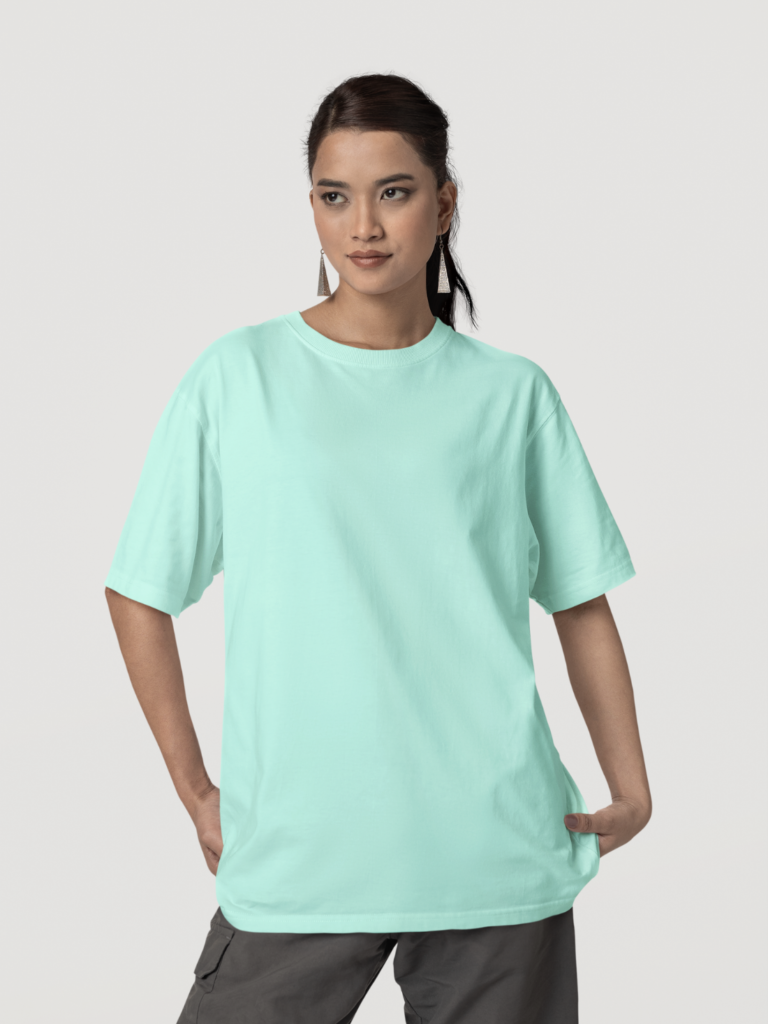
Mint offers a different direction from pink and lavender. It can be useful if you want a light colour with a greener character, but it should earn its place in the same way as any other item. Do not add it only because a capsule photograph looks more interesting with several pastel tops lined up together.
Try mint with dark denim, grey trousers or a light neutral bottom you already own. Notice which pairing feels easiest. A darker base may make the colour clearer, while a pale base can create a softer outfit. Neither approach requires an exact match between shoes, bag and top. Begin with practical accessories already used in those outfits.
Mint is not the same as aqua, sage or petrol blue. These names can describe substantially different shades, and product photography may make the boundaries appear less clear. Check the current listing’s selected colour and inspect more than one view. If you need a precise match to an existing garment, ask the seller rather than relying on a broad name.
Consider how the colour works with your outerwear. A tee that looks good with jeans may still clash with the jacket you wear most days, or it may reveal an interesting combination you had not considered. Put the complete outfit on, including the real bag and shoes. Capsule planning works best when it includes everything you actually carry and wear.
Fit should remain consistent with the role you need. If your lavender tee is relaxed and your mint option is much shorter or tighter, the difference may be useful, but it should be intentional. Compare measurements and decide whether the new silhouette adds another function. A colour change and a fit change are separate decisions that can otherwise become confused.
You do not need a new layer for every pastel. One comfortable neutral overshirt or jacket may support several tops. Check the sleeve room over each, especially if their fits differ. A shared layer is useful only when it physically works with the garments beneath it, not simply because its colour is neutral.
If mint creates only one outfit you like, compare that with how often you would wear it. An occasional favourite can still have value, but it may not be the next priority in a small capsule. Fill practical gaps first, such as a comfortable neutral bottom or a layer that works across the week. Then add another accent when it expands the combinations you already know are successful.
The aim is not to make your wardrobe colourless or overly controlled. It is to understand which pieces connect naturally. Once you know that, adding an unusual shade becomes easier because you can see exactly where it fits and what it would contribute.
Sky blue: connect pastels with your denim and darker layers
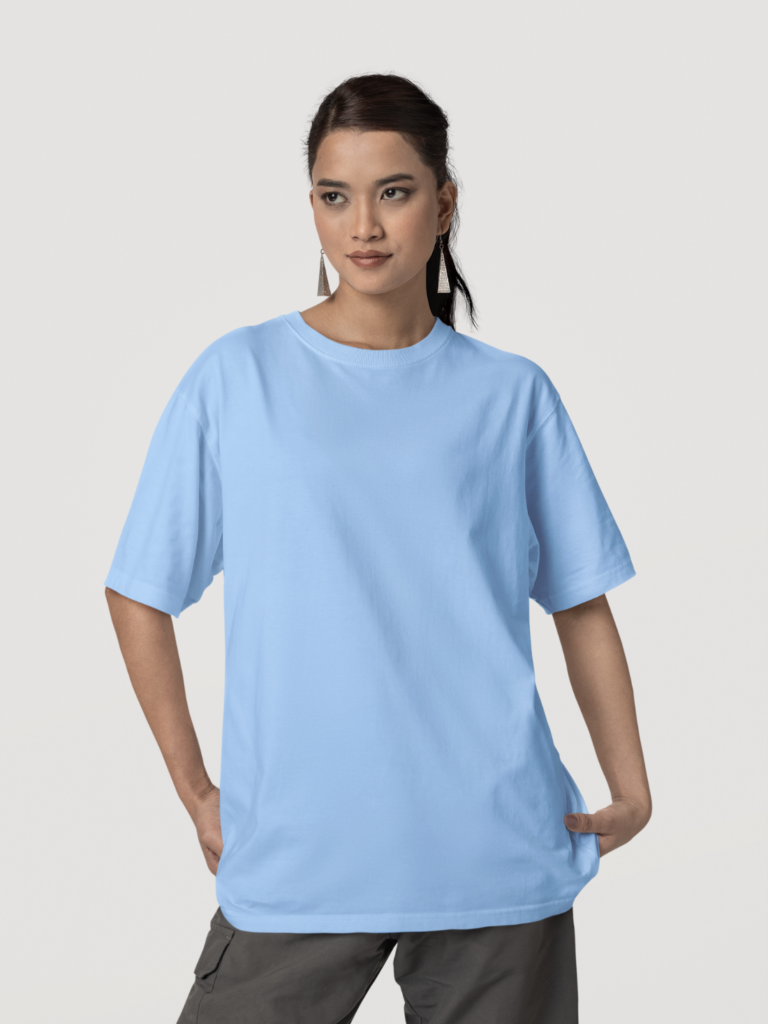
Sky blue can be a useful connector when much of your wardrobe already includes denim, navy or grey. It offers a lighter contrast than a dark blue top without moving completely away from a familiar colour family. That may make it easier to use than another pastel, depending on the clothes you own.
Compare it with different denim washes. Dark indigo creates a clear separation, while lighter denim can produce a softer tonal outfit. Two blues do not have to match exactly, but you should like their relationship. Look at the pieces together in daylight rather than assuming that shared colour names make them automatically coordinated.
A navy outer layer can add depth around the pale tee. Grey or cream creates a different mood. Try the layer open and closed if you expect to wear it both ways, and make sure the base outfit still feels complete when the layer comes off. A capsule needs garments that work through ordinary changes in temperature and setting.
Use sky blue to test your shared footwear. The same comfortable trainers or flats that work with lavender may also support blue, pink and a neutral top. If so, you have several outfits without expanding the shoe collection. If a colour seems to demand different shoes, examine whether that is a real practical need or only an expectation created by a styling photograph.
Plan around your laundry rhythm. A small wardrobe must contain enough suitable clothing for the way you wash and dry it. There is no fixed number of tees that works for everyone. Your climate, activities and care requirements affect that decision. Choose quantities based on your routine rather than a capsule checklist that ignores it.
Seasonal changes can be handled through layers and fabric choices as well as colour. A sky-blue tee can remain useful beneath warmer outerwear, while a heavier pastel garment may be unnecessary in a warm place. Read the garment details and choose the construction that suits the conditions. A palette alone cannot solve practical comfort.
Before adding another blue, compare its role with the one you already own. A navy base and sky-blue accent may provide useful contrast, while two nearly identical pale tees may add less variety. Duplication can still be sensible if you wear that item often, but make it a deliberate decision about use rather than an accidental result of similar product photographs.
Keep a short record of the combinations you reach for most often. Over time, that record reveals whether your capsule is genuinely easy to wear. If blue repeatedly works and another pastel rarely leaves the wardrobe, adjust the next purchase accordingly. The best palette is learned through use, not fixed forever at the first planning session.
Grey basics: turn the colours into a realistic weekly plan
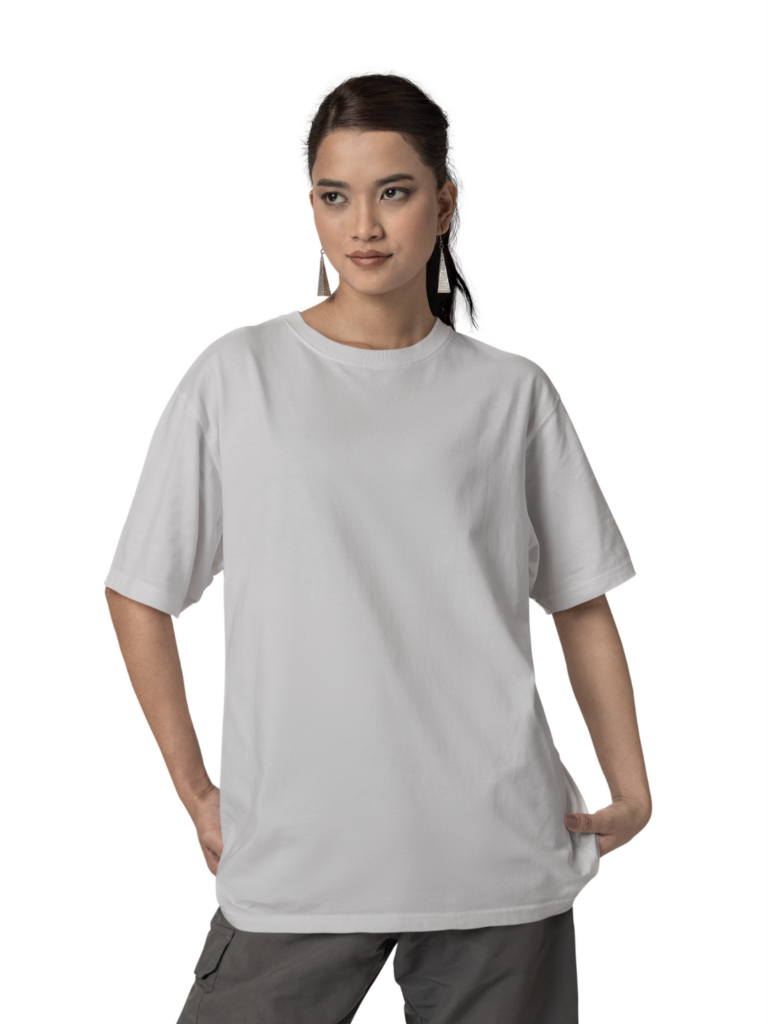
A neutral anchor gives the coloured pieces somewhere to connect. Grey is one option, alongside black, white, navy or beige. The reference shows a grey tee, but the anchor could also be trousers, a skirt or an outer layer. Choose the neutral you already use successfully rather than buying grey simply because it appears in this example.
Lay out the whole group before shopping. Include the actual bottoms, shoes, bag and outerwear you wear during the week. Then build outfits for real activities. A capsule is not complete if it looks coordinated on a hanger but leaves you without a suitable combination for work, travel or a day with lots of walking.
Try a simple rotation. Use a coloured tee with dark jeans on one day, a neutral tee with a skirt or trousers on another, and a different coloured top with the same bottom later. Repeating pieces is the purpose of the system. You can create variety through colour, neckline, tuck or layer without replacing every part of the outfit.
Check proportions in each combination. A top that works with high-rise trousers may sit differently with a lower waistband or fuller skirt. Do not assume every item in a capsule must combine perfectly with every other item. Aim for enough reliable connections to cover your needs, and note the exceptions so they do not create frustration on a busy morning.
Before checkout, compare measurements with garments you already like. Confirm the selected colour, current availability, fabric composition and care information. Review return terms if you are uncertain about fit. A colour that suits the plan is not enough on its own; the item also needs to work physically and practically.
Keep a small gap list instead of a large wish list. Write down the specific missing role, such as a comfortable neutral trouser or a light outer layer that fits over relaxed tees. When you see a product, compare it with that role. This helps prevent attractive but unrelated purchases from gradually turning the capsule into a collection of disconnected pieces.
Review the wardrobe after wearing it for a while. Keep the combinations you enjoy, repair or adjust practical issues where possible, and use the experience to guide future choices. You may discover that three colours are plenty, or that a stronger accent would add something useful. The system should adapt to your life rather than make you feel you are following a rigid rule.
A successful colourful capsule is personal. It can be soft, bright, mixed or mostly neutral, and it can change as your routine changes. Its value lies in knowing what works together and feeling comfortable repeating it. Use seasonal colour inspiration as a starting idea, then let real use decide which pieces deserve a lasting place.
Frequently asked questions
How many colours should a capsule wardrobe contain?
There is no required number. Begin with a neutral base and one or two colours you enjoy, then test the combinations with your real clothes. Add another shade only when it creates useful outfits or a role you genuinely want.
Does every top need to match every bottom?
No. Aim for several reliable combinations that cover your week rather than a perfect grid where everything works with everything. Note any exceptions so you can dress easily without repeatedly testing an awkward pairing.
Can a capsule include bright colours as well as pastels?
Yes. A stronger accent can work if it connects with the shared neutrals. You do not have to combine all the accents in one outfit. Let different colours serve different days while the practical supporting pieces remain familiar.
Should I replace clothes to create a matching palette?
Start with what you own. Identify successful combinations and specific gaps before buying. A capsule should improve the usefulness of your wardrobe, not automatically become a reason to replace comfortable clothes that already work.
How do I plan for changing weather?
Choose fabrics and layers for the actual conditions, and make sure the base outfit works when a layer is removed. Colour alone does not determine warmth. Include the shoes and outerwear you really need rather than planning only around tops.
How can I tell whether the capsule is working?
Notice whether getting dressed becomes easier and whether the pieces are worn regularly. Keep a short list or photographs of successful outfits. Use repeated practical problems to guide adjustments instead of adding more colours without a clear purpose.
More Namakool style guides
Make the look your own
Explore everyday tees, polos and casual layers at Namakool.