Looking for trendy hairstyles in 2026? For men, useful starting points include curtain hair, textured crops, softer mullets, swept-back lengths and natural curls. The right choice depends on your texture, starting length, preferred finish and the time you want to spend styling—not simply the haircut with the most striking photograph.
This guide brings together 12 men’s hairstyle ideas for 2026, including current editorial trends and familiar variations that can work alongside them. It is an inspiration shortlist, not a measured popularity ranking. Each section explains what the style looks like, what to discuss with your barber or stylist, and how to think about upkeep.
For trend context, British GQ’s 2026 hair guide includes curtain fringes, side parts, French crops and longer shapes. GQ’s men’s trend report also discusses a softer direction for the modern mullet. Our consultation prompts and clothing suggestions below are practical editorial guidance, rather than a reproduction of either report.
Image note: these are existing hairstyle references from Namakool’s media collection. They illustrate shapes, not proof that the photographs were taken in 2026. Some show stronger or more polished versions than the everyday adaptations discussed below.
1. Textured crop
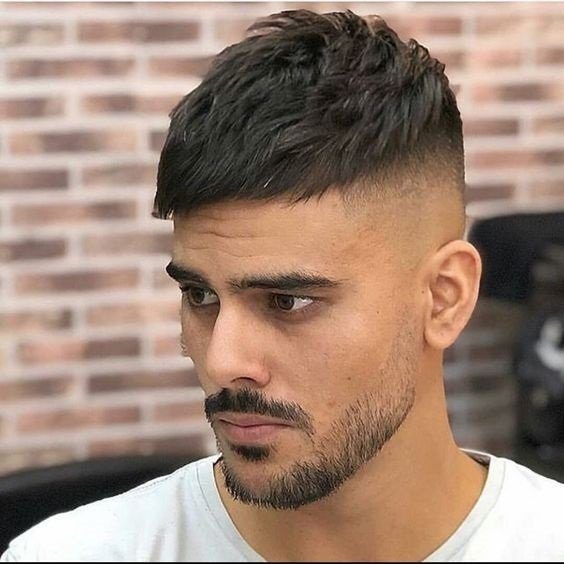
A textured crop keeps the overall haircut short while leaving enough length on top to show small sections of movement. The reference image has a stronger fade at the sides; you can ask for a softer transition if you prefer less contrast. This is a useful option to discuss when you want a compact shape without brushing the front high above the forehead.
What to ask your barber: Explain how short you want the sides, where you want the fringe to finish and whether you like a broken-up or tidy top. Show both a front and side reference if possible. The word “textured” does not tell a barber exactly how much hair you want removed, so discuss the outline before the cut begins.
Everyday styling: First check how the cut falls after your normal wash and dry routine. If it needs hold, use a small amount of a suitable styling product and add more only when needed. Heavy product can make short sections sit together instead of looking separated.
Upkeep and outfit idea: Closely cut sides can need attention sooner than the top. Agree a maintenance plan that fits your schedule. Pair the compact haircut with a plain crew-neck tee, relaxed trousers and trainers for an uncomplicated casual outfit.
2. French crop with a defined fringe
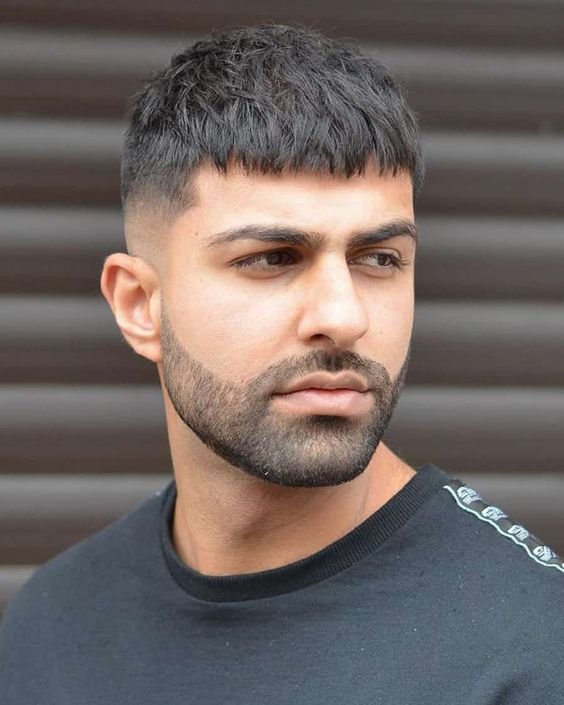
The French crop puts more emphasis on the front edge than the loosely textured crop above. Its short fringe sits forward across the forehead, while the sides and back remain shorter. The illustrated version has a fairly clear fringe line. A barber can soften that line if a sharply defined edge feels too severe for your everyday style.
What to ask your barber: Point out exactly where you want the fringe to sit when the hair is dry. Discuss any cowlicks or areas that naturally lift. Ask whether a straight, slightly uneven or softer edge will be easier for you to manage. These details matter more than copying a haircut name alone.
Everyday styling: Guide the front in the direction you want while drying, rather than fighting its natural growth after it has fully set. Your barber can demonstrate a quick routine using your own hair. Keep the amount of product modest until you know how the shorter shape behaves.
Upkeep and outfit idea: A precise fringe becomes less defined as it grows, so consider whether you enjoy regular reshaping. For clothing, a polo and jeans create a tidy casual combination without requiring a formal outfit. The cut can also work with oversized tees when that is your preferred look.
3. Curtain hairstyle with a middle or soft off-centre part
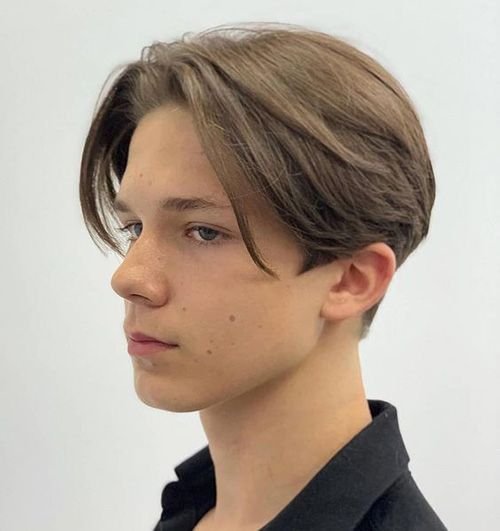
Curtain hair separates around a middle or near-middle part, leaving longer front pieces on each side. The image shows a smooth, relatively short version. Wavier hair will create a different outline, and the sides do not have to fall with perfect symmetry. That flexibility is part of the style’s appeal if you enjoy movement around your face.
What to ask your barber: Discuss the shortest front pieces, the amount of ear coverage and the back length. Mention whether you want to push the hair away from your face during work or exercise. A reference photo with a similar starting texture is more useful than one that depends on a very different styling routine.
Everyday styling: Try the part where the hair separates comfortably before insisting on an exact centre line. Use your fingers or a comb to guide it while drying. Ask for a demonstration if the front needs a little lift; the required effort can vary considerably between hair types.
Upkeep and outfit idea: Growing into curtains from a short cut takes time, and the in-between shape may need adjustment. A polo, straight jeans and low-profile trainers complement the relaxed look. For a more casual version, simply keep your usual tee and let the haircut be the change.
4. Soft modern mullet
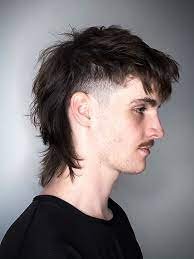
A mullet keeps a noticeable difference between the shorter sides and longer back. The reference image shows a distinct version with visible contrast. For a softer modern interpretation, discuss a gentler connection between those areas rather than assuming that every mullet must have the same dramatic outline. Decide how much back length you actually want before committing.
What to ask your barber: Bring side and rear references and explain which parts you like. You might want a little extra length at the nape without very short sides, or a stronger contrast with more movement on top. Ask how the proposed shape will look as it grows between appointments.
Everyday styling: Work with the haircut’s natural movement instead of trying to make every section match. The front and back may need different amounts of attention. Have your barber show the finish without excessive product so you can judge whether the everyday result suits you.
Upkeep and outfit idea: Think about how the longer back will sit against shirts, hoodies and jacket collars. A simple graphic tee and jeans keep the clothing easy while the haircut provides the statement. If you are unsure, start with a restrained version and decide later whether you want a more pronounced shape.
New hairstyle. Fresh everyday outfit.
Find tees, polos and casual basics to wear your way.
5. Layered flow hairstyle
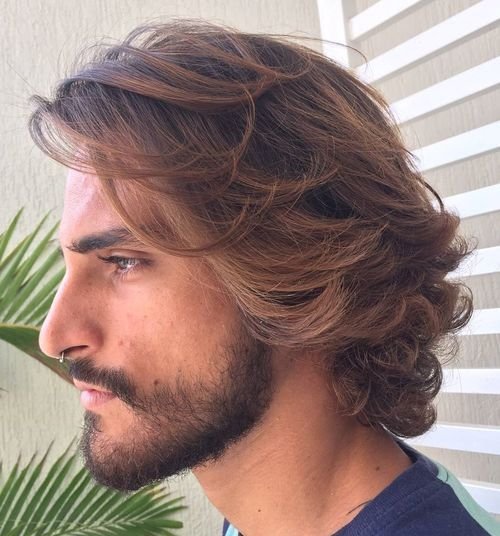
Layered flow uses enough length for the hair to move around the sides instead of sitting tightly against the head. The pictured version has a loose side sweep and visible layers. It is a useful reference for discussing movement, but the exact result will depend on your starting length, density and texture. Flow does not mean that the haircut has no shape.
What to ask your barber: Explain where you want the longest pieces to finish and how much hair you want around the ears. Ask how layers will affect the outline when your hair is worn without a salon finish. If you often push it behind your ears, show that during the consultation.
Everyday styling: Begin with a simple routine and see where your hair naturally falls. Avoid adding several products before you know which part needs help. A barber or stylist can suggest an approach that maintains movement without making the hair feel heavy or stiff.
Upkeep and outfit idea: Longer hair still benefits from planned shaping, especially when moving from a shorter cut. Discuss the growing-out stages rather than expecting the final length immediately. A relaxed tee, open shirt and comfortable trousers suit the easy character of the look, while a plain polo offers a neater alternative.
6. Medium-length sweep-back

A sweep-back directs the front away from the face while keeping more softness than a tightly slicked style. The reference shows length around the sides and back, with the forehead visible. This is a styling direction as much as a haircut: two people with similar lengths may get quite different results because of how their hair grows.
What to ask your barber: Tell them whether you want the hair to stay back throughout the day or whether some movement is welcome. Discuss the sides as well as the front. Removing too much length in an area you want to sweep back can change how easily the finished style sits.
Everyday styling: Ask for a demonstration of directing the front away from the face using a method you can repeat. Be honest about how much time you will spend each morning. If you dislike a wet or glossy finish, say so before a product is chosen.
Upkeep and outfit idea: Check how the haircut looks from the side and how it behaves after a commute or normal daily activity. For clothes, an open-collar shirt or simple crew-neck tee keeps the outfit balanced. You can wear the same haircut casually or with a jacket; the finish does not dictate a single dress code.
7. Side part with a taper
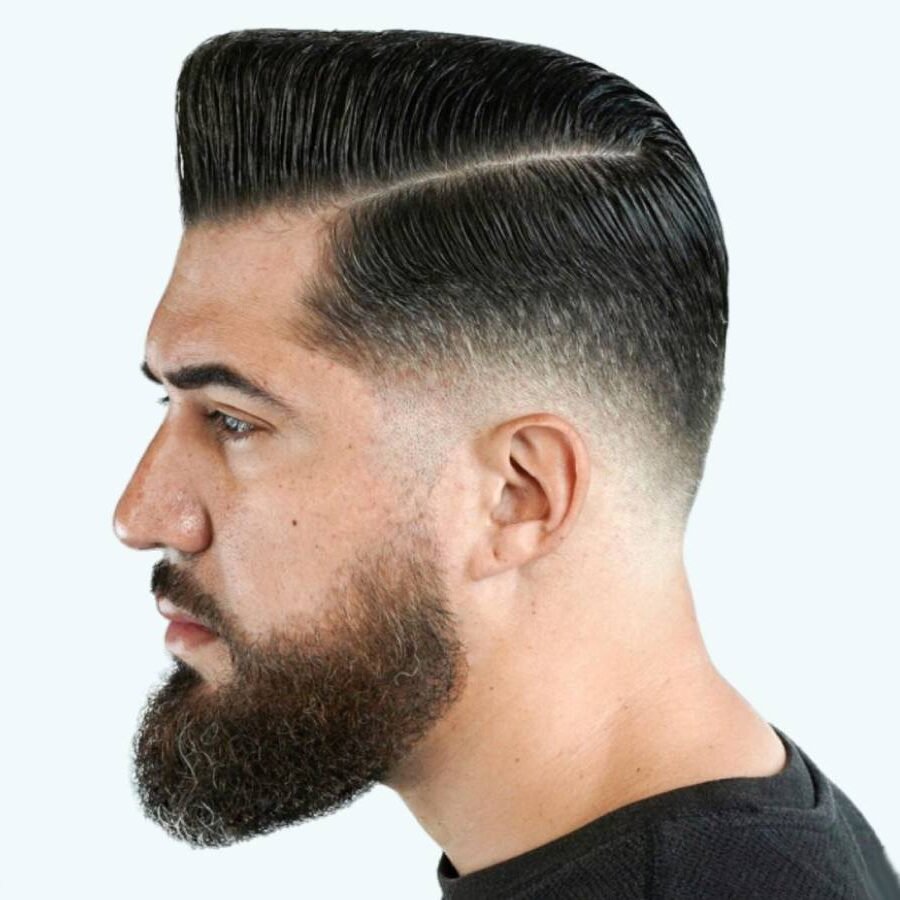
A side part gives the top a clear direction, while a taper shortens the hair towards the edges. The pictured version is sharply groomed and quite glossy. Treat that as one possible finish rather than the only way to wear it. A softer side part can feel less formal while keeping the same basic organisation of the hair.
What to ask your barber: Show where your natural part sits and discuss how much contrast you want at the sides. Decide whether you like a visible line or a less defined separation. If you want a shaved-in part, understand that it is a separate detail with its own growing-out appearance.
Everyday styling: Try directing the hair with a comb and a small amount of suitable product. A highly polished reference may take more daily effort than you want, so ask your barber to show both a neat version and a relaxed finish before you leave.
Upkeep and outfit idea: Consider how important crisp edges are to you, because those details can become softer as the hair grows. A polo and relaxed trousers make an easy clothing partner. You do not need formal shoes or a suit simply because your hair is neatly parted; jeans and trainers can provide a comfortable contrast.
8. Lifted quiff or pompadour-inspired top
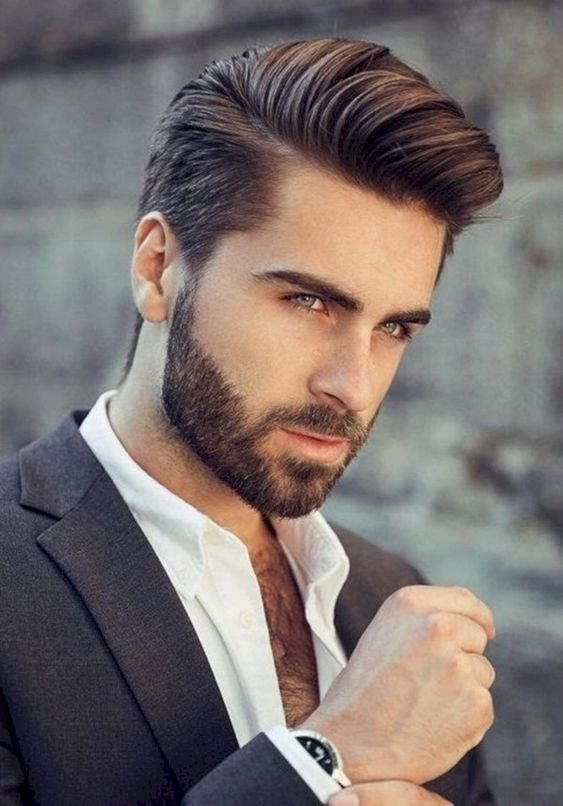
This option keeps extra height through the front. A quiff and a pompadour are not identical, but both can be useful references when you want lift instead of a fringe lying forward. The image shows a fuller, polished pompadour-style finish. A shorter, softer version may be more realistic if you want less daily styling.
What to ask your barber: Explain how much height you want, how far back you want the top to travel and how short the sides should be. Discuss your natural hair direction before agreeing on the length. A photograph cannot show all the preparation behind a finished style, so ask what the everyday routine would involve.
Everyday styling: Your stylist can demonstrate how to create the shape without using more product than needed. Be clear if you do not usually use a dryer or prefer a matte finish. The most useful haircut is one you can maintain with the routine you are willing to follow.
Upkeep and outfit idea: This is a familiar styling option rather than a claim that every high-volume haircut is newly fashionable in 2026. Wear it with a plain tee and jacket for balance, or a polo when you want a tidy outfit. Keep the clothing comfortable instead of matching the formality of a studio photograph.
New hairstyle. Fresh everyday outfit.
Find tees, polos and casual basics to wear your way.
9. Long side-swept fringe
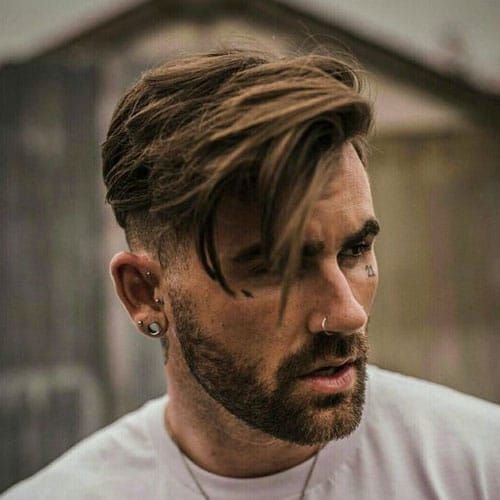
A long side-swept fringe creates an asymmetric outline, with the front moving across one side instead of separating in the middle. The reference has a pronounced contrast between the long top and short sides. You can ask for a more connected shape if that much contrast is not your preference. The key decision is where the front should finish.
What to ask your barber: Show the direction you naturally brush your hair and explain how much eye coverage you will tolerate. Mention glasses, headphones or any daily activity that makes a long fringe inconvenient. A shorter version may give you the same direction without constant adjustment.
Everyday styling: Test whether the front can sit where you want with a simple routine. If it repeatedly falls into your eyes, discuss an adjustment rather than relying on more and more product. The haircut should remain comfortable when you are walking or working, not just while standing still.
Upkeep and outfit idea: Ask what happens to the shape as the sides grow and whether you can change the part occasionally. A minimal tee and jeans let the asymmetric fringe stand out. This is a styling variation to consider within a 2026 wardrobe, not a promise that one dramatic undercut suits every setting or hair texture.
10. Ear-to-neck-length grown-out hair
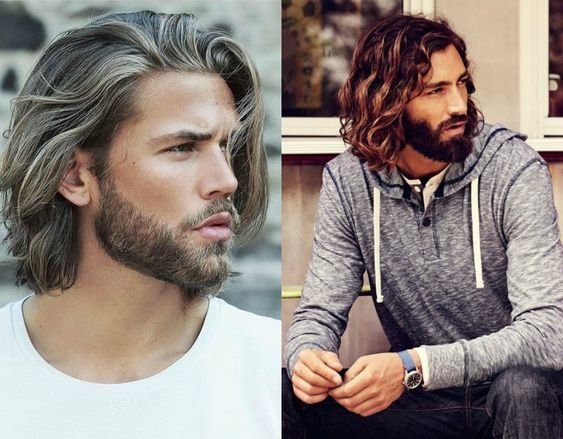
Longer grown-out hair offers a different direction from short crops and tapers. The two references show hair reaching around the ears and towards the neck, with different textures and finishes. You may see this described as a longer bob, medium-length hair or simply a growing-out style. Agree the actual outline with your stylist instead of relying on the label.
What to ask your stylist: Discuss your target length, how much weight you want at the ends and whether you need to tuck the sides away. Ask which areas should be left to grow and which can be shaped now. Taking equal length off everywhere may not support the final shape you have in mind.
Everyday styling: Work out a washing, drying and detangling routine that suits your own hair. Longer length can take more time even if the finished style looks relaxed. Ask for practical help if the ends turn out differently on each side or if your normal part shifts as the hair grows.
Upkeep and outfit idea: Check how the length sits against a hoodie or overshirt collar. A plain tee can keep the neckline simple, while an open shirt adds another casual layer. Treat growth as a process with several wearable stages rather than expecting a reference photograph after one appointment.
11. Tousled wavy fringe
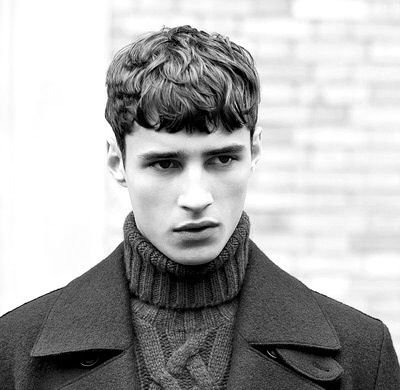
A tousled wavy fringe lets the front keep some movement instead of forming a perfectly straight line. The reference has a compact overall shape with visible bends through the top. This differs from a French crop’s more deliberate front edge. It is especially useful as a discussion point if your hair naturally forms waves that you do not want to flatten.
What to ask your barber: Explain how your hair looks after it dries normally and where the front tends to lift or separate. Discuss the desired dry length rather than judging only while the hair is wet. Ask for an outline that works with the movement you already have.
Everyday styling: Try a simple approach before aiming for a heavily arranged finish. Your barber can show how to guide the fringe without removing all its texture. If your hair is straight, understand that copying a naturally wavy photograph could require a different routine; the image is not a guarantee of the same result.
Upkeep and outfit idea: Decide how much fringe movement is comfortable around your forehead and eyes. A casual hoodie, straight jeans and trainers make an easy outfit, while a plain crew-neck tee works in warmer conditions. Keep the styling flexible enough for an ordinary day, not just a carefully posed picture.
12. Natural curly flow
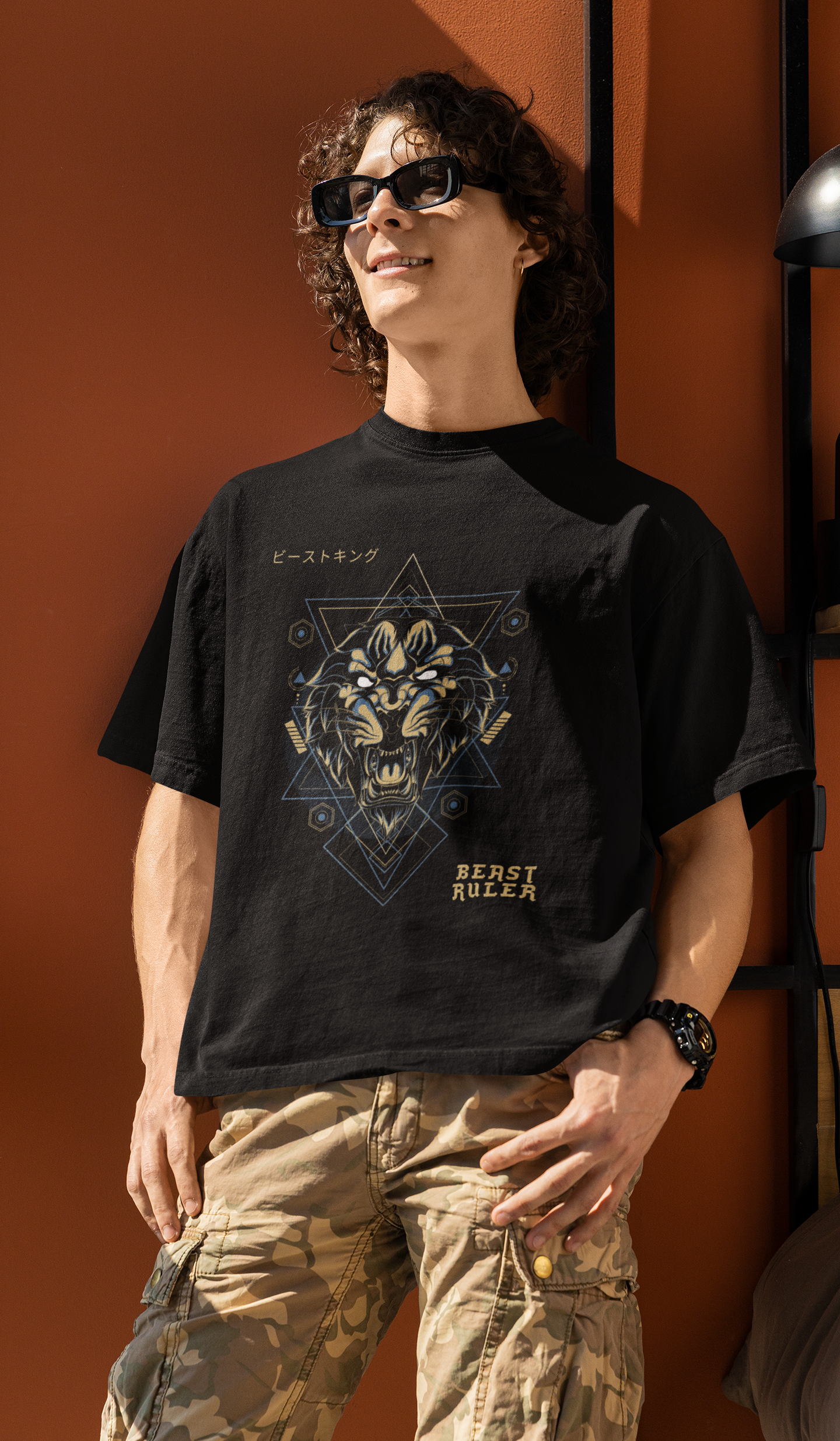
Natural curly flow keeps enough length for curls to form a fuller, moving outline. The photograph shows medium-length curls in an everyday outfit rather than a technical salon before-and-after. Use it to discuss the overall shape, while choosing additional references that resemble your own curl pattern. Different curls can create very different results at the same measured length.
What to ask your stylist: Talk about the shape you want when your hair is dry, how much length you want around the face and whether you prefer more or less width at the sides. Explain your usual routine and show how the hair behaves without a special occasion finish. A consultation with someone experienced in your texture can make the discussion more useful.
Everyday styling: Ask for a manageable routine using products and techniques appropriate to your hair. You do not need to buy every item shown in a trend article. Learn what each step is supposed to do before adding it, and judge the result across ordinary days.
Upkeep and outfit idea: Plan shaping around the outline you enjoy rather than treating natural texture as something that must be reduced. A graphic tee and relaxed trousers fit the casual mood of the reference. A simple neckline also gives the hair room to be the main visual feature of the outfit.
Before you book: a simple hairstyle checklist
- Bring useful references: choose front and side views, ideally with hair texture similar to yours.
- Explain the routine: say whether you air-dry, use a dryer, wear a helmet or need hair away from your eyes.
- Agree the length: point to where the fringe, sides and back should finish instead of relying only on a trend name.
- Discuss the growing-out stage: ask what the haircut will look like between visits and which areas need reshaping first.
- See the realistic finish: ask for a styling demonstration you can repeat with your own time and equipment.
Frequently asked questions
Which hairstyle should I choose for 2026?
Start with two or three options that suit your preferred length and routine. Compare a crop if you want a compact shape, curtains if you enjoy movement near the face, or flow if you want more length. A barber or stylist can help adapt the outline to your own hair.
Are short hairstyles always easier to maintain?
Not necessarily. A short cut may take less drying time but need frequent shaping to keep a precise fringe or fade. A longer cut may need more daily attention while allowing softer edges. Compare appointment upkeep and morning styling separately.
What is the difference between a haircut and a hairstyle?
The haircut establishes length and shape. The hairstyle is how that hair is arranged, such as forward, parted or swept back. Several entries here are styling variations, so one well-planned cut may let you try more than one finish.
Can I copy a hairstyle from a photograph exactly?
A photograph is a starting reference. Texture, density, growth direction, starting length and styling can change the result. Tell your stylist which feature you like most and ask what an achievable version would look like on your hair.
Which style works with a college or office wardrobe?
A side part, crop, curtains or a sweep-back can each fit many everyday outfits. Check any actual dress or grooming rules first, then choose a finish you like. A haircut does not require you to buy a completely new wardrobe.
Do I need special clothes after changing my hairstyle?
No. Try the new look with your existing tees, polos and shirts before shopping. If you want a fresh combination, change one element at a time, such as the neckline, colour or outer layer. Keep comfort and your usual activities in mind.
Complete the look with these Namakool guides
New hairstyle. Fresh everyday outfit.
Find tees, polos and casual basics to wear your way.