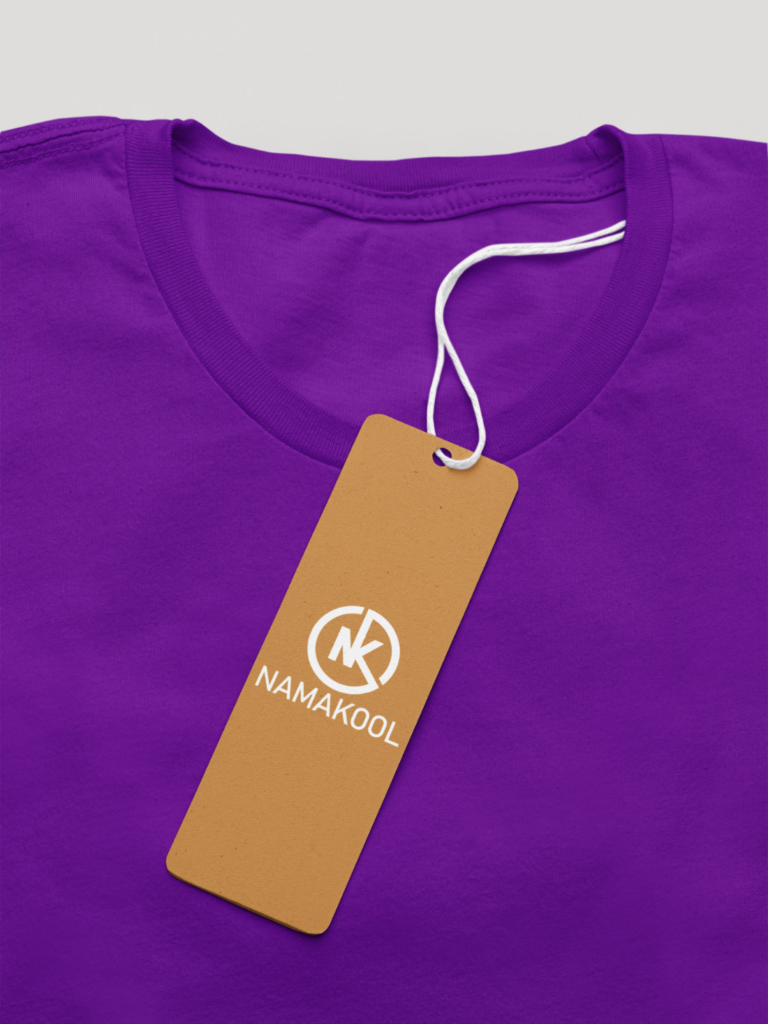
Fall 2026 colour trends are a good reason to give your everyday basics a fresh look. You can start with one purple, red or blue piece, pair it with familiar neutrals and build an outfit that works for your own day. You do not need a complete wardrobe change.
For trend context, Who What Wear’s October colour report highlights royal purple, vivid blue, poppy red and buttercream. Vogue’s fall colour overview also includes purple alongside other seasonal shades. These are editorial observations, not a ranking of Indian sales or search demand.
The outfit advice below is Namakool’s practical interpretation for men and women. We use existing product images as colour references and clearly distinguish softer alternatives from exact runway shades. Start with what you own, choose your layers for the weather, and add a new piece only when it fills a useful gap.
Find your next everyday favourite
Explore Namakool basics and make these colour ideas your own.
Purple outfits: bring the bold colour trend into everyday basics
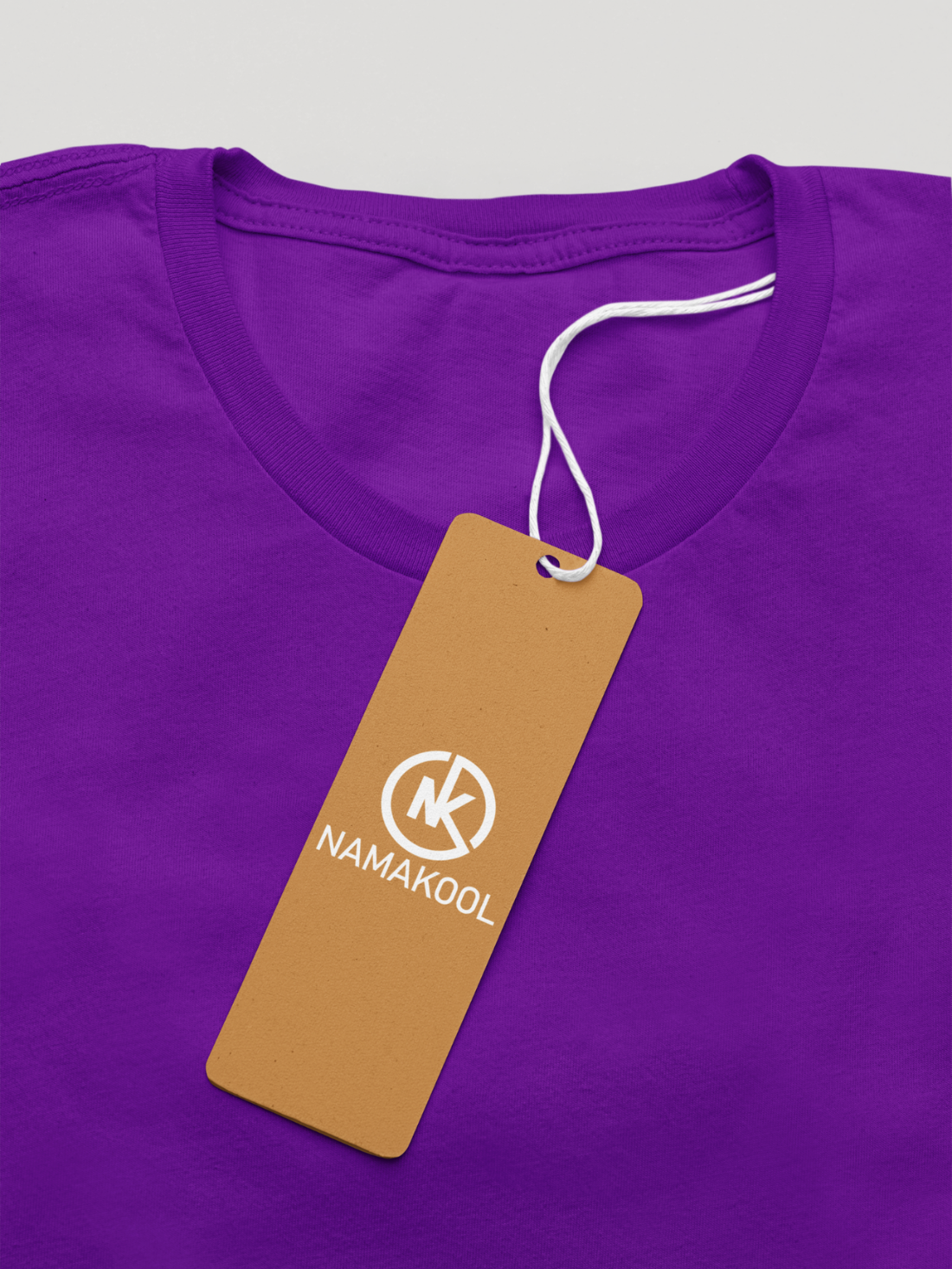
Purple is a useful starting point when you want a noticeable change without learning a completely new way to dress. Keep your usual jeans, trainers and bag, then replace your neutral tee with a purple one. A rich purple feels different from pastel lilac, so choose the intensity that you enjoy wearing. The product photograph here shows a purple basic as a styling reference; it is not a runway photograph or a claim that every purple garment matches the exact designer shades being discussed this season.
For a simple men’s outfit, combine a purple crew-neck T-shirt with charcoal straight-leg trousers and clean white trainers. The trousers give the outfit a quiet base, while the tee supplies the colour. If your T-shirt is generously cut, check its length against the trouser rise. A hem that covers most of the upper thigh can change the balance more than the colour itself. Try the outfit standing and sitting before deciding whether to leave the tee loose.
For a women’s outfit, use a purple tee with dark denim or a black midi skirt. A small front tuck can show the waistband if you like a more defined shape. Leaving the tee untucked is equally workable when its length sits comfortably over the skirt. Choose a bag that you already use, rather than assuming that a new colour requires matching accessories. Black, grey and off-white can each connect the outfit without competing with the top.
An evening version needs only one or two changes. Add a charcoal jacket, swap your daily trainers for clean loafers or another comfortable pair, and keep the rest straightforward. If the jacket is close fitting, use a tee with less sleeve volume so that the shoulder and underarm areas do not bunch. A colourful basic often looks more deliberate when the surrounding pieces fit neatly.
You can also try purple with brown if you want a warmer combination. Begin with dark brown trousers and a purple top, then use cream footwear or a light bag to separate the deeper colours. There is no requirement to match every shade perfectly. View the pieces together in daylight, because shop lighting and phone screens can shift the apparent colour.
Before buying, make three outfits with the purple item using pieces already in your wardrobe. If it works only with an imagined future purchase, pause and reconsider the shade or shape. This test is especially helpful with stronger colours because excitement about the colour can distract from an awkward neckline, uncomfortable fabric or impractical length.
Red outfits: make one confident piece the focus
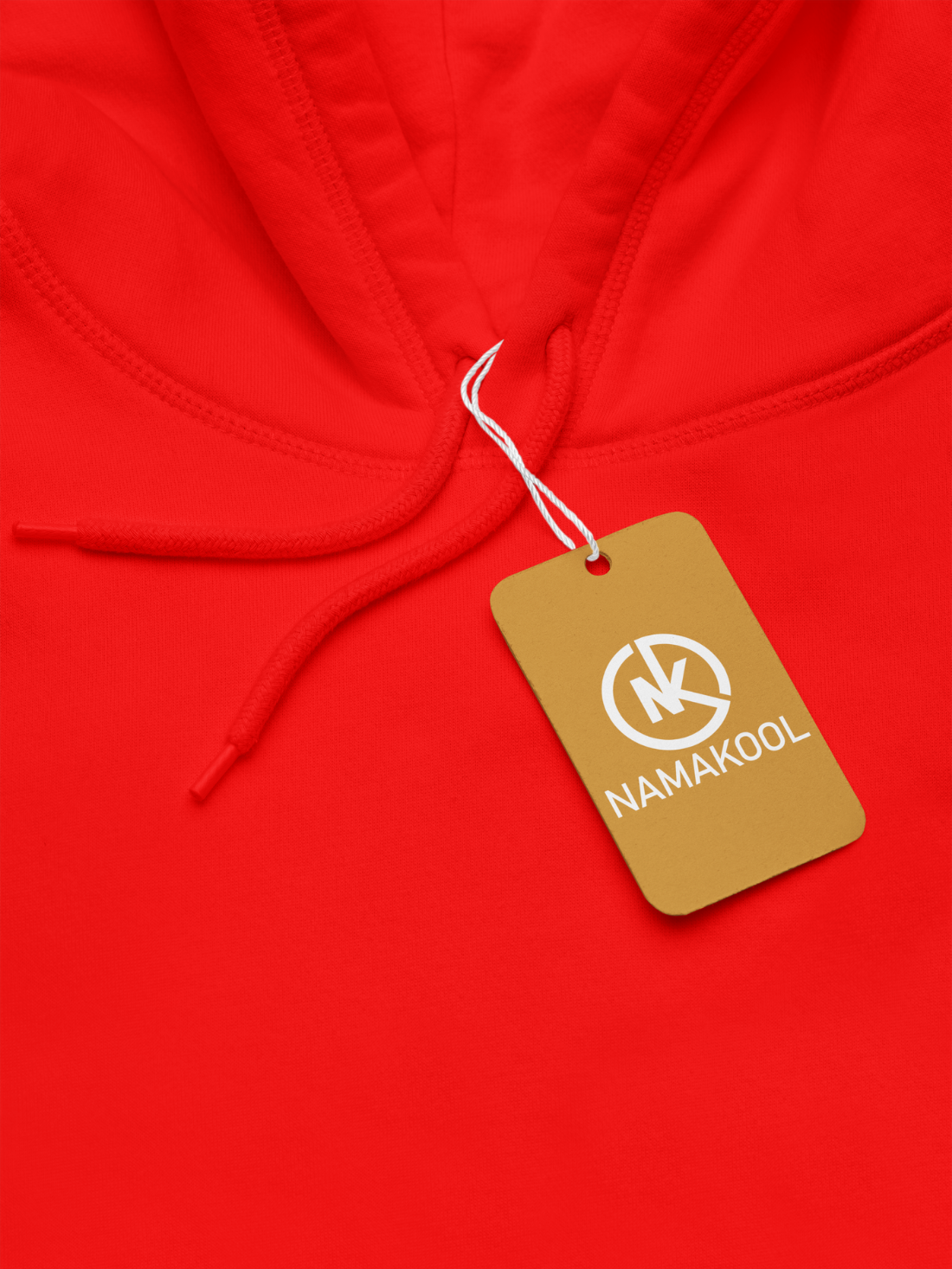
Red can change an everyday outfit quickly. A red top worn with familiar denim is enough to create a focal point; you do not need a red bag, red shoes and red jewellery as well. Think about how much colour you want to show. A full red hoodie has more visual impact than the small section of a red tee visible beneath an open shirt. Both are useful options, depending on your comfort and the weather.
For a relaxed daytime look, pair a red T-shirt with blue jeans and off-white trainers. Choose your favourite jean shape rather than buying a new silhouette just for this combination. Straight, relaxed and wider legs can all work. The useful check is whether the tee length and the trouser width feel balanced together. If both pieces are loose, a slightly shorter tee or a visible waistband can make the overall shape easier to read.
A red hoodie with charcoal trousers creates a cooler-weather version. The red hoodie shown above is an example from the Namakool media collection, not proof of current stock or a particular fabric specification. Open the relevant product page before ordering to check available sizes, material details and the actual colour options. Images are useful for inspiration, but the listing should guide the purchase.
For a softer outfit, use red with beige or cream. Light neutral bottoms reduce the heavy contrast that you get from red and black. This combination can work for a casual lunch, a college day or a weekend outing. If pale trousers are impractical for your commute, keep the lighter colour in your shoes or outer layer and wear a darker bottom. Style should support your day instead of making it harder.
For men who prefer polo shirts, a red polo with dark denim is another easy direction. For women who enjoy skirts, try a red tee with a denim midi skirt and flat shoes. Neither formula requires a fitted top. The neckline, sleeve shape and fabric drape can do the work, so choose the fit that lets you move comfortably.
Avoid treating red as a colour with a single correct shade. Poppy, tomato, cherry and deeper reds look different, and photography can exaggerate those differences. Hold the item near pieces you actually own. If you want a very specific red, compare product descriptions and ask the seller when the photographs are unclear. Buying a practical shade you like is more useful than chasing an exact colour name.
Blue outfits: adapt the trend to a shade you already love

Current fashion coverage includes strong blues, but you can translate the idea into a softer everyday palette. Electric blue, navy, aqua and baby blue are different colours, not interchangeable labels. The baby blue hoodie pictured here is a softer styling option from Namakool’s existing media. It illustrates how to wear blue casually; it should not be read as an example of the exact electric runway shade.
Start with the trousers you wear most often. If they are black, a light blue tee can add contrast without making the whole outfit bright. If they are blue denim, compare the two blues in daylight. A clear difference between the top and jeans is often easier to style than two almost identical shades that do not quite match. Dark denim with a lighter blue top is a practical first combination.
For men, try a blue tee or polo with charcoal trousers and simple trainers. A navy overshirt can add another layer when needed. Keep enough room at the shoulders for the inner tee to sit smoothly. If your polo has a structured collar, check how it behaves beneath the overshirt instead of assuming that every layer works together. Small fit details make a basic combination feel considered.
For women, a blue top with off-white denim creates a lighter outfit, while black trousers give a stronger contrast. A blue hoodie can also work with a straight denim skirt when the temperature suits it. Check that the hoodie hem does not catch awkwardly at the hips when you walk. You can change the shape with a different hoodie length rather than sizing down into something uncomfortable.
If you own an electric blue piece, let it lead. Grey, white, navy and black give you several supporting options. Start with one of those before adding another bright colour. Blue with purple can be interesting, but it is easier to judge once you already know how each item fits. An outfit can feel busy because of competing volumes and prints, even when its colours are compatible.
For travel or a long day outside, select your layer by the actual conditions. A light blue hoodie is still a warm garment if the fabric is substantial. A blue cotton tee may be more useful during a warm afternoon, with the hoodie carried for a cool evening. Read the material and care details rather than using colour as a guide to warmth. For more outfit structure, see our guide to wearing a shirt over a T-shirt.
Find your next everyday favourite
Explore Namakool basics and make these colour ideas your own.
Brown and white basics: build a base for brighter colours

You do not need to replace your neutral wardrobe to enjoy a colour trend. Brown, white, grey, navy and black can support the brighter pieces you already own. The point is to give each outfit a clear starting place. A brown polo, for example, can work with cream trousers on its own, or sit beneath an open jacket while a small blue accessory adds interest. Start with the garments that fit you well.
Brown is useful when you want warmth in a colour combination. Try it with purple, soft blue or off-white before adding several other shades. A coffee brown polo and light trousers can feel tidy enough for a relaxed lunch or a casual office, depending on the dress code. If your workplace expects formal clothing, keep its rules in mind; changing a colour does not make a T-shirt formal.
White offers a cleaner contrast and often helps separate two stronger colours. A small strip of white tee below an open coloured shirt can lighten the centre of an outfit. White trainers can have a similar effect near the ground. However, you do not need to add white just because a formula suggests it. If you prefer black shoes or need darker clothing for practical reasons, build the combination around those choices.
Cream and white are also different. A buttercream runway reference does not mean that a bright white hoodie is the same shade. Use a white piece as a neutral alternative if that is what you own, and describe it accurately. When shopping online, look at several photographs of the product and check the named colour. Display settings, lighting and editing can all affect how pale colours appear.
Texture can add interest when the palette is simple. A smooth tee with denim and a softly textured overshirt gives the eye something to notice without another print. Fit matters here as well: a very thick inner layer can make an outer shirt pull across the back. Put the full outfit on, reach forward, sit down and check whether the layers stay comfortable.
If you want more ideas, our tonal dressing guide explains how to build outfits within one colour family. Use that approach for your neutral base, then introduce one contrasting piece. For example, keep trousers, shoes and jacket in shades of grey and add a purple tee. This makes it easier to see whether you enjoy the new colour before buying more items in it.
Plan a week’s outfits around one new colour

A useful trend purchase should earn a place in several outfits. Before placing an order, write down where you will wear it: college, a casual office, a café, a short trip or a weekend with friends. Then consider the temperature, transport and amount of walking involved. These details will help you choose between a tee, polo, sweatshirt and hoodie more reliably than a photograph alone.
For Monday, wear your chosen colour with your most comfortable jeans and everyday shoes. Keep this first combination simple so that you can judge the new piece fairly. Notice whether you keep pulling at the sleeves or adjusting the neckline. An item that needs constant attention may not be right for your routine, even if the colour looks good. Comfort is part of whether an outfit succeeds.
For Tuesday, use the same top with a different bottom. Purple with grey trousers, red with dark denim, or blue with black trousers are easy options. You are testing versatility, not trying to create a completely new personality each morning. A bag and pair of shoes that work across these outfits can save both time and money. Repeat accessories freely when they are practical.
For Wednesday, add an open shirt or light jacket if the weather allows. The coloured top becomes a smaller part of the outfit, which is useful when you want a quieter look. For Thursday, change the footwear or tuck instead of adding another garment. A different hem arrangement can change the proportions significantly. Take a quick mirror photograph if comparing the two versions helps.
For Friday or the weekend, try the colour with a skirt, relaxed trousers or another familiar bottom. A red tee and denim skirt, a purple tee and charcoal trousers, or a blue hoodie with dark jeans each gives you an uncomplicated starting point. These are styling suggestions, not a claim that one formula suits every body, workplace or climate. Adapt the cuts and coverage to your preferences.
Before buying anything else, review what the week taught you. If the coloured top worked in three or more combinations, it may be a sensible addition. If it required several other purchases, a different shape or shade might serve you better. Check the size chart against a garment you own, read the return terms, and follow the specific wash label. You can also explore our relaxed trousers guide and autumn layering guide for more ways to use the basics already in your wardrobe.
Your fall colour questions, answered

Which colours are appearing in fall 2026 fashion coverage?
Recent editorial reports highlight royal purple, strong blue, red and pale creamy shades, among other colours. These reports describe fashion coverage rather than measured popularity among all shoppers in India. Treat them as inspiration. The useful question is which colour you can wear comfortably with the clothes you already own.
What is the easiest way to try a bright colour?
Choose one coloured item and keep the rest of the outfit familiar. A purple tee with charcoal trousers, a red top with jeans or a blue tee with black bottoms is enough. You can experiment with more colour later, once you know that the fit and fabric work for your daily routine.
Can men and women use the same colour combinations?
Yes. Colour pairings are not restricted to one gender. Purple with grey, red with denim and blue with off-white can work across many wardrobes. Choose the neckline, shape, coverage and proportions you prefer. Product category names are shopping aids; they do not decide who is allowed to enjoy a colour.
Do I need a hoodie for autumn in India?
No. Choose clothing for your local temperature and activities. A T-shirt may be sufficient on a warm day, while a hoodie can be useful during a cool evening. Different regions and indoor environments call for different layers. Check the garment’s fabric information rather than assuming all hoodies provide the same warmth.
Should my shoes match my top exactly?
No exact match is necessary. Neutral shoes can support a bright top, while a small repeated colour can connect an outfit if you enjoy that detail. Start with comfortable footwear suited to your day. It is usually more useful to check trouser length against the shoes than to chase an identical shade.
How can I keep coloured basics looking good?
Follow each item’s care label and separate garments as instructed, especially during the first washes. Avoid assuming that every cotton or printed item has identical care needs. Check our printed T-shirt care guide for a practical planning approach, then use the instructions on your own garment as the final reference.
Are the illustrated products guaranteed to be available?
No. These photographs come from Namakool’s media collection and demonstrate colours and garment types. Current stock, sizes, materials, prices and delivery details belong on the individual product pages. Browse the men’s or women’s collection below and check the selected listing before ordering.
Keep building your outfits
Find your next everyday favourite
Explore Namakool basics and make these colour ideas your own.