Men’s grooming · Hairstyle advice for India · Updated October 2026
crew cut for men is a practical haircut search for men who want to compare style, length and maintenance before visiting a barber. The crew cut is a familiar short hairstyle because it gives the barber room to shape the top while keeping the sides manageable. It can be neat, textured or slightly longer without becoming a quiff. This 2026 guide separates clear variation ideas from the questions that actually determine a good result: how the shape follows your natural hair, how much time you have each morning and how to describe the cut. It is written for readers in India, including college students, working professionals and men changing their hairstyle for events.
Quick answer: a short haircut with a little more controlled length on top than a typical even buzz cut. Ask the barber to show you the outline from the front and side, check the crown growth and explain what maintenance will be needed. Names like taper, crop or fade are used differently between shops, so the photo and your spoken description matter more than the label. The pictures below are editorial comparison references; not every photo illustrates the exact named variation.
Classic graduated crew cut
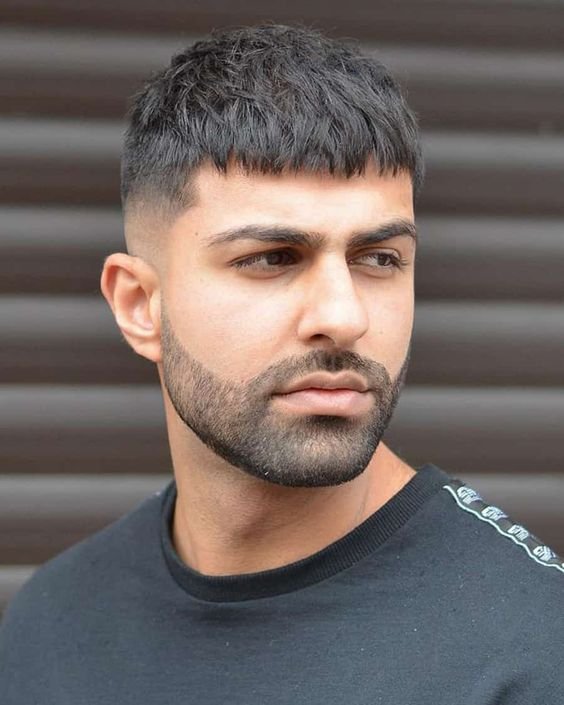
Understand the shape. A useful way to approach classic graduated crew cut is to keep the front top fractionally longer while tapering toward the crown. The main shape belongs around the short top, crown and tapered side panels, but your hair’s thickness and natural direction can change how it settles. Before choosing this variation, look at a reference from the front and the side rather than relying on a single fashionable photograph. Talk with the barber about how much hair you want to keep, especially where the top connects to the shorter sections. A haircut can look tidy immediately after styling and noticeably different once it dries at home, so ask to inspect its natural finish as well.
Barber brief and cutting decisions. Explain the main goal of the style in ordinary language. Ask which sections should stay fuller, where the blend or layers begin and how the back will be finished. If you are uncertain about clipper guards, request a gradual start that can be shortened rather than demanding a number you have never tried. Hair types respond differently: straight strands may show a crisp line, while waves or curls introduce movement and can make the same measured length look shorter. Keep enough space around a cowlick or crown swirl to avoid a cut that constantly stands in the wrong direction. If you plan to wear glasses or a helmet regularly, mention that during the consultation.
Styling at home. In general, brush the top in its natural direction for a clean result. Use a product only if it helps you reach the desired look; start with a small amount and follow its directions. A realistic routine matters when you have early classes, a long commute or limited time in the morning. On days when you do not want to style deliberately, see whether the haircut still forms an acceptable shape without repeated brushing, heating or stiff hold. Excessive heat can damage hair, so consider low heat settings, allowing partial air drying and guidance from a dermatologist when scalp or hair problems arise.
Who may enjoy this version. This can be works with casual shirts, polos and a low-effort routine, but no haircut is guaranteed to flatter a particular face or hair type. Preference, length, density and the time you want to devote to styling should guide your decision. For photos, move around so the barber can observe the sides, fringe, crown and nape. A person with tightly coiled hair and someone with straight hair may both choose this general silhouette, yet require different cutting and care methods. Keep the reference as a conversation aid, not a promise of identical results.
What to avoid. Avoid treating the front length as identical to a one-guard buzz. Do not add more product simply because the shape is not working; a small adjustment in hair length or cutting direction might help more. If this is your first time trying the cut, request an easier-to-maintain version. Ask how it will look as it grows, whether an interim trim is necessary and what to do if the front or sides become hard to control. A practical hairstyle should fit your natural hair and daily life, rather than requiring a full salon-style finish every morning.
Crew cut with soft taper
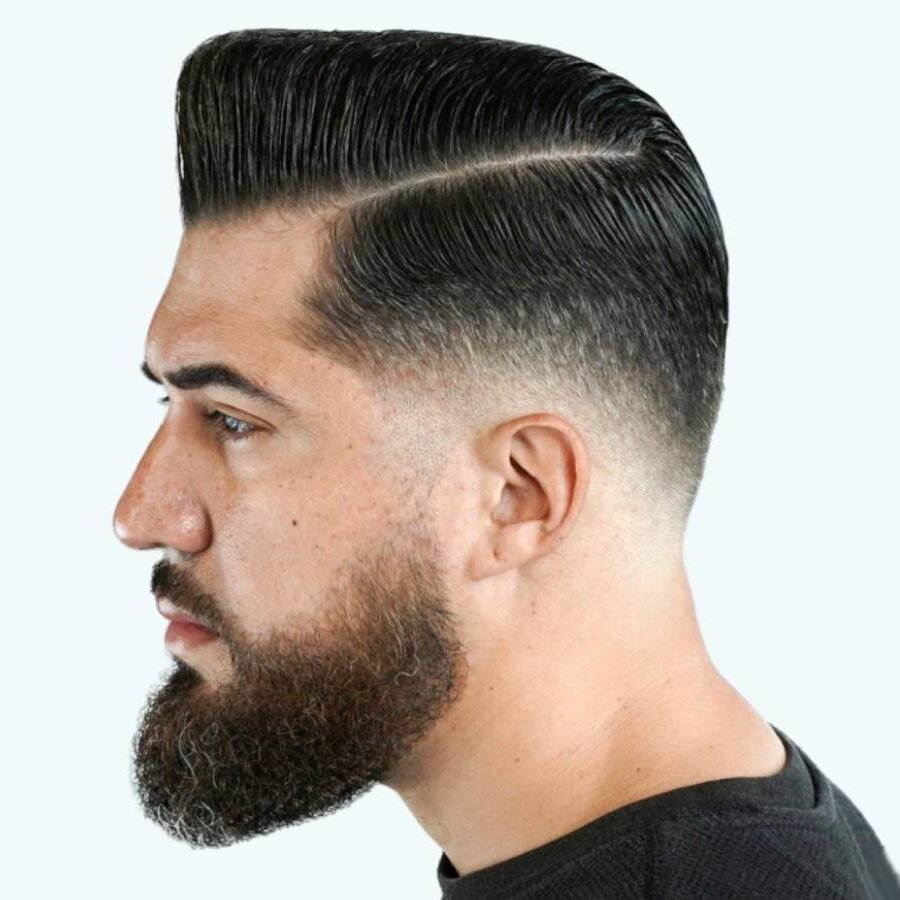
Understand the shape. A useful way to approach crew cut with soft taper is to blend the sideburns and nape subtly while keeping side panels natural. The main shape belongs around the short top, crown and tapered side panels, but your hair’s thickness and natural direction can change how it settles. Before choosing this variation, look at a reference from the front and the side rather than relying on a single fashionable photograph. Talk with the barber about how much hair you want to keep, especially where the top connects to the shorter sections. A haircut can look tidy immediately after styling and noticeably different once it dries at home, so ask to inspect its natural finish as well.
Barber brief and cutting decisions. Explain the main goal of the style in ordinary language. Ask which sections should stay fuller, where the blend or layers begin and how the back will be finished. If you are uncertain about clipper guards, request a gradual start that can be shortened rather than demanding a number you have never tried. Hair types respond differently: straight strands may show a crisp line, while waves or curls introduce movement and can make the same measured length look shorter. Keep enough space around a cowlick or crown swirl to avoid a cut that constantly stands in the wrong direction. If you plan to wear glasses or a helmet regularly, mention that during the consultation.
Styling at home. In general, use a small amount of flexible product only where needed. Use a product only if it helps you reach the desired look; start with a small amount and follow its directions. A realistic routine matters when you have early classes, a long commute or limited time in the morning. On days when you do not want to style deliberately, see whether the haircut still forms an acceptable shape without repeated brushing, heating or stiff hold. Excessive heat can damage hair, so consider low heat settings, allowing partial air drying and guidance from a dermatologist when scalp or hair problems arise.
Who may enjoy this version. This can be suits people who prefer understated sides over extreme contrast, but no haircut is guaranteed to flatter a particular face or hair type. Preference, length, density and the time you want to devote to styling should guide your decision. For photos, move around so the barber can observe the sides, fringe, crown and nape. A person with tightly coiled hair and someone with straight hair may both choose this general silhouette, yet require different cutting and care methods. Keep the reference as a conversation aid, not a promise of identical results.
What to avoid. Do not push the taper far above the temple without discussing it. Do not add more product simply because the shape is not working; a small adjustment in hair length or cutting direction might help more. If this is your first time trying the cut, request an easier-to-maintain version. Ask how it will look as it grows, whether an interim trim is necessary and what to do if the front or sides become hard to control. A practical hairstyle should fit your natural hair and daily life, rather than requiring a full salon-style finish every morning.
Textured crew cut
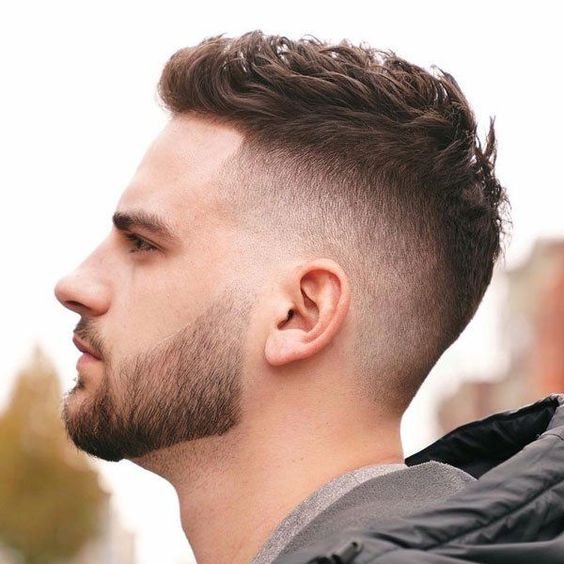
Understand the shape. A useful way to approach textured crew cut is to ask for light separation through the top with conservative layering. The main shape belongs around the short top, crown and tapered side panels, but your hair’s thickness and natural direction can change how it settles. Before choosing this variation, look at a reference from the front and the side rather than relying on a single fashionable photograph. Talk with the barber about how much hair you want to keep, especially where the top connects to the shorter sections. A haircut can look tidy immediately after styling and noticeably different once it dries at home, so ask to inspect its natural finish as well.
Barber brief and cutting decisions. Explain the main goal of the style in ordinary language. Ask which sections should stay fuller, where the blend or layers begin and how the back will be finished. If you are uncertain about clipper guards, request a gradual start that can be shortened rather than demanding a number you have never tried. Hair types respond differently: straight strands may show a crisp line, while waves or curls introduce movement and can make the same measured length look shorter. Keep enough space around a cowlick or crown swirl to avoid a cut that constantly stands in the wrong direction. If you plan to wear glasses or a helmet regularly, mention that during the consultation.
Styling at home. In general, work fingers gently through dry hair to reveal the texture. Use a product only if it helps you reach the desired look; start with a small amount and follow its directions. A realistic routine matters when you have early classes, a long commute or limited time in the morning. On days when you do not want to style deliberately, see whether the haircut still forms an acceptable shape without repeated brushing, heating or stiff hold. Excessive heat can damage hair, so consider low heat settings, allowing partial air drying and guidance from a dermatologist when scalp or hair problems arise.
Who may enjoy this version. This can be adds movement to a short silhouette, but no haircut is guaranteed to flatter a particular face or hair type. Preference, length, density and the time you want to devote to styling should guide your decision. For photos, move around so the barber can observe the sides, fringe, crown and nape. A person with tightly coiled hair and someone with straight hair may both choose this general silhouette, yet require different cutting and care methods. Keep the reference as a conversation aid, not a promise of identical results.
What to avoid. Over-thinning dense hair may produce uneven gaps. Do not add more product simply because the shape is not working; a small adjustment in hair length or cutting direction might help more. If this is your first time trying the cut, request an easier-to-maintain version. Ask how it will look as it grows, whether an interim trim is necessary and what to do if the front or sides become hard to control. A practical hairstyle should fit your natural hair and daily life, rather than requiring a full salon-style finish every morning.
Long crew cut

Understand the shape. A useful way to approach long crew cut is to leave enough length for a gentle forward or upward direction. The main shape belongs around the short top, crown and tapered side panels, but your hair’s thickness and natural direction can change how it settles. Before choosing this variation, look at a reference from the front and the side rather than relying on a single fashionable photograph. Talk with the barber about how much hair you want to keep, especially where the top connects to the shorter sections. A haircut can look tidy immediately after styling and noticeably different once it dries at home, so ask to inspect its natural finish as well.
Barber brief and cutting decisions. Explain the main goal of the style in ordinary language. Ask which sections should stay fuller, where the blend or layers begin and how the back will be finished. If you are uncertain about clipper guards, request a gradual start that can be shortened rather than demanding a number you have never tried. Hair types respond differently: straight strands may show a crisp line, while waves or curls introduce movement and can make the same measured length look shorter. Keep enough space around a cowlick or crown swirl to avoid a cut that constantly stands in the wrong direction. If you plan to wear glasses or a helmet regularly, mention that during the consultation.
Styling at home. In general, experiment with brushing once instead of repeated heat styling. Use a product only if it helps you reach the desired look; start with a small amount and follow its directions. A realistic routine matters when you have early classes, a long commute or limited time in the morning. On days when you do not want to style deliberately, see whether the haircut still forms an acceptable shape without repeated brushing, heating or stiff hold. Excessive heat can damage hair, so consider low heat settings, allowing partial air drying and guidance from a dermatologist when scalp or hair problems arise.
Who may enjoy this version. This can be a practical bridge between short uniform cuts and a longer top, but no haircut is guaranteed to flatter a particular face or hair type. Preference, length, density and the time you want to devote to styling should guide your decision. For photos, move around so the barber can observe the sides, fringe, crown and nape. A person with tightly coiled hair and someone with straight hair may both choose this general silhouette, yet require different cutting and care methods. Keep the reference as a conversation aid, not a promise of identical results.
What to avoid. Clarify how the back should connect with the crown. Do not add more product simply because the shape is not working; a small adjustment in hair length or cutting direction might help more. If this is your first time trying the cut, request an easier-to-maintain version. Ask how it will look as it grows, whether an interim trim is necessary and what to do if the front or sides become hard to control. A practical hairstyle should fit your natural hair and daily life, rather than requiring a full salon-style finish every morning.
Crew cut with low fade

Understand the shape. A useful way to approach crew cut with low fade is to pair short top structure with a low graduation near the ears. The main shape belongs around the short top, crown and tapered side panels, but your hair’s thickness and natural direction can change how it settles. Before choosing this variation, look at a reference from the front and the side rather than relying on a single fashionable photograph. Talk with the barber about how much hair you want to keep, especially where the top connects to the shorter sections. A haircut can look tidy immediately after styling and noticeably different once it dries at home, so ask to inspect its natural finish as well.
Barber brief and cutting decisions. Explain the main goal of the style in ordinary language. Ask which sections should stay fuller, where the blend or layers begin and how the back will be finished. If you are uncertain about clipper guards, request a gradual start that can be shortened rather than demanding a number you have never tried. Hair types respond differently: straight strands may show a crisp line, while waves or curls introduce movement and can make the same measured length look shorter. Keep enough space around a cowlick or crown swirl to avoid a cut that constantly stands in the wrong direction. If you plan to wear glasses or a helmet regularly, mention that during the consultation.
Styling at home. In general, check the side outline and whether the fade is symmetrical. Use a product only if it helps you reach the desired look; start with a small amount and follow its directions. A realistic routine matters when you have early classes, a long commute or limited time in the morning. On days when you do not want to style deliberately, see whether the haircut still forms an acceptable shape without repeated brushing, heating or stiff hold. Excessive heat can damage hair, so consider low heat settings, allowing partial air drying and guidance from a dermatologist when scalp or hair problems arise.
Who may enjoy this version. This can be creates definition while preserving a straightforward top, but no haircut is guaranteed to flatter a particular face or hair type. Preference, length, density and the time you want to devote to styling should guide your decision. For photos, move around so the barber can observe the sides, fringe, crown and nape. A person with tightly coiled hair and someone with straight hair may both choose this general silhouette, yet require different cutting and care methods. Keep the reference as a conversation aid, not a promise of identical results.
What to avoid. Avoid making the fade height a surprise. Do not add more product simply because the shape is not working; a small adjustment in hair length or cutting direction might help more. If this is your first time trying the cut, request an easier-to-maintain version. Ask how it will look as it grows, whether an interim trim is necessary and what to do if the front or sides become hard to control. A practical hairstyle should fit your natural hair and daily life, rather than requiring a full salon-style finish every morning.
Crew cut for naturally wavy hair
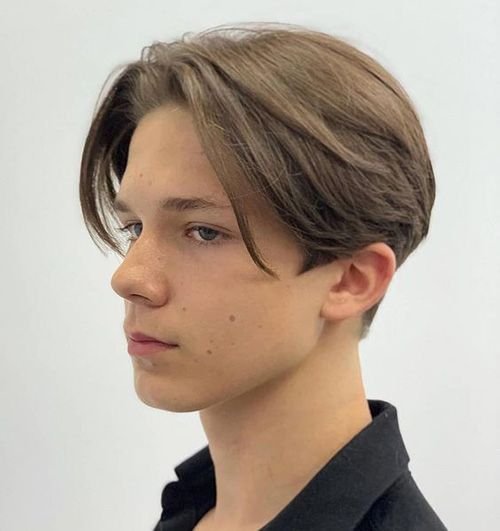
Understand the shape. A useful way to approach crew cut for naturally wavy hair is to cut with the wave pattern in mind and keep sufficient top weight. The main shape belongs around the short top, crown and tapered side panels, but your hair’s thickness and natural direction can change how it settles. Before choosing this variation, look at a reference from the front and the side rather than relying on a single fashionable photograph. Talk with the barber about how much hair you want to keep, especially where the top connects to the shorter sections. A haircut can look tidy immediately after styling and noticeably different once it dries at home, so ask to inspect its natural finish as well.
Barber brief and cutting decisions. Explain the main goal of the style in ordinary language. Ask which sections should stay fuller, where the blend or layers begin and how the back will be finished. If you are uncertain about clipper guards, request a gradual start that can be shortened rather than demanding a number you have never tried. Hair types respond differently: straight strands may show a crisp line, while waves or curls introduce movement and can make the same measured length look shorter. Keep enough space around a cowlick or crown swirl to avoid a cut that constantly stands in the wrong direction. If you plan to wear glasses or a helmet regularly, mention that during the consultation.
Styling at home. In general, let the wave settle before deciding whether product is needed. Use a product only if it helps you reach the desired look; start with a small amount and follow its directions. A realistic routine matters when you have early classes, a long commute or limited time in the morning. On days when you do not want to style deliberately, see whether the haircut still forms an acceptable shape without repeated brushing, heating or stiff hold. Excessive heat can damage hair, so consider low heat settings, allowing partial air drying and guidance from a dermatologist when scalp or hair problems arise.
Who may enjoy this version. This can be can soften a classic outline with natural movement, but no haircut is guaranteed to flatter a particular face or hair type. Preference, length, density and the time you want to devote to styling should guide your decision. For photos, move around so the barber can observe the sides, fringe, crown and nape. A person with tightly coiled hair and someone with straight hair may both choose this general silhouette, yet require different cutting and care methods. Keep the reference as a conversation aid, not a promise of identical results.
What to avoid. Assess dry shape rather than relying on wet length. Do not add more product simply because the shape is not working; a small adjustment in hair length or cutting direction might help more. If this is your first time trying the cut, request an easier-to-maintain version. Ask how it will look as it grows, whether an interim trim is necessary and what to do if the front or sides become hard to control. A practical hairstyle should fit your natural hair and daily life, rather than requiring a full salon-style finish every morning.
Crew cut versus buzz cut

Understand the shape. A useful way to approach crew cut versus buzz cut is to compare the slightly longer shaped top against an even clipper silhouette. The main shape belongs around the short top, crown and tapered side panels, but your hair’s thickness and natural direction can change how it settles. Before choosing this variation, look at a reference from the front and the side rather than relying on a single fashionable photograph. Talk with the barber about how much hair you want to keep, especially where the top connects to the shorter sections. A haircut can look tidy immediately after styling and noticeably different once it dries at home, so ask to inspect its natural finish as well.
Barber brief and cutting decisions. Explain the main goal of the style in ordinary language. Ask which sections should stay fuller, where the blend or layers begin and how the back will be finished. If you are uncertain about clipper guards, request a gradual start that can be shortened rather than demanding a number you have never tried. Hair types respond differently: straight strands may show a crisp line, while waves or curls introduce movement and can make the same measured length look shorter. Keep enough space around a cowlick or crown swirl to avoid a cut that constantly stands in the wrong direction. If you plan to wear glasses or a helmet regularly, mention that during the consultation.
Styling at home. In general, ask the barber to demonstrate the front-to-crown difference. Use a product only if it helps you reach the desired look; start with a small amount and follow its directions. A realistic routine matters when you have early classes, a long commute or limited time in the morning. On days when you do not want to style deliberately, see whether the haircut still forms an acceptable shape without repeated brushing, heating or stiff hold. Excessive heat can damage hair, so consider low heat settings, allowing partial air drying and guidance from a dermatologist when scalp or hair problems arise.
Who may enjoy this version. This can be helps choose the right maintenance and appearance, but no haircut is guaranteed to flatter a particular face or hair type. Preference, length, density and the time you want to devote to styling should guide your decision. For photos, move around so the barber can observe the sides, fringe, crown and nape. A person with tightly coiled hair and someone with straight hair may both choose this general silhouette, yet require different cutting and care methods. Keep the reference as a conversation aid, not a promise of identical results.
What to avoid. Use clear images instead of assuming haircut labels mean the same thing everywhere. Do not add more product simply because the shape is not working; a small adjustment in hair length or cutting direction might help more. If this is your first time trying the cut, request an easier-to-maintain version. Ask how it will look as it grows, whether an interim trim is necessary and what to do if the front or sides become hard to control. A practical hairstyle should fit your natural hair and daily life, rather than requiring a full salon-style finish every morning.
How to explain crew cut for men to a barber

Bring two photographs showing the same general haircut from different angles: a front view and a side or rear view. First point out the feature that matters most, whether it is a gentle taper, fuller side panel, a curl shape or an identifiable fringe. Explain what you do not want too. It can be helpful to say “keep the sides fuller than this example” or “I want a softer finish around the neckline.” These are more precise instructions than telling the barber to make the hair modern or trending.
Next, discuss length. A photograph can conceal how much product or styling was needed to produce the final picture. Ask the barber to check how the hair lies after washing or when dry. A hairline with a cowlick, a crown with a strong swirl or a naturally curled section can affect the shape. For crew cut for men, the key consideration is a short haircut with a little more controlled length on top than a typical even buzz cut. Confirm how the top should connect with the sides, and whether there will be a visible line or a blended transition.
If you are unsure, request a conservative first cut and decide on more length removal after examining the result. Explain how much styling time you are comfortable with each day. A student who wears a helmet and travels by bus may need something different from a man preparing for a formal reception. Keep notes about which length and direction worked well so that later appointments are easier and more consistent. No single guard number suits every head and hair type.
Everyday styling and hair-care routine

Consider the difference between maintaining the hair itself and styling its appearance. Shampoo based on your scalp’s oiliness, the amount of dirt or product buildup and the needs of your hair type rather than following an inflexible schedule. Conditioner can help detangle and manage hair, especially when its length or texture makes knots more likely. Apply styling products according to their directions, using only what is needed to form your chosen silhouette.
Start with the hair’s natural growth pattern. Some cuts only need to be combed into position; others benefit from fingers lifting or separating the front. If your hair has waves or curls, handle them gently and choose products suited to their texture. Constant heat styling or very tight pulling can cause damage. The American Academy of Dermatology’s healthy-hair guide advises choosing care based on hair type, conditioning after shampooing and limiting excessive heat. It is a general care reference, not a treatment recommendation for a personal medical concern.
For a busy schedule, practise an ordinary workday routine rather than a time-consuming special-event finish. Wash and dry as needed, arrange the direction or curls, then stop before overworking the strands. If a particular haircut requires daily strong hold that you dislike, discuss a softer variation or different top length at the next appointment. Hair that looks natural and comfortable on a normal day can be a more useful goal than reproducing a heavily styled image precisely.
Choosing a haircut for India’s weather, college and office life

India’s climate and daily routines differ greatly from one city and season to another. In humid weather, a sculpted front may settle differently than it does in an air-conditioned salon; in dry conditions, the texture can behave differently again. Rather than assuming one haircut is universally easy, assess the amount of hair you want around the ears and neck and whether your usual styling product remains comfortable throughout the day. Regular commuting and helmet use can also affect how a quiff, fringe or side part holds its shape.
For college, you may prefer natural movement and flexibility between classes and evenings out. Office environments vary: some permit very expressive hair, while others ask for a more restrained appearance. There is no universal “professional haircut” and no reason to assume one face shape must follow a particular formula. For a wedding or formal occasion, discuss the finish you want a few days before the event so there is time to decide whether the result feels right.
Think beyond the first day. Ask how the cut will look after several weeks and which sections will become awkward fastest. Sometimes a trim around the neckline is enough, while other shapes need the top rebalanced. The choice is personal and should reflect your budget, your schedule and your hair texture. A neat everyday haircut can also be paired with a simple outfit instead of requiring a specific clothing purchase.
Common styling mistakes and how to avoid them
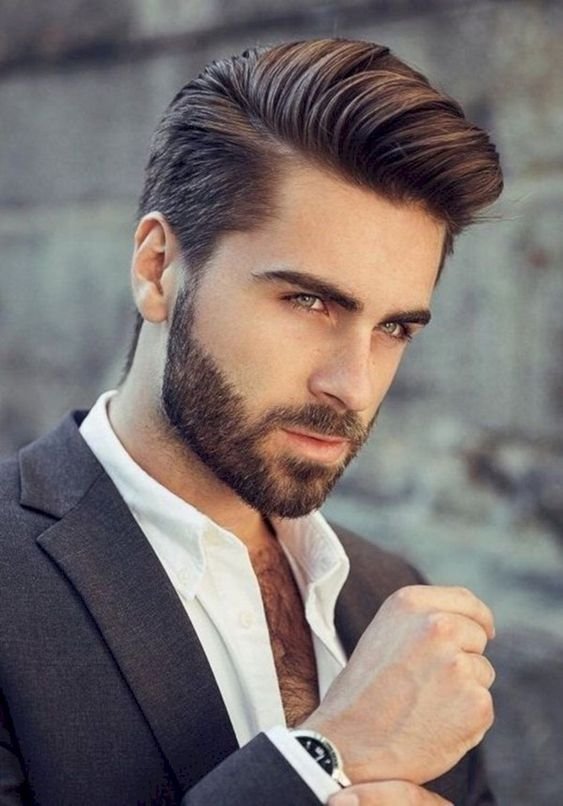
One common mistake is selecting a hairstyle from a photograph without explaining the expected daily result. Studio lighting, product and the model’s hair texture can make an image difficult to reproduce. Use photographs to clarify a silhouette and talk about the practical details: length, transition, fringe direction and the amount of volume desired. A second mistake is asking for a drastic cut without considering the growth pattern around the crown or forehead. These areas may require more deliberate cutting than a generic description suggests.
Another issue is excessive styling. Adding more gel or wax does not solve every shape problem, and stiff, long-lasting hold can be uncomfortable if you like natural movement. Too much heat can also damage hair. The AAD’s guidance on styling without damage explains why gentler handling and less heat can help. Follow product instructions, take breaks from techniques that pull tightly and seek professional advice for a scalp problem.
Finally, do not ignore the grow-out plan. A cut that looks very sharp today may need maintenance sooner than expected, while a connected layered style can change more gradually. Ask the barber to explain where fullness will develop and what to request at the next appointment. If you decide the hairstyle is not right for you, you can change direction without trying to hide the issue with heavy product. Haircuts should be adaptable, not a test of whether you can follow every trend.
Frequently asked questions about crew cut for men
What is crew cut for men?
It describes a short haircut with a little more controlled length on top than a typical even buzz cut. The final shape depends on hair texture, personal preference, the barber’s technique and the requested length.
Is this hairstyle suitable for college or office?
It can be adapted to many settings. Choose the length and finish for your own school or workplace expectations, travel routine and comfort.
Will it work with curly or wavy hair?
Possibly, but the dry silhouette and natural movement can be different. Show the barber how your hair behaves without strong styling and ask for texture-specific advice.
How often should I trim my hair?
There is no universal interval. Discuss how quickly the edges lose their shape and whether you want to maintain the same look or gradually grow it longer.
Do I need to use styling gel every day?
Not necessarily. Many cuts work with minimal product. Discuss a lower-effort variation if you dislike daily strong hold.
What should I show my barber?
Bring at least a front and side photograph, describe the preferred top length and outline and explain any areas you want to keep fuller.
What does this have to do with Namakool clothing?
Namakool sells casual clothing, not barber services. The editorial guide helps readers plan a look and provides links to casual T-shirts, polos and styling ideas.
For additional 2026 grooming context, see GQ’s men’s hair trend roundup and GQ’s short haircut guide. These publications describe editorial trends; the current guide is an independent Namakool styling resource and does not claim that every haircut will suit everyone. For related Namakool reading, explore 12 men’s hairstyle ideas, French crop versus textured crop and medium-length men’s haircuts.
Compare related men's hairstyles: Buzz cut, Low taper fade, Office hairstyles. These guides help you explain different silhouettes and maintenance choices before the next barber appointment.
Complete Your Everyday Look with Namakool
Explore casual clothing for college, workdays and weekends. Namakool provides fashion inspiration here, not haircut appointments or hair products.