Medium-length hairstyles for men give you more room to change direction, parting and movement than a very short cut. That freedom is useful only when the shape works with your hair and daily routine. Instead of asking for “longer hair” in general, decide what you want around the ears, forehead and neck.
Current editorial coverage includes softer, moving shapes: GQ’s 2026 hair report discusses a less severe approach to the modern mullet. This article explores nearby everyday options—flow, a sweep-back, longer sides and curls—without treating one reference as a rule for everyone.
The pictures are existing examples from Namakool’s media collection, not photographs of new 2026 salon work. Use them to compare outlines and explain preferences. A stylist can assess what your starting length and natural texture will allow, then help you plan a wearable transition.
Layered flow: decide where you want movement
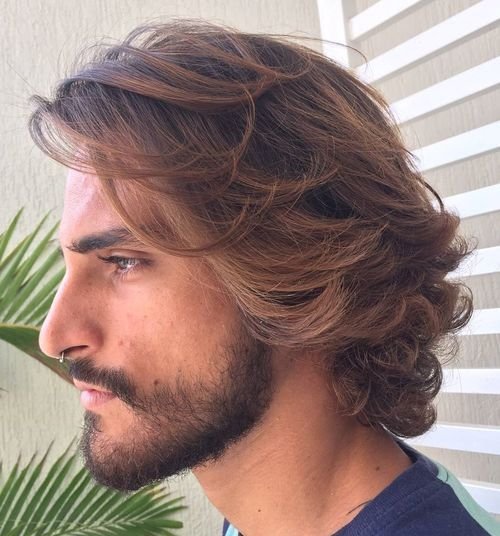
Flow is a useful word for describing hair that moves rather than sitting in a tightly fixed outline. It does not identify one exact length or cutting method. The reference here has layered movement around the sides and a loose sweep through the front. You might like one of those features without wanting the same overall length.
Start by identifying the part of the shape that attracts you. Is it the front moving away from the face, the softer ear coverage or the longer back? These are separate choices. A stylist can help connect them, but needs to know which matters most. If you simply request flow, you may receive a shape that technically fits the label but not your preferences.
Think about the places where you want less movement. Hair falling into your eyes while working can feel inconvenient even when the photograph looks appealing. You might want the front long enough to push aside, or an outline that stays away from the face more naturally. Demonstrate what you usually do with your hands when the hair bothers you. That small action gives the stylist useful information.
Discuss how layers will change the shape when the hair dries normally. Layers are not automatically the answer to every feeling of bulk, and more layering is not always better. Explain whether you dislike width, height or weight in a particular area. Ask to see the likely everyday result with your own texture rather than expecting the movement in a different person’s photograph.
A growing-out plan is especially useful if you currently have much shorter sides. Some areas may need time before they connect with the top in the way you want. Ask what can be shaped without removing the length needed for the next stage. The intermediate haircut should still work for your routine; it does not have to look like an unfinished version of the final reference.
Once you have a wearable shape, try it with your ordinary clothes and activities. Put on your usual glasses, carry your bag and see where the hair settles. A good flow hairstyle should allow some natural variation instead of demanding that every piece stay in the same position. If one area repeatedly behaves in an inconvenient way, bring a photograph of that issue to your next appointment and discuss a focused adjustment.
Sweep-back: keep the face open without a rigid finish

A sweep-back sends the front away from the face while allowing some softness through the sides and ends. It is a styling direction rather than a guarantee of a specific haircut. The same length may sweep back easily on one person and fall forward on another because growth direction and texture differ. Discuss that before choosing the style from a photograph.
Tell your stylist what “stays back” means to you. You might want a few pieces to move naturally, or you may need the front clear during work. You might dislike a glossy finish even if you enjoy the open forehead. These preferences affect the result. Bring a reference that shows the surface you like, not only the angle of the hair.
Ask for an everyday demonstration. If a salon finish uses several tools and products, request a simpler version that matches your available time. Explain whether you normally dry your hair with a tool or leave it to settle. There is no benefit in agreeing to a routine you already know you will not follow most mornings.
The length around the ears matters as much as the front. Longer sides can contribute to the relaxed look, but may interact with glasses or headphones. Shorter sides can create more contrast and may feel like a different haircut altogether. Look at the side view before deciding, and ask how the connection to the top will behave as it grows.
Consider your outer layers. A jacket collar or hoodie can push longer hair at the back into a different position. That does not mean the haircut is unsuitable, but it helps to know whether you enjoy the resulting outline. Wear a typical item to the appointment or bring a photo showing how the length sits against it during the day.
After the cut, evaluate the shape when it has been worn for a while, not only immediately after styling. Does the front fall into a position you like? Are you constantly smoothing the sides? Is the routine still manageable on a rushed morning? Use those observations to refine the next visit. A relaxed sweep-back should not become a daily struggle to keep every strand fixed. The goal is an open-face finish you can reproduce comfortably, with enough flexibility for normal movement.
Make the look your own
Explore everyday tees, polos and casual layers at Namakool.
Longer sides and a neck-length outline
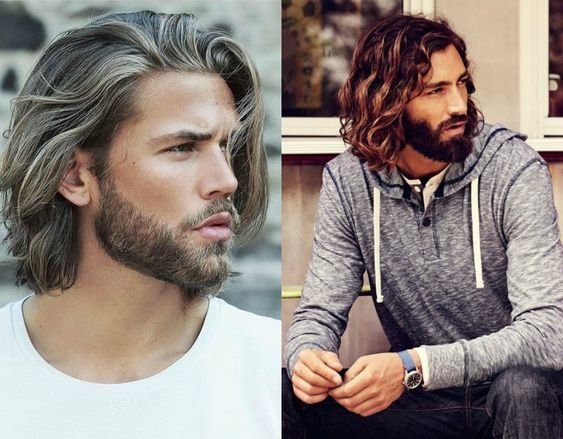
If you enjoy more length, compare the overall perimeter instead of focusing only on the front. The references above show different ways hair can sit near the ears and neck. One may feel smoother, another more textured, but both depend on having enough length in the right areas. The exact measurement matters less than where the hair rests on you.
At the consultation, describe your preferred ear coverage and the point where the back should finish. Explain whether you want to tuck the sides away or leave them loose. If tying the hair back is important, say so early; a style that looks long in a photograph may still have shorter pieces that will not reach. Ask what is possible now and what needs more growth.
You do not have to let every section grow unchecked. A stylist can discuss shaping that supports the direction you want. However, repeatedly asking for a general cleanup without explaining the goal can keep removing the length you need. Use the same small set of target references and update them only when your preference genuinely changes.
Think about how much daily preparation longer hair adds. Washing, drying and arranging it may take a different amount of time from your previous short cut. That does not make the style impractical, but it is part of the choice. Ask for a routine suited to your own hair and avoid assuming that a relaxed-looking photograph required no preparation.
Pay attention to the outline when seated. Hair can rest differently against a chair, scarf or jacket than it does in a standing mirror picture. If that contact repeatedly changes the shape in a way you dislike, mention it. The adjustment may concern the perimeter or a layer rather than the whole haircut. Specific observations help preserve the length you enjoy.
During the transition, aim for several good stages instead of one distant final result. A slightly shorter shape around the neck may already feel like a worthwhile change. You can decide later whether to continue. Photograph the haircut from the front, side and back after an ordinary day so you can compare progress realistically. This makes the next consultation about your actual experience, not only about an ideal image saved months earlier.
Natural curls: choose the dry shape, not just the measured length
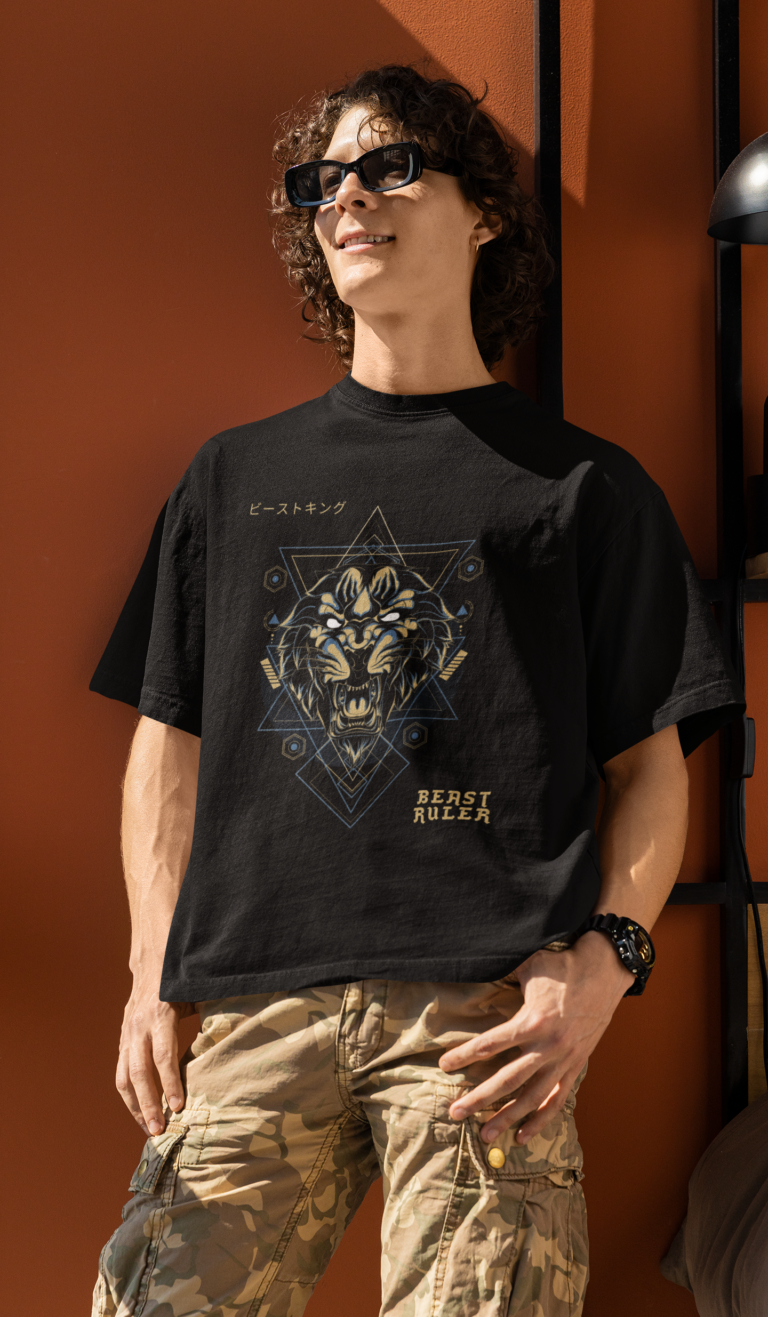
With curls, the visible outline can differ from the length of a stretched strand. That makes a conversation about the dry shape especially useful. The reference above shows a fuller, moving hairstyle in an everyday outfit. It is an inspiration image, not a prediction of what every curl pattern will look like at medium length.
Bring references that resemble your own texture where possible. Explain whether you prefer more width at the sides, a more open forehead or a rounded outline. These descriptions are more useful than asking for “the same curls” as someone else. A stylist experienced with your texture can help translate the general idea into a shape that makes sense for your hair.
Describe your normal routine honestly. If you usually leave the hair to settle with minimal manipulation, say that before a cut is planned around a highly arranged finish. If you enjoy defining individual sections, explain that too. The goal is agreement between the haircut and the routine, not a judgment about which approach is more fashionable.
Ask what each suggested product or step is meant to accomplish. You may want a different surface finish, more control in one area or a simpler way to arrange the front. Understanding the goal helps you decide whether the step is useful. It also prevents buying several items that appear in a trend article without knowing how they fit your own routine.
Check the shape from more than one angle and after normal movement. A front view can hide width at the back or a section that rests awkwardly near a collar. Take notes about the specific area rather than treating all fullness as a problem. Natural volume can be part of the look you want; the question is whether its placement feels right to you.
When planning maintenance, talk about the outline you wish to preserve and how the cut is likely to change. Avoid a universal schedule based only on the word “curly.” Your preferred length, shape and styling habits all matter. A useful appointment leaves you with a clear understanding of what to watch for, what can be adjusted later and how to wear the hair comfortably between visits. The result should support your texture and preferences rather than forcing them into an unrelated reference.
Build a growth plan and dress around the neckline
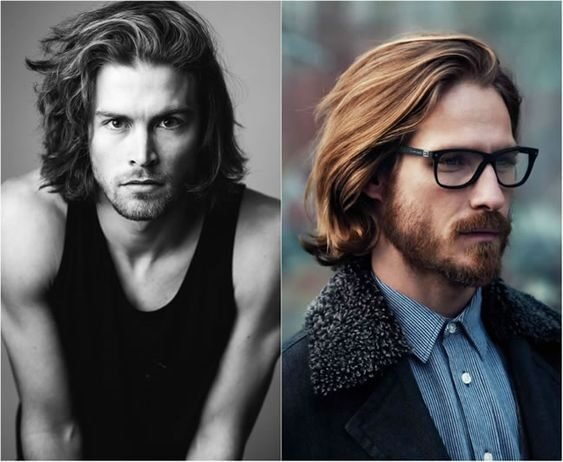
Medium-length hair changes the area around your neckline, so it is worth trying it with clothes you actually wear. A plain crew-neck T-shirt leaves the area simple. A polo adds a collar, while a hoodie adds more fabric behind the neck. None is automatically right or wrong; compare how the pieces sit together and choose what feels comfortable.
For a relaxed outfit, use a tee, straight jeans and trainers. The clothing can stay familiar while you get used to the new hair length. If you prefer an open shirt, check how its collar and the hair overlap at the back. You may like the layered outline, or you may want a softer collar. A quick rear photograph is often more informative than repeatedly turning in a mirror.
A growing-out plan should include ordinary days as well as special occasions. Tell your stylist about any upcoming event, but also explain the longer-term goal. Cutting everything shorter for one occasion may delay a shape you have been working towards. Ask whether a different finish or a limited adjustment would meet both needs.
Keep your reference set small. One front image, one side image and a photo of your own hair on a normal day give a clear starting point. Add notes about what is easy and what is annoying. If the front stays comfortable but the back catches on a collar, preserve the successful front while discussing the back. You do not need to restart the whole haircut to solve one issue.
Budget time as well as money. Think about the number of appointments you want, the morning routine you will repeat and the products you already use. A style is practical when those commitments fit your life. A photograph cannot make those decisions for you, and a trend label does not tell you how much work the finished look will require.
Before deciding whether to grow longer, wear the current stage for a while. You may discover that this medium length gives you the flexibility you wanted without going further. You may also decide to keep growing with a clearer sense of the eventual outline. Either result is useful. The point is to develop a hairstyle you enjoy living with, then pair it with clothes that support your day instead of treating the haircut as a reason to replace everything around it.
If you are unsure about the next step, take a week to note when the current length works best and when it feels inconvenient. That short record gives your stylist concrete information and can prevent an unnecessary change made after just one frustrating morning.
Frequently asked questions
What counts as medium-length hair for men?
There is no single universal boundary. In a consultation, describe where you want the front, sides and back to finish on you. Ear coverage, neckline length and the ability to move the front are more useful than a broad size label.
Can I grow out a fade into flow?
You can discuss that direction with a barber, but different areas may need time before they connect as intended. Ask for an intermediate shape that preserves useful length. Explain the goal before routine cleanups so the same areas are not repeatedly shortened.
Does medium-length hair need daily heat styling?
Not every version does. The required routine depends on your hair and the finish you choose. Tell the stylist what tools you use and ask to see a realistic alternative if the reference depends on more preparation than you want.
How often should I trim it?
Agree a plan based on the outline you want to maintain and how your hair grows. Watch for specific changes such as an uncomfortable fringe or a back length that no longer sits well. A blog cannot set one appointment interval for everyone.
Can I still wear hoodies and collared shirts?
Yes. Check how the hair rests against the neckline and choose comfortable combinations. You may prefer some collars more than others, but longer hair does not require a new wardrobe. Start with familiar basics and adjust one detail at a time.
More Namakool style guides
Make the look your own
Explore everyday tees, polos and casual layers at Namakool.